Vertigo
豆瓣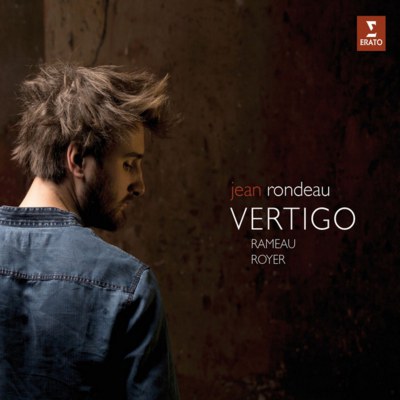
简介
France’s leading young harpsichordist performs works by two masters of the French Baroque. No surprises there, perhaps … but the harpsichordist in question is Jean Rondeau and the album is called Vertigo. It conceives the harpsichord in vividly theatrical terms. Vertigo takes its name from a dramatic, rhapsodic piece by Joseph-Nicolas-Pancrace Royer, who, along with Jean-Philippe Rameau, forms the focus of this album. If Rameau (1683–1764) is the better-known composer today, especially admired for such operatic masterpieces as Hippolyte et Aricie and Platée, the younger Royer (1705–1755) was also a major figure in his time, rising to become master of music at the court of Louis XV. Both Rameau and Royer excelled in keyboard music and in works for the stage. As Jean Rondeau says: “These two illustrious composers battled for the top spot at the Opéra.” He describes them as “two magicians, two master architects, amongst the most wildly imaginative and brilliant of their era … Two composers who also tried to capture echoes of grand theatre with the palette offered by their keyboard.”
In November 2015, Rondeau was named Solo Classical Instrumentalist of the Year by the Académie Charles Cros when he received its Grand Prix, France’s most prestigious award for classical recordings. That was for his first Warner Classics album, Imagine, which he described as “an exploration of all the possibilities that lie in the music of Johann Sebastian Bach and in the harpsichord.” BBC Music Magazine clearly enjoyed the discovery, saying: “Rondeau is a natural communicator, unimpeded by the imperative to score academic points ... Make no mistake – this is an auspicious debut.”
tracks
1 Rameau: Premier livre de pièces de Clavecin, (1706), Suite in A Minor, RCT 1: No. 1 Prélude - Jean Rondeau
2 Royer: Pièces pour clavecin, Book 1 (1746): No. 12 Allemande - Jean Rondeau
3 Rameau: Pièces de clavecin (1724), Suite in D Major, RCT 3: No. 1 Les Tendres Plaintes - Rondeau - Jean Rondeau
4 Rameau: Pièces de clavecin (1724), Suite in D Major, RCT 3: No. 2 Les Niais de Sologne - Doubles des Niais - Autre Double - Jean Rondeau
5 Rameau: Pièces de clavecin (1724), Suite in D Major, RCT 3: No. 6 L'Entretien des Muses - Jean Rondeau
6 Royer: Pièces de clavecin, Book 1 (1746): No. 3 Les Matelots - Jean Rondeau
7 Royer: Pièces de clavecin, Book 1 (1746): No. 4 Tambourins: Premier Tambourin (Suite des Matelots) & Deuxième Tambourin - Jean Rondeau
8 Royer: Pièces de clavecin, Book 1 (1746): No. 11 Le Vertigo - Rondeau - Jean Rondeau
9 Royer: Pièces de clavecin, Book 1 (1746): No. 2 La Zaïde - Rondeau - Jean Rondeau
10 Royer: Pièces de clavecin, Book 1 (1746): No. 14 La Marche, des Scythes - Jean Rondeau
11 Rameau: Nouvelles Suites de Pièces de Clavecin (1727), Suite in A Minor, RCT 5: No. 3 Sarabande - Jean Rondeau
12 Rameau: Pièces de clavecin (1724), Suite in E Minor, RCT 2: No. 7 Musette en rondeau - Jean Rondeau
13 Rameau: Pièces de clavecin (1724), Suite in E Minor, RCT 2: No. 8 Tambourin - Jean Rondeau
14 Rameau: Nouvelles Suites de Pièces de Clavecin (1727), Suite in G Major, RCT 6: No. 3. Menuet I - Menuet II - Jean Rondeau
15 Rameau: Nouvelles Suites de Pièces de Clavecin (1727), Suite in G Major, RCT 6: No. 14 Les Sauvages - Jean Rondeau
16 Royer: Pièces de clavecin, Book 1 (1746): No. 6 L'Aimable - Jean Rondeau