The Mad Chinaman
豆瓣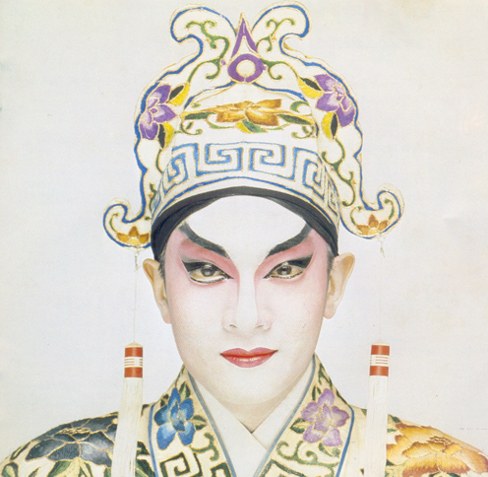
简介
1989年的《The Mad Chinaman》是Dick Lee在日本推介他的Asian theme音乐的开始,而事实上,这个时期的Asian theme,应该只可以说是Singapore theme。新加坡社会马来、华、印度、泰等多种族文化融合,对于Dick Lee产生了极大的影响,因而Dick Lee把这些影响全部投射在《The Mad Chinaman》上,除了明显的各民族风格的音乐外,连很多歌词都是新加坡式英语。在华语文化方面,《The Mad Chinaman》中就有向Dick Lee的母亲和潘迪华致敬的《The ding dong song》与《Wo wo ni ni》,有改编50年代中国著名儿歌《小白船》的《Little white boat》,还有宣传使用华语的《Let' all speak Mandarin》,后者后来被陈百强翻成《南北一家亲》(林忆莲有和音)。据称,《The Mad Chinaman》是新加坡销量最高的本土专辑,其在亚洲,尤其是在日本造成的影响非常巨大。对于Dick Lee本人而言,从这张专辑起,“The Mad Chinaman”就是Dick Lee的别名,至今他的网站都还是叫“madchinaweb”,他的自传叫《Adeventures of the Mad Chinaman》,而《The Mad Chinaman》封面上的中国戏曲扮相,至今是Dick Lee最广为人知的标准像。
tracks
1 Rasa Sayang
2 The Ding Dong Song
3 Mustapha
4 Little White Boat
5 I Am Baba
6 The Windchime Song
7 The Centre Of Asia
8 Bengawan Solo
9 Wo Wo Ni Ni
10 Let's All Speak Mandarin
11 The Mad Chinaman