Brigitte Bardot and the Lolita Syndrome
Douban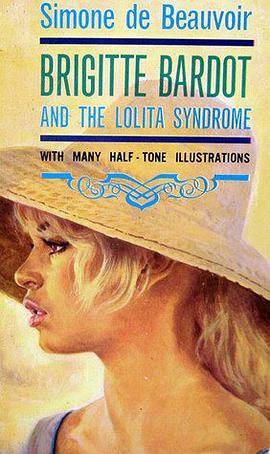
The Literature of cinema
Simone de Beauvoir Bernard Fretchman
overview
Blonde bombshell Brigitte Bardot was more than just a participant; she triggered change and for a short period became its icon. Always controversial and hotly debated, national obsession and blonde bombshell Bardot led France to a new vision of femininity both on and off screen.
Brigitte Anne-Marie Bardotis a French former actress, singer, and fashion model, who later became an animal rights activist. She was one of the best known sex symbols of the 1950s and 1960s, and was widely referred to simply by her initials. Starting in 1969, Bardot became the official face of Marianne (who had previously been anonymous) to represent the liberty of France. Bardot was an aspiring ballerina in early life. She started her acting career in 1952 and, after appearing in 16 routine comedy films with limited international release, became world-famous in 1957 with the controversial film And God Created Woman. She later starred in Jean-Luc Godard's 1963 film Le Mépris. Bardot was nominated for a BAFTA Award for Best Foreign Actress for her role in Louis Malle's 1965 film Viva Maria!. Bardot caught the attention of French intellectuals. She was the subject of Simone de Beauvoir's 1959 essay, The Lolita Syndrome, which described Bardot as a "locomotive of women's history" and built upon existentialist themes to declare her the first and most liberated woman of post-war France. Bardot retired from the entertainment industry in 1973. During her career in show business, she starred in 47 films, performed in several musical shows, and recorded over 60 songs.