Singing to the Lyre in Renaissance Italy
豆瓣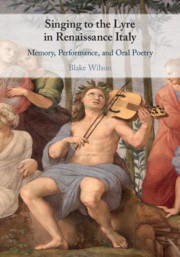
Memory, Performance, and Oral Poetry
Blake Wilson
简介
A primary mode for the creation and dissemination of poetry in Renaissance Italy was the oral practice of singing and improvising verse to the accompaniment of a stringed instrument. Singing to the Lyre is the first comprehensive study of this ubiquitous practice, which was cultivated by performers ranging from popes, princes, and many artists, to professionals of both mercantile and humanist background. Common to all was a strong degree of mixed orality based on a synergy between writing and the oral operations of memory, improvisation, and performance. As a cultural practice deeply rooted in language and supported by ancient precedent, cantare ad lyram (singing to the lyre) is also a reflection of Renaissance cultural priorities, including the status of vernacular poetry, the study and practice of rhetoric, the oral foundations of humanist education, and the performative culture of the courts reflected in theatrical presentations and Castiglione's Il cortegiano.
目录
Introduction
Part I. The Civic Tradition: The Art of the Canterino:
1. Early history: Ioculatores and Giullari
2. The Trecento Canterino
Excursus 1: Piazza San Martino: performance, urban space, and audience
3. The Canterino in the fifteenth century
Part II. The Humanist Tradition: Cantare ad Lyram:
4. Florence: from Canterino to Cantare ad Lyram
Excursus 2: Filippino Lippi's portrait of a Canterino
5. Cantare ad Lyram and humanist education
6. Cantare ad Lyram in the courts
7. Rome: Cantare ad Lyram at the summit
Epilogue: the sixteenth century.