Dynasties
豆瓣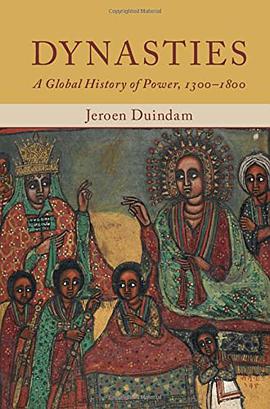
A Global History of Power, 1300-1800
Jeroen Duindam
简介
For thousands of years, societies have fallen under the reign of a single leader, ruling as chief, king, or emperor. In this fascinating global history of medieval and early modern dynastic power, Jeroen Duindam charts the rise and fall of dynasties, the rituals of rulership, and the contested presence of women on the throne. From European, African, Mughal, Ming-Qing and Safavid dynasties to the Ottoman Empire, Tokugawa Japan and Chosŏn Korea, he reveals the tension between the ideals of kingship and the lives of actual rulers, the rich variety of arrangements for succession, the households or courts which catered to rulers' daily needs, and the relationship between the court and the territories under its control. The book integrates numerous African examples, sets dynasties within longer-term developments such as the rise of the state, and examines whether the tensions inherent in dynastic power led inexorably to cycles of ascent and decline.
目录
Machine generated contents note: Kinship to kingship?
Scope: time and place
Beyond great debates and grand narratives
1.Rulers: position versus person
The ideal king
Unattainable and inconsistent standards
Life cycles
The burdens of rulership: agency and trust
2.Dynasty: reproduction and succession
Descent and rivalry
Women as rulers, royals, and affines
Concubinage: why so many women?
Succession: eligibles
Kingmaking, kingmakers, and redundant royals
Heredity and choice
3.At court: spaces, groups, balances
Court: a universal term?
Cavalcade to palace?
Inner and outer
Staffs, recruitment, ranks
Temple, cage, arena
Court, government, realm
4.Realm: connections and interactions
Virtue, honour, fear
Hospitality and service
Rankings and rewards
Power and pageantry
From court culture to popular culture
Persistence and change
Conclusion
Outcomes
Global change and East
West typologies
Contents note continued: The modern state and the end of dynasty
Legacies.