Human Rights in Twentieth-Century Australia (Human Rights in History)
豆瓣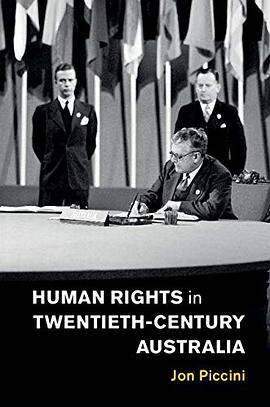
简介
This groundbreaking study understands the 'long history' of human rights in Australia from the moment of their supposed invention in the 1940s to official incorporation into the Australian government bureaucracy in the 1980s. To do so, a wide cast of individuals, institutions and publics from across the political spectrum are surveyed, who translated global ideas into local settings and made meaning of a foreign discourse to suit local concerns and predilections. These individuals created new organisations to spread the message of human rights or found older institutions amenable to their newfound concerns, adopting rights language with a mixture of enthusiasm and opportunism. Governments, on the other hand, engaged with or ignored human rights as its shifting meanings, international currency and domestic reception ebbed and flowed. Finally, individuals understood and (re)translated human rights ideas throughout this period: writing letters, books or poems and sympathising in new, global ways.This groundbreaking study understands the 'long history' of human rights in Australia from the moment of their supposed invention in the 1940s to official incorporation into the Australian government bureaucracy in the 1980s. To do so, a wide cast of individuals, institutions and publics from across the political spectrum are surveyed, who translated global ideas into local settings and made meaning of a foreign discourse to suit local concerns and predilections. These individuals created new organisations to spread the message of human rights or found older institutions amenable to their newfound concerns, adopting rights language with a mixture of enthusiasm and opportunism. Governments, on the other hand, engaged with or ignored human rights as its shifting meanings, international currency and domestic reception ebbed and flowed. Finally, individuals understood and (re)translated human rights ideas throughout this period: writing letters, books or poems and sympathising in new, global ways.This groundbreaking study understands the 'long history' of human rights in Australia from the moment of their supposed invention in the 1940s to official incorporation into the Australian government bureaucracy in the 1980s. To do so, a wide cast of individuals, institutions and publics from across the political spectrum are surveyed, who translated global ideas into local settings and made meaning of a foreign discourse to suit local concerns and predilections. These individuals created new organisations to spread the message of human rights or found older institutions amenable to their newfound concerns, adopting rights language with a mixture of enthusiasm and opportunism. Governments, on the other hand, engaged with or ignored human rights as its shifting meanings, international currency and domestic reception ebbed and flowed. Finally, individuals understood and (re)translated human rights ideas throughout this period: writing letters, books or poems and sympathising in new, global ways.This groundbreaking study understands the 'long history' of human rights in Australia from the moment of their supposed invention in the 1940s to official incorporation into the Australian government bureaucracy in the 1980s. To do so, a wide cast of individuals, institutions and publics from across the political spectrum are surveyed, who translated global ideas into local settings and made meaning of a foreign discourse to suit local concerns and predilections. These individuals created new organisations to spread the message of human rights or found older institutions amenable to their newfound concerns, adopting rights language with a mixture of enthusiasm and opportunism. Governments, on the other hand, engaged with or ignored human rights as its shifting meanings, international currency and domestic reception ebbed and flowed. Finally, individuals understood and (re)translated human rights ideas throughout this period: writing letters, books or poems and sympathising in new, global ways.