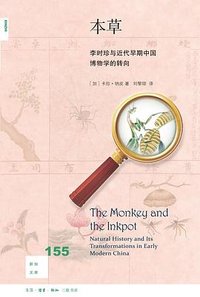
The Monkey and the Inkpot
豆瓣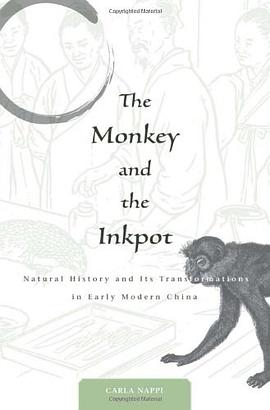
Natural History and Its Transformations in Early Modern China
Carla Nappi
简介
This is the story of a Chinese doctor, his book, and the creatures that danced within its pages. The Monkey and the Inkpot introduces natural history in sixteenth-century China through the iconic Bencao gangmu (Systematic materia medica) of Li Shizhen (1518–1593).
The encyclopedic Bencao gangmu is widely lauded as a classic embodiment of pre-modern Chinese medical thought. In the first book-length study in English of Li’s text, Carla Nappi reveals a “cabinet of curiosities” of gems, beasts, and oddities whose author was devoted to using natural history to guide the application of natural and artificial objects as medical drugs. Nappi examines the making of facts and weighing of evidence in a massive collection where tales of wildmen and dragons were recorded alongside recipes for ginseng and peonies.
Nappi challenges the idea of a monolithic tradition of Chinese herbal medicine by showing the importance of debate and disagreement in early modern scholarly and medical culture. The Monkey and the Inkpot also illuminates the modern fate of a book that continues to shape alternative healing practices, global pharmaceutical markets, and Chinese culture.
目录
List of Illustrations
Ex-Voto
Note on Conversions
Prologue: A Curious Instinct, A Taste for Ink
1. Conception: Birth of a Naturalist
2. Generation: Anatomy of a Naturalist
Interlude: Here Be Dragons: A Reader’s Guide to the Bencao gangmu
3. Transformation: Elements of Change
4. Transformation: Sprouts of Change
5. Transformation: Bodies of Change
6. Transformation: Creatures of Change
Conclusion: Rot and Rebirth: The Afterlife and Reincarnation of a Naturalist
Appendix A. Li Shizhen, Lidai zhujia bencao [Bencao works through the ages]
Appendix B. Contents of the Bencao gangmu [Systematic materia medica]
Notes
Glossary of Chinese Characters
Index