The Smoke of London
豆瓣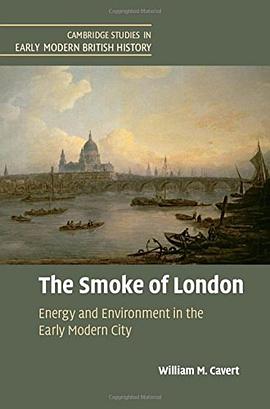
Energy and Environment in the Early Modern City
William M. Cavert
简介
http://www.cambridge.org/cn/academic/subjects/history/british-history-after-1450/smoke-london-energy-and-environment-early-modern-city?format=HB
The Smoke of London uncovers the origins of urban air pollution, two centuries before the industrial revolution. By 1600, London was a fossil-fueled city, its high-sulfur coal a basic necessity for the poor and a source of cheap energy for its growing manufacturing sector. The resulting smoke was found ugly and dangerous throughout the seventeenth and eighteenth centuries, leading to challenges in court, suppression by the crown, doctors' attempts to understand the nature of good air, increasing suburbanization, and changing representations of urban life in poetry and on the London stage. Neither a celebratory account of proto-environmentalism nor a declensionist narrative of degradation, The Smoke of London recovers the seriousness of pre-modern environmental concerns even as it explains their limits and failures. Ultimately, Londoners learned to live with their dirty air, an accommodation that reframes the modern process of urbanization and industrial pollution, both in Britain and beyond.
Describes early modern understandings of environmental pollution, transcending scholarly consensus that only industrialized modernity has prompted any kind of environmentalism
Offers a more rounded account of environmentalism that recovers pre-modern environmental concern and yet also explains its limits and failures
Places ideas and events firmly within their early modern context, but also shows the legacy they left to modern Britain and to the rest of the industrializing world
目录
Prologue: the smoke of London
Part I. Transformations:
1. The early modernity of London
2. Fires: London's turn to coal, 1575–1775
3. Airs: smoke and pollution, 1600–1775
Part II. Contestations:
4. Royal spaces: palaces and brewhouses, 1575–1640
5. Nuisance and neighbours
6. Smoke in the scientific revolution
Part III. Fueling Leviathan:
7. The moral economy of fuel: coal, poverty, and necessity
8. Fueling improvement: development, navigation, and revenue
9. Regulations: policing markets and suppliers
10. Protections: the wartime coal trade
Part IV. Accommodations:
11. Evelyn's place: fumifugium and the royal retreat from urban smoke
12. Representations: coal smoke as urban life
13. Movements: avoiding the smoky city
Epilogue
Bibliography
Index.