Collaborative Damage
豆瓣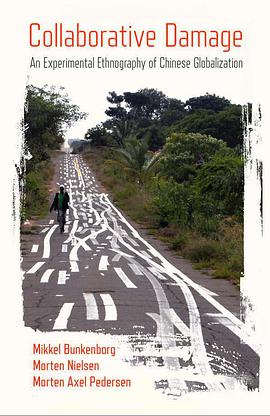
An Experimental Ethnography of Chinese Globalization
Mikkel Bunkenborg / Morten Nielsen …
简介
Collaborative Damage is an experimental ethnography of Chinese globalization that compares data from two frontlines of China's global intervention—Sub-Saharan Africa and Inner/Central Asia. Based on fieldwork on Chinese infrastructure and resource-extraction projects in Mozambique and Mongolia, the book provides new empirical insights into neo-colonialism and Sinophobia in the Global South.
The core argument in Collaborative Damage is that the different participants in the globalization processes studied—local workers and cadres, Chinese managers and entrepreneurs, and three Danish anthropologists—are intimately linked in paradoxical partnerships of mutual incomprehension. We call this "collaborative damage," which crucially refers not only to the misunderstandings and conflicts observed by us in the field, but also to our own failure to agree about how to interpret these data. Via in-depth case studies and tragi-comical tales of friendship, antagonism, irresolvable differences, and carefully maintained indifferences across disparate Sino-local worlds in Africa and Asia, Collaborative Damage tells a much larger story of Chinese globalization in the twenty-first century.
目录
Introduction
1. Friendship Empire: How a Chinese Entrepreneur Failed to Make Friends in Mongolia
2. Whose Walls? A Chinese Mining Enclave in the Gobi Desert
3. Roads That Separate: How a Chinese Oil Company Failed to Detach Itself from Its Mongolian Surroundings
4. Strategies of Unseeing: The Possible Superimposition of a "Chinatown" on the Catembe Peninsula
5. Enclaves and Envelopes: Cutting and Connecting Relations in Sino-Mozambican Workplaces
6. Alterity in the Interior: Tree Scouts, Spirits, and Chinese Loggers in the Forests of Northern Mozambique
Conclusion