Rome's Cultural Revolution
豆瓣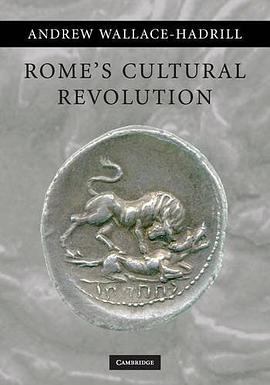
Andrew Wallace-Hadrill
简介
暂无内容。
目录
Part I Cultures and Identities
• Culture, identity and power
- The Archaeology of cultural identity
- ‘Romanisation’ debate
- Hellenic culture and ethnicity
- Hellenisation and Romanisation
- Ideas of culture
- Paideia and mores
- Political and cultural revolutions
• Dress, language and identity
- Dressing and Cross-dressing
- Switching tongues
- Code-switching
- Latin as an imperial language
Part II Building Identities
• Roman Italy: between Roman, Greek and local
- Direct and indirect romanization
- Languages and identities
- Bilingualism and material culture
- Monumental building
- Praeneste: Hellenistic, Roman and Italic
- Urban renewal in the Sacco valley
- Two faces of the Samnite: Pompeii and Pietrabbondante
- Pompeii
- Pietrabbondante
• Vitruvius: building Roman identity
- Greek theory
- Roman context
- Architecture and identity
- Greek and ‘latin’ theatres
- From wooden to solid theatres
- Baths and gymnasia
- Private space: the town house
- Private space: the country villa
- Identity rebuilt
Part III Knowledge and Power
• Knowing the ancestors
- Knowledge and power
- Ancestral ways
- Ancestors and nobility
- Ancestors in rhetoric
- Ancestors betrayed
- Antiquarian study and the rupture of tradition
- Greek models
- Calendars and time
- Religion and tradition
- Religion
- Divination
- Public Speech
- Law
- Rhetoric
- Language
- The Augustan revolution
• Knowing the city
- The Seven Hills: montes and the shrines of the Argei
- Vici in Republican Rome
- Streets and order
- The knowable city
- Regions and neighborhoods
- Cataloguing Rome
- The city mapped
Part IV Consumer Revolution
• Luxury and the consumer revolution
- Discourses of luxury
- Sumptuary laws and the consumer revolution
- Roman luxury as a social discourse
- Tryphē and the fall of states
- Consumerism and social anxieties
- Conclusion
• Waves of fashion
- The Mahdia wreck: luxury catalogued
- Lighting in bronze: candelabra
- Lighting in bronze: lamps
- Lighting in clay
- Vessels of metal
- Pottery: from Samian to Arretine
- Couches: recline to decline
- Conclusions
Epilogue: A cultural revolution?