World War II and Southeast Asia
豆瓣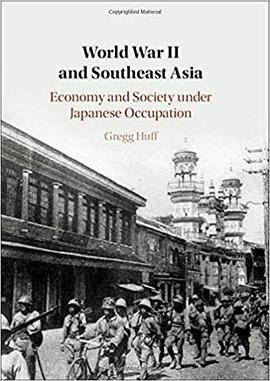
Economy and Society under Japanese Occupation
Gregg Huff
简介
From December 1941, Japan, as part of its plan to build an East Asian empire and secure oil supplies essential for war in the Pacific, swiftly took control of Southeast Asia. Japanese occupation had a devastating economic impact on the region. Japan imposed country and later regional autarky on Southeast Asia, dictated that the region finance its own occupation, and sent almost no consumer goods. GDP fell by half everywhere in Southeast Asia except Thailand. Famine and forced labour accounted for most of the 4.4 million Southeast Asian civilian deaths under Japanese occupation. In this ground-breaking new study, Gregg Huff provides the first comprehensive account of the economies and societies of Southeast Asia during the 1941-1945 Japanese occupation. Drawing on materials from 25 archives over three continents, his economic, social and historical analysis presents a new understanding of Southeast Asian history and development before, during and after the Pacific War.
目录
Table of Contents
List of figures
List of tables
List of illustrations
Acknowledgements
Chronology of World War II in the Pacific
Abbreviations
Introduction
1. Southeast Asia in the Pacific War
2. Administration and social control in Southeast Asia
3. Finance for Japan's occupation
4. National product and trade
5. Transport, public utilities and industrialization
6. Shortages, substitutes and rationing
7. Food and famine in Southeast Asia
8. Food and living standards in urban Southeast Asia
9. Labour and the Japanese
10 Costs of war and lessons of occupation
Epilogue and conclusion
Appendices
Bibliography
Index.