Surviving Linguistics
Douban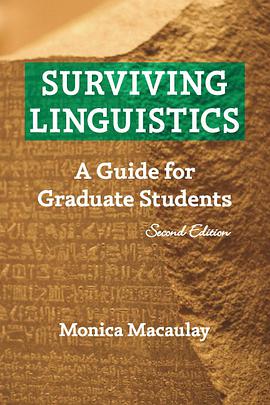
A Guide for Graduate Students(Second Edition)
Monica Macaulay
overview
Overview
This fully updated guide offers linguistics students clear, practical, and focused advice on how to succeed in graduate school and earn a degree. Surviving Linguistics is a valuable resource for students at any stage of their graduate career, from learning to write linguistics papers through completing their dissertation and finding a job. Along the way, the author explains the process of submitting conference abstracts, speaking at conferences, publishing journal articles, writing grant applications, creating a CV, and much more. Throughout Surviving Linguistics, Macaulay emphasizes the importance of working with advisors, dissertation committees, and fellow graduate students. The second edition includes new exercises as well as helpful references to many new books and online resources.
Although Macaulay focuses on North America in explaining the structure of graduate school and the process of applying for academic jobs, the advice in this book about writing and research in linguistics is useful to linguistics students everywhere.
"This is a much-needed 'how-to' book for aspiring linguists.... This volume should be required reading for first year students."
--eLanguage, June 2010 (see more reviews)
Inside the 2nd edition
The author has added new advice about PowerPoint presentations, conference poster sessions, citations and citation managers, funding sources, and applying for grants. There are revised and expanded sections on informed consent and human subjects, preparing to submit a journal article, and job options for linguists. Undergraduates will find guidance on preparing for grad school in linguistics, with advice on choosing, applying to, and visiting graduate programs.
contents
Preface
What Counts as Linguistics?
Who This Book Is For
Always Ask for Advice
Second Edition
Acknowledgments
1. Graduate School: Before, During, and After
Before Graduate School
Resources
Imposter Syndrome
Funding
Job Prospects Post-Degree
2. The Field of Linguistics
Types of Writing That Linguists Do
Collaborative Research
Prescriptivism and the Linguist
Learning about the Field
3. Writing Basics
Finding a Topic
Background Research
Library Resources
The Scientific Method
Making an Argument
Respect
Plagiarism
Human Subjects and Informed Consent
4. Mechanics: How to Write Like a Linguist
Structuring a Paper
Writing up a Quantitative Study
Using Examples, Presenting Data
Citations and References
Footnotes
Details Matter
Danger: Excessive Terminology and Thesaurus Style
My Personal Top Ten Least Favorite Writing Habits
5. The Process of Writing
A Place to Work
Structure
Getting Started
Perfectionism
Writer's Block
Draft Groups and Writing Buddies
Interpreting Comments and Taking Criticism
6. Conferences
Finding an Appropriate Conference
Writing and Submitting an Abstract
Creating a Handout
Delivering a Paper
Poster Sessions
Funding Your Trip
Hosting a Conference
7. Funding and Publishing Your Research
Grant Proposals
Working Papers and Conference Proceedings
Publishing an Article in a Journal
Book Reviews
8. The Dissertation
The Dissertation Proposal
ABD Status
Getting Your Dissertation Written
Defending Your Dissertation
9. The Job Hunt
The Curriculum Vitae (CV)
Applying for Academic Jobs
Afterword
References
Index