宝拉·比尔 — 演员 (5)
坏账银行 (2018) [剧集] TMDB IMDb 维基数据
Bad Banks
7.7 (62 个评分) 导演: Christian Schwochow 演员: Paula Beer / Barry Atsma
其它标题: Bad Banks / 壞銀行
在卢森堡着名的投资银行CréditInternational被错误解雇后,Jana Liekam是一位才华横溢的年轻投资银行家,在德意志投资银行投资银行业务负责人Gabriel Fenger的监督下,在法兰克福获得了梦想。 突然间,Jana不仅不得不放弃工作,还将男友和他5岁的女儿留在身后。虽然Jana很快就设法用她的激情和野心给Fenger和他的团队留下了深刻的印象,但她意识到为时已经太晚了,她在CréditInternational的前任老板Christelle LeBlanc偷偷地拉着绳子并操纵Jana为自己的优势。 很快,Jana发现自己在新的义务和LeBlanc的无情讹诈之间徘徊......她和她的职业生涯将在这无情的权力游戏中幸存下来吗?
红色天空 (2023) [电影] IMDb 豆瓣 TMDB 维基数据
Roter Himmel
7.6 (132 个评分) 导演: 克里斯蒂安·佩措尔德 演员: 托马斯·舒伯特 / 宝拉·比尔
其它标题: 어파이어 / Céu em Chamas
一个炎热、干燥的夏日,如同过去几年一般。森林火灾是无法控制的。四个年轻人在离阿伦斯霍普不远的波罗的海度假屋里相遇。慢慢地,不知不觉中,他们被火焰筑成的围墙所包围。红色的天空笼罩着他们。他们充满怀疑,他们满是害怕——但却不是因为火灾。是爱让他们害怕:“谁会在坠入爱河时死去 ……!”他们越来越亲近,他们渴望着,他们相爱着。然而熊熊火焰已无限逼近。
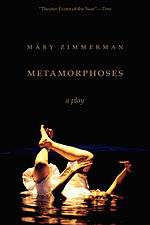
变形记 [演出] 豆瓣
Metamorphoses
类型: Theater 编剧: Mary Zimmerman / 奥维德
其它标题: Metamorphoses / Metamorphosen [overcoming mankind] / 变形记(战胜人类) / Metamorphosen 导演: 未知 / Claudia Bauer 演员: Paula Beer / Gala Othero Winter / Barbara Colceriu / Aenne Schwarz / Kjerstine Rose Anderson
The play is staged as a series of vignettes. The order is as follows:

Cosmogony- Used to explain the creation of the world, as well as give the audience a sense of the style and setting of the play. Woman by the Water, Scientist, and Zeus help narrate how our world of order came from chaos, either by the hand of a creator or by a "natural order of things."[5]

Midas- The story is framed by the narration of three laundresses who tell the story of King Midas, a very rich man. After shunning his daughter for being too disruptive during his speech about caring for his family, a drunken Silenus enters and speaks of a far away land capable of granting eternal life. Silenus later falls asleep, and Midas shelters him in the cabana. Bacchus later comes to retrieve Silenus, and grants Midas a wish for his graciousness towards Silenus. Midas asks for the ability to have whatever he touches turn to gold. Midas accidentally turns his daughter into gold and is prompted by Bacchus to seek a mystic pool that will restore him to normal. Midas leaves for his quest.

Alcyone and Ceyx- Also narrated by the three laundresses, this story depicts King Ceyx and his wife Alcyone. Despite his wife's warnings and disapproval, Ceyx voyages into the ocean to visit a far off oracle. Poseidon destroys Ceyx's ship. Ceyx is killed in the process, unbeknownst to Alcyone who awaits on the shore. Prompted by Aphrodite, Alcyone has a dream of Ceyx, who tells her to go the shore. With mercy from the gods, the two are reunited. Transformed as seabirds, they fly together toward the horizon.

Erysichthon and Ceres- This story tells of a godless and sacrilegious man named Erysichthon, who cuts down a tree sacred to the goddess Ceres. In an act of vengeance, Ceres commands the spirit Hunger to make him captive to an insatiable appetite. After eating endlessly and spending all his fortune on food, Erysichthon tries to sell his mother to a merchant. His mother gets transformed into a little girl after praying to the god Poseidon and escapes from the merchant. Erysichthon eventually succumbs to his endless hunger and devours himself.

Orpheus and Eurydice- The story of Orpheus and Eurydice is told twice. The first from the point of view of Orpheus in 8 AD, who has just married his bride Eurydice. Eurydice is bitten by a snake on their wedding day and dies. Orpheus, so distraught, travels to the Underworld so that he might work out a deal to retrieve Eurydice. After singing a mournful song, Hades is convinced to let Eurydice return with Orpheus on one condition: Eurydice must follow Orpheus from behind and he cannot look back at her, and if he should, she must stay in the Underworld forever. Orpheus agrees to the terms, and when almost back to the living world, he doubtfully looks back, causing Hermes to pluck her away. The action is repeated several times, resembling the memory that Orpheus will have forever of losing his bride. The second time is told from the point of view of Eurydice in the likeness of the Rainer Maria Rilke's style in 1908. After an eternity of this repeated action, Eurydice becomes forgetful and fragile, tragically no longer remembering Orpheus. She returns to the Underworld unknowing to Orpheus, the man she loved so long ago.

Narcissus Interlude- A brief scene showing the character Narcissus catching a glimpse of his own reflection in a pool. He becomes transfixed and becomes paralyzed. He is replaced by a narcissus plant by his fellow castmates.

Pomona and Vertumnus- This story depicts a female wood nymph named Pomona and a romantically shy Vertumnus. Pomona has refused the hands of many suitors and remains alone. Vertumnus, in order to see her, disguises himself in a variety of costumes and tries to convince Pomona to fall in love with him, although he doesn't reveal his true identity. After telling the story of Myrrha, Pomona tells Vertumnus to take off his ridiculous disguise, and the two become smitten in love.

Myrrha- A story within the Pomona and Vertumnus story, Vertumnus tells the story of a King Cinyras and his daughter Myrrha. After denying Aphrodite's love attempts many times, Myrrha is cursed by Aphrodite with a lust for her father. Myrrha tries to control her urges, but eventually falls to the temptation. With the help of her Nursemaid, Myrrha has three sexual encounters with her father, each time keeping him drunk and blindfolded so he wouldn't suspect her. The third time Cinyras takes off his blindfold and tries to strangle Myrrha, who escapes and is never seen again. Rumors are mentioned of what happened to her, but she is depicted as melting into the pool.

Phaeton- This story is told about Phaeton in the form of Phaeton narrating his relationship with his Father, Apollo, to the Therapist. With the Therapist adding her psychoanalytical points, Phaeton tells the audience of a distanced relationship with his father. After bullying from school, Phaeton goes on a journey to meet his father, who drives the sun across the sky every day. Racked with guilt from fatherly neglect, Apollo allows Phaeton to "drive" the sun across the sky as compensation for all the years of absence. Phaeton, who constantly whines, drives the sun too close to the earth and scorches it. The Therapist closes the scene in a monologue about the difference between myth and dream.

Eros and Psyche- "Q" and "A" essentially narrate a scene about Psyche falling in love with Eros. Psyche and Eros remain silent during the whole interlude, but act out what Q and A discuss. Eros and Psyche fall in love, as Q and A tell the audience that they might wander in the darkness of loneliness until they blind themselves to personal romantic desires and give into a deeper love. Psyche becomes a goddess and lives with Eros forever.

Baucis and Philemon- The final story tells of Zeus and Hermes disguising themselves as beggars on earth in order to know what its like to be human. After being shunned by every house in the city, they are graciously accepted into the house of the poor married couple, Baucis and Philemon. The married couple feeds the gods with a great feast, not knowing the true identity of the strangers except that they are "children of God".[6] After the feast, the gods reveal themselves and grant the two a wish. Baucis and Philemon ask to die at the same time to save each other grief of death, and the gods respond by turning their house into a grand palace and the couple into a pair of trees with branches intertwined. At the end of the scene, Midas returns to the stage, finds the pools, washes, and is restored. His daughter enters, healed, and the play ends with a redeemed Midas embracing his daughter.

变形记 版本3 [演出] 豆瓣
所属 演出: 变形记
语言: 德语 german 剧团: 瑞士巴塞尔剧院 剧院: 瑞士巴塞尔剧院 导演: Antú Romero Nunes
其它标题: 版本3 编剧: 奥维德 / Kris Merken 演员: Paula Beer / Gala Othero Winter
The play is staged as a series of vignettes. The order is as follows:

Cosmogony- Used to explain the creation of the world, as well as give the audience a sense of the style and setting of the play. Woman by the Water, Scientist, and Zeus help narrate how our world of order came from chaos, either by the hand of a creator or by a "natural order of things."[5]

Midas- The story is framed by the narration of three laundresses who tell the story of King Midas, a very rich man. After shunning his daughter for being too disruptive during his speech about caring for his family, a drunken Silenus enters and speaks of a far away land capable of granting eternal life. Silenus later falls asleep, and Midas shelters him in the cabana. Bacchus later comes to retrieve Silenus, and grants Midas a wish for his graciousness towards Silenus. Midas asks for the ability to have whatever he touches turn to gold. Midas accidentally turns his daughter into gold and is prompted by Bacchus to seek a mystic pool that will restore him to normal. Midas leaves for his quest.

Alcyone and Ceyx- Also narrated by the three laundresses, this story depicts King Ceyx and his wife Alcyone. Despite his wife's warnings and disapproval, Ceyx voyages into the ocean to visit a far off oracle. Poseidon destroys Ceyx's ship. Ceyx is killed in the process, unbeknownst to Alcyone who awaits on the shore. Prompted by Aphrodite, Alcyone has a dream of Ceyx, who tells her to go the shore. With mercy from the gods, the two are reunited. Transformed as seabirds, they fly together toward the horizon.

Erysichthon and Ceres- This story tells of a godless and sacrilegious man named Erysichthon, who cuts down a tree sacred to the goddess Ceres. In an act of vengeance, Ceres commands the spirit Hunger to make him captive to an insatiable appetite. After eating endlessly and spending all his fortune on food, Erysichthon tries to sell his mother to a merchant. His mother gets transformed into a little girl after praying to the god Poseidon and escapes from the merchant. Erysichthon eventually succumbs to his endless hunger and devours himself.

Orpheus and Eurydice- The story of Orpheus and Eurydice is told twice. The first from the point of view of Orpheus in 8 AD, who has just married his bride Eurydice. Eurydice is bitten by a snake on their wedding day and dies. Orpheus, so distraught, travels to the Underworld so that he might work out a deal to retrieve Eurydice. After singing a mournful song, Hades is convinced to let Eurydice return with Orpheus on one condition: Eurydice must follow Orpheus from behind and he cannot look back at her, and if he should, she must stay in the Underworld forever. Orpheus agrees to the terms, and when almost back to the living world, he doubtfully looks back, causing Hermes to pluck her away. The action is repeated several times, resembling the memory that Orpheus will have forever of losing his bride. The second time is told from the point of view of Eurydice in the likeness of the Rainer Maria Rilke's style in 1908. After an eternity of this repeated action, Eurydice becomes forgetful and fragile, tragically no longer remembering Orpheus. She returns to the Underworld unknowing to Orpheus, the man she loved so long ago.

Narcissus Interlude- A brief scene showing the character Narcissus catching a glimpse of his own reflection in a pool. He becomes transfixed and becomes paralyzed. He is replaced by a narcissus plant by his fellow castmates.

Pomona and Vertumnus- This story depicts a female wood nymph named Pomona and a romantically shy Vertumnus. Pomona has refused the hands of many suitors and remains alone. Vertumnus, in order to see her, disguises himself in a variety of costumes and tries to convince Pomona to fall in love with him, although he doesn't reveal his true identity. After telling the story of Myrrha, Pomona tells Vertumnus to take off his ridiculous disguise, and the two become smitten in love.

Myrrha- A story within the Pomona and Vertumnus story, Vertumnus tells the story of a King Cinyras and his daughter Myrrha. After denying Aphrodite's love attempts many times, Myrrha is cursed by Aphrodite with a lust for her father. Myrrha tries to control her urges, but eventually falls to the temptation. With the help of her Nursemaid, Myrrha has three sexual encounters with her father, each time keeping him drunk and blindfolded so he wouldn't suspect her. The third time Cinyras takes off his blindfold and tries to strangle Myrrha, who escapes and is never seen again. Rumors are mentioned of what happened to her, but she is depicted as melting into the pool.

Phaeton- This story is told about Phaeton in the form of Phaeton narrating his relationship with his Father, Apollo, to the Therapist. With the Therapist adding her psychoanalytical points, Phaeton tells the audience of a distanced relationship with his father. After bullying from school, Phaeton goes on a journey to meet his father, who drives the sun across the sky every day. Racked with guilt from fatherly neglect, Apollo allows Phaeton to "drive" the sun across the sky as compensation for all the years of absence. Phaeton, who constantly whines, drives the sun too close to the earth and scorches it. The Therapist closes the scene in a monologue about the difference between myth and dream.

Eros and Psyche- "Q" and "A" essentially narrate a scene about Psyche falling in love with Eros. Psyche and Eros remain silent during the whole interlude, but act out what Q and A discuss. Eros and Psyche fall in love, as Q and A tell the audience that they might wander in the darkness of loneliness until they blind themselves to personal romantic desires and give into a deeper love. Psyche becomes a goddess and lives with Eros forever.

Baucis and Philemon- The final story tells of Zeus and Hermes disguising themselves as beggars on earth in order to know what its like to be human. After being shunned by every house in the city, they are graciously accepted into the house of the poor married couple, Baucis and Philemon. The married couple feeds the gods with a great feast, not knowing the true identity of the strangers except that they are "children of God".[6] After the feast, the gods reveal themselves and grant the two a wish. Baucis and Philemon ask to die at the same time to save each other grief of death, and the gods respond by turning their house into a grand palace and the couple into a pair of trees with branches intertwined. At the end of the scene, Midas returns to the stage, finds the pools, washes, and is restored. His daughter enters, healed, and the play ends with a redeemed Midas embracing his daughter.