拉姆·查兰 — 作者 (9)
執行力 [图书] 豆瓣
Execution:The Discipline of Getting Things Done
執行力是一種專業素養,結合了三個核心程序:用人、策略、運作。如何才能在對的時間、有對的人、關注於對的細節上?作者強調執行力不僅是戰術,還是條理清晰的專業能力,更需要企業領導人永遠的關心專注,不靠運氣更不能心存僥倖。偉大的領導人總是懂得如何執行業務,更以明確的現實作為陳述企業願景的根據,而不是華而不實的希望。
戴爾(Dell)電腦執行長邁可•戴爾:「如果你想成為執行長——或者你已經是個執行長,但是想保住工作—一定要讀《執行力》,並將它提出的做法付諸實踐。」除此之外,戴爾還少說了一句:「而且也要讓你的員工都讀《執行力》。」
要達成公司的策略目標,除了執行長,還要全公司上下同心協力。《執行力》正是讓人們明白如何跨越並填補策略目標和現實之間的一本好書,所以,要達成策略目標,全公司上下都應該一起來讀《執行力》,一起檢討公司流程,一起付出執行力,往企業成功之日邁進。
戴爾(Dell)電腦執行長邁可•戴爾:「如果你想成為執行長——或者你已經是個執行長,但是想保住工作—一定要讀《執行力》,並將它提出的做法付諸實踐。」除此之外,戴爾還少說了一句:「而且也要讓你的員工都讀《執行力》。」
要達成公司的策略目標,除了執行長,還要全公司上下同心協力。《執行力》正是讓人們明白如何跨越並填補策略目標和現實之間的一本好書,所以,要達成策略目標,全公司上下都應該一起來讀《執行力》,一起檢討公司流程,一起付出執行力,往企業成功之日邁進。
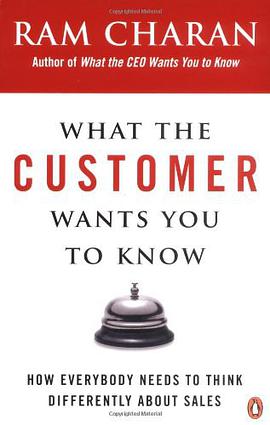
What the Customer Wants You to Know [图书] 豆瓣
According to business guru Ram Charan, the process of selling is broken. Demand for competitive pricing is ever on the increase, and customers want more than great products at great prices; they want you to know how their business works, so that you can make it work better. It is time for companies to re-think their selling processes, and that's where Charan's concept of Value Creation Selling fits in. It is a new approach that while radical is nonetheless practical and produces stronger customer relationships and long term rewards. VCS will enable you to: gain a deeper knowledge of your customer's business. Use this knowledge to improve your customer's margins. Show how your product and expertise is a winning combination. Someday, every company will listen more closely to the customer.
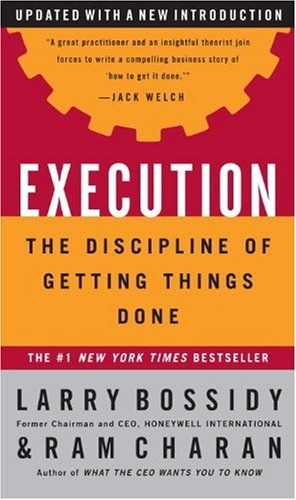
Execution [图书] 豆瓣
The book that shows how to get the job done and deliver results . . . whether you’re running an entire company or in your first management job
Larry Bossidy is one of the world’s most acclaimed CEOs, a man with few peers who has a track record for delivering results. Ram Charan is a legendary advisor to senior executives and boards of directors, a man with unparalleled insight into why some companies are successful and others are not. Together they’ve pooled their knowledge and experience into the one book on how to close the gap between results promised and results delivered that people in business need today.
After a long, stellar career with General Electric, Larry Bossidy transformed AlliedSignal into one of the world’s most admired companies and was named CEO of the year in 1998 by Chief Executive magazine. Accomplishments such as 31 consecutive quarters of earnings-per-share growth of 13 percent or more didn’t just happen; they resulted from the consistent practice of the discipline of execution: understanding how to link together people, strategy, and operations, the three core processes of every business.
Leading these processes is the real job of running a business, not formulating a “vision” and leaving the work of carrying it out to others. Bossidy and Charan show the importance of being deeply and passionately engaged in an organization and why robust dialogues about people, strategy, and operations result in a business based on intellectual honesty and realism.
The leader’s most important job—selecting and appraising people—is one that should never be delegated. As a CEO, Larry Bossidy personally makes the calls to check references for key hires. Why? With the right people in the right jobs, there’s a leadership gene pool that conceives and selects strategies that can be executed. People then work together to create a strategy building block by building block, a strategy in sync with the realities of the marketplace, the economy, and the competition. Once the right people and strategy are in place, they are then linked to an operating process that results in the implementation of specific programs and actions and that assigns accountability. This kind of effective operating process goes way beyond the typical budget exercise that looks into a rearview mirror to set its goals. It puts reality behind the numbers and is where the rubber meets the road.
Putting an execution culture in place is hard, but losing it is easy. In July 2001 Larry Bossidy was asked by the board of directors of Honeywell International (it had merged with AlliedSignal) to return and get the company back on track. He’s been putting the ideas he writes about in Execution to work in real time.
Larry Bossidy is one of the world’s most acclaimed CEOs, a man with few peers who has a track record for delivering results. Ram Charan is a legendary advisor to senior executives and boards of directors, a man with unparalleled insight into why some companies are successful and others are not. Together they’ve pooled their knowledge and experience into the one book on how to close the gap between results promised and results delivered that people in business need today.
After a long, stellar career with General Electric, Larry Bossidy transformed AlliedSignal into one of the world’s most admired companies and was named CEO of the year in 1998 by Chief Executive magazine. Accomplishments such as 31 consecutive quarters of earnings-per-share growth of 13 percent or more didn’t just happen; they resulted from the consistent practice of the discipline of execution: understanding how to link together people, strategy, and operations, the three core processes of every business.
Leading these processes is the real job of running a business, not formulating a “vision” and leaving the work of carrying it out to others. Bossidy and Charan show the importance of being deeply and passionately engaged in an organization and why robust dialogues about people, strategy, and operations result in a business based on intellectual honesty and realism.
The leader’s most important job—selecting and appraising people—is one that should never be delegated. As a CEO, Larry Bossidy personally makes the calls to check references for key hires. Why? With the right people in the right jobs, there’s a leadership gene pool that conceives and selects strategies that can be executed. People then work together to create a strategy building block by building block, a strategy in sync with the realities of the marketplace, the economy, and the competition. Once the right people and strategy are in place, they are then linked to an operating process that results in the implementation of specific programs and actions and that assigns accountability. This kind of effective operating process goes way beyond the typical budget exercise that looks into a rearview mirror to set its goals. It puts reality behind the numbers and is where the rubber meets the road.
Putting an execution culture in place is hard, but losing it is easy. In July 2001 Larry Bossidy was asked by the board of directors of Honeywell International (it had merged with AlliedSignal) to return and get the company back on track. He’s been putting the ideas he writes about in Execution to work in real time.
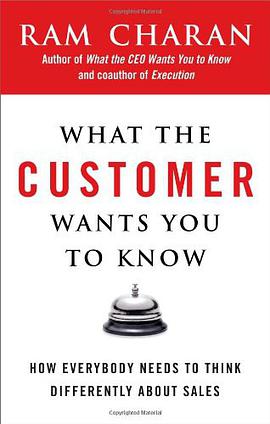
What the Customer Wants You to Know [图书] 豆瓣
From the bestselling author of What the CEO Wants You to Know: How to rethink sales from the outside in
More than ever these days, the sales process often turns into a war about price—a frustrating, unpleasant war that takes all the fun out of selling. But there’s a better way to think about sales, says bestselling author Ram Charan, who is famous for clarifying and simplifying difficult business problems.
Instead of starting with your product or service, start with your customer’s problems. Focus on becoming your customer’s trusted partner, someone he or she can turn to for creative, cost- effective solutions that are based on your deep knowledge of his values, goals, problems, and customers. This powerful book will teach you:
• How to gain a deeper knowledge of your customer’s company, including costs, values, and how decisions really get made
• How to help your customer improve margins and drive revenue growth
• How to focus on your customer’s customers
• How to work with other departments in your own company to customize better solutions
• How to make price much less of an issue
Someday, every company will listen more closely to the customer, and every manager will realize that sales is everyone’s business, not just the sales department’s. In the meantime, this eye- opening book will show you how to get started.
More than ever these days, the sales process often turns into a war about price—a frustrating, unpleasant war that takes all the fun out of selling. But there’s a better way to think about sales, says bestselling author Ram Charan, who is famous for clarifying and simplifying difficult business problems.
Instead of starting with your product or service, start with your customer’s problems. Focus on becoming your customer’s trusted partner, someone he or she can turn to for creative, cost- effective solutions that are based on your deep knowledge of his values, goals, problems, and customers. This powerful book will teach you:
• How to gain a deeper knowledge of your customer’s company, including costs, values, and how decisions really get made
• How to help your customer improve margins and drive revenue growth
• How to focus on your customer’s customers
• How to work with other departments in your own company to customize better solutions
• How to make price much less of an issue
Someday, every company will listen more closely to the customer, and every manager will realize that sales is everyone’s business, not just the sales department’s. In the meantime, this eye- opening book will show you how to get started.
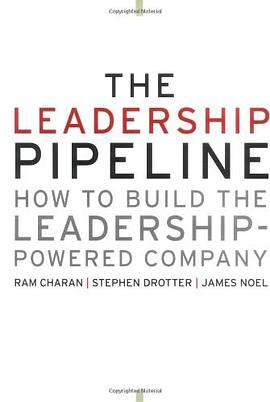
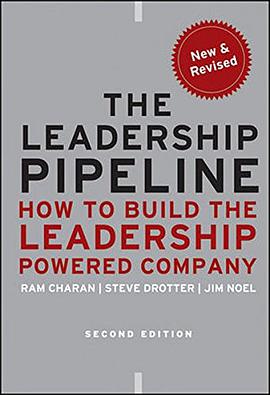
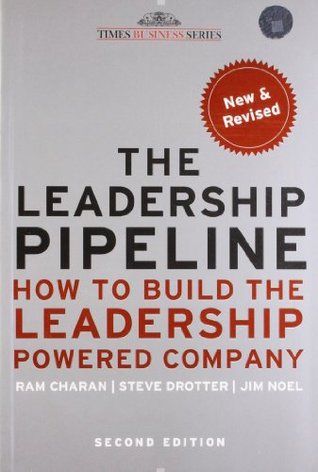
The Leadership Pipeline [图书] 豆瓣
Together, these authors have more first-hand experience in leadership development and succession planning than you're likely to find anywhere else. And here, they show companies how to create a pipeline of talent that will continuously fill their leadership needs-needs they may not even yet realize. The Leadership Pipeline delivers a proven framework for priming future leaders by planning for their development, coaching them, and measuring the results of those efforts. Moreover, the book presents a combination leadership-development/succession-planning program that ensures a steady line-up of leaders for every critical position within the company. It's an approach that bolsters the retention of intellectual capital as it eliminates the need to go outside for expensive "stars," who will probably jump ship before they reach their full potential anyway.
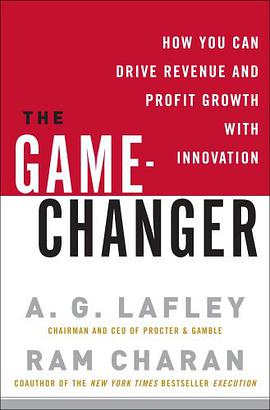
The Game-Changer [图书] 豆瓣
How you can increase and sustain organic revenue and profit growth . . . whether you’re running an entire company or in your first management job.
Over the past seven years, Procter & Gamble has tripled profits; significantly improved organic revenue growth, cash flow, and operating margins; and averaged earnings per share growth of 12 percent. How? A. G. Lafley and his leadership team have integrated innovation into everything P&G does and created new customers and new markets.
Through eye-opening stories A. G. Lafley and Ram Charan show how P&G and companies such as Honeywell, Nokia, LEGO, GE, HP, and DuPont have become game-changers. Their inspiring lessons can help you learn how to:
• Make consumers and customers the boss, not the CEO or the management team
• Innovate to grow a mature business
• Develop higher growth, higher margin businesses
• Create new customers and new markets
• Revitalize a business model
• Reach outside your own business and tap into the abundant brainpower and creativity of the world
• Integrate innovation into the mainstream of your managerial decision making
• Manage risk
• Become a leader of innovation
We live in a world of unprecedented change, increasing global competitiveness, and the very real threat of commoditization. Innovation in this world is the best way to win—arguably the only way to really win. Innovation is not a separate, discrete activity but the job of everyone in a leadership position and the integral, central driving force for any business that wants to grow organically and succeed on a sustained basis.
This is a game-changing book that helps you redefine your leadership and improve your management game.
Over the past seven years, Procter & Gamble has tripled profits; significantly improved organic revenue growth, cash flow, and operating margins; and averaged earnings per share growth of 12 percent. How? A. G. Lafley and his leadership team have integrated innovation into everything P&G does and created new customers and new markets.
Through eye-opening stories A. G. Lafley and Ram Charan show how P&G and companies such as Honeywell, Nokia, LEGO, GE, HP, and DuPont have become game-changers. Their inspiring lessons can help you learn how to:
• Make consumers and customers the boss, not the CEO or the management team
• Innovate to grow a mature business
• Develop higher growth, higher margin businesses
• Create new customers and new markets
• Revitalize a business model
• Reach outside your own business and tap into the abundant brainpower and creativity of the world
• Integrate innovation into the mainstream of your managerial decision making
• Manage risk
• Become a leader of innovation
We live in a world of unprecedented change, increasing global competitiveness, and the very real threat of commoditization. Innovation in this world is the best way to win—arguably the only way to really win. Innovation is not a separate, discrete activity but the job of everyone in a leadership position and the integral, central driving force for any business that wants to grow organically and succeed on a sustained basis.
This is a game-changing book that helps you redefine your leadership and improve your management game.
The Leadership Pipeline [图书] Goodreads
The Leadership Pipeline: How to Build the Leadership Powered Company
Together, these authors have more first-hand experience in leadership development and succession planning than you're likely to find anywhere else. And here, they show companies how to create a pipeline of talent that will continuously fill their leadership needs-needs they may not even yet realize. The Leadership Pipeline delivers a proven framework for priming future leaders by planning for their development, coaching them, and measuring the results of those efforts. Moreover, the book presents a combination leadership-development/succession-planning program that ensures a steady line-up of leaders for every critical position within the company. It's an approach that bolsters the retention of intellectual capital as it eliminates the need to go outside for expensive "stars," who will probably jump ship before they reach their full potential anyway.
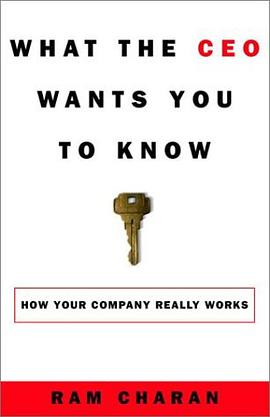
What the CEO Wants You to Know [图书] 豆瓣
The universal laws of business success . . . no matter whether you are selling fruit from a stand or running a Fortune 500 company.
Have you ever noticed that the business savvy of the world's best CEOs seems like a kind of street smarts? They sense where the opportunities are and how to take advantage of them. And their companies make money consistently, year after year.
How different is it to run a big company than to sell fruit from a cart or run a small shop in a village? In essence, not very, according to Ram Charan. From his childhood in India, where he worked in his family's shoe shop, to his education at Harvard Business School and his daily work advising many of the world's best CEOs, Ram understands business as few can.
The best CEOs have a knack for bringing the most complex business down to the fundamentals -- the same fundamentals of the family shoe shop. They have business acumen -- the ability to focus on the basics and make money for the company.
What the CEO Wants You to Know captures these insights and explains in clear, simple language how to do what great CEOs do instinctively and persistently:
* Understand the basic building blocks of a business and use them to figure out how your company makes money and operates as a total business.
* Decide what to do, despite the clutter of day-to-day business and the complexity of the real world.
Many people spend more than a hundred thousand dollars on an MBA without learning to pull these pieces of the puzzle together. Many others lack a formal business education and feel shut out from the executive suite. What the CEO Wants You to Know takes the mystery out of business and shows the secrets of success used by business legends like Jack Welch of GE.
Have you ever noticed that the business savvy of the world's best CEOs seems like a kind of street smarts? They sense where the opportunities are and how to take advantage of them. And their companies make money consistently, year after year.
How different is it to run a big company than to sell fruit from a cart or run a small shop in a village? In essence, not very, according to Ram Charan. From his childhood in India, where he worked in his family's shoe shop, to his education at Harvard Business School and his daily work advising many of the world's best CEOs, Ram understands business as few can.
The best CEOs have a knack for bringing the most complex business down to the fundamentals -- the same fundamentals of the family shoe shop. They have business acumen -- the ability to focus on the basics and make money for the company.
What the CEO Wants You to Know captures these insights and explains in clear, simple language how to do what great CEOs do instinctively and persistently:
* Understand the basic building blocks of a business and use them to figure out how your company makes money and operates as a total business.
* Decide what to do, despite the clutter of day-to-day business and the complexity of the real world.
Many people spend more than a hundred thousand dollars on an MBA without learning to pull these pieces of the puzzle together. Many others lack a formal business education and feel shut out from the executive suite. What the CEO Wants You to Know takes the mystery out of business and shows the secrets of success used by business legends like Jack Welch of GE.