Ineko Arima — Actor (22)
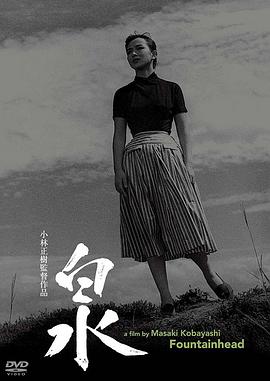
Izumi (1956) [Movie] Douban TMDB IMDb WikiData
泉
director:
Masaki Kobayashi
actor:
Ineko Arima
/
佐田启二
…
other title:
泉
/
The Spring
…
A botanist woos the secretary of an industrialist whose company threatens the local water supply.
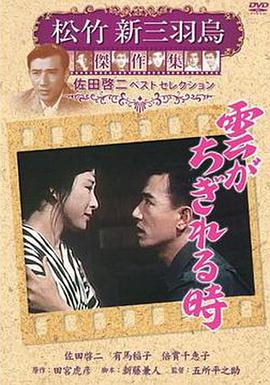
云断之时 (1961) [Movie] Douban
雲がちぎれる時
director:
Heinosuke Gosho
actor:
佐田启二
/
有马稻子
…
other title:
雲がちぎれる時
/
Kumo ga chigireru toki
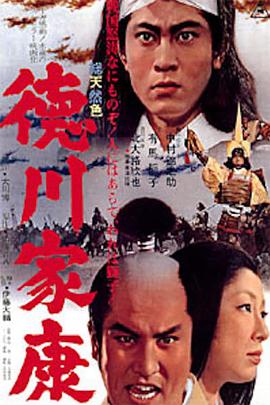
Lord Tokugawa Ieyasu (1965) [Movie] Douban TMDB IMDb WikiData
徳川家康
director:
Daisuke Itō
actor:
北大路欣也 Kinya Kitaoji
/
中村锦之助
…
other title:
德川家康
/
徳川家康
…
In turbulent 16th-century Japan, the leaders of a minor fief have their child taken from them as a political hostage. His mother and his clan endure years of tribulations until he can return.
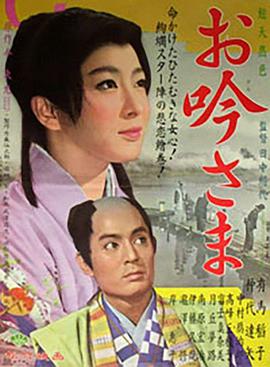
Love Under the Crucifix (1962) [Movie] WikiData IMDb Douban TMDB
お吟さま
other title:
오긴
/
お吟さま
…
The basic story in Love under the Crucifix is about Ogin, daughter of a tea master, who are both Christians in feudal Japan. Ogin falls in love with a feudal prince, also a Christian who is already married, and that creates problems. Further, when the Shogun bans Christianity, the situation worsens.
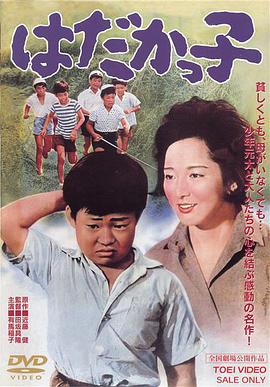
Hadakakko (1961) [Movie] Douban
はだかっ子
other title:
跑吧,孩子
/
はだかっ子
…
三浦元太は小学校六年生。父がインドネシヤで戦死したため、チンドン屋の三味線弾きやニコヨンをやっている母およしと二人で、十三軒長屋の屋根裏に住んでいる。貧しい生活にもめげず元太は明るく元気一杯だ。元太達は秋子先生の案内でユネスコ村へ写生に行った。元太は母にみせようと、父の戦死したインドネシヤの家を一心に描く優しい少年でもあった。級友久雄の犬が犬殺しに捕えられそうなのを見て、勇敢に犬殺しに向かっていったり、仲の良いひとみが腕白坊主にいじめられているのを助けたり、少年らしい正義感の持主でもあった。同じ家に住む江戸っ子肌の大工、尾沢おじさんとおばさん夫婦はそんな元太が可愛くてならず、何かとこの親子の世話をやいていた。秋子先生もこんな元太が大好きである。無理なニコヨン労働が続いておよしが病気になってしまった。そんな頃、親子討論会が開かれた。生徒からPTAへ、PTAから生徒へそれぞれの意見を述べる会であるが、元太は委員に選ばれてしまった。元太は腕っ節には自信があるがこういう席場での発言は大の苦手である。だが討論会は元太の勇気ある発言で俄然白熱化した。競輪ボス沖山後援会長が選挙にからんで長屋に住むお君さんをいじめたことを元太が暴露したからである。個人攻撃と怒った沖山は校長先生、秋子先生に喰ってかかった。秋子先生は今日の発言が全て子供達自身で考えた正しい意見であると主張した。だが、沖山には元太の発言には誰か黒幕があると思い、長屋におよしを訪ね彼女をせめた。およしはかつて沖山の世話になるという暗い過去があった。それから数日後修学旅行の日が来た。母が病床にあるため元太は旅行をあきらめ積立金を生活費に廻した。ひとみも旅行には行けなかった。二人は遊園地で一日を遊び廻り、二人だけの修学旅行と喜んだ。いつか夏が過ぎ、秋がやって来た。元太は八百米リレーの選手として、アンカーを受待った。リレーは元太の力走によって優勝した。その喜びを母に知らせようと一目散に我が家へ帰った元太は、母親およしの危篤状態を知った。「がんばれ母ちゃん、目をあけておくれよ母ちゃん」と元太の母を呼び戻す必死の叫びも空しく、母はおじさん、秋子先生に見守られて息をひきとった。元太はその通夜の晩失踪した。秋子先生は、元太の父がインドネシヤで戦死したことを思い、ユネスコ村のインドネシヤハウスに向かった。元太はこの家で思い切り泣いていた。元太は尾沢おじさん夫婦と暮すことになった。すっかり秋めいた並木道を、元太は元気一杯校門めがけて走っていくのだった。
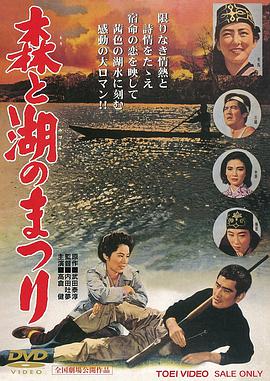
The Outsiders (1958) [Movie] Douban
森と湖のまつり
other title:
森林与湖的祭祀
/
森と湖のまつり
…
One of the major joys of writing about Japanese movies is that whenever you begin to get that tired, jaded feeling that you think you’ve seen it all and that there’s nothing left that’s ever going to set your pulse racing, you stumble across a whole previously hidden seam of movies that completely revolutionises any ideas of what Japanese cinema is. I remember getting this feeling watching the works of Hiroshi Shimizu at the 2003 Tokyo FILMeX, and I got it again at the same festival exactly one year later, during a 13-film retrospective of Tomu Uchida, which travelled to the Rotterdam Film Festival in a slimmed-down version a couple of months later.
In English-language film circles, not much is really generally known about Japanese cinema prior to the 1960s. Anderson and Richie’s The Japanese Film: Art and Industry is still the bible for those who want to find out more, but more recent non-academic publications are limited by the films that are available for viewing. It’s a catch-22 situation, which DVD is slowly overcoming. Yet still, outside of the work of a few major directors like Kurosawa and Ozu, recent releases have tended to stick with products from more recent years, more often than not focused around the twin poles of art and exploitation.
It is therefore really difficult to get any broader picture of what the industry was doing before the days of yakuza movies and Roman Porno. Yet the 1950s were the decade when the Japanese cinema had reached full maturity and cinema attendances were at a peak, the so-called Golden Age when the major companies were between them turning out around 500 films a year, all made by directors with several decades of experience behind them, at long-established studios with a large highly-trained professional team of technicians. Far from being the bastion of conservativeness that Oshima and the New Wave directors labelled it to be, I am coming to look at the decade as a vast lucky dip with some fabulous treasures still waiting to be found – such as The Outsiders, for example, an epic outdoor adventure in which an embittered Ken Takakura fights for the rights of Hokkaido’s oppressed Ainu population.
Tomu Uchida was one of those names I’d heard bandied about a lot, most often in conjunction with the film Earth (Tsuchi) made in 1939. A seminal piece of social-realism made by a director noted for his leftist inclinations, Earth focused on the harsh lives of a community of farmers at a time when rapid urbanisation was bleeding the countryside dry. It was a political film in that it confronted the swelling ranks of the emergent urban middle classes who made up the large bulk of cinema audiences with the plight of the rural poor, paralleling the release of John Ford’s adaptation of John Steinbeck’s The Grapes of Wrath in America around the same time in 1940.
Remember, long before the days of television, cinema was the only way of seeing how the other half lived, and in today’s image-saturated mass-media culture it is easy to overlook the power and immediacy of what people saw on the big screen. Uchida’s film was all the more political because it was made at the time when the lion’s share of agricultural production was being put towards Japan’s wartime expansion. Needless to say, it went bang in the face of the type of films the government was promoting at the time.
Earth was filmed over the course of a year with a documentarist’s attention to detail, taking in each of the seasons and focusing very much on man’s relationship with the soil. This approach of drawing out the realism and charting the passage of time through the use of the four seasons much later became a staple of the documentary films made by the collective centred around Shinsuke Ogawa, such as Magino Village – A Tale (Sennen Kizami no Hidokei: Magino-Mura Monogatari, 1987), or more recently in the documentary-styled fictional work of Naomi Kawase, specifically the films Suzaku and Hotaru.
Uchida’s film, by the way, is not to be confused with the German-Japanese co-production, The New Earth (Atarashii Tsuchi), directed by Mansaku Itami, the father of Tampopo director Juzo Itami. This film, released in 1941, was a nationalist propaganda work made under the instigation of Dr Arnold Fanck, the German director who sparked off the peculiar genre of the “Mountain Film” as typified by The Holy Mountain (Der Heilige Berg, recently released on DVD in the UK by Eureka). As written by Fanck, its goal was to portray “unity of the Nazi group-spirit and the racial spirit of the Japanese as opposed to the weak spirit of the democracies”, but there was conflict between the Japanese and the German creative elements throughout the production due to the way in which Fanck constantly misrepresented elements of Japanese culture in service of the film’s higher propagandist purpose (The Last Samurai, anyone?). Released overseas at the time as The Daughter of the Samurai, one of the first co-productions Japan ever made with the West thus ended up a classic textbook example of orientalist filmmaking.
Much of what has been written about Uchida’s career in the English language – basically in Anderson and Richie’s book – has focused on his pre-war career. But as the FILMeX retrospective clearly demonstrated, this was only half of the story. In 1945, the left-leaning director travelled to the formerly Japanese-occupied area of Manchuria in China to join the Manchuria Film Association, or Man’ei, and was not to come back until 1953. Upon his return he continued for almost two decades to produce a wide range of films that fit into every genre conceivable, from traditional kabuki adaptations to melodrama and yakuza movies.
The diversity of his oeuvre therefore means that getting a grip on what elements typify an Uchida picture is a difficult task, but on the evidence of The Outsiders, one of the original program that tellingly did not go over to the Rotterdam festival, perhaps it is fruitful to turn once again to the parallel with John Ford. The film’s mixture of heroic action, making full use of one of the top macho icons of its day, an expansive sense of location, masterful use of colour and composition and a focus on social injustice meted out on large sectors of the nation’s indigenous people had me thinking in terms of The Searchers. In what seems like another unlikely case of synchronicity, Ford’s film was released just two years previously in 1956.
The Outsiders is something of a revelation. It certainly looks nothing like what you’d expect from a Japanese movie made around the mid-50s, which is perhaps the reason why it is completely unknown outside of Japan. Opening with a lengthy pan across the barren mountaintops of Hokkaido, Uchida’s third film in colour, after the two parts of the jidai-geki Daibosatsu Pass (Daibosatsutoge, 1957/58) is an undeniably exhilarating visual experience, making full use of the Toeiscope widescreen format to capture Japan’s northernmost territory in all its rugged beauty. It also is of particular interest for drawing attention to the destruction of the culture and the discrimination against the indigenous Ainu people, a dwindling race faced with danger of extinction since the Japanese nation began its concerted push northwards with the government extending administration over all parts of the landmass in 1868.
Screen legend Ken Takakura is Ishitaro Kazamori, known as Byakki “the Phoenix” by the local Ainu population, as he whisks from village to village on horseback delivering supplies and educational books to the locals, an outcast Robin Hood character working for the future of his people. But Byakki’s rough methods aren’t to everyone’s tastes. Money has been going missing from the funds raised by the chairman of the Ainu Society, Dr. Ike (Kitazawa), a well-meaning “shamo” (non-Ainu) who has dedicated much of his life to researching the history and culture of Japan’s aboriginal people.
When Dr Ike brings a young landscape painter Yoshiko Saeki (Kagawa) from Tokyo with him on his field trips to sketch the local landscapes, there is initially resentment of another outsider treating the local populations as her own pet project. But Yoshiko soon befriends Mitsu (Fujisato), an Ainu girl who was jilted years ago on the eve of the holy Bekanbe Festival by her “shamo” lover who couldn’t go through with the stigma of marrying into this ostracised class. Mitsu may also hold the key to Byakki’s whereabouts.
Meanwhile, as the next Bekanbe Festival approaches, tension is growing between the Ainu and the Japanese settlers in the coastal town of Nanbetsu due to Byakki’s increasingly unruly antics. One local who steadfastly refuses to pitch in to Dr. Ike’s project is Oiwa (Mikuni), who runs the local fishery with his old father (Susukida), and runs a strict policy of not hiring any Ainu workers. Oiwa bears Byakki a particular enmity, because Byakki knows that Oiwa is living in denial, masquerading as a “shamo” and keeping his real Ainu ancestry well hidden. But Oiwa also knows a few secrets about Byakki.
Hokkaido is in many ways Japan’s northernmost frontier, its own equivalent to the Wild West, and The Outsiders, though based on the novel Mori to Mizuumi no Matsuri by Taijun Takeda, most clearly resembles an American western, a gripping action film letting forth a righteous cry against social injustice against the indigenous population and unfolding against an epic landscape. Such genre appropriations can’t be coincidental. As could be seen as early back as Uchida’s own 1933 silent, The Police Officer (Keisatsukan), which also played at FILMeX, Japanese filmmakers were certainly not above borrowing heavily from typically American staples such as the cops-and-robbers film. I can’t say whether Uchida consciously modelled his film on the western, but the crucial fact about The Outsiders is that the story makes sense and works in its own right, rather than just being noteworthy as a cross-cultural hybrid curio.
The main drawing point is of course Hokkaido itself, shot beautifully by cinematographer Shoe Nishikawa, picking out the autumnal russet-tinged hues of the majestic countryside of lakes, plains and woods, as the camera glides and tracks through a series of mainly exterior locations. But aside from this vibrant use of colour, also used to great effect in the matsuri (festival) scenes and the coloured fabrics of the traditional costumes, The Outsiders is also unique for revealing a facet of Japanese culture almost completely disregarded in its cinema. Bold, beautiful, and packing a powerful dramatic punch, there is little else quite like it. We can only hope that some adventurous DVD company will pick it up soon, because this is a film that could change people’s perceptions and prejudices about Japanese film for good. from midnighteye
In English-language film circles, not much is really generally known about Japanese cinema prior to the 1960s. Anderson and Richie’s The Japanese Film: Art and Industry is still the bible for those who want to find out more, but more recent non-academic publications are limited by the films that are available for viewing. It’s a catch-22 situation, which DVD is slowly overcoming. Yet still, outside of the work of a few major directors like Kurosawa and Ozu, recent releases have tended to stick with products from more recent years, more often than not focused around the twin poles of art and exploitation.
It is therefore really difficult to get any broader picture of what the industry was doing before the days of yakuza movies and Roman Porno. Yet the 1950s were the decade when the Japanese cinema had reached full maturity and cinema attendances were at a peak, the so-called Golden Age when the major companies were between them turning out around 500 films a year, all made by directors with several decades of experience behind them, at long-established studios with a large highly-trained professional team of technicians. Far from being the bastion of conservativeness that Oshima and the New Wave directors labelled it to be, I am coming to look at the decade as a vast lucky dip with some fabulous treasures still waiting to be found – such as The Outsiders, for example, an epic outdoor adventure in which an embittered Ken Takakura fights for the rights of Hokkaido’s oppressed Ainu population.
Tomu Uchida was one of those names I’d heard bandied about a lot, most often in conjunction with the film Earth (Tsuchi) made in 1939. A seminal piece of social-realism made by a director noted for his leftist inclinations, Earth focused on the harsh lives of a community of farmers at a time when rapid urbanisation was bleeding the countryside dry. It was a political film in that it confronted the swelling ranks of the emergent urban middle classes who made up the large bulk of cinema audiences with the plight of the rural poor, paralleling the release of John Ford’s adaptation of John Steinbeck’s The Grapes of Wrath in America around the same time in 1940.
Remember, long before the days of television, cinema was the only way of seeing how the other half lived, and in today’s image-saturated mass-media culture it is easy to overlook the power and immediacy of what people saw on the big screen. Uchida’s film was all the more political because it was made at the time when the lion’s share of agricultural production was being put towards Japan’s wartime expansion. Needless to say, it went bang in the face of the type of films the government was promoting at the time.
Earth was filmed over the course of a year with a documentarist’s attention to detail, taking in each of the seasons and focusing very much on man’s relationship with the soil. This approach of drawing out the realism and charting the passage of time through the use of the four seasons much later became a staple of the documentary films made by the collective centred around Shinsuke Ogawa, such as Magino Village – A Tale (Sennen Kizami no Hidokei: Magino-Mura Monogatari, 1987), or more recently in the documentary-styled fictional work of Naomi Kawase, specifically the films Suzaku and Hotaru.
Uchida’s film, by the way, is not to be confused with the German-Japanese co-production, The New Earth (Atarashii Tsuchi), directed by Mansaku Itami, the father of Tampopo director Juzo Itami. This film, released in 1941, was a nationalist propaganda work made under the instigation of Dr Arnold Fanck, the German director who sparked off the peculiar genre of the “Mountain Film” as typified by The Holy Mountain (Der Heilige Berg, recently released on DVD in the UK by Eureka). As written by Fanck, its goal was to portray “unity of the Nazi group-spirit and the racial spirit of the Japanese as opposed to the weak spirit of the democracies”, but there was conflict between the Japanese and the German creative elements throughout the production due to the way in which Fanck constantly misrepresented elements of Japanese culture in service of the film’s higher propagandist purpose (The Last Samurai, anyone?). Released overseas at the time as The Daughter of the Samurai, one of the first co-productions Japan ever made with the West thus ended up a classic textbook example of orientalist filmmaking.
Much of what has been written about Uchida’s career in the English language – basically in Anderson and Richie’s book – has focused on his pre-war career. But as the FILMeX retrospective clearly demonstrated, this was only half of the story. In 1945, the left-leaning director travelled to the formerly Japanese-occupied area of Manchuria in China to join the Manchuria Film Association, or Man’ei, and was not to come back until 1953. Upon his return he continued for almost two decades to produce a wide range of films that fit into every genre conceivable, from traditional kabuki adaptations to melodrama and yakuza movies.
The diversity of his oeuvre therefore means that getting a grip on what elements typify an Uchida picture is a difficult task, but on the evidence of The Outsiders, one of the original program that tellingly did not go over to the Rotterdam festival, perhaps it is fruitful to turn once again to the parallel with John Ford. The film’s mixture of heroic action, making full use of one of the top macho icons of its day, an expansive sense of location, masterful use of colour and composition and a focus on social injustice meted out on large sectors of the nation’s indigenous people had me thinking in terms of The Searchers. In what seems like another unlikely case of synchronicity, Ford’s film was released just two years previously in 1956.
The Outsiders is something of a revelation. It certainly looks nothing like what you’d expect from a Japanese movie made around the mid-50s, which is perhaps the reason why it is completely unknown outside of Japan. Opening with a lengthy pan across the barren mountaintops of Hokkaido, Uchida’s third film in colour, after the two parts of the jidai-geki Daibosatsu Pass (Daibosatsutoge, 1957/58) is an undeniably exhilarating visual experience, making full use of the Toeiscope widescreen format to capture Japan’s northernmost territory in all its rugged beauty. It also is of particular interest for drawing attention to the destruction of the culture and the discrimination against the indigenous Ainu people, a dwindling race faced with danger of extinction since the Japanese nation began its concerted push northwards with the government extending administration over all parts of the landmass in 1868.
Screen legend Ken Takakura is Ishitaro Kazamori, known as Byakki “the Phoenix” by the local Ainu population, as he whisks from village to village on horseback delivering supplies and educational books to the locals, an outcast Robin Hood character working for the future of his people. But Byakki’s rough methods aren’t to everyone’s tastes. Money has been going missing from the funds raised by the chairman of the Ainu Society, Dr. Ike (Kitazawa), a well-meaning “shamo” (non-Ainu) who has dedicated much of his life to researching the history and culture of Japan’s aboriginal people.
When Dr Ike brings a young landscape painter Yoshiko Saeki (Kagawa) from Tokyo with him on his field trips to sketch the local landscapes, there is initially resentment of another outsider treating the local populations as her own pet project. But Yoshiko soon befriends Mitsu (Fujisato), an Ainu girl who was jilted years ago on the eve of the holy Bekanbe Festival by her “shamo” lover who couldn’t go through with the stigma of marrying into this ostracised class. Mitsu may also hold the key to Byakki’s whereabouts.
Meanwhile, as the next Bekanbe Festival approaches, tension is growing between the Ainu and the Japanese settlers in the coastal town of Nanbetsu due to Byakki’s increasingly unruly antics. One local who steadfastly refuses to pitch in to Dr. Ike’s project is Oiwa (Mikuni), who runs the local fishery with his old father (Susukida), and runs a strict policy of not hiring any Ainu workers. Oiwa bears Byakki a particular enmity, because Byakki knows that Oiwa is living in denial, masquerading as a “shamo” and keeping his real Ainu ancestry well hidden. But Oiwa also knows a few secrets about Byakki.
Hokkaido is in many ways Japan’s northernmost frontier, its own equivalent to the Wild West, and The Outsiders, though based on the novel Mori to Mizuumi no Matsuri by Taijun Takeda, most clearly resembles an American western, a gripping action film letting forth a righteous cry against social injustice against the indigenous population and unfolding against an epic landscape. Such genre appropriations can’t be coincidental. As could be seen as early back as Uchida’s own 1933 silent, The Police Officer (Keisatsukan), which also played at FILMeX, Japanese filmmakers were certainly not above borrowing heavily from typically American staples such as the cops-and-robbers film. I can’t say whether Uchida consciously modelled his film on the western, but the crucial fact about The Outsiders is that the story makes sense and works in its own right, rather than just being noteworthy as a cross-cultural hybrid curio.
The main drawing point is of course Hokkaido itself, shot beautifully by cinematographer Shoe Nishikawa, picking out the autumnal russet-tinged hues of the majestic countryside of lakes, plains and woods, as the camera glides and tracks through a series of mainly exterior locations. But aside from this vibrant use of colour, also used to great effect in the matsuri (festival) scenes and the coloured fabrics of the traditional costumes, The Outsiders is also unique for revealing a facet of Japanese culture almost completely disregarded in its cinema. Bold, beautiful, and packing a powerful dramatic punch, there is little else quite like it. We can only hope that some adventurous DVD company will pick it up soon, because this is a film that could change people’s perceptions and prejudices about Japanese film for good. from midnighteye
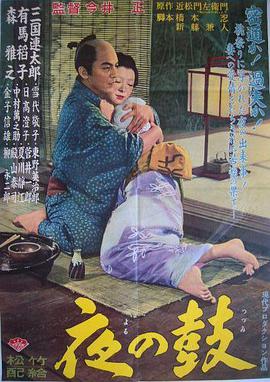
The Adulteress (1958) [Movie] Douban
夜の鼓
other title:
夜鼓
/
夜の鼓
…
鳥取藩御納戸役小倉彦九郎は、主君と共に参勤交代で在京すること一年二カ月の後、懐しの国許へ向った。彦九郎は江戸での加増を、一刻も早く家で待っている愛妻のお種にしらせようと心をはやらせた。帰国してしばらくたつと、彦九郎は何か周囲の変な様子に感づいた。義兄の政山三五平をたずねるが、妹のおゆらも、義母のお菊も、口を濁して語ろうとしない。彦九郎はそこで伯父の黒川又左衛門のところに行った。又左衛門は苦い顔をしながらお種と鼓師宮地源右衛門の不義密通が、家中に知れわたっていることを告げた。彦九郎は家にもどってお種を激しく詮議したが、彼女の目には一点の影もなかった。何事もなかったという妻の申開きに、彦九郎は安心するのだった。しかし人の噂は一向におさまらない。遂に又左衛門を中心に家族会議を開くことになった。それが終ったあと、問いつめる彦九郎に、お種は語った。彼女の実家での桃祭りの日、源右衛門を招いていた。酒を飲みすぎたお種は、以前から彼女にいい寄っている磯部床右衛門をはねつけた。刃物でおどかす床右衛門の前に屈しかけた時、近づいた人影--源右衛門は現場の口封じと、彼女自身の酒の勢いで彼に身を任してしまった。一晩中お種を責めつづけた彦九郎も、朝になって落着きをとりもどした。妻の過ちを許そうと思いなおしたが、武家社会のしきたりはそうさせなかった。死にたくないと叫び逃げるお種を、彦九郎は後から斬り殺した。京都の堀川--彦九郎が源右衛門の家の前に弟と共に立っていた。不意を衝かれた源右衛門はもろくも討れてしまう。集る群集の中で、彦九郎は「妻仇討ち」の成就を叫んだが、その頬は、何故かゆがんでいた。
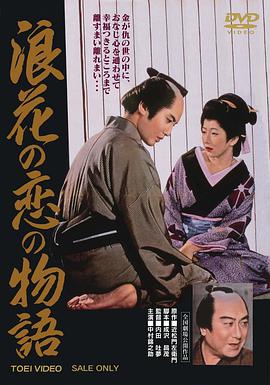
Chikamatsu's Love in Osaka (1959) [Movie] Douban TMDB IMDb WikiData
浪花の恋の物語
director:
Tomu Uchida
actor:
中村锦之助
/
Ineko Arima
…
other title:
浪花的恋爱物语
/
浪花の恋の物語
…
Chubei, the adopted son of an Osaka courier, falls desperately in love with the courtesan Umegawa. To prevent a wealthy client from purchasing her, he steals money from his employer to buy her freedom himself. Now hunted criminals, the lovers flee toward Yamato, pursued by the law.

波之塔 (1960) [Movie] Douban
波の塔
other title:
波の塔
/
Nami no tô
司法修習生の小野木喬夫は、観劇中に隣席の女性が気分を悪くしているのに気づき、医務室へ連れて行く。周囲にその女性の同伴者と思われているうちに、小野木は彼女をタクシーで送ることになり、そのまま縁が切れるのを惜しむ気持ちになる。一週間ほど経ち、小野木のもとに、名刺を渡した彼女-結城頼子から電話が来て、夕食の誘いを受ける。検事になった小野木は、その後も自分を誘ってくれた結城頼子を愛するようになるが、彼女は自分の住所もはっきり答えず、秘密めいたところがあった。気持ちを確かめようとする二人の運命は…。
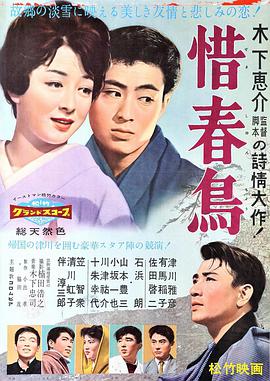
Farewell to Spring (1959) [Movie] Douban TMDB IMDb WikiData
惜春鳥
director:
Keisuke Kinoshita
actor:
佐田启二
/
Ineko Arima
…
other title:
惜春鸟
/
惜春鳥
…
Five longtime friends get back together, but are disappointed to find that their bonds are not as strong as they once were.
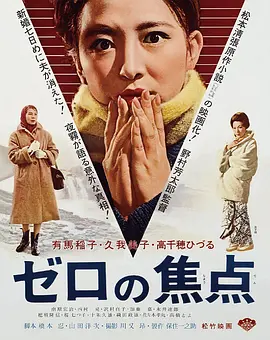
Zero Focus (1961) [Movie] Douban TMDB IMDb WikiData
ゼロの焦点
other title:
零的焦点
/
ゼロの焦点
…
One week into newlywed Teiko Uhara's marriage, her husband, Kenichi, leaves on a short business trip and never returns. Teiko travels across Japan to search for him, and along the way discovers some surprising facts about her husband's past. With only a pair of old photographs among his belongings to go off of, Teiko tries to figure out what has happened to him.

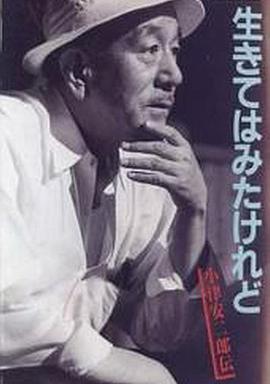
I Lived, But... (1983) [Movie] Douban
生きてはみたけれど 小津安二郎伝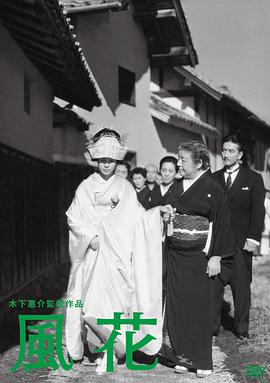
Snow Flurry (1959) [Movie] Douban
風花
other title:
风花
/
風花
…
昨年帰国した岸恵子のために、「この天の虹」の木下恵介が書下し監督した農村メロドラマ。撮影は「この天の虹」の楠田浩之、音楽は「悪女の季節」の木下忠司の担当。出演は前記「雪国(1957)」(東宝)以来久々の岸恵子・それに加えてにんじん・くらぶの「春を待つ人々」の有馬稲子、「この天の虹」の久我美子。ほかに笠智衆、川津祐介、井川邦子ら木下学校の人々の出演。
あらすじ
信濃川の流れが山々の間を通り抜けると信州善光寺平である。県道に添った名倉家で結婚式が行われ、花嫁のさくら、祖母トミ、兄夫婦はやがて車に分乗して出発していった。見送っていた春子は息子の捨雄の姿が見えないのに気づいた。胸さわぎを覚え、川辺へ向って駈け出した。土手の上まで来て立ちすくんだ。捨雄が水を蹴って深みに向っているのを見たのだ。彼女は夢中で追いすがった。--十八年前、春子は十七歳で、小作人の娘だった。彼女が大地主の次男英雄と抱き合ったまま飛び込んだのもこの川なのだ。この許されぬ恋の決算は英雄が死に彼女だけが生き残ることになった。怒った英雄の父は骨壺を川に叩きつけ、春子の父は自殺した。一人ぼっちで身重の春子は村人から白眼視され、つらい日々を送った。外聞を気にした名倉家も、下僕弥吉の熱心な口利きで彼女を引き取り、子供を生ませた。子は捨雄と名づけられた。英雄の父夫婦は母子を迫害した。名倉家には、死んだ英雄の兄夫婦に、その一人娘で捨雄より七つ年上のさくらがいた。彼女だけが捨雄を可愛がり、いつか彼も淡い恋心を抱くようになっていた。その頃、さくらの結婚が決った。彼も心から彼女を祝った。--女学校時代の親友乾幸子が訪ねて来た。彼女は学校を出るとすぐ東京へ出て行った。それをさくらはどんなに羨んだことだろう。幸子は画家と結婚して貧乏していた。「私、幸せだと思っているの、恥をしのんで借金をしに来ても、私はある人を愛している」--彼女の帰った後さくらは今までの虚ろな生活を救っていたのは捨雄の清らかな愛情だったと改めて気づいたのだ。その記憶を胸に新しい人生へ出発しようと決意した。結婚前のある夜二人は家を抜け出て川辺で会った。純愛の記念に拾雄は舞扇を貰った。--それを持って捨雄は深みへ進んでいく。母は息子の名を呼び、彼は思い止まった。悲しみがよくわかった。母は息子と共に新しい生活をめざして今こそ名倉家を去るつもりだといった。--川のそばで旅支度の親子二人が黙祷していた。風花がしきりに散った。
あらすじ
信濃川の流れが山々の間を通り抜けると信州善光寺平である。県道に添った名倉家で結婚式が行われ、花嫁のさくら、祖母トミ、兄夫婦はやがて車に分乗して出発していった。見送っていた春子は息子の捨雄の姿が見えないのに気づいた。胸さわぎを覚え、川辺へ向って駈け出した。土手の上まで来て立ちすくんだ。捨雄が水を蹴って深みに向っているのを見たのだ。彼女は夢中で追いすがった。--十八年前、春子は十七歳で、小作人の娘だった。彼女が大地主の次男英雄と抱き合ったまま飛び込んだのもこの川なのだ。この許されぬ恋の決算は英雄が死に彼女だけが生き残ることになった。怒った英雄の父は骨壺を川に叩きつけ、春子の父は自殺した。一人ぼっちで身重の春子は村人から白眼視され、つらい日々を送った。外聞を気にした名倉家も、下僕弥吉の熱心な口利きで彼女を引き取り、子供を生ませた。子は捨雄と名づけられた。英雄の父夫婦は母子を迫害した。名倉家には、死んだ英雄の兄夫婦に、その一人娘で捨雄より七つ年上のさくらがいた。彼女だけが捨雄を可愛がり、いつか彼も淡い恋心を抱くようになっていた。その頃、さくらの結婚が決った。彼も心から彼女を祝った。--女学校時代の親友乾幸子が訪ねて来た。彼女は学校を出るとすぐ東京へ出て行った。それをさくらはどんなに羨んだことだろう。幸子は画家と結婚して貧乏していた。「私、幸せだと思っているの、恥をしのんで借金をしに来ても、私はある人を愛している」--彼女の帰った後さくらは今までの虚ろな生活を救っていたのは捨雄の清らかな愛情だったと改めて気づいたのだ。その記憶を胸に新しい人生へ出発しようと決意した。結婚前のある夜二人は家を抜け出て川辺で会った。純愛の記念に拾雄は舞扇を貰った。--それを持って捨雄は深みへ進んでいく。母は息子の名を呼び、彼は思い止まった。悲しみがよくわかった。母は息子と共に新しい生活をめざして今こそ名倉家を去るつもりだといった。--川のそばで旅支度の親子二人が黙祷していた。風花がしきりに散った。
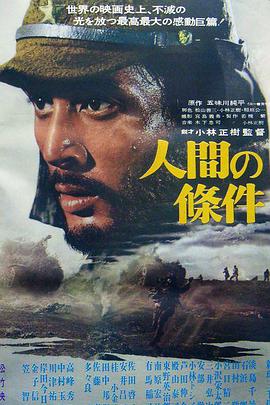
The Human Condition I: No Greater Love (1959) [Movie] Douban IMDb TMDB WikiData Skybridge
人間の條件
other title:
인간의 조건
/
人間の條件
…
After handing in a report on the treatment of Chinese colonial labor, Kaji is offered the post of labor chief at a large mining operation in Manchuria, which also grants him exemption from military service. He accepts, and moves to Manchuria with his newly-wed wife Michiko, but when he tries to put his ideas of more humane treatment into practice, he finds himself at odds with scheming officials, cruel foremen, and the military police.
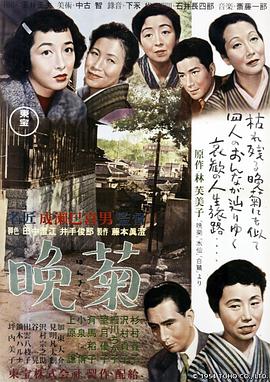
Late Chrysanthemums (1954) [Movie] Douban IMDb WikiData TMDB
晩菊
other title:
晚菊
/
Bangiku
…
With delicate, unobtrusive strokes, Naruse evokes both the humor and bitterness of his characters’ dilemmas, in this bleak, compelling poignant portrait of a quartet of aging geishas contemplating their troubles with men and money.