尤里斯·伊文思 — 导演 (30)
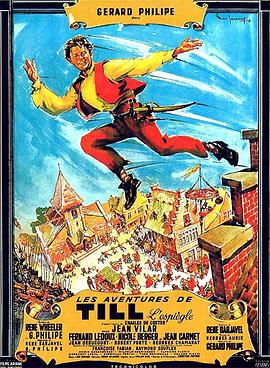
乌兰斯匹格传奇 (1956) [电影] 豆瓣
Les Aventures de Till l'espiègle
导演:
Gérard Philipe
/
Joris Ivens
演员:
Gérard Philipe
/
Jean Vilar
…
其它标题:
Les Aventures de Till l'espiègle
/
传奇英雄
…
乌兰斯匹格滑稽多智,疾恶如仇,倜傥不羁。其父被西班牙统治者迫害致死,身负血海深仇的他为了民族解放和信仰自由顽强斗争。
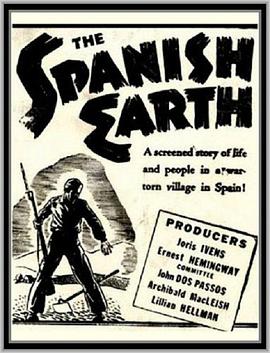
西班牙土地 (1937) [电影] 豆瓣
The Spanish Earth
导演:
尤里斯·伊文思
演员:
曼努埃尔·阿扎尼亚·迪亚斯
/
José Díaz
…
其它标题:
The Spanish Earth
伊文思(1898~1989)
Ivens,Joris
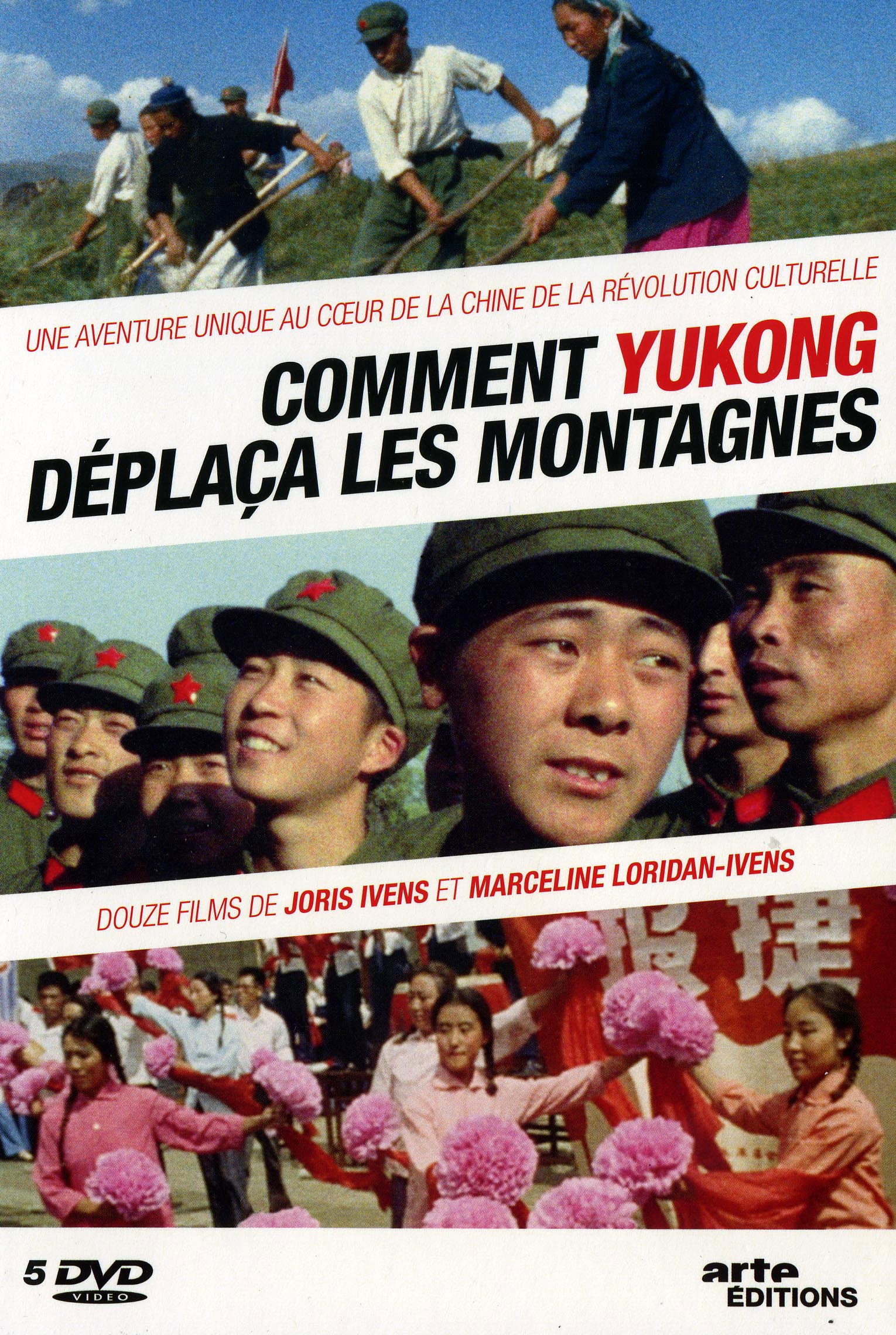
荷兰电影导演。1898年11月18日生于奈梅亨 ,1989年6月28日卒于巴黎。1927年创办荷兰第一个电影俱乐部。在先锋派电影的影响下,他早期影片带有抒情的唯美主义倾向 ,如《桥》、《雨》等。1930年摄制了表现荷兰人民填海造田的著名纪录片《须德海》。此后,在世界各地拍摄纪录片 ,如纪录比利时煤矿工人大罢工的《博里纳日》、反映西班牙战争的《西班牙的土地》、表现中国抗日战争的《四万万人民》和纪录第二次世界大战的《认识你的敌人:日本》等 。战后,在苏联、波兰、巴西、中国、法国、意大利、马里 、古巴、越南等国拍摄了大量纪录片,如《和平一定在全世界胜利》、《世界青年联欢节》、《激流之歌》、《五支歌》、《塞纳河畔》、《天空、土地》、《愚公移山》等。由于他在世界各地拍片,故有“飞行的荷兰人”之称。1946年因拍摄澳大利亚工人拒绝为荷兰船只装卸武器的影片而被荷兰政府禁止出入荷兰,禁令直到1966年才撤销。1955年获得世界和平奖金,1978年英国皇家艺术学院授予他荣誉博士称号 ,1986年又获法国荣誉军团勋章。
Ivens,Joris
荷兰电影导演。1898年11月18日生于奈梅亨 ,1989年6月28日卒于巴黎。1927年创办荷兰第一个电影俱乐部。在先锋派电影的影响下,他早期影片带有抒情的唯美主义倾向 ,如《桥》、《雨》等。1930年摄制了表现荷兰人民填海造田的著名纪录片《须德海》。此后,在世界各地拍摄纪录片 ,如纪录比利时煤矿工人大罢工的《博里纳日》、反映西班牙战争的《西班牙的土地》、表现中国抗日战争的《四万万人民》和纪录第二次世界大战的《认识你的敌人:日本》等 。战后,在苏联、波兰、巴西、中国、法国、意大利、马里 、古巴、越南等国拍摄了大量纪录片,如《和平一定在全世界胜利》、《世界青年联欢节》、《激流之歌》、《五支歌》、《塞纳河畔》、《天空、土地》、《愚公移山》等。由于他在世界各地拍片,故有“飞行的荷兰人”之称。1946年因拍摄澳大利亚工人拒绝为荷兰船只装卸武器的影片而被荷兰政府禁止出入荷兰,禁令直到1966年才撤销。1955年获得世界和平奖金,1978年英国皇家艺术学院授予他荣誉博士称号 ,1986年又获法国荣誉军团勋章。
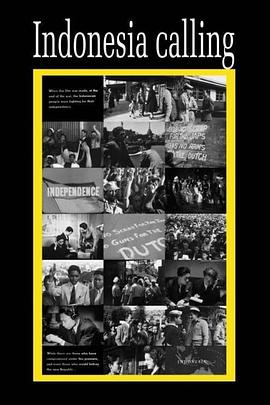
印度尼西亚在呼唤 (1946) [电影] 豆瓣
Indonesia Calling
导演:
尤里斯·伊文思
演员:
Peter Finch
其它标题:
Indonesia Calling
1946 在澳大利亚逗留期间,在悉尼的码头工人协助下,秘密拍摄《印度尼西亚在呼唤》,记述澳大利亚码头工人拒绝为荷兰船只卸装运往印度尼西亚的武器等情况。荷兰当局不仅禁映这部影片,而且借口护照问题,对伊文思采取了进入国境的“惩罚性措施”。
Appointed by the Dutch government as a Film Commissioner of the Dutch East Indies, Joris Ivens was supposed make educational and informational films and to film the liberation of Indonesia. However, when he arrived in Sydney and found out that the Dutch government had no intentions to make Indonesia an independent country, but restore the pre-war colonial situation in Indonesia, if necessary with military violence, and this being in contradiction with the information he'd been given and the Atlantic Charter treaty, Joris Ivens resigned his post and made this film. He stated that the Dutch were not working on Indonesia's independence, but on a re-colonization of it. The film is clandestinely shot in the harbours of Sydney, where the port workers unions boycot the Dutch ships filled with military supplies and summon the workers to turn down labour on these ships.
权力与土地 (1940) [电影] 豆瓣
Power and the land
导演:
Joris Ivens
演员:
威廉·亚当斯
/
斯蒂芬·文森特·贝内特
…
其它标题:
Power and the land
/
电力与土地
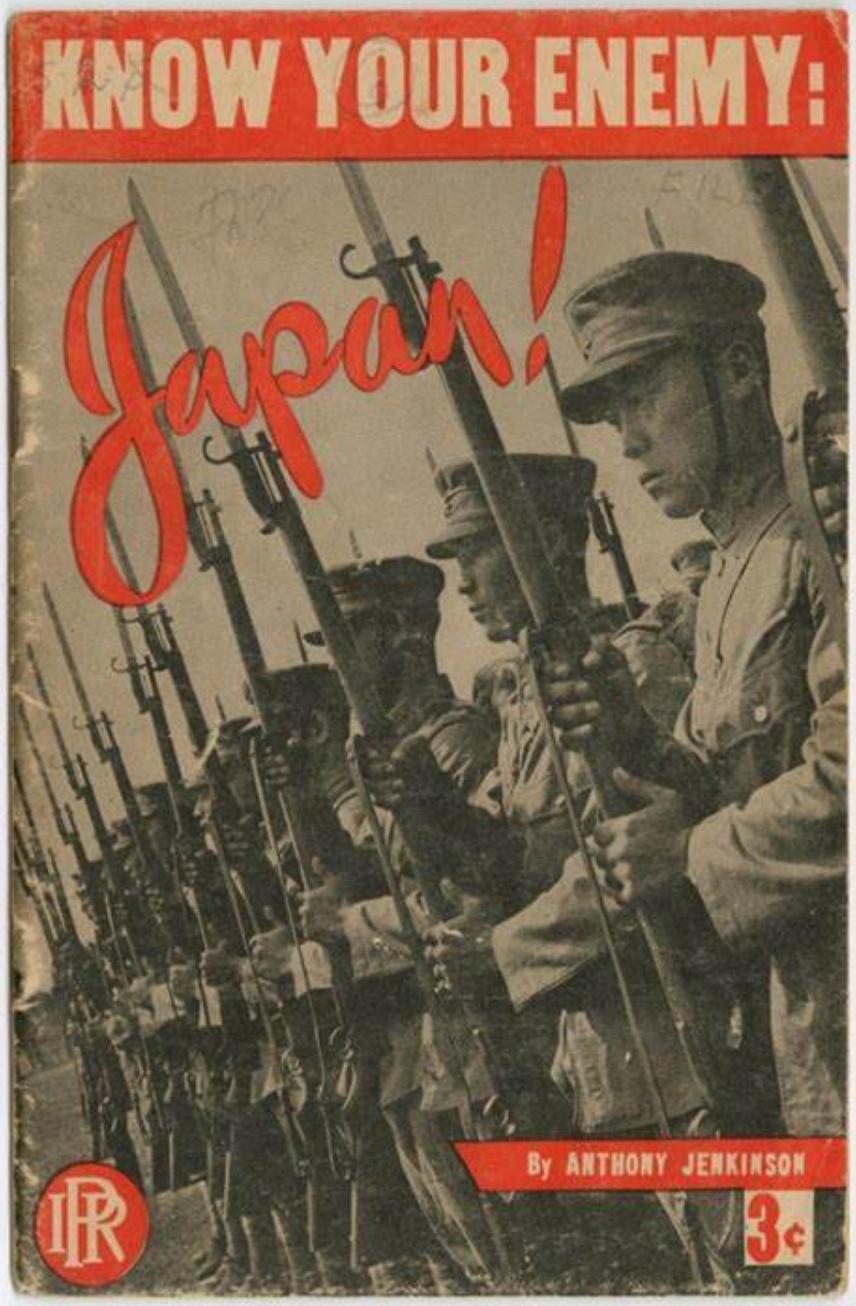
认识你的敌人日本 (1945) [电影] 豆瓣 IMDb
Know Your Enemy - Japan
其它标题:
Know Your Enemy - Japan
/
了解你的敌人—日本
…
在这个流光溢彩的历史画卷中,我们不禁想起那部充满情感和人性光辉的美国宣传片,《认识你的敌人日本》。这部电影是弗兰克·卡普拉执导的,承载着美国战争部的厚望。然而,在光芒闪耀之前,它经历了好莱坞制片人与华盛顿之间的争执,这一矛盾延误了它的完成。这部电影的初衷是让美国士兵在战火纷飞的太平洋战场上,为战争做好充分准备,以面对未知的危险与挑战。这是一份对爱国心的呼唤,是一次对士兵们的深情关怀。这个使命驱使着导演弗兰克·卡普拉,他的眼中充满了对国家的热爱和对和平的渴望。 电影的诞生充满了挫折,但它的每一帧都闪烁着坚韧和信念的火花。片中充满了对日本文化的深入探索,如同一次穿越时光的旅程,展现出了日本人民的生活、传统和价值观。情感在镜头中绽放,让观众更深入地了解了曾经的敌人。然而,命运的轮回总是充满戏剧性,电影完成后不久,战争突然结束,美国士兵最终没有前往太平洋。这部电影成为了历史的一页,但它永远铭刻在人们的心中,作为一段对和平的渴望和对人性的探寻。《认识你的敌人日本》是一部蕴含着情感和人性的史诗,它以其深刻的观察和情感充沛的表达,让我们更深刻地了解了那个时代和那个国家。 它告诉我们,即使在战争的硝烟中,人性和情感依然闪烁不灭,带着希望和梦想,追求着和平的光芒。
英雄之歌 (1932) [电影] 豆瓣
Komsomolsk
导演:
Joris Ivens
其它标题:
Komsomolsk
/
Song of Heroes
…
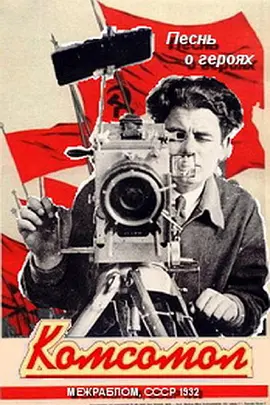
Documentary about the building of blast furnaces by the communist youth workers organisation Komsomol, constructed as part of the first five year plan of Stalin's Soviet Union. The film is set Magnitogorsk in the de Ural, where an industrial city of over 200.000 people was built in just a few years, and in the Kubas basin in Siberia. The film is a tribute to the achievements of the volunteers, the Komsomol, but does not show the dark side of history: the thousands of imprisoned Kulach doing hard labour under terrible conditions. Influenced by the Russian filmmaker Vsevolod Pudovkin, Ivens tells the story by following one non-fiction character, a non-actor, who re-enacted the scenes. this form of 'personalised story', which we would call docudrama, reappears after this first attempt in Komsomol in many Ivens films.
鹿特丹: 欧洲之港 (1966) [电影] 豆瓣
Rotterdam-Europoort
导演:
尤里斯·伊文思
演员:
伊夫·蒙当
/
Gerrit Kouwenaar
其它标题:
Rotterdam-Europoort
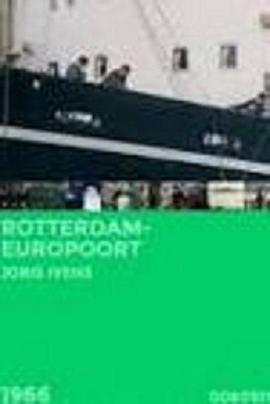
1966 被迫侨居国外20余年的伊文思被准予回到祖国荷兰,他决定拍摄一部反映港口城市鹿特丹的影片《鹿特丹—欧洲之港》。伊文思在影片中没有象一般纪录片那样表现鹿特丹港的繁忙景象而是以荷兰民间传说“飞翔的荷兰人”为主线,表现了一个具有叛逆性格的荷兰的形象。另外,他在祖国逗留期间荷兰文化大臣拟向伊文思颁发荣誉奖金,伊文思本人拒绝接受。
Instructional film about the (former) biggest harbour in the world, with a hybrid format. Well known Ivens themes are revisited, like The Flying Dutchman in the fiction part of the film, who returns to the modern day Rotterdam, that has recovered very well after the devastating bombardments in the second world war.
瓦尔帕莱索 (1964) [电影] 豆瓣 维基数据 IMDb TMDB
...A Valparaíso
其它标题:
...A Valparaíso
/
…A Valparaíso
…
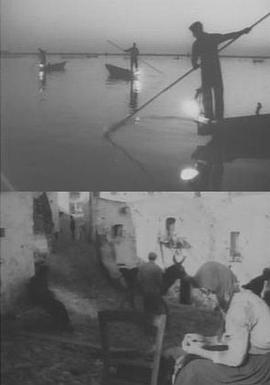
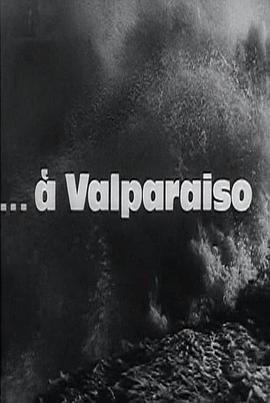
In 1962 Joris Ivens was invited to Chile for teaching and filmmaking. Together with students he made …A Valparaíso, one of his most poetic films. Contrasting the prestigious history of the seaport with the present the film sketches a portrait of the city, built on 42 hills, with its wealth and poverty, its daily life on the streets, the stairs, the rack railways and in the bars. Although the port has lost its importance, the rich past is still present in the impoverished city. The film echoes this ambiguous situation in its dialectical poetic style, interweaving the daily life reality (of 1963) with the history of the city and changing from black and white to colour, finally leaving us with hopeful perspective for the children who are playing on the stairs and hills of this beautiful town.
Le petit chapiteau (1963) [电影] 豆瓣
导演:
尤里斯·伊文思
十七度纬线 (1968) [电影] 豆瓣 TMDB IMDb 维基数据
Le 17e parallèle: La guerre du peuple
导演:
尤里斯·伊文思
/
玛索琳娜·罗尔丹·伊文思
其它标题:
Le 17e parallèle: La guerre du peuple
/
17th Parallel: Vietnam In War
…
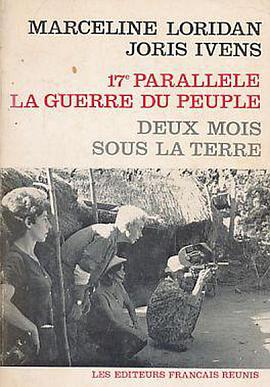
Long documentary about the everyday life in Vinh Linh and other villages near the 17th parallel, the demarcation line between North and South Vietnam. This area was bombed heavily bombarded during the Vietnam war, which forced the villagers to live partly underground. The film shows the ingenuity and the determination of the North-Vietnamese people to defend their country and their own land. The shocking but 'clean' images, the pace of the editing (to illustrate the slow pace of life in an agricultural community) and the synchronous sound of the ongoing bombardments in the background, gives this film also cinematographic importance.
The war in Vietnam, here filmed from the perspective of the people suffering from the conflict, is the subject of this documentary. Adults and children live and die, and the young are indoctrinated to refer to Americans as "pirates." An American serviceman is captured and paraded through a small village before being sent to Hanoi. The everyday lives of the Vietnamese and their struggles to survive are illustrated without propaganda, allowing the events and the camera to tell their stories. A complex labyrinth of underground tunnels contains homes, hospitals and hiding places from the barrage of bombs and gunfire.
Le 17ème Parallele (The Seventeenth Parallel) (1968) sees Ivens using light 16 mm cameras and synchronised sound for the first time, although he is still constructing his films around central characters, bending reality to the camera. But the result is a powerful account, in black and white, of life in the underground villages of the Vietnamese army, farming among the shell holes and watching for in-coming bombs. A downed US airman is paraded through the village, and children learn how to shout “hands up!” in English.
The war in Vietnam, here filmed from the perspective of the people suffering from the conflict, is the subject of this documentary. Adults and children live and die, and the young are indoctrinated to refer to Americans as "pirates." An American serviceman is captured and paraded through a small village before being sent to Hanoi. The everyday lives of the Vietnamese and their struggles to survive are illustrated without propaganda, allowing the events and the camera to tell their stories. A complex labyrinth of underground tunnels contains homes, hospitals and hiding places from the barrage of bombs and gunfire.
Le 17ème Parallele (The Seventeenth Parallel) (1968) sees Ivens using light 16 mm cameras and synchronised sound for the first time, although he is still constructing his films around central characters, bending reality to the camera. But the result is a powerful account, in black and white, of life in the underground villages of the Vietnamese army, farming among the shell holes and watching for in-coming bombs. A downed US airman is paraded through the village, and children learn how to shout “hands up!” in English.
海岸之风 (1965) [电影] 豆瓣
Le mistral
导演:
尤里斯·伊文思
演员:
罗歇·皮戈
其它标题:
Le mistral
/
Pour le mistral
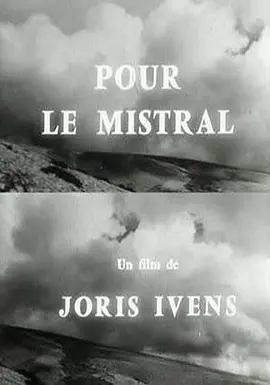
One of Joris Ivens' most poetic films is his first attempt to film the wind. With a beautiful photography, a powerful editing and a poetic commentary the film tries to make the wind visible and tangible. It starts in black and white, continues in colour and ends in cinemascope to illustrate the force of the upcoming Mistral wind that blows in the south of France. The original scenario was much more elaborate and ambitious and fits Ivens' lifelong wish to film the impossible: the wind. It was difficult to find a producer for this film, for most people were rather sceptical to finance a film with an invisible main character. Finally Claude Nedjar was willing to produce the film, which despite many financial problems was finished in 1965.
茅屋 (1911) [电影] 豆瓣
De Wigwam
其它标题:
De Wigwam
/
The Flaming Arrow
1911年,13岁的伊文思在家人的协助下拍摄了一部长200米的影片《茅屋》,只是他的第一部电影习作。
On the age of 13 Joris Ivens was fond of Cowboys and Indians stories, so he decided to invent one himself. He made a script and used a camera from his father's shop. This became his first film Wigwam, with his own family as cast. Black Eagle, a bad indian, kidnaps the daughter of a farmer's family. Flaming Arrow, played by the young Joris Ivens, saves the child from the kidnapper and brings it back to her family. No better conclusion than smoking a piece pipe.