by Alvaro Neder
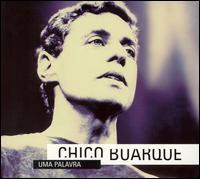
Uma Palavra is the 19th album by Chico Buarque. Subtle jazz and classical influences draw the attention, representing an ideal way for a natural modernization of Buarque's sound, even if he would prefer to stick to traditional samba. "Estação Derradeira" reflects on the problem of violence in Rio today, with a melody that challenges the modest vocal abilities of the excellent composer. "Morro Dois Irmãos" is an extremely beautiful melody, recorded by female singers who highlight the superior expressivity of the song. The samba-choro "Ela é Dançarina" is an urban chronicle of an improbable love affair. Already recorded by
Caetano Veloso
, "Samba e Amor" is a wonderful song about a Bohemian composer. Other old hits reinterpreted here are the lively samba "A Rosa," the valse "Joana Francesa," the samba-canção "Ela Desatinou," the samba "Quem Te Viu, Quem Te Vê," the densely romantic "Eu Te Amo" (from the homonymous film by
Arnaldo Jabor
), and "Vida."