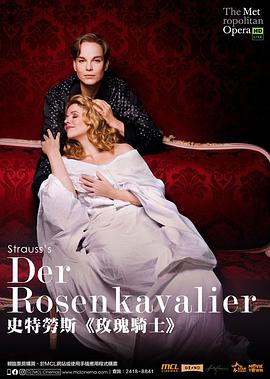
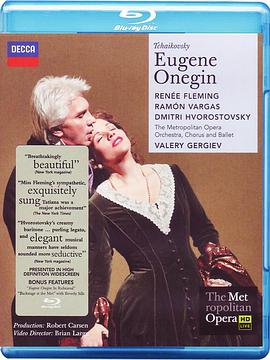
Renée Fleming — 演员 (18)
水仙女 (2014) [电影] 豆瓣
"The Metropolitan Opera HD Live" Dvorák: Rusalka
演员: Renée Fleming / Emily Magee
其它标题: "The Metropolitan Opera HD Live" Dvorák: Rusalka / 大都会歌剧院高清歌剧转播系列
天上人间 2018百老汇版 [演出] 豆瓣
所属 演出: 天上人间
语言: 英语 english 剧院: Imperial Theatre 导演: Jack O'Brien
其它标题: 2018百老汇版 编剧: Oscar Hammerstein II 作曲: Richard Rodgers 演员: Jessie Mueller / Joshua Henry
19世纪70年代的新英格兰海滨小渔村,在磨房工作的两位年轻女工下班后到村里的游乐园坐旋转木马消遣,其中一位姑娘茱利·乔丹(Julie Jordan)成为旋转木马工比利?比格罗(Billy Bigelow)的目标,在旋转木马上他一直试图跟她调情。
旋转木马主人穆林夫人(Mrs. Mullin)发现比利的不轨行经,十分生气,她警告茱利不能再靠近旋转木马,因为她竟然允许比利把手放在她腰上,穆林表示不允许这种有伤风化的事情发生在她的木马上。茱利和好友嘉利·皮泊利奇(Julie's friend)和穆林夫人争吵起来。比利赶到,最初他为穆林夫人帮腔,这里暗示了比利和穆林夫人的私情,并说明比利这个工作也是因为和穆林夫人相好才得到的。但随即发现穆林夫人不过是吃醋,于是倒戈偏向茱利,最后遭到穆林夫人解雇。种种迹象让嘉利感觉茱利对比利产生了感情,她试图问个究竟,但茱利不予正面回答。但嘉利仍然相信自己猜对了,并告诉茱利自己也有了相好:当地一位渔夫艾诺奇?斯诺(Enoch Snow)。
比利找到这两位女工,要求和茱利单独谈谈,嘉利非常担心的警告说,如果茱利晚归将会被认为是行为不检点而遭到解雇,仓皇离去。磨房主人巴斯科姆先生(Mr. Bascombe)和警察路过,发现茱利和比利单独在一起,巴斯科姆告诉她,比利是专门骗取女孩钱财的流氓,并提出带茱利以保全她的名声,茱利拒绝了,她也失业了。他们终于单独在一起聊天,两人之间产生了浓厚的激情,尽管他们都不肯在谈话中承认这一点,最后比利吻了茱利。
一个月后,已经结婚的比利和茱利前往投奔茱利的表姐内蒂·福勒(Nettie Fowler),她经营着一个海滨餐厅。一天晚上,一群水手来到餐厅准备举行一次聚会。嘉利和其他姑娘们看到热情的水兵十分兴奋,于是相互调情。内蒂为了避免他们行为过火,引领大家载歌载舞以转移他们的注意力。在大家都享受着歌舞的欢乐时,茱利却独自一人,比利和他的朋友吉格尔出去鬼混了一天,完全不见踪影。内蒂让嘉利好好的安慰茱利。
为了不让姑娘们听到茱利的伤心事,内蒂打发她们打扫聚会现场。茱利向嘉利透露,由于长期失业,比利情绪十分沮丧,有一次因为动怒还煽了她一耳光。嘉利则带来好消息,她将与斯诺先生结婚。一直在假装工作,实际偷听她们谈话的女工们冲上来热情的祝福嘉利,并想象她的婚礼是多么的漂亮。斯诺先生意外的造访他们,大家又热烈的祝福他,然后离去。
嘉利介绍茱利与自己未婚夫认识,看到朋友的婚姻幸福,联想到自己的遭遇,茱利不禁失态,倚靠在斯诺先生肩头哭泣。当她平静下来之后,比利和吉格尔一起回来,对斯诺先生恶言相向后,径直进了屋,他们的举动让茱利非常难堪。从茱利出来的路上,斯诺和嘉利开始畅想两人未来的共同生活。斯诺计划先捕鱼多赚钱,然后改行做买卖致富,和嘉利组建家庭生很多孩子。
吉格尔在比利面前炫耀单身生活的自在,并和朋友们当着他的面与姑娘们大肆调情。吉格尔怂恿比利加入他们的抢劫计划,但当听吉格尔说抢劫中会杀死受害人后,比利拒绝了。穆林夫人造访比利,当听比利说起婚姻生活的不快后,她试图劝说他回旋转木马干活。茱利碰巧听到两人的谈话,几乎和穆林吵起来。穆林离开后,茱利告诉比利自己怀孕。面对即将出世的孩子,比利十分高兴,但充分意识到自己现在的穷困处境,为了给孩子提供更好的经济保障,他决定参与抢劫。全村人准备参加大型聚会,尽管从前比利非常讨厌这样的聚会,但现在意识到这是抢劫计划的一部分,于是决定参加,让茱利非常高兴。
全村聚会上,所有人都非常高兴。吉格尔巧舌如簧的勾引嘉利,嘉利不知就里,结果被斯诺看见,吉格尔继续和她调情,斯诺生气的表示和嘉利分手。姑娘们安慰嘉利,告诉她男人都不是好东西,并劝茱利离开比利。但是茱利表示真正爱一个人,就应该在任何情况下对他不弃不离。她发现比利要和吉格尔一起离开,并发现他的口袋里藏着刀,怀着不详的预感,她试图阻拦比利,比利粗暴的把她推开,走上抢劫之路。茱利痛苦的看着比利离开。
在等待抢劫的过程中,吉格尔拉比利一起赌博,用他们即将抢劫的财富作为赌注。由于吉格尔使诈,比利把自己的那份钱输光,即使抢劫成功他也将会身无分文。抢劫目标巴斯科姆先生出现,但是他做好了充分的准备,不仅把钱藏在安全的地方还带了手枪防身,看到抢劫犯后,他举枪射击,惊动了警察。除了比利,其他人都成功逃脱,发现自己被包围,无法忍受牢狱生活的比利自杀了。等到茱利赶来,他已经咽气。
嘉利安慰茱利说也许他死去不是坏事,比利的死让斯诺和嘉利充分认识到彼此的重要,两人重归于好。穆林夫人闻讯赶来,希望看比利最后一眼,虽然全村的人都不喜欢她,但茱利答应了她的要求。穆林含泪离开后,内蒂告诉茱利要勇敢的继续生活下去。
比利来到天堂大门前,看门天使告诉他,想要进天堂,他必须平在凡间造成的痛苦。他表示自己拒绝和低级天堂官员打交道,要求直接进见上帝,接受最后的审判。天使仍然把他送回凡间,他在路上偷了一颗星星。等到回到人间时,已经是15年后,他的女儿路易丝已经长大,成为一个性格乖张的孤僻女孩,因为她的出身(抢劫犯的女儿)而受到歧视。她的生活十分痛苦。
现在已经富甲一方的斯诺先生和嘉利有了9个孩子,他自以为进入了上流社会,拒绝和茱利有更多来往,但是嘉利仍然和茱利及家人保持良好的关系,经常看望她。这天她再度造访茱利,路易丝告诉她的大儿子小艾诺奇(Enoch Jr) ,她决定到最近造访村子的嘉年华当歌舞女郎,这样就可以离开村子。小艾诺奇向她求婚,表示这样一来,她就不必背井离乡,还说他需要花很大力气才能说服父亲允许他和下层社会的姑娘结婚。路易丝非常愤怒的赶走了他,痛哭起来。
比利显身,自称是她父亲的朋友去安慰她。为了让她高兴,他把偷来的星星送给女儿。路易丝很有戒心的拒绝了礼物,比利生气的给了女儿一耳光。路易丝尖叫着进屋找妈妈,自觉无颜面对茱利,比利隐身了。于是茱利出来,除了那颗星星,什么也没看见。路易丝很惊讶的告诉母亲,尽管挨了打,却一点也不疼,那一耳光感觉更像是一个吻。茱利似乎预料到了真相,看着星星感慨万分。隐身状态下,比利向茱利表达了他的爱,但是也意识到自己的表白太迟了,自己永远无法和她共同幸福的生活了。
他来到女儿的毕业典礼上,当她接受毕业证书时,村民拒绝为她鼓掌。校长开始训话,他告诉同学们不要以父母的得失评价一个同学。同学们唱起“你永不独行”,比利在冥冥中鼓励女儿要对未来充满信心,并在茱利耳边轻声说到:“我爱你。” 茱利母女似乎感觉到比利的存在,她们由衷的感到了幸福。看到亲人们重新树立起对生活的信心,比利十分欣慰,天堂的门为他打开,他勇敢的走进去,等待他的最终审判。
费加罗的婚礼 1998年大都会歌剧团版 [演出] 豆瓣
所属 演出: 费加罗的婚礼
语言: italian 意大利语 剧团: Metropolitan Opera Orchestra 大都会歌剧团管弦乐团 ; Metropolitan Opera Chorus 大都会歌剧团合唱团 剧院: Metropolitan Opera House 大都会歌剧院 导演: Jonathan Miller
其它标题: 1998年大都会歌剧团版 编剧: Lorenzo Da Ponte 作曲: Wolfgang Amadeus Mozart 演员: Bryn Terfel / Cecilia Bartoli
The Marriage of Figaro continues the plot of The Barber of Seville several years later, and recounts a single "day of madness" (la folle journée) in the palace of Count Almaviva near Seville, Spain. Rosina is now the Countess; Dr. Bartolo is seeking revenge against Figaro for thwarting his plans to marry Rosina himself; and Count Almaviva has degenerated from the romantic youth of Barber into a scheming, bullying, skirt-chasing baritone. Having gratefully given Figaro a job as head of his servant-staff, he is now persistently trying to exercise his droit du seigneur – his right to bed a servant girl on her wedding night – with Figaro's bride-to-be, Susanna, who is the Countess's maid. He keeps finding excuses to delay the civil part of the wedding of his two servants, which is arranged for this very day. Figaro, Susanna, and the Countess conspire to embarrass the Count and expose his scheming. He retaliates by trying to compel Figaro legally to marry a woman old enough to be his mother, but it turns out at the last minute that she really is his mother. Through Figaro's and Susanna's clever manipulations, the Count's love for his Countess is finally restored.
Place: Count Almaviva's estate, Aguas-Frescas, three leagues outside Seville, Spain.
Overture
The overture is in the key of D major; the tempo marking is presto; i.e. very fast. The work is well known and often played independently as a concert piece.
Act 1
A partly furnished room, with a chair in the centre.
Figaro happily measures the space where the bridal bed will fit while Susanna tries on her wedding bonnet in front of a mirror (in the present day, a more traditional French floral wreath or a modern veil are often substituted, often in combination with a bonnet, so as to accommodate what Susanna happily describes as her wedding cappellino). (Duet: "Cinque, dieci, venti" – "Five, ten, twenty"). Figaro is quite pleased with their new room; Susanna far less so (Duettino: "Se a caso madama la notte ti chiama" – "If the Countess should call you during the night"). She is bothered by its proximity to the Count's chambers: it seems he has been making advances toward her and plans on exercising his droit du seigneur, the purported feudal right of a lord to bed a servant girl on her wedding night before her husband can sleep with her. The Count had the right abolished when he married Rosina, but he now wants to reinstate it. The Countess rings for Susanna and she rushes off to answer. Figaro, confident in his own resourcefulness, resolves to outwit the Count (Cavatina: "Se vuol ballare signor contino" – "If you want to dance, sir count").
Figaro departs, and Dr. Bartolo arrives with Marcellina, his old housekeeper. Figaro had previously borrowed a large sum of money from her, and, in lieu of collateral, had promised to marry her if unable to repay at the appointed time; she now intends to enforce that promise by suing him. Bartolo, seeking revenge against Figaro for having facilitated the union of the Count and Rosina (in The Barber of Seville), agrees to represent Marcellina pro bono, and assures her, in comical lawyer-speak, that he can win the case for her (aria: "La vendetta" – "Vengeance").
Bartolo departs, Susanna returns, and Marcellina and Susanna exchange very politely delivered sarcastic insults (duet: "Via resti servita, madama brillante" – "After you, brilliant madam"). Susanna triumphs in the exchange by congratulating her rival on her impressive age. The older woman departs in a fury.
Cherubino then arrives and, after describing his emerging infatuation with all women, particularly with his "beautiful godmother" the Countess (aria: "Non so più cosa son" – "I don't know anymore what I am"), asks for Susanna's aid with the Count. It seems the Count is angry with Cherubino's amorous ways, having discovered him with the gardener's daughter, Barbarina, and plans to punish him. Cherubino wants Susanna to ask the Countess to intercede on his behalf. When the Count appears, Cherubino hides behind a chair, not wanting to be seen alone with Susanna. The Count uses the opportunity of finding Susanna alone to step up his demands for favours from her, including financial inducements to sell herself to him. As Basilio, the music teacher, arrives, the Count, not wanting to be caught alone with Susanna, hides behind the chair. Cherubino leaves that hiding place just in time, and jumps onto the chair while Susanna scrambles to cover him with a dress.
When Basilio starts to gossip about Cherubino's obvious attraction to the Countess, the Count angrily leaps from his hiding place (terzetto: "Cosa sento!" – "What do I hear!"). He disparages the "absent" page's incessant flirting and describes how he caught him with Barbarina under the kitchen table. As he lifts the dress from the chair to illustrate how he lifted the tablecloth to expose Cherubino, he finds ... the self same Cherubino! The count is furious, but is reminded that the page overheard the Count's advances on Susanna, something that the Count wants to keep from the Countess. The young man is ultimately saved from punishment by the entrance of the peasants of the Count's estate, a preemptive attempt by Figaro to commit the Count to a formal gesture symbolizing his promise that Susanna would enter into the marriage unsullied. The Count evades Figaro's plan by postponing the gesture. The Count says that he forgives Cherubino, but he dispatches him to his own regiment in Seville for army duty, effective immediately. Figaro gives Cherubino mocking advice about his new, harsh, military life from which all luxury, and especially women, will be totally excluded (aria: "Non più andrai" – "No more gallivanting").
Act 2
A handsome room with an alcove, a dressing room on the left, a door in the background (leading to the servants' quarters) and a window at the side.
The Countess laments her husband's infidelity (aria: "Porgi, amor, qualche ristoro" – "Grant, love, some comfort"). Susanna comes in to prepare the Countess for the day. She responds to the Countess's questions by telling her that the Count is not trying to seduce her; he is merely offering her a monetary contract in return for her affection. Figaro enters and explains his plan to distract the Count with anonymous letters warning him of adulterers. He has already sent one to the Count (via Basilio) that indicates that the Countess has a rendezvous of her own that evening. They hope that the Count will be too busy looking for imaginary adulterers to interfere with Figaro and Susanna's wedding. Figaro additionally advises the Countess to keep Cherubino around. She should dress him up as a girl and lure the Count into an illicit rendezvous where he can be caught red-handed. Figaro leaves.
Cherubino arrives, sent in by Figaro and eager to co-operate. Susanna urges him to sing the song he wrote for the Countess (aria: "Voi che sapete che cosa è amor" – "You ladies who know what love is, is it what I'm suffering from?"). After the song, the Countess, seeing Cherubino's military commission, notices that the Count was in such a hurry that he forgot to seal it with his signet ring (which would be necessary to make it an official document).
Susanna and the Countess then begin with their plan. Susanna takes off Cherubino's cloak, and she begins to comb his hair and teach him to behave and walk like a woman (aria of Susanna: "Venite, inginocchiatevi" – "Come, kneel down before me"). Then she leaves the room through a door at the back to get the dress for Cherubino, taking his cloak with her.
While the Countess and Cherubino are waiting for Susanna to come back, they suddenly hear the Count arriving. Cherubino hides in the closet. The Count demands to be allowed into the room and the Countess reluctantly unlocks the door. The Count enters and hears a noise from the closet. He tries to open it, but it is locked. The Countess tells him it is only Susanna, trying on her wedding dress. At this moment, Susanna re-enters unobserved, quickly realizes what's going on, and hides behind a couch (Trio: "Susanna, or via, sortite" – "Susanna, come out!"). The Count shouts for her to identify herself by her voice, but the Countess orders her to be silent. Furious and suspicious, the Count leaves, with the Countess, in search of tools to force the closet door open. As they leave, he locks all the bedroom doors to prevent the intruder from escaping. Cherubino and Susanna emerge from their hiding places, and Cherubino escapes by jumping through the window into the garden. Susanna then takes Cherubino's former place in the closet, vowing to make the Count look foolish (duet: "Aprite, presto, aprite" – "Open the door, quickly!").
The Count and Countess return. The Countess, thinking herself trapped, desperately admits that Cherubino is hidden in the closet. The enraged Count draws his sword, promising to kill Cherubino on the spot, but when the door is opened, they both find to their astonishment only Susanna (Finale: "Esci omai, garzon malnato" – "Come out of there, you ill-born boy!"). The Count demands an explanation; the Countess tells him it is a practical joke, to test his trust in her. Shamed by his jealousy, the Count begs for forgiveness. When the Count presses about the anonymous letter, Susanna and the Countess reveal that the letter was written by Figaro, and then delivered by Basilio. Figaro then arrives and tries to start the wedding festivities, but the Count berates him with questions about the anonymous note. Just as the Count is starting to run out of questions, Antonio the gardener arrives, complaining that a man has jumped out of the window and damaged his carnations while running away. Antonio adds that he tentatively identified the running man as Cherubino, but Figaro claims it was he himself who jumped out of the window, and pretends to have injured his foot while landing. Figaro, Susanna, and the Countess attempt to discredit Antonio as a chronic drunkard whose constant inebriation makes him unreliable and prone to fantasy, but Antonio brings forward a paper which, he says, was dropped by the escaping man. The Count orders Figaro to prove he was the jumper by identifying the paper (which is, in fact, Cherubino's appointment to the army). Figaro is at a loss, but Susanna and the Countess manage to signal the correct answers, and Figaro triumphantly identifies the document. His victory is, however, short-lived: Marcellina, Bartolo, and Basilio enter, bringing charges against Figaro and demanding that he honor his contract to marry Marcellina, since he cannot repay her loan. The Count happily postpones the wedding in order to investigate the charge.
Act 3
A rich hall, with two thrones, prepared for the wedding ceremony.
The Count mulls over the confusing situation. At the urging of the Countess, Susanna enters and gives a false promise to meet the Count later that night in the garden (duet: "Crudel! perchè finora" – "Cruel girl, why did you make me wait so long"). As Susanna leaves, the Count overhears her telling Figaro that he has already won the case. Realizing that he is being tricked (recitative and aria: "Hai già vinta la causa! ... Vedrò, mentr'io sospiro" – "You've already won the case!" ... "Shall I, while sighing, see"), he resolves to punish Figaro by forcing him to marry Marcellina.
Figaro's hearing follows, and the Count's judgment is that Figaro must marry Marcellina. Figaro argues that he cannot get married without his parents' permission, and that he does not know who his parents are, because he was stolen from them when he was a baby. The ensuing discussion reveals that Figaro is Rafaello, the long-lost illegitimate son of Bartolo and Marcellina. A touching scene of reconciliation occurs. During the celebrations, Susanna enters with a payment to release Figaro from his debt to Marcellina. Seeing Figaro and Marcellina in celebration together, Susanna mistakenly believes that Figaro now prefers Marcellina to her. She has a tantrum and slaps Figaro's face. Marcellina explains, and Susanna, realizing her mistake, joins the celebration. Bartolo, overcome with emotion, agrees to marry Marcellina that evening in a double wedding (sextet: "Riconosci in questo amplesso" – "Recognize in this embrace").
All leave, before Barbarina, Antonio's daughter, invites Cherubino back to her house so they can disguise him as a girl. The Countess, alone, ponders the loss of her happiness (aria: "Dove sono i bei momenti" – "Where are they, the beautiful moments"). Meanwhile, Antonio informs the Count that Cherubino is not in Seville, but in fact at his house. Susanna enters and updates her mistress regarding the plan to trap the Count. The Countess dictates a love letter for Susanna to send to the Count, which suggests that he meet her (Susanna) that night, "under the pines". The letter instructs the Count to return the pin which fastens the letter (duet: "Sull'aria...che soave zeffiretto" – "On the breeze... What a gentle little zephyr").
A chorus of young peasants, among them Cherubino disguised as a girl, arrives to serenade the Countess. The Count arrives with Antonio and, discovering the page, is enraged. His anger is quickly dispelled by Barbarina, who publicly recalls that he had once offered to give her anything she wants in exchange for certain favors, and asks for Cherubino's hand in marriage. Thoroughly embarrassed, the Count allows Cherubino to stay.
The act closes with the double wedding, during the course of which Susanna delivers her letter to the Count (Finale: "Ecco la marcia" – "Here is the procession"). Figaro watches the Count prick his finger on the pin, and laughs, unaware that the love-note is an invitation for the Count to tryst with Figaro's own bride Susanna. As the curtain drops, the two newlywed couples rejoice.
Act 4
The garden, with two pavilions. Night.
Following the directions in the letter, the Count has sent the pin back to Susanna, giving it to Barbarina. However, Barbarina has lost it (aria: "L'ho perduta, me meschina" – "I have lost it, poor me"). Figaro and Marcellina see Barbarina, and Figaro asks her what she is doing. When he hears the pin is Susanna's, he is overcome with jealousy, especially as he recognises the pin to be the one that fastened the letter to the Count. Thinking that Susanna is meeting the Count behind his back, Figaro complains to his mother, and swears to be avenged on the Count and Susanna, and on all unfaithful wives. Marcellina urges caution, but Figaro will not listen. Figaro rushes off, and Marcellina resolves to inform Susanna of Figaro's intentions. Marcellina sings an aria lamenting that male and female wild beasts get along with each other, but rational humans can't (aria: "Il capro e la capretta" – "The billy-goat and the she-goat"). (This aria and Basilio's ensuing aria are usually omitted from performances due to their relative unimportance, both musically and dramatically; however, some recordings include them.)
Motivated by jealousy, Figaro tells Bartolo and Basilio to come to his aid when he gives the signal. Basilio comments on Figaro's foolishness and claims he was once as frivolous as Figaro was. He tells a tale of how he was given common sense by "Donna Flemma" ("Dame Prudence") and learned the importance of not crossing powerful people. (aria: "In quegli anni" – "In those years"). They exit, leaving Figaro alone. Figaro muses bitterly on the inconstancy of women (recitative and aria: "Tutto è disposto ... Aprite un po' quegli occhi" – "Everything is ready ... Open those eyes a little"). Susanna and the Countess arrive, each dressed in the other's clothes. Marcellina is with them, having informed Susanna of Figaro's suspicions and plans. After they discuss the plan, Marcellina and the Countess leave, and Susanna teases Figaro by singing a love song to her beloved within Figaro's hearing (aria: "Deh vieni, non tardar" – "Oh come, don't delay"). Figaro is hiding behind a bush and, thinking the song is for the Count, becomes increasingly jealous.
The Countess arrives in Susanna's dress. Cherubino shows up and starts teasing "Susanna" (really the Countess), endangering the plan. (Finale: "Pian pianin le andrò più presso" - "Softly, softly I'll approach her") The Count gets rid of him by striking out in the dark. His punch actually ends up hitting Figaro, but the point is made and Cherubino runs off.
The Count now begins making earnest love to "Susanna" (really the Countess), and gives her a jeweled ring. They go offstage together, where the Countess dodges him, hiding in the dark. Onstage, meanwhile, the real Susanna enters, wearing the Countess' clothes. Figaro mistakes her for the real Countess, and starts to tell her of the Count's intentions, but he suddenly recognizes his bride in disguise. He plays along with the joke by pretending to be in love with "my lady", and inviting her to make love right then and there. Susanna, fooled, loses her temper and slaps him many times. Figaro finally lets on that he has recognized Susanna's voice, and they make peace, resolving to conclude the comedy together ("Pace, pace, mio dolce tesoro" - "Peace, peace, my sweet treasure").
The Count, unable to find "Susanna", enters frustrated. Figaro gets his attention by loudly declaring his love for "the Countess" (really Susanna). The enraged Count calls for his people and for weapons: his servant is seducing his wife. (Ultima scena: "Gente, gente, all'armi, all'armi" – "Gentlemen, to arms!") Bartolo, Basilio and Antonio enter with torches as, one by one, the Count drags out Cherubino, Barbarina, Marcellina and the "Countess" from behind the pavilion.
All beg him to forgive Figaro and the "Countess", but he loudly refuses, repeating "no" at the top of his voice, until finally the real Countess re-enters and reveals her true identity. The Count, seeing the ring he had given her, realizes that the supposed Susanna he was trying to seduce was actually his wife. Ashamed and remorseful, he kneels and pleads for forgiveness himself ("Contessa perdono!" – "Countess, forgive me!"). The Countess, more kind than he ("Più docile io sono" – "I am more mild"), forgives her husband and all are contented.
唐璜 2000年大都会歌剧团版 [演出] 豆瓣
所属 演出: 唐璜
语言: italian 意大利语 剧团: Metropolitan Opera Orchestra 大都会歌剧团管弦乐团 ; Metropolitan Opera Chorus 大都会歌剧团合唱团 ; Metropolitan Opera Ballet 大都会歌剧团芭蕾舞团 剧院: Metropolitan Opera House 大都会歌剧院 导演: Franco Zeffirelli / Stephen Lawless
其它标题: 2000年大都会歌剧团版 编剧: Lorenzo Da Ponte 作曲: Wolfgang Amadeus Mozart 演员: Bryn Terfel / Ferruccio Furlanetto
Don Giovanni, a young, arrogant, and sexually promiscuous nobleman, abuses and outrages everyone else in the cast until he encounters something he cannot kill, beat up, dodge, or outwit.
Act 1
The overture begins with a thundering D minor cadence, followed by a short misterioso sequence which leads into a light-hearted D major allegro.
Scene 1 – The garden of the Commendatore
Leporello, Don Giovanni's servant, grumbles about his demanding master and daydreams about being free of him ("Notte e giorno faticar" – "Night and day I slave away"). He is keeping watch while Don Giovanni is in the Commendatore's house attempting to seduce or rape the Commendatore's daughter, Donna Anna. Don Giovanni enters the garden from inside the house, pursued by Donna Anna. Don Giovanni is masked and Donna Anna tries to hold him and to unmask him, shouting for help. (Trio: "Non sperar, se non m'uccidi, Ch'io ti lasci fuggir mai!" – "Do not hope, unless you kill me, that I shall ever let you run away!"). He breaks free and she runs off as the Commendatore enters the garden. The Commendatore blocks Don Giovanni's path and forces him to fight a duel. Don Giovanni kills the Commendatore with his sword and escapes with Leporello. Donna Anna, returning with her fiancé, Don Ottavio, is horrified to see her father lying dead in a pool of his own blood. She makes Don Ottavio swear vengeance against the unknown murderer. (Duet: "Ah, vendicar, se il puoi, giura quel sangue ognor!" – "Ah, swear to avenge that blood if you can!")
Scene 2 – A public square outside Don Giovanni's palace
Leporello tells Don Giovanni that he (Giovanni) is leading a rotten life; Don Giovanni reacts angrily. They hear a woman (Donna Elvira) singing of having been abandoned by her lover, on whom she is seeking revenge ("Ah, chi mi dice mai" – "Ah, who could ever tell me"). Don Giovanni starts to flirt with her, but it turns out he is the former lover she is seeking. The two recognize each other and she reproaches him bitterly. He shoves Leporello forward, ordering him to tell Donna Elvira the truth about him, and then hurries away.
Leporello tells Donna Elvira that Don Giovanni is not worth her feelings for him. He is unfaithful to everyone; his conquests include 640 women and girls in Italy, 231 in Germany, 100 in France, 91 in Turkey, but in Spain, 1,003 ("Madamina, il catalogo è questo" – "My dear lady, this is the catalogue"). In a frequently cut recitative, Donna Elvira vows vengeance.
Scene 3 – The open country
A marriage procession with Masetto and Zerlina enters. Don Giovanni and Leporello arrive soon after. Don Giovanni is immediately attracted to Zerlina, and he attempts to remove the jealous Masetto by offering to host a wedding celebration at his castle. On realizing that Don Giovanni means to remain behind with Zerlina, Masetto becomes angry ("Ho capito! Signor, sì" – "I understand! Yes, my lord!") but is forced to leave. Don Giovanni and Zerlina are soon alone and he immediately begins his seductive arts (Duet: "Là ci darem la mano" – "There we will entwine our hands").
Donna Elvira arrives and thwarts the seduction ("Ah, fuggi il traditor" – "Flee from the traitor!"). She leaves with Zerlina. Don Ottavio and Donna Anna enter, plotting vengeance on the still unknown murderer of Donna Anna's father. Donna Anna, unaware that she is speaking to her attacker, pleads for Don Giovanni's help. Don Giovanni, relieved that he is unrecognised, readily promises it, and asks who has disturbed her peace. Before she can answer, Donna Elvira returns and tells Donna Anna and Don Ottavio that Don Giovanni is a false-hearted seducer. Don Giovanni tries to convince Don Ottavio and Donna Anna that Donna Elvira is insane (Quartet: "Non ti fidar, o misera" – "Don't trust him, oh sad one"). As Don Giovanni leaves, Donna Anna suddenly recognizes him as her father's murderer and tells Don Ottavio the story of his intrusion, claiming that she was deceived at first because she was expecting a night visit from Don Ottavio himself, but managed to fight Don Giovanni off after discovering the imposture (long recitative exchange between Donna Anna and Don Ottavio). She repeats her demand that he avenge her and points out that he will be avenging himself as well (aria: "Or sai chi l'onore Rapire a me volse" – "Now you know who wanted to rob me of my honour"). In the Vienna version, Don Ottavio, not yet convinced (Donna Anna having only recognised Don Giovanni's voice, not seen his face), resolves to keep an eye on his friend ("Dalla sua pace la mia dipende" – "On her peace my peace depends").
Leporello informs Don Giovanni that all the guests of the peasant wedding are in Don Giovanni's house and that he distracted Masetto from his jealousy, but that Zerlina, returning with Donna Elvira, made a scene and spoiled everything. However, Don Giovanni remains cheerful and tells Leporello to organize a party and invite every girl he can find. (Don Giovanni's "Champagne Aria": "Fin ch'han dal vino calda la testa" – "Till they are tipsy"). They hasten to his palace.
Scene 4 – A garden outside Don Giovanni's palace
Zerlina follows the jealous Masetto and tries to pacify him ("Batti, batti o bel Masetto" – "Beat, O beat me, handsome Masetto"), but just as she manages to persuade him of her innocence, Don Giovanni's voice from offstage startles and frightens her. Masetto hides, resolving to see for himself what Zerlina will do when Don Giovanni arrives. Zerlina tries to hide from Don Giovanni, but he finds her and attempts to continue the seduction, until he stumbles upon Masetto's hiding place. Confused but quickly recovering, Don Giovanni reproaches Masetto for leaving Zerlina alone, and returns her temporarily to him. Don Giovanni then leads both offstage to his ballroom. Three masked guests – the disguised Don Ottavio, Donna Anna, and Donna Elvira – enter the garden. From a balcony, Leporello invites them to his master's party. They accept the invitation and Leporello leaves the balcony. Alone, Don Ottavio and Donna Anna pray for protection, Donna Elvira for vengeance (Trio: "Protegga il giusto cielo" – "May the just heavens protect us").
Scene 5 – Don Giovanni's ballroom
As the merriment, featuring three separate chamber orchestras on stage, proceeds, Leporello distracts Masetto by dancing with him, while Don Giovanni leads Zerlina offstage to a private room and tries to assault her. When Zerlina screams for help, Don Giovanni drags Leporello onstage from the room, accuses Leporello of assaulting Zerlina himself, and threatens to kill him. The others are not fooled. Don Ottavio produces a pistol and points it at Don Giovanni, and the three guests unmask and declare that they know all. But despite being denounced and menaced from all sides, Don Giovanni remains calm and escapes – for the moment.
Act 2
Scene 1 – Outside Donna Elvira's house
Leporello threatens to leave Don Giovanni, but his master calms him with a peace offering of money (Duet: "Eh via buffone" – "Go on, fool"). Wanting to seduce Donna Elvira's maid, and believing that she will trust him better if he appears in lower-class clothes, Don Giovanni orders Leporello to exchange cloak and hat with him. Donna Elvira comes to her window (Trio: "Ah taci, ingiusto core" – "Ah, be quiet unjust heart"). Seeing an opportunity for a game, Don Giovanni hides and sends Leporello out in the open wearing Don Giovanni's cloak and hat. From his hiding place Don Giovanni sings a promise of repentance, expressing a desire to return to her and threatening to kill himself if she does not take him back, while Leporello poses as Don Giovanni and tries to keep from laughing. Donna Elvira is convinced and descends to the street. Leporello, continuing to pose as Don Giovanni, leads her away to keep her occupied while Don Giovanni serenades her maid with his mandolin. ("Deh, vieni alla finestra" – "Ah, come to the window").
Before Don Giovanni can complete his seduction of the maid, Masetto and his friends arrive, looking for Don Giovanni in order to kill him. Don Giovanni poses as Leporello (whose clothes he is still wearing) and joins the posse, pretending that he also hates Don Giovanni. After cunningly dispersing Masetto's friends (Don Giovanni aria: "Metà di voi qua vadano" – "Half of you go this way. the others, go that way"), Don Giovanni takes Masetto's weapons away, beats him up, and runs off, laughing. Zerlina arrives and consoles the bruised and battered Masetto ("Vedrai carino" – "You'll see, dear one").
Scene 2 – A dark courtyard
Leporello abandons Donna Elvira. (Sextet: "Sola, sola in buio loco" – "All alone in this dark place"). As he tries to escape, he bumps into Don Ottavio and Donna Anna. Zerlina and Masetto also enter the scene. Everyone mistakes Leporello for Don Giovanni, whose clothes he is still wearing. They surround Leporello and threaten to kill him. Donna Elvira tries to protect the man who she thinks is Don Giovanni, claiming that he is her husband and begging the others to spare him. Leporello takes off Don Giovanni's cloak and reveals his true identity. He begs for mercy and, seeing an opportunity, runs off (Leporello aria: "Ah pietà signori miei" – "Ah, have mercy, my lords"). Don Ottavio is now convinced that Don Giovanni is the one who murdered Donna Anna's father (the deceased Commendatore). He swears vengeance ("Il mio tesoro" – "My treasure" – though in the Vienna version this was cut).
In the Vienna production of the opera, Zerlina follows Leporello and recaptures him. Threatening him with a razor, she ties him to a stool. He attempts to sweet-talk her out of hurting him. (Duet: "Per queste tue manine" – "For these hands of yours"). Zerlina goes to find Masetto and the others; Leporello escapes again before she returns. This scene, marked by low comedy, is rarely performed today. Also in the Vienna production, Donna Elvira is still furious at Don Giovanni for betraying her, but she also feels sorry for him. ("Mi tradì quell'alma ingrata" – "That ungrateful wretch betrayed me").
Scene 3 – A graveyard with the statue of the Commendatore.
Don Giovanni wanders into a graveyard. Leporello happens along and the two are reunited. Leporello tells Don Giovanni of his brush with danger, and Don Giovanni laughingly taunts him, saying that he took advantage of his disguise as Leporello by trying to seduce one of Leporello's girlfriends. The voice of the statue interrupts and warns Don Giovanni that his laughter will not last beyond sunrise. At the command of his master, Leporello reads the inscription upon the statue's base: "Here am I waiting for revenge against the scoundrel who killed me" (Dell'empio che mi trasse al passo estremo qui attendo la vendetta). The servant trembles, but Don Giovanni scornfully orders him to invite the statue to dinner, and threatens to kill him if he does not. Leporello makes several attempts to invite the statue to dinner but is too frightened to complete the invitation (Duet: "O, statua gentilissima" – "Oh most noble statue"). Don Giovanni invites the statue to dinner himself. Much to his surprise, the statue nods its head and responds affirmatively.
Scene 4 – Donna Anna's room
Don Ottavio pressures Donna Anna to marry him, but she thinks it is inappropriate so soon after her father's death. He accuses her of being cruel, and she assures him that she loves him, and is faithful ("Non mi dir" – "Tell me not").
Scene 5 – Don Giovanni's chambers
Don Giovanni revels in the luxury of a great meal, served by Leporello, and musical entertainment during which the orchestra plays music from popular (at the time) late-18th-century operas: "O quanto un sì bel giubilo" from Vicente Martín y Soler's Una cosa rara (1786), "Come un agnello" from Giuseppe Sarti's Fra i due litiganti il terzo gode (1782) and finally, "Non più andrai" from Mozart's own The Marriage of Figaro (1786). Leporello complains that he is sick and tired of hearing Mozart's aria everywhere all the time. (Finale "Già la mensa preparata" – "Already the table is prepared"). Donna Elvira enters, saying that she no longer feels resentment against Don Giovanni, only pity for him. ("L'ultima prova dell'amor mio" – "The final proof of my love"). Don Giovanni, surprised, asks what she wants, and she begs him to change his life. Don Giovanni taunts her and then turns away, praising wine and women as the "support and glory of humankind" (sostegno e gloria d'umanità). Hurt and angry, Donna Elvira gives up and leaves. Offstage, she screams in sudden terror. Don Giovanni orders Leporello to see what has upset her; when he does, he also cries out, and runs back into the room, stammering that the statue has appeared as promised. An ominous knocking sounds at the door. Leporello, paralyzed by fear, cannot answer it, so Don Giovanni opens it himself, revealing the statue of the Commendatore. With the rhythmic chords of the overture, now reharmonized with diabolic diminished sevenths accompanying the Commendatore ("Don Giovanni! A cenar teco m'invitasti" – "Don Giovanni! You invited me to dine with you"), the statue offers a last chance to repent, but Don Giovanni adamantly refuses. The statue disappears and Don Giovanni cries out in pain and terror as he is surrounded by a chorus of demons, who carry him down to Hell. Leporello, watching from under the table, also cries out in fear.
Donna Anna, Don Ottavio, Donna Elvira, Zerlina, and Masetto arrive, searching for the villain. They find instead Leporello hiding under the table, shaken by the supernatural horror he has witnessed. He assures them that no one will ever see Don Giovanni again. The remaining characters announce their plans for the future: Donna Anna and Don Ottavio will marry when Donna Anna's year of mourning is over; Donna Elvira will withdraw from society for the rest of her life; Zerlina and Masetto will finally go home for dinner; and Leporello will go to the tavern to find a better master.
The concluding ensemble delivers the moral of the opera – "Such is the end of the evildoer: the death of a sinner always reflects his life" ("Questo è il fin di chi fa mal, e de' perfidi la morte alla vita è sempre ugual"). As mentioned above, the final ensemble was customarily omitted from productions for over a century beginning with the original run in Prague, but it started to be performed again frequently in the 20th century and is now is usually included in productions of the opera. The return to D major and the innocent simplicity of the last few bars conclude the opera.
泰伊斯 2008年大都会歌剧团版 [演出] 豆瓣
所属 演出: 泰伊斯
语言: 法语 french 剧团: Metropolitan Opera Orchestra 大都会歌剧团管弦乐团 ; Metropolitan Opera Chorus 大都会歌剧团合唱团 剧院: Metropolitan Opera House 大都会歌剧院 导演: John Cox
其它标题: 2008年大都会歌剧团版 编剧: Louis Gallet 作曲: Jules Massenet 演员: Renée Fleming / Thomas Hampson
Act 1
Scene 1
A group of Cenobite monks go about their daily business. Athanaël, the most rigorous ascetic of them all, enters and confesses to the senior monk, Palémon, that he has lately been disturbed by visions of a courtesan and priestess of Venus named Thaïs, whom he had seen many years ago in his native city of Alexandria. Believing these visions to be a sign from God, he resolves, against Palémon's advice, to return to Alexandria, convert Thaïs to Christianity, and persuade her to enter a convent.
Scene 2
Athanaël arrives in Alexandria and visits his old friend Nicias, a wealthy voluptuary. Nicias welcomes him with open arms and reveals himself to be Thaïs's current lover. Upon hearing Athanaël's plan, he laughs and warns him that the revenge of Venus can be terrible. Nevertheless, he procures clothing for his friend in preparation for a feast that evening at which Thaïs will appear. His slaves, Crobyle and Myrtale, dress Athanaël and mock his prudery.
The feast begins. Thaïs arrives and sings a bittersweet love duet with Nicias: this is their last night together. She then asks him about Athanaël, who overhears her and tells her that he has come to teach her "contempt for the flesh and love of pain." Not tempted by this proposition, she offends his sense of propriety with a seductive song. He leaves, angrily promising to come back later, while she taunts him with a parting shot: "Dare to come, you who defy Venus!" and begins to disrobe as the curtain falls.
Act 2
Scene 1
Exhausted after the feast, Thaïs expresses dissatisfaction with her empty life and muses on the fact that one day, old age will destroy her beauty. Athanaël enters at this vulnerable moment, praying to God to conceal her beauty from him. He tells her that he loves her according to the spirit rather than the flesh, and that his love will last forever instead of a single night. Intrigued, she asks him to teach her the ways of this love. He nearly succumbs to her physical charm, but succeeds in explaining to her that if she converts, she will gain eternal life. She nearly succumbs to his eloquence, but then reasserts her nihilistic worldview and drives him away. However, after a long meditation she changes her mind.
Scene 2
Thaïs has joined Athanaël and resolved to follow him into the desert. He orders her to burn down her house and possessions in order to destroy all traces of her wicked past. She agrees, but asks if she can keep a statuette of Eros, the god of love, explaining to Athanaël that she sinned against love rather than through it. When he hears that Nicias gave it to her, however, Athanaël demands that she destroy it. Nicias appears with a group of revelers, who see Athanaël taking Thaïs away. Furious, they begin to stone him. Although Nicias is astonished at Thaïs' decision to leave, he respects it and throws handfuls of money to distract the crowd. Thaïs and Athanaël escape.
Act 3
Scene 1
Thaïs and Athanaël travel on foot through the desert. Thaïs is exhausted, but Athanaël forces her to keep going and thus do penance for her sins. They reach a spring, where Athanaël begins to feel pity rather than disgust for her, and they share a few moments of idyllic, platonic companionship as they rest. Shortly afterwards, they reach the convent where Thaïs is to stay. Placing her in the care of Mother Superior Albine, Athanaël realizes that he has accomplished his mission — and that he will never see her again.
Scene 2
The Cenobite monks express anxiety over Athanaël's asocial and morose behavior since his return from Alexandria. Athanaël enters and confesses to Palémon that he has begun to experience sexual longing for Thaïs. Palémon castigates him for having attempted to convert her in the first place. Athanaël falls into a depressed sleep and has an erotic vision of Thaïs. He tries to seize her, but she laughingly evades him. Then, a second vision tells him that Thaïs is dying.
Scene 3
Feeling that existence is worth nothing without her, he repudiates all his vows and rushes off to find her. He reaches the convent and finds her on her deathbed. He tells her that all he taught her was a lie, that "nothing is true but life and the love of human beings", and that he loves her. Blissfully unaware, she describes the heavens opening and the angels welcoming her into their midst. She dies, and Athanaël collapses in despair.
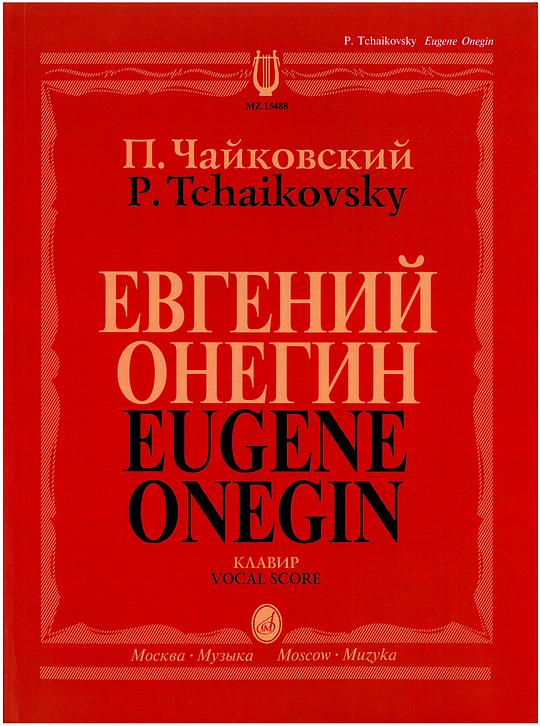
叶甫盖尼 • 奥涅金 2007年大都会歌剧团版 [演出] 豆瓣
所属 演出: 叶甫盖尼 • 奥涅金
语言: 俄语 russian 剧团: Metropolitan Opera Orchestra 大都会歌剧团管弦乐团 ; Metropolitan Opera Chorus 大都会歌剧团合唱团 ; Metropolitan Opera Ballet 大都会歌剧团芭蕾舞团 剧院: Metropolitan Opera House 大都会歌剧院 导演: Robert Carsen / Peter McClintock
其它标题: 2007年大都会歌剧团版 编剧: Pyotr Ilyich Tchaikovsky / Konstantin Shilovsky 作曲: Pyotr Ilyich Tchaikovsky 演员: Dmitri Hvorostovsky / Renée Fleming
Time: The 1820s
Place: St Petersburg and surrounding countryside
Act 1
Scene 1: The garden of the Larin country estate
Madame Larina and the nurse Filippyevna are sitting outside in the garden. They can hear Madame Larina's two daughters, Tatyana and her younger sister Olga, singing a love song. Madame Larina begins to reminisce about her own courtship and marriage. A group of peasants enter, and celebrate the harvest with songs and dances. Tatyana and Olga watch. Tatyana has been reading a romantic novel and is absorbed by the story; her carefree sister, on the other hand, wants to join in the celebrations. Madame Larina tells Tatyana that real life is very different from her novels. Filippyevna announces that visitors have arrived: Olga's fiancé Lensky, a young poet, and his friend Eugene Onegin, visiting the area from St Petersburg. The pair are shown in and Lensky introduces Onegin to the Larin family. Onegin is initially surprised that Lensky has chosen the extrovert Olga rather than her more subtle elder sister as his fiancée. Tatyana for her part is immediately and strongly attracted to Onegin. Lensky expresses his delight at seeing Olga and she responds flirtatiously. Onegin tells Tatyana of his boredom in the country and describes the death of his uncle and his subsequent inheritance of a nearby estate. Filippyevna recognizes that Onegin has had a profound effect on Tatyana.
Scene 2: Tatyana's room
Tatyana is dressed for bed. Restless and unable to sleep, she asks her nurse Filippyevna to tell her about her youth and early marriage. Tatyana confesses that she is in love. Left alone, Tatyana pours out her feelings in a letter to Onegin. She tells him that she loves him and believes that she will never feel this way about anyone else, and begs him to understand and help her. She finishes writing the letter at dawn. A shepherd's pipe is heard in the distance. Filippyevna enters the room to wake Tatyana. Tatyana persuades her to send her grandson to deliver the letter to Onegin.
Scene 3: Another part of the estate
Servant girls pick fruit and sing as they work. Tatyana waits anxiously for Onegin's arrival. Onegin enters to see Tatyana and give her his answer to her letter. He explains, not unkindly, that he is not a man who loves easily and is unsuited to marriage. He is unworthy of her love and can only offer her brotherly affection. He warns Tatyana to be less emotionally open in the future. The voices of the servant girls singing are heard again. Tatyana is crushed and unable to reply.
Act 2
Scene 1: The ballroom of the Larin house
A ball is being given in honour of Tatyana, whose name day it is. Onegin is dancing with her. He grows irritated with a group of neighbours who gossip about him and Tatyana, and with Lensky for persuading him to come to the ball. He decides to avenge himself by dancing and flirting with Olga. Lensky is astounded and becomes extremely jealous. He confronts Olga but she cannot see that she has done anything wrong and tells Lensky not to be ridiculous. Onegin asks Olga to dance with him again and she agrees, as "punishment" for Lensky's jealousy. The elderly French tutor Monsieur Triquet sings some couplets in honour of Tatyana, after which the quarrel between Lensky and Onegin becomes more intense. Lensky renounces his friendship with Onegin in front of all the guests, and challenges Onegin to a duel, which the latter is forced, with many misgivings, to accept. Tatyana collapses and the ball ends in confusion.
Scene 2: On the banks of a wooded stream, early morning
Lensky is waiting for Onegin with his second Zaretsky. Lensky reflects on his life, his fear of death and his love for Olga. Onegin arrives with his manservant Guillot. Both Lensky and Onegin are reluctant to go ahead with the duel, reflecting on the senselessness of their sudden enmity. But it is too late; neither man has the courage to stop the duel. Zaretsky gives them the signal and Onegin shoots Lensky dead.
Act 3
Scene 1: The house of a rich nobleman in St Petersburg
Five years have passed, during which Onegin has travelled extensively around Europe. Standing alone at a ball, he reflects on the emptiness of his life and his remorse over the death of Lensky. Prince Gremin enters with Tatyana, his wife, now a grand, aristocratic beauty. She is greeted by many of the guests with great deference. Onegin is taken aback when he sees Tatyana, and deeply impressed by her beauty and noble bearing. Tatyana, in turn, is overwhelmed with emotion when she recognizes him, but tries to suppress it. Gremin tells Onegin about his great happiness and love for Tatyana, and re-introduces Onegin to his wife. Onegin, suddenly injected with new life, realizes that he is in love with Tatyana. He determines to write to her and arrange a meeting.
Scene 2: A room in Prince Gremin's house
Tatyana has received Onegin's letter, which has stirred up the passion she felt for him as a young girl and disturbed her. Onegin enters. Tatyana recalls her earlier feelings and asks why Onegin is pursuing her now. Is it because of her social position? Onegin denies any cynical motivation: his passion is real and overwhelming. Tatyana, moved to tears, reflects how near they once were to happiness but nevertheless asks him to leave. He asks her to have pity. Tatyana admits she still loves Onegin, but asserts that their union can never be realized, as she is now married, and determined to remain faithful to her husband despite her true feelings. Onegin implores her to relent, but she bids him farewell forever, leaving him alone and in despair.
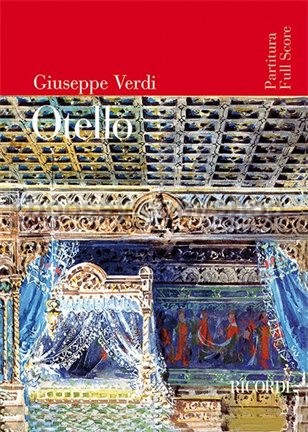
奥赛罗 2012年大都会歌剧团版 [演出] 豆瓣
所属 演出: 奥赛罗
语言: italian 意大利语 剧团: Metropolitan Opera Orchestra 大都会歌剧团管弦乐团 ; Metropolitan Opera Chorus 大都会歌剧团合唱团 剧院: Metropolitan Opera House 大都会歌剧院 导演: Elijah Moshinsky / David Kneuss
其它标题: 2012年大都会歌剧团版 编剧: Arrigo Boito 作曲: Giuseppe Verdi 演员: Johan Botha / Renée Fleming
Time: The late 16th century
Place: A coastal city on the island of Cyprus
Act 1
A town in Cyprus, outside the castle. An inn with a pergola, in the background the quayside and sea. It is evening. Lightning, thunder, gale force winds.
On a stormy evening, the people of Cyprus anxiously await the arrival of the new governor, Otello, from a naval battle with the Turks (Chorus, Montano, Cassio, Iago, Roderigo: Una vela! / "A sail!"). For a moment it seems as if Otello's ship will founder, to the delight of Otello's treacherous ensign, Iago, but Otello arrives safely and announces that the Turkish fleet has been destroyed, and the Cypriots cheer (Otello, chorus: Esultate! L'orgoglio musulmano sepolto è in mar / "Rejoice! The Muslim’s pride is buried in the sea").
Iago offers to help the young Venetian gentleman Roderigo in his seduction of Otello's wife, Desdemona – Iago envies Otello his success and longs to destroy the Moor (Iago, Roderigo: Roderigo, ebben che pensi? / "Well, Roderigo, what are you thinking?"). Among his grievances, Iago is outraged that Otello has appointed Cassio to be the captain of the navy, a position that Iago hoped to have. The people of Cyprus celebrate the safe return of Otello and his men by lighting a bonfire and drinking (Chorus: Fuoco di gioia!/ "Fire of joy").
Iago proposes a toast to Otello and his wife, while Cassio praises Desdemona (Iago, Cassio, Chorus, Roderigo: Roderigo, beviam! / "Roderigo, let's drink!"). Iago offers Cassio more wine, but Cassio says he has had enough. Iago pressures him and offers a toast to Otello and Desdemona. Cassio gives in. Iago sings a drinking song and continues to pour Cassio wine (Iago, Cassio, Roderigo, chorus: Inaffia l'ugola! / "Wet your throat").
Montano enters and calls for Cassio to begin his watch; he is surprised to find Cassio drunk and barely able to stand upright. Iago lies to Montano, telling him that this is how Cassio spends every evening. Roderigo laughs at Cassio's drunkenness and Cassio attacks him. Montano tells Cassio to calm down, but Cassio draws his sword and threatens to crack open Montano's head. (Montano, Cassio, Iago, Roderigo, chorus: Capitano, v'attende la fazione ai baluardi / "Captain, the guard awaits you on the ramparts".) Cassio and Montano begin to duel, and Iago sends Roderigo to call the alarm. Montano is wounded and the fight is stopped only by the appearance of Otello.
Otello orders Montano and Cassio to lower their swords. He then asks "honest Iago" to explain how the duel began, but Iago says he doesn't know. Otello then turns to Cassio, who is embarrassed and cannot excuse his actions. When Otello discovers that Montano is wounded, he becomes enraged. Desdemona enters, and, upon seeing that his bride's rest has been disturbed, Otello declares that Cassio is no longer Captain. (Otello, Iago, Cassio, Montano: Abbasso le spade / "Down with your swords".) He tells Iago to patrol the town to restore quiet, calls for help for Montano and orders everyone to return to their houses.
The Cypriots leave Otello alone with Desdemona. Together Otello and Desdemona recall why they fell in love. Otello, in an ecstasy of joy, invites death, fearing that he will never know such happiness again. Desdemona prays that their love will remain unchanged. They kiss, overcome with love for each other. (Otello, Desdemona: Già nella notte densa s'estingue ogni clamor /"Now in the dark night all noise is silenced".)
Act 2
A hall on the ground floor of the castle, divided by a glass partition from the garden at the back, with a balcony.
Iago suggests to Cassio that he should ask Desdemona to talk to Otello about his demotion; Desdemona can influence her husband to reinstate him (Iago, Cassio: Non ti crucciar / "Do not fret"). Desdemona and Emilia can be seen walking the garden. Cassio approaches Desdemona. Watching from the room, Iago voices his nihilistic beliefs and hatred of humankind (Credo in un Dio crudel / "I believe in a cruel God").
Otello enters the room; Iago, pretending not to notice him, says that he is deeply troubled. Cassio sees Otello from afar and goes discreetly away. Otello asks what's wrong, but Iago gives only vague answers. Finally, he hints that Cassio and Desdemona are having an affair. Otello begins to get suspicious, but declares that he needs proof before believing that Desdemona has been unfaithful. (Iago, Otello: Ciò m'accora... Che parli? / "That worries me..." "What did you say?") Iago warns Otello against jealousy, but also advises him to be vigilant.
A crowd of children, sailors, and Cypriots sing to Desdemona, praising her beauty and purity (Chorus, Iago, children, Desdemona, Otello: Dove guardi splendono raggi / "Wherever you look, brightness shines..."). They present her with gifts and wish her happiness before leaving.
Desdemona carries Cassio's request for reinstatement to Otello. Otello sourly tells her to ask him another time; as she persists, he grows impatient and says he has a headache. Desdemona offers to wrap his head in a handkerchief Otello once gave her, linen embroidered with strawberries. Otello throws it to the ground and says he doesn't need it (Desdemona, Otello: D'un uom che geme sotto il tuo disdegno la preghiera ti porto / "I bring a petition from one who suffers under your displeasure"). Emilia picks up the handkerchief. Desdemona asks for Otello's forgiveness. Aside, Iago demands that Emilia give him the handkerchief. When she refuses, Iago forcibly takes it from her.
Otello dismisses the others, and declares that he now believes that Desdemona may be deceiving him (Otello: Ora e per sempre addio sante memorie / "Now and forever farewell, holy memories"). Iago returns, and the jealous Otello demands proof of Desdemona's infidelity. Iago says that once, when he and Cassio were sleeping in the same room, he heard Cassio talking to Desdemona in a dream. In the dream, says Iago, Cassio told Desdemona that they must be careful to conceal their love. (Iago: Era la notte, Cassio dormia / "It was night, Cassio was sleeping".) Iago says that dreams don't prove anything, but remarks that he saw Cassio carrying Desdemona's strawberry-embroidered handkerchief just the day before. Otello swears vengeance on Desdemona and Cassio, and Iago joins him in his vow (Otello, Iago: Sì, pel ciel marmoreo giuro / "Yes, by the marble heavens I swear").
Act 3
The great hall of the castle. To the right, a large colonnade leading to a smaller hall, in the back of which is a balcony. Othello and Iago talking in the hall as a herald enters.
A herald brings news of the approach of ambassadors from Venice. Iago explains to Otello that he will lure Cassio here and talk with him while Otello watches, hidden. He leaves to go get Cassio. (Iago: Qui trarrò Cassio / "Here I will bring Cassio".)
Desdemona enters and reminds Otello of Cassio's request. Otello says that his headache has returned, and asks Desdemona to wrap her handkerchief around his head. When Desdemona produces a different handkerchief, Otello demands the one with strawberries. When she says she does not have it, Otello says that it was a talisman, and troubles will befall her if she loses it. Desdemona says that he is trying to ignore Cassio's plea, and as she asks him about Cassio, he demands the handkerchief ever more insistently. (Desdemona, Otello: Dio ti giocondi, o sposo / "God keep you merry, husband".) Desdemona protests that she is faithful; Otello sends her away (Desdemona, Otello: Esterrefatta fisso lo sguardo tuo tremendo / "Terrified, I face your dreadful look").
Otello laments his fate (Dio! mi potevi scagliar tutti i mali / "God, you could have thrown every evil at me" ). When Iago calls out "Cassio is here!" Otello hides as Iago and Cassio enter. Cassio says he had hoped to see Desdemona here, for he wanted to know whether she had been successful with Otello (Iago, Cassio, Otello: Vieni; l'aula è deserta / "Come, the hall is deserted"). Iago asks him to tell of his adventures with that woman. Cassio asks which woman, and, softly, so that Otello cannot hear, Iago says "Bianca" (the name of Cassio's actual lover). As Cassio laughs about his romantic adventures, Otello assumes he is speaking of Desdemona. In a conversation only partially heard, Cassio seems to be telling Iago that another woman, a secret admirer, left him a handkerchief as a token. At Iago's urging, Cassio produces it, whereupon Iago seizes it—for it is Desdemona's—and holds it out where he knows Otello can see it. He then returns it to Cassio and teases him, while in his hiding place Otello fumes (Iago, Cassio, Otello: Questa è una ragna dove il tuo cuor casca / "This is a spiderweb in which your heart is caught").
Bugles sound, announcing the arrival of the Venetian ambassador, Lodovico. Iago warns Cassio that he should leave unless he wants to see Otello. Cassio exits, and Otello asks Iago how he should kill his wife. Iago advises Otello to kill Desdemona by suffocating her in her bed, while he will take care of Cassio. Otello promotes Iago to Captain.
Lodovico, Desdemona, Emilia, Roderigo, and other dignitaries enter. When Lodovico notes Cassio's absence, Iago tells him that Cassio is out of favor. Desdemona interrupts, telling Lodovico that she hopes he will soon be restored. Otello calls her a demon and almost strikes her violently but is held back by Lodovico. Otello then calls for Cassio. (Lodovico, Otello, Desdemona, Emilia, Iago, chorus: Il Doge ed il Senato salutano l'eroe trionfatore / "The Doge and the Senate greet the triumphant hero".) Cassio enters and Otello reads (mixing in insults to Desdemona) a letter from the Doge, announcing that he (Otello) has been called back to Venice and Cassio is to succeed him as governor of Cyprus. Enraged, Otello throws Desdemona to the ground. (Otello, Roderigo, Iago, Cassio, Lodovico: Messeri! il Doge mi richiama a Venezia / "Gentlemen! The Doge recalls me to Venice".)
Desdemona, on the ground, laments (A terra! … sì … nel livido fango / "Fallen! yes, in the foul mud..."). The various characters express their feelings: Emilia and Lodovico express their sympathy for Desdemona, Cassio marvels at his sudden change of fortune, and Roderigo laments that Desdemona will soon depart. In separate asides, Iago urges Otello to take his revenge as soon as possible, while he will take care of Cassio. He advises Roderigo that the only way to prevent Desdemona from leaving is for Cassio, the new Duke, to die, and suggests that Roderigo murder Cassio that night. (Emilia, Cassio, Desdemona, Roderigo, Lodovico, Iago, Otello, chorus: Quell'innocente un fremito d'odio non ha nè un gesto / "That innocent one is without feeling or gesture of hatred"). In a fury, Otello orders everyone to leave. Desdemona goes to comfort him, but Lodovico pulls her away as Otello curses her. As the others leave, Otello raves about the handkerchief, then collapses. Iago presses Otello's forehead with his heel, then walks away. Outside the crowd of Cypriots calls out victory and glory for Otello. (Otello, Desdemona, Emilia, Cassio, Roderigo, Lodovico, Iago, chorus: Fuggite! / "Begone".)
Act 4
Desdemona's bedchamber. A bed, a prie-dieu, a table, a mirror, some chairs. A light burns in front of an image of the Madonna which hangs above the prie-dieu. To the right is a door. On the table a light. It is night.
Desdemona is preparing for bed with the assistance of Emilia. She asks Emilia to put out the bridal gown she used on her wedding day, and says that if she dies, she wants to be buried in it. Emilia tells her not to talk about such things. Desdemona recalls how her mother's servant Barbara was abandoned by her lover, and how she used to sing the Willow Song (Desdemona: Piangea cantando nell'erma landa / "Singing, she wept on the lonely hearth"). After Emilia leaves, Desdemona prays (Ave Maria) and then falls asleep.
Silently, Otello enters, with a sword. He kisses his wife three times; she awakens. Otello asks her if she has prayed tonight; she must die, and he does not wish to condemn her soul. She asks God for mercy, both for her and for Otello. Otello accuses her of sin, saying that he must kill her because she loves Cassio. Desdemona denies it and asks that he summon Cassio to testify to her innocence. Otello says that Cassio is already dead. Desdemona, horrified, pleads for mercy, but Otello tells her it's too late and strangles her (Otello, Desdemona: Diceste questa sera le vostre preci / "Have you said your prayers tonight?").
Emilia knocks at the door, (Emilia: Aprite! Aprite! / "Open up!") announcing that Cassio has killed Roderigo. Desdemona softly calls out that she has been unjustly accused, but refuses to blame Otello. She dies. Emilia calls Otello a murderer; he retorts that Iago gave him proof of Desdemona's infidelity. Otello begins to threaten Emilia, who calls for help. Iago, Cassio, and Lodovico enter. Emilia demands that Iago deny Otello's accusation; he refuses. Otello says that the handkerchief Desdemona gave to Cassio is proof enough. Emilia, horrified, explains that Iago stole the handkerchief from her—Cassio confirms that the handkerchief appeared mysteriously in his lodgings. Montano enters and says that Roderigo, with his dying breath, has revealed Iago's plot. Iago, brandishing his sword, runs away.
After he realizes what has happened, Otello grieves over Desdemona's death. Initially he draws his scimitar (Otello: Niun mi tema / "That none fear me") but then relinquishes it. He then stealthily draws a dagger from his robe (Otello: Ho un'arma ancor! / I still have another weapon!) and stabs himself. Others try to stop him, but it is too late. Before he dies, he drags himself next to his wife and kisses her (Otello: Un bacio...un bacio ancora...ah!...un altro bacio... / A kiss.. another kiss...ah...and yet another kiss). He lies dead next to Desdemona.
风流寡妇 Metropolitan Opera 2015版 [演出] 豆瓣
所属 演出: 风流寡妇
语言: 英语 english 剧团: Metropolitan Opera 剧院: Met Opera House 导演: Susan Stroman
其它标题: Metropolitan Opera 2015版 编剧: Franz Lehár 作曲: Franz Lehár 演员: Nathan Gunn / Renée Fleming
风流寡妇(Die lustige Witwe)是弗朗兹·莱哈尔一部三幕的轻歌剧。脚本由维克多·里昂和莱奥·斯坦根据Henry Meilhac的轻松喜剧L'attaché d'ambassade改编而成的。首演于1905年12月30日在维也纳的维也纳剧院。歌剧长约80分钟。
风流寡妇是莱哈尔最成功的轻歌剧。从1905到作曲家逝世的1948年,该剧上演超过三千万次。
故事发生于巴黎。种种前因,如家庭出生,阻挡着伯爵丹尼洛与领地上前女仆汉娜交往。他试图通过巴黎的轻佻女郎去忘却这一不快。同时汉娜却和一个富有的银行家结婚了。但银行家在婚礼当天就去逝了。在驻巴黎大使一个宴会上他们两人重遇。汉娜现在是富甲一方的寡妇,在场的男士都莫不想和她结婚。巴黎大使却是个爱国者。他不能忍受一笔这么大的财产流出自己祖国。他要求丹尼洛尽全力和汉娜结婚。丹尼洛开始还铁口说不,但慢慢又重燃了自己对汉娜的旧情,但又不敢直言。但后来两人毕竟还是走到一起,丹尼洛答应娶汉娜为妻。汉娜说,根据前夫遗嘱,她一旦结婚,财产就被剥夺了。但丹尼洛还是要娶她。汉娜这才说,财产虽然被剥夺,但是却会转到其新夫婿身上。歌剧以大团圆结束。
ウィーンでは年末恒例のオペレッタとして有名な「メリー・ウィドウ」、優美な音楽と心沸き立つ踊り、そして笑いの洪水の中で繰り広げられる、お洒落な大人の恋物語。斬新な手法で大胆にミュージカル化する本作は、年末を飾るに相応しい豪華さと楽しさを併せ持つ作品です。
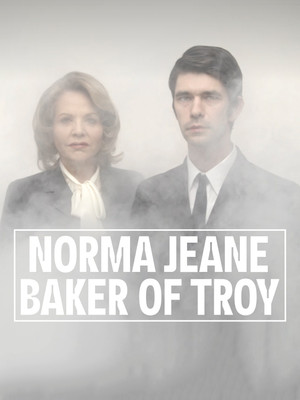
Norma Jeane Baker of Troy [演出] 豆瓣
类型: Theater 编剧: Anne Carson
剧院: The Shed 导演: Katie Mitchell 演员: Renée Fleming / Ben Whishaw


Norma Jeane Baker of Troy is a spoken and sung performance piece by poet, essayist, and scholar Anne Carson (Eros the Bittersweet: An Essay; Autobiography of Red: A Novel in Verse; Nox; Float), intimately and powerfully staged by Katie Mitchell, whom the Guardian calls “Britain’s greatest living theater director,” in The Shed’s 500-seat Theater. Actor Ben Whishaw (Skyfall, The Crucible on Broadway, Mary Poppins Returns, A Very English Scandal) and soprano Renée Fleming (performances in international concert halls and opera houses; Carousel on Broadway; soundtracks for The Shape of Water, Three Billboards Outside Ebbing, Missouri) star in an exploration of the lives and myths of Marilyn Monroe and Helen of Troy—iconic beauties who lived millennia apart.