Takako Irie — Actor (15)

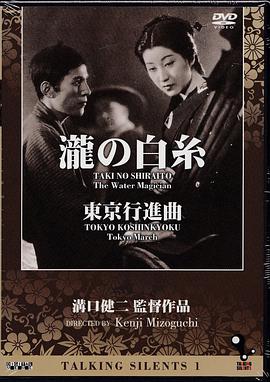
Tokyo March (1929) [Movie] Douban TMDB IMDb WikiData
東京行進曲
other title:
东京进行曲
/
東京行進曲
…
A classic melodramatic love tragedy addressing social inequality in Taishō-era Japan, The nostalgic scenes of 1920s Tokyo provides a valuable visual experience set against the background of the title song, "Tokyo March." (Sadly, less than a half hour of the footage has been recovered and restored.)
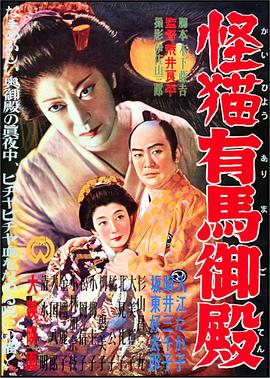
Ghost-Cat of Arima Palace (1953) [Movie] Douban
director:
荒井良平
actor:
入江たか子
/
阿井三千子
…
other title:
怪猫有馬御殿
/
Kaibyô Arima goten
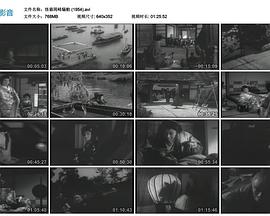
The Ghost Cat of Ouma Crossing (1954) [Movie] Douban
director:
加戸敏
actor:
坂东好太郎
/
入江隆子
…
other title:
怪猫岡崎骚动
/
Ghost-Cat of the Okazaki Upheaval
怪猫传说以佐贺藩(锅岛藩)御家骚动所衍生的怪猫骚动最为著名。还有冈崎、有马的怪猫骚动。外型是猫,可站立行走。可变成人的姿态。尾巴数目多寡代表灵力强弱。据说年纪大的动物会多长一条尾巴,成为怪物。怪猫又叫猫跨,有令人产生幻觉和操纵尸体的能力。招手能让尸体跳舞。多为日本三色猫和波斯猫
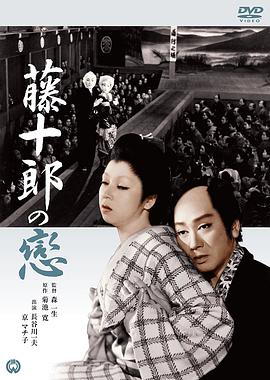
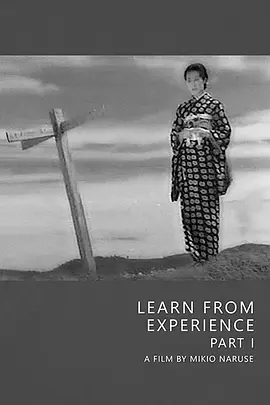
Learn from Experience, Part I (1937) [Movie] Douban
禍福 前篇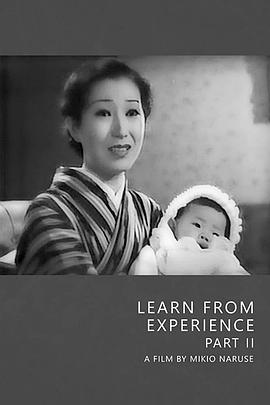
Learn from Experience, Part II (1937) [Movie] Douban
禍福 後篇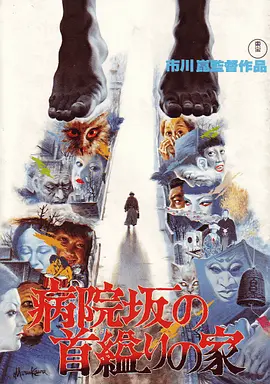
The House of Hanging (1979) [Movie] Douban
病院坂の首縊りの家
other title:
医院坡吊颈之家
/
病院坂の首縊りの家
…
每次案件结束后,金田一耕助(石坂浩二 饰)都要隐居休养一段时间,这次他决定赴美度假,临行前专门去吉野市拜别侦探小说家横沟正史(横沟正史 饰)。在小说家的推荐下,金田一前往当地的本条影楼拍摄护照照片。拍照之际,一名神秘美丽的女子(樱田淳子 饰)拜会影楼老板,请他夜间外出拍摄结婚照,而拍摄地点竟是位于医院坡曾发生过吊颈命案的不祥之屋。
当晚,影楼老板的儿子直吉(清水紘治 饰)到指定地点为那对甚为奇怪的新人拍照。次日,他接到那名神秘女子的电话,邀请他们再次前往拍照地。这一次金田一和直吉等人一同前往,却发现新郎的头颅被吊在房屋正中央,而身体不翼而飞。一起离奇命案慢慢揭开了藏在法眼家族背后的秘密……
当晚,影楼老板的儿子直吉(清水紘治 饰)到指定地点为那对甚为奇怪的新人拍照。次日,他接到那名神秘女子的电话,邀请他们再次前往拍照地。这一次金田一和直吉等人一同前往,却发现新郎的头颅被吊在房屋正中央,而身体不翼而飞。一起离奇命案慢慢揭开了藏在法眼家族背后的秘密……
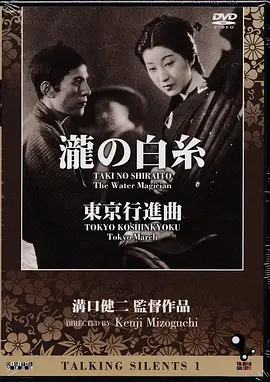
The Water Magician (1933) [Movie] Douban Eggplant.place IMDb WikiData TMDB
滝の白糸
other title:
白绢之瀑
/
滝の白糸
…
Taki no Shiraito is a very independent young woman with a famous water juggling act in a travelling carnival troupe. She falls in love with an orphaned carriage driver Kinya Murakoshi, and pledges to put him through law school in Tokyo. She always encloses money in her letters to him, until one hard winter there is no work to be found.
The Most Beautiful (1944) [Movie] Douban IMDb TMDB WikiData
一番美しく
other title:
最美
/
一番美しく
…
Young women at a precision optics factory in wartime Japan push to exceed production quotas, enduring illness, injury, and personal hardship to “serve the country.” Led by Tsuru Watanabe, they fight fatigue and setbacks to keep their line moving—even when duty collides with grief.
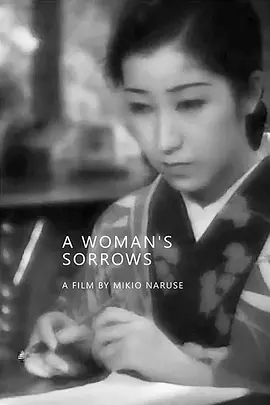
女人的哀愁 (1937) [Movie] Douban
女人哀愁
other title:
女人哀愁
In his review of Feminine Melancholy in Kinema Junpo, critic Mizumachi Seiji praises Irie's performance as the best of her talkie career. However, he is very critical of the film itself, which he sees as a typical story of a woman in an unhappy marriage. He is not sympathetic toward the heroine's patient suffering and describes the nagging mother-in-law as a "hackneyed theme." Naruse's detailed "documentation" of Hiroko's role in the household is dismissed as a "manneristic obsession," and Mizumachi suggests that the director is hiding behind "the shadow of the materials." Most severely, he criticizes Naruse for "abandoning his authority as an auteur" by resorting to "shinpa-tragedy," which is seen as a capitulation to a form that has "wielded a powerful hold over the imagination of the masses." Although Mizumachi notes that Naruse has probed into "the deepest recess of the female psyche," he doesn't recognize this as the film's achievement, perhaps because he is looking for something else from the director. His review reveals the difficulties Naruse faced in maintaining his "auteur status" while moving with the tides of popular culture. For Mizumachi, the character of Yoko is the most typical Naruse heroine, perhaps because she is dragged down by her delinquent lover; however, in retrospect, it is evident that Hiroko's tenacious survival of adverse circumstances looks forward to Naruse's postwar heroines.
真心 (1939) [Movie] Douban
まごころ
other title:
まごころ
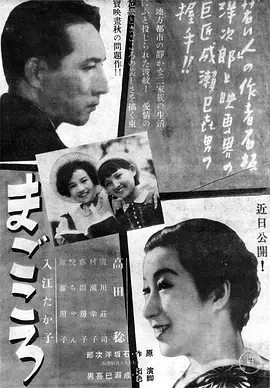
The Kinema Junpo critics were, of course, mistaken to think that Naruse had abandoned his emphasis on women. His next film, Sincerity, features two strong female characters, played by Irie Takako and Murase Sachiko, each of whom have a daughter. The girls are schoolmates, but one (Nobuko) is from a middle-class home and the other (Tomiko) is from a poor family. Tomiko's mother Tsutako (Irie) is a single mother who works from home as a seamstress, while Nobuko's mother lives in an elegant home with her husband, Kei. Eventually, it is revealed that Kei had a romantic relationship with Tsutako, and may be Tomiko's father as well, but he is conscripted shortly after this revelation and goes off to war.
This is very much a home front film, in which the women are involved in supporting activities, and the whole town cheers on the new recruits. As Kei is a banker, he is conscripted as an officer. He is introduced brandishing a magnificent sword, indicating his readiness for his call-up, for which everyone congratulates him when it comes. The wartime context is little more than a backdrop to the story of paternity and former love. The complex emotions among the women are conveyed through cutting on eye movements and eye lines, and through the use of the pastoral location.
This is very much a home front film, in which the women are involved in supporting activities, and the whole town cheers on the new recruits. As Kei is a banker, he is conscripted as an officer. He is introduced brandishing a magnificent sword, indicating his readiness for his call-up, for which everyone congratulates him when it comes. The wartime context is little more than a backdrop to the story of paternity and former love. The complex emotions among the women are conveyed through cutting on eye movements and eye lines, and through the use of the pastoral location.
Sanjuro (1962) [Movie] Douban IMDb TMDB WikiData
椿三十郎
other title:
츠바키 산주로
/
椿三十郎
…
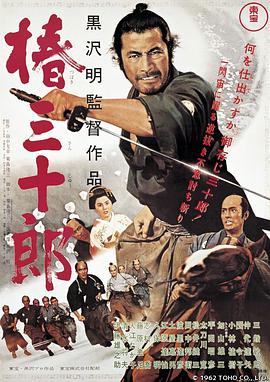
Toshiro Mifune swaggers and snarls to brilliant comic effect in Kurosawa's tightly paced, beautifully composed "Sanjuro." In this companion piece and sequel to "Yojimbo," jaded samurai Sanjuro helps an idealistic group of young warriors weed out their clan's evil influences, and in the process turns their image of a proper samurai on its ear.