Amanda Montell — 作者 (8)
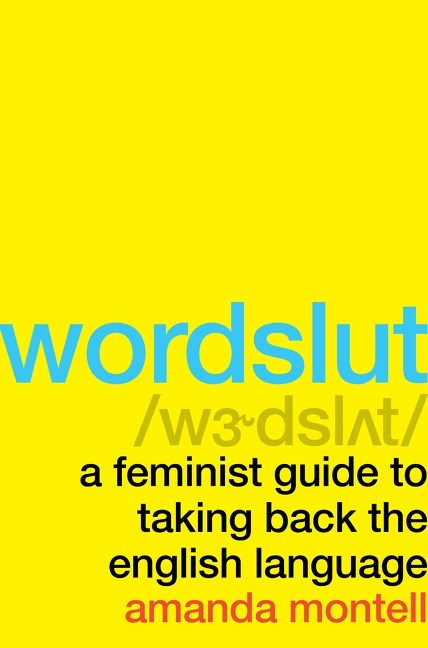
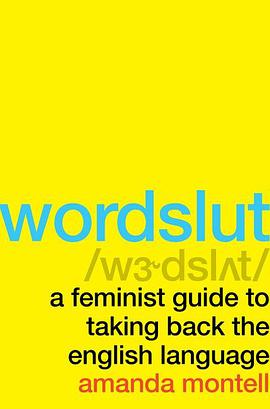
Wordslut [图书] Eggplant.place 豆瓣
8.6 (19 个评分) 作者: Amanda Montell 出版社: HarperCollins 2019 - 5
A brash, enlightening, and wildly entertaining feminist look at gendered language and the way it shapes us, written with humor and playfulness that challenges words and phrases and how we use them.
“I get so jazzed about the future of feminism knowing that Amanda Montell’s brilliance is rising up and about to explode worldwide.”—Jill Soloway
The word bitch conjures many images for many people, but it is most often meant to describe an unpleasant woman. Even before its usage to mean a female canine, bitch didn’t refer to gender at all—it originated as a gender-neutral word meaning genitalia. A perfectly innocuous word devolving into a female insult is the case for tons more terms, including hussy—which simply meant housewife—or slut, which meant an untidy person and was also used to describe men. These words are just a few among history’s many English slurs hurled at women.
Amanda Montell, reporter and feminist linguist, deconstructs language—from insults and cursing, gossip, and catcalling to grammar and pronunciation patterns—to reveal the ways it has been used for centuries to keep women and other marginalized genders from power. Ever wonder why so many people are annoyed when women talk with vocal fry or use the word like as a filler? Or why certain gender-neutral terms stick and others don’t? Or where stereotypes of how women and men speak come from in the first place?
Montell effortlessly moves between history, science, and popular culture to explore these questions and more—and how we can use the answers to effect real social change. Montell’s irresistible humor shines through, making linguistics not only approachable but both downright hilarious and profound, demonstrated in chapters such as:
Slutty Skanks and Nasty Dykes: A Comprehensive List of Gendered Insults
How to Embarrass the Shit Out of People Who Try to Correct Your Grammar
Fuck it: An Ode to Cursing While Female
Cyclops, Panty Puppet, Bald Headed Bastard and 100+ Other Things to Call Your Genitalia
Montell effortlessly moves between history and popular culture to explore these questions and more. Wordslut gets to the heart of our language, marvels at its elasticity, and sheds much-needed light into the biases that shadow women in our culture and our consciousness.
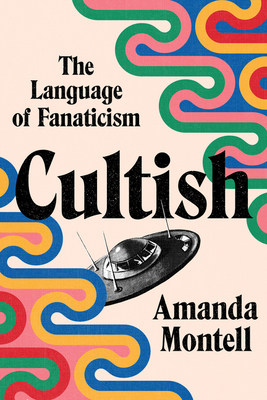
Cultish: The Language of Fanaticism [图书] 豆瓣 Goodreads
Cultish
6.7 (7 个评分) 作者: Amanda Montell 出版社: Harper Wave 2021 - 6
The author of the widely praised Wordslut analyzes the social science of cult influence: how cultish groups from Jonestown and Scientology to SoulCycle and social media gurus use language as the ultimate form of power.
What makes “cults” so intriguing and frightening? What makes them powerful? The reason why so many of us binge Manson documentaries by the dozen and fall down rabbit holes researching suburban moms gone QAnon is because we’re looking for a satisfying explanation for what causes people to join—and more importantly, stay in—extreme groups. We secretly want to know: could it happen to me? Amanda Montell’s argument is that, on some level, it already has . . .
Our culture tends to provide pretty flimsy answers to questions of cult influence, mostly having to do with vague talk of “brainwashing.” But the true answer has nothing to do with freaky mind-control wizardry or Kool-Aid. In Cultish, Montell argues that the key to manufacturing intense ideology, community, and us/them attitudes all comes down to language. In both positive ways and shadowy ones, cultish language is something we hear—and are influenced by—every single day.
Through juicy storytelling and cutting original research, Montell exposes the verbal elements that make a wide spectrum of communities “cultish,” revealing how they affect followers of groups as notorious as Heaven’s Gate, but also how they pervade our modern start-ups, Peloton leaderboards, and Instagram feeds. Incisive and darkly funny, this enrapturing take on the curious social science of power and belief will make you hear the fanatical language of “cultish” everywhere.
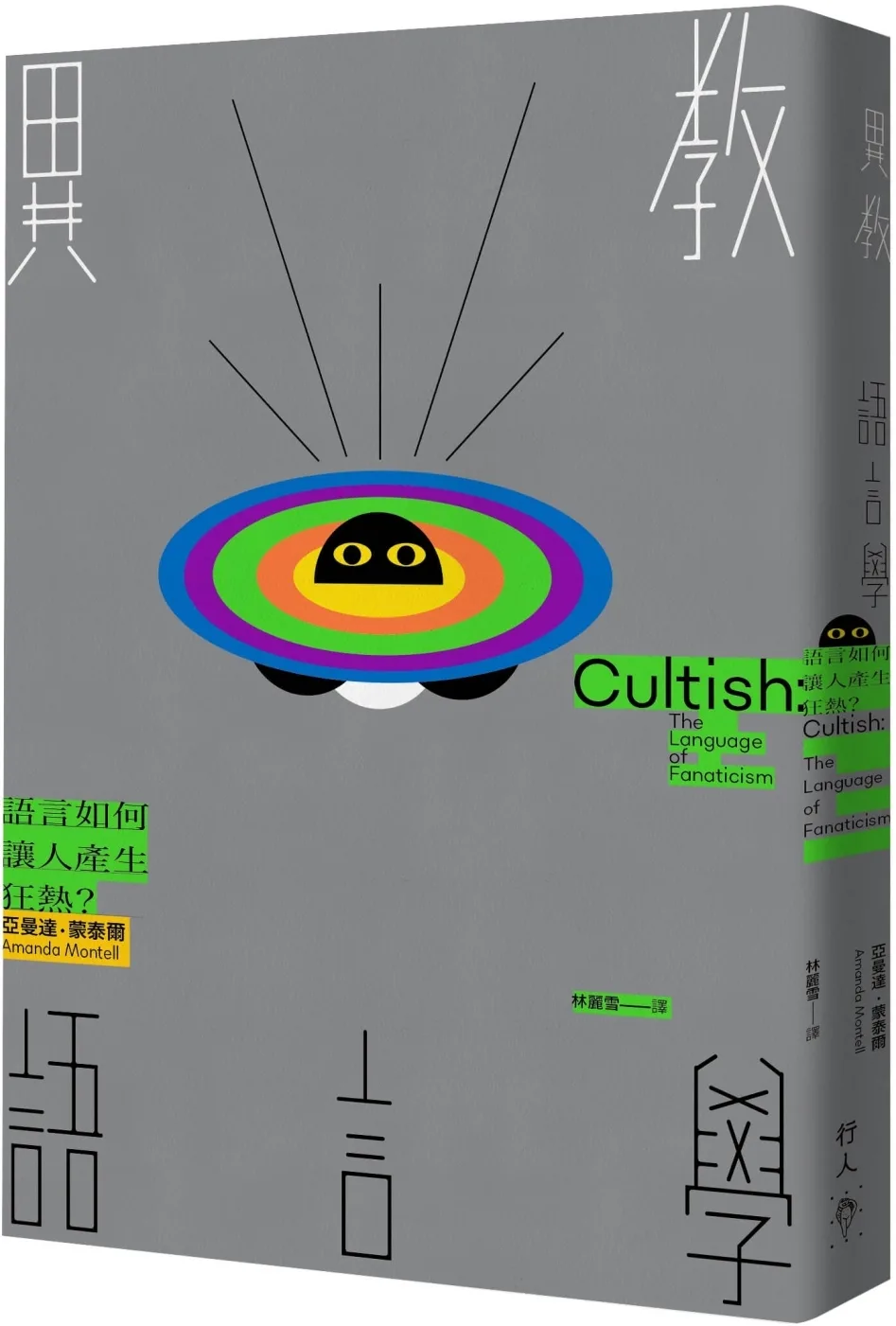
異教語言學:語言如何讓人產生狂熱? [图书] 豆瓣 博客來
Cultish: The Language of Fanaticism
7.5 (6 个评分) 作者: Amanda Montell 译者: 林麗雪 出版社: 行人 2023 - 4


  ________就是信仰!
  讀完這本書,你會發現異教語(Cultish)可能是世界上最多人說的語言。
  如果你是「個人」,這本書提醒你該保持警戒心;如果你是社群經營者,這本書教你如何引起狂熱。

  每隔一段時間,我們就會聽說一些「邪教」的故事,比如1995年在東京地鐵放出沙林毒氣的奧姆真理教、1978年在南美洲瓊斯鎮,逼迫近千人自殺的「人民聖殿」,近期《以神之名:信仰的背叛》也引起大眾忿忿不平的情緒。我們一方面氣憤這些組織的所作所為,另一方面又有點好奇——他們如何吸引這麼多「信眾」?

  亞曼達.蒙泰爾(Amanda Montell)將「cult」這個有時被翻譯成「異教」,有時被翻成「邪典」的詞彙視為社會普遍現象。「cult」不只在宗教領域,有時候人們會沉迷於特定品牌、被說服加入直銷公司,甚至是運動,都可能有著「cult」成份。

  這些宗教與非宗教事件的「異教」都有許多共同點,這本書將著墨於其中語言的運用。例如建立新詞彙,讓「信徒」可以區分人/我。一旦理解這些語言,你會發現身邊充滿語言陷阱,處處都是召喚你入「教」的呼號。

  作者亞曼達.蒙泰爾擁有語言學背景,並且長年在時尚雜誌工作。從她豐富的生活經驗與實際訪談出發,以語言為切點,幽默又深入討論各種不同程度的「異教」。

  本書每一部分各聚焦一種異教類型,探討充斥於我們日常生活的異教式措辭。第一部闡明異教其實無所不在;第二部探討「自殺異教」(如瓊斯鎮、天堂之門);第三部關注爭議性宗教(如山達基、上帝之子等);第四部至第六部延伸異教的定義,異教就存在你我身邊,首先是多層次傳銷公司、再來到「異教健身」工作室、最後深入研究社群媒體上的大師(KOL),異教做為一種行銷策略,似乎非常有效。

  讀到這裡你可能會覺得「異教好壞」或是「被騙好笨」,可是這不是本書的主旨。從不同的異教類型,我們可以發現語言的無窮魔力,小則被話術,嚴重一點,搞不好某一天你會很相信__________。

  在詐騙盛行的當代,辨識說話者話語的本質是必須與時俱進的技能。本書提供許多有趣而實用的觀點,在閱讀故事的同時也練習批判思考。

Wordslut: A Feminist Guide to Taking Back the English Language [图书] Goodreads
作者: Amanda Montell 出版社: Harper 2019 - 5
The word "bitch" conjures many images for many people but is most often meant to describe an unpleasant woman. Even before its usage to mean a female canine, bitch didn’t refer to gender at all—it originated as a gender-neutral word meaning genitalia. A perfectly innocuous word devolving into a female insult is the case for tons more terms, including hussy, which simply meant “housewife,” or slut, which meant “untidy” and was also used to describe men. These words are just a few among history’s many English slurs hurled at women. 

Amanda Montell, feminist linguist and staff features editor at online beauty and health magazine Byrdie.com, deconstructs language—from insults and cursing to grammar and pronunciation patterns—to reveal the ways it has been used for centuries to keep women form gaining equality. Ever wonder why so many people are annoyed when women use the word “like” as a filler? Or why certain gender neutral terms stick and others don’t? Or even how linguists have historically discussed women’s speech patterns? Wordslut is no stuffy academic study; Montell’s irresistible humor shines through, making linguistics not only approachable but both downright hilarious and profound.
The Age of Magical Overthinking [图书] 谷歌图书
作者: Amanda Montell 出版社: Simon and Schuster 2024 - 04
INSTANT NEW YORK TIMES BESTSELLER

From the bestselling author of Cultish and host of the podcast Sounds Like a Cult, a delicious blend of cultural criticism and personal narrative that explores our cognitive biases and the power, disadvantages, and highlights of magical thinking.

Utilizing the linguistic insights of her “witty and brilliant” (Blyth Roberson, author of America the Beautiful?) first book Wordslut and the sociological explorations of her breakout hit Cultish, Amanda Montell now turns her erudite eye to the inner workings of the human mind and its biases in her most personal and electrifying work yet.

“Magical thinking” can be broadly defined as the belief that one’s internal thoughts can affect unrelated events in the external world: think of the conviction that one can manifest their way out of poverty, stave off cancer with positive vibes, thwart the apocalypse by learning to can their own peaches, or transform an unhealthy relationship to a glorious one with loyalty alone. In all its forms, magical thinking works in service of restoring agency amid chaos, but in The Age of Magical Overthinking, Montell argues that in the modern information age, our brain’s coping mechanisms have been overloaded, and our irrationality turned up to an eleven.

In a series of razor sharp, deeply funny chapters, Montell delves into a cornucopia of the cognitive biases that run rampant in our brains, from how the “halo effect” cultivates worship (and hatred) of larger-than-life celebrities, to how the “sunk cost fallacy” can keep us in detrimental relationships long after we’ve realized they’re not serving us. As she illuminates these concepts with her signature brilliance and wit, Montell’s prevailing message is one of hope, empathy, and ultimately forgiveness for our anxiety-addled human selves. If you have all but lost faith in our ability to reason, Montell aims to make some sense of the senseless. To crack open a window in our minds, and let a warm breeze in. To help quiet the cacophony for a while, or even hear a melody in it.
The Age of Magical Overthinking [图书] 谷歌图书
作者: Amanda Montell 出版社: Simon and Schuster 2024 - 04
INSTANT NEW YORK TIMES BESTSELLER

From the bestselling author of Cultish and host of the podcast Sounds Like a Cult, a delicious blend of cultural criticism and personal narrative that explores our cognitive biases and the power, disadvantages, and highlights of magical thinking.

Utilizing the linguistic insights of her “witty and brilliant” (Blyth Roberson, author of America the Beautiful?) first book Wordslut and the sociological explorations of her breakout hit Cultish, Amanda Montell now turns her erudite eye to the inner workings of the human mind and its biases in her most personal and electrifying work yet.

“Magical thinking” can be broadly defined as the belief that one’s internal thoughts can affect unrelated events in the external world: think of the conviction that one can manifest their way out of poverty, stave off cancer with positive vibes, thwart the apocalypse by learning to can their own peaches, or transform an unhealthy relationship to a glorious one with loyalty alone. In all its forms, magical thinking works in service of restoring agency amid chaos, but in The Age of Magical Overthinking, Montell argues that in the modern information age, our brain’s coping mechanisms have been overloaded, and our irrationality turned up to an eleven.

In a series of razor sharp, deeply funny chapters, Montell delves into a cornucopia of the cognitive biases that run rampant in our brains, from how the “halo effect” cultivates worship (and hatred) of larger-than-life celebrities, to how the “sunk cost fallacy” can keep us in detrimental relationships long after we’ve realized they’re not serving us. As she illuminates these concepts with her signature brilliance and wit, Montell’s prevailing message is one of hope, empathy, and ultimately forgiveness for our anxiety-addled human selves. If you have all but lost faith in our ability to reason, Montell aims to make some sense of the senseless. To crack open a window in our minds, and let a warm breeze in. To help quiet the cacophony for a while, or even hear a melody in it.
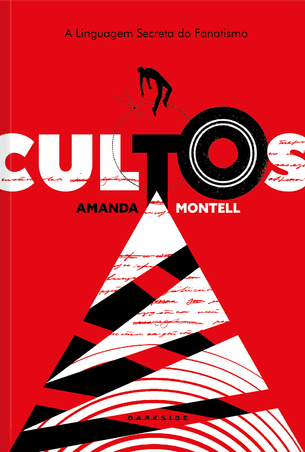
Cultos [图书] Eggplant.place Goodreads
Cultish: The Language of Fanaticism
作者: Amanda Montell / Carol Nazatto (Ilustração) 译者: Verena Cavalcante 出版社: DarkSide 2023 - 7 其它标题: Cultos: A Linguagem do Fanatismo
O que torna os cultos tão intrigantes e assustadores? O que os torna poderosos? A razão pela qual tantos de nós assistimos documentários sobre Charles Manson e Jim Jones aos montes e caímos em tocas de coelho pesquisando sobre pessoas que se afiliam ao QAnon é a busca por uma explicação satisfatória para o que faz com que elas se juntem — e, mais importante, permaneçam em — grupos extremos. Nós secretamente queremos saber: isso poderia acontecer comigo?

Cultos: A Linguagem do Fanatismo, novo livro da Macabra em parceria com a DarkSide Books, examina minuciosamente a forma como as palavras podem ser manipuladas para construir um senso de comunidade, reforçar valores coletivos, impedir o debate, ou até mesmo incentivar comportamento nocivo em nome da ideologia. Montell reconta histórias de seitas bastante conhecidas e grupos cultistas para examinar como a linguagem tem, historicamente, colaborado com práticas coercivas.

Por meio de narrativas suculentas e pesquisas profundas, originais e afiadas, Montell expõe os elementos verbais que transformam um amplo espectro de comunidades em “cultos”, revelando como afetam os seguidores de grupos tão notórios quanto os de Jim Jones e Heaven’s Gate, mas também como eles permeiam startups modernas, estratégias de marketing, academias de crossfit e gurus de mídias sociais.

Incisiva e com um humor ácido, a abordagem arrebatadora de Montell vai fazer você questionar até mesmo o seu feed de Instagram. Enquanto provoca a universalidade da influência cultista, a autora defende a humanidade daqueles que foram arrebatados por suas crenças. Tudo isso em uma edição macabrenta em capa dura e repleta de colagens da artista Carol Nazatto.

Às vezes arrepiante, em outros momentos engraçado, mas sempre perceptivo, crítico e muito convincente, Cultos: A Linguagem do Fanatismo é uma leitura fascinante, acessível e muito informativa sobre o poder da linguagem, e como ela faz nascer e ruir impérios com a escolha certa de palavras.
Wordslut [图书] 谷歌图书
作者: Amanda Montell 出版社: HarperCollins 2019 - 05
“As funny as it is informative, this book will have you laughing out loud while you contemplate the revolutionary power of words.” —Camille Perri, author of The Assistants and When Katie Met CassidyA brash, enlightening, and wildly entertaining feminist look at gendered language and the way it shapes us.The word bitch conjures many images, but it is most often meant to describe an unpleasant woman. Even before its usage to mean “a female canine,” bitch didn’t refer to women at all—it originated as a gender-neutral word for “genitalia.” A perfectly innocuous word devolving into an insult directed at females is the case for tons more terms, including hussy, which simply meant “housewife”; and slut, which meant “an untidy person” and was also used to describe men. These are just a few of history’s many English slurs hurled at women.Amanda Montell, reporter and feminist linguist, deconstructs language—from insults, cursing, gossip, and catcalling to grammar and pronunciation patterns—to reveal the ways it has been used for centuries to keep women and other marginalized genders from power. Ever wonder why so many people are annoyed when women speak with vocal fry or use like as filler? Or why certain gender-neutral terms stick and others don’t? Or where stereotypes of how women and men speak come from in the first place?Montell effortlessly moves between history, science, and popular culture to explore these questions—and how we can use the answers to affect real social change. Her irresistible humor shines through, making linguistics not only approachable but downright hilarious and profound. Wordslut gets to the heart of our language, marvels at its elasticity, and sheds much-needed light on the biases that shadow women in our culture and our consciousness.