罗伯特·阿奇博尔德·肖 — 演员 (10)
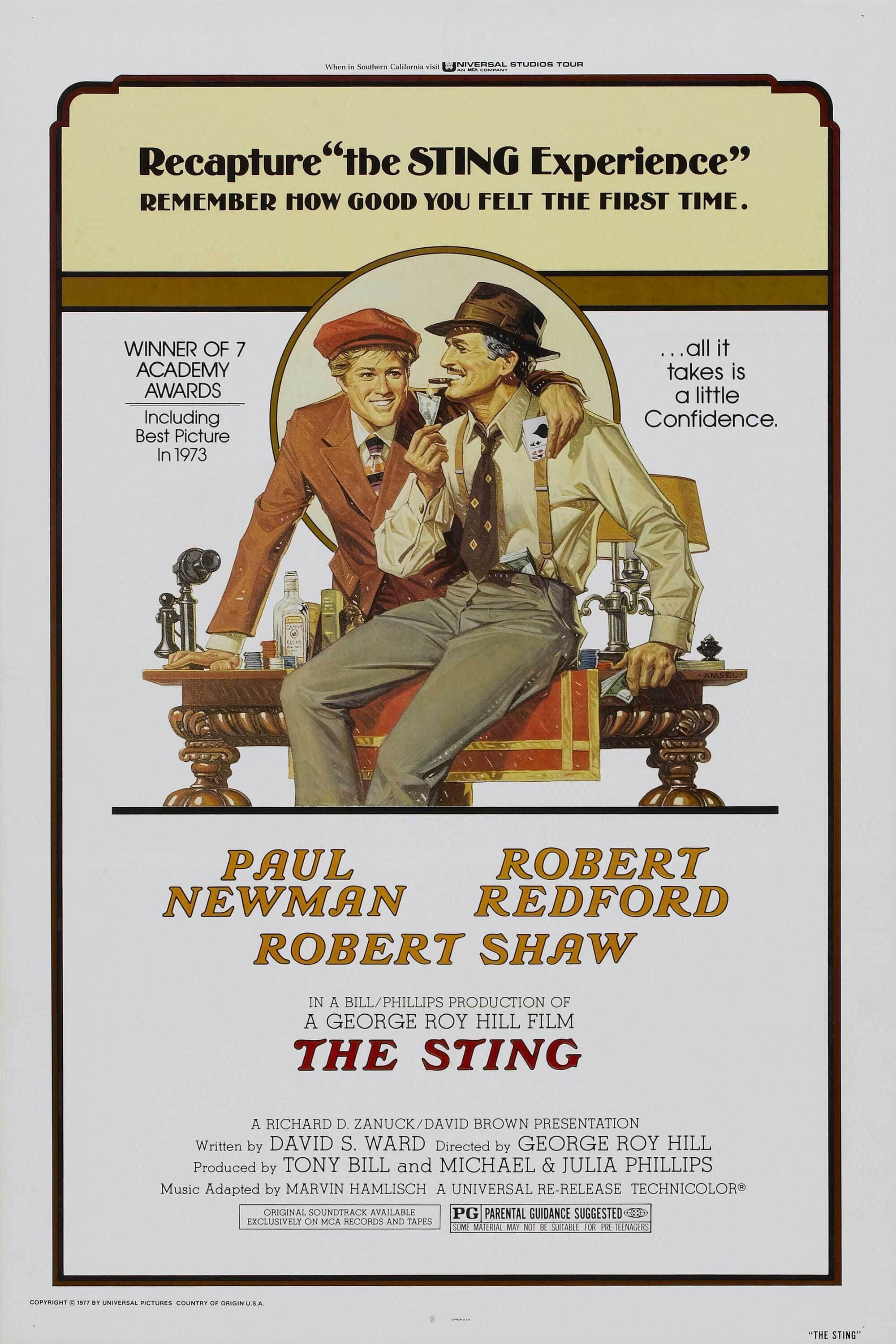
骗中骗 (1973) [电影] 豆瓣 IMDb TMDB 维基数据
The Sting
8.5 (290 个评分) 导演: 乔治·罗伊·希尔 演员: 保罗·纽曼 / 罗伯特·雷德福
其它标题: 스팅 / スティング
卢克领导着一个诈骗集团在芝加哥附近的约里埃特行骗。这天,手下人向他交了一大笔刚刚骗了的钱。不久,卢克就遭到了谋杀。原来,这笔钱是芝加哥的黑社会头目朗尼根刚刚收回的赌款,正是这笔钱令卢克引火烧身。胡克是卢克的一个手下,卢克平日待他如亲生儿子一般,生前就想把他介绍到芝加哥的好友骗术大师冈多夫处学艺。胡克发誓要给卢克报仇,于是前往芝加哥寻找冈多夫。胡克顺利找到了冈多夫,听闻这次的对头是朗尼根,冈多夫马上摩拳擦掌。于是,一个天衣无缝的行骗计划开始了!
大白鲨 (1975) [电影] Eggplant.place Min reol DeaDvey's Reviews TMDB IMDb 豆瓣 维基数据
Jaws
其它标题: 죠스 / ジョーズ
1975年由史蒂文·斯皮尔伯格导演的影片《大白鲨》,改编自彼得·本奇利的同名小说,小说根据发生在1916年夏季的真实事件创作而成,当时曾有4人在新泽西海岸因鲨鱼袭击丧生。《大白鲨》是应用“大规模上映”发行概念的第一部电影,所以它在电影发行史上具有划时代意义。该片令人战栗的场景为好莱坞赢得四亿一千万美元的空前票房收入,打破票房纪录,成为当时最卖座的电影。影片最终还获得了1976年奥斯卡最佳音响、最佳剪辑奖和最佳原创配乐三项大奖。
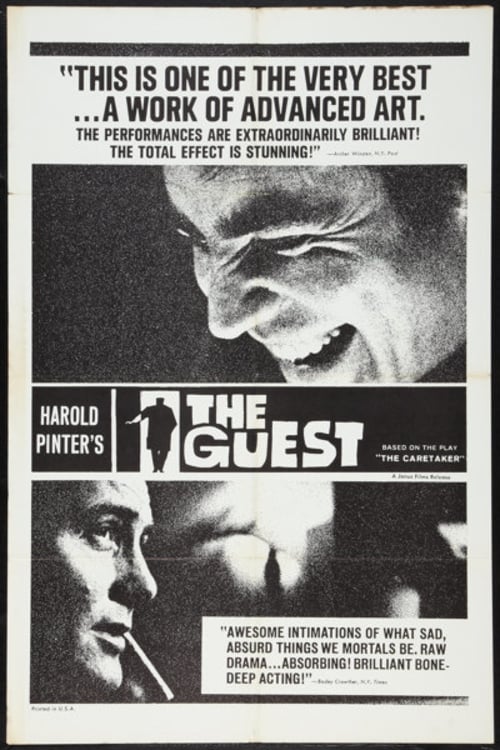
看管人 (1963) [电影] 维基数据 IMDb 豆瓣 TMDB
The Caretaker
导演: Clive Donner 演员: Alan Bates / Donald Pleasence
其它标题: The Caretaker / 看门人
阿斯顿是个沉默寡言的人,独自住在伦敦贫困地区一栋废弃小房子的顶层杂乱房间里。他结识并收留了被咖啡馆辞退的老流浪汉麦克-戴维斯(Mac Davies)。随着时间的推移,阿斯顿给他提供了一份看守房子的工作。阿斯顿的弟弟米克是个嘲弄人的准悲观主义者,当他哥哥不在时,他就会骚扰这个老废物,违抗他的命令......
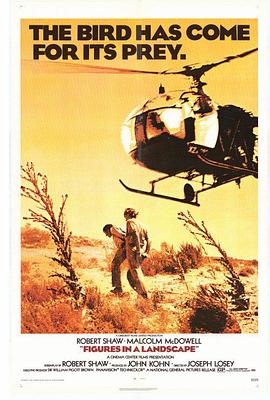
景中人 (1970) [电影] 豆瓣
Figures in a Landscape
其它标题: Figures in a Landscape
Two escaped convicts are on the run in an unnamed Latin American country. But everywhere they go, they are followed and hounded by a menacing black helicopter.
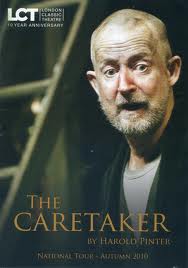
The Caretaker [演出] 豆瓣
类型: theater 编剧: Harold Pinter
导演: Donald McWhinnie / Kenneth Ives 演员: Donald Pleasence / Alan Bates / Peter Woodthorpe / Robert Shaw / Jonathan Pryce
Act I

A night in winter

[Scene 1]

Aston has invited Davies, a homeless man, into his apartment after rescuing him from a bar fight (7–9). Davies comments on the apartment and criticizes the fact that it is cluttered and badly kept. Aston attempts to find a pair of shoes for Davies but Davies rejects all the offers. Once he turns down a pair that doesn’t fit well enough and another that has the wrong colour laces. Early on, Davies reveals to Aston that his real name is not "Bernard Jenkins", his "assumed name", but really "Mac Davies" (19–20, 25). He claims that his papers validating this fact are in Sidcup and that he must and will return there to retrieve them just as soon as he has a good pair of shoes. Aston and Davies discuss where he will sleep and the problem of the "bucket" attached to the ceiling to catch dripping rain water from the leaky roof (20–21) and Davies "gets into bed" while "ASTON sits, poking his [electrical] plug (21).

[Scene 2]
The LIGHTS FADE OUT. Darkness.

LIGHTS UP. Morning. (21) As Aston dresses for the day, Davies awakes with a start, and Aston informs Davies that he was kept up all night by Davies muttering in his sleep. Davies denies that he made any noise and blames the racket on the neighbors, revealing his fear of foreigners: "I tell you what, maybe it were them Blacks" (23). Aston informs Davies that he is going out but invites him to stay if he likes, indicating that he trusts him (23–24), something unexpected by Davies; for, as soon as Aston does leave the room (27), Davies begins rummaging through Aston's "stuff" (27–28) but he is interrupted when Mick, Aston’s brother, unexpectedly arrives, "moves upstage, silently," "slides across the room" and then suddenly "seizes Davies' "arm and forces it up his back," in response to which "DAVIES screams," and they engage in a minutely-choreographed struggle, which Mick wins (28–29), ending Act One with the "Curtain" line, "What's the game?" (29).
Act II

[Scene 1]
A few seconds later

Mick demands to know Davies' name, which the latter gives as "Jenkins" (30), interrogates him about how well he slept the night before (30), wonders whether or not Davies is actually "a foreigner"—to which Davies retorts that he "was" indeed (in Mick's phrase) "Born and bred in the British Isles" (33)—going on to accuse Davies of being "an old robber […] an old skate" who is "stinking the place out" (35), and spinning a verbal web full of banking jargon designed to confuse Davies, while stating, hyperbolically, that his brother Aston is "a number one decorator" (36), either an outright lie or self-deceptive wishful thinking on his part. Just as Mick reaches the climactic line of his diatribe geared to put the old tramp off balance—"Who do you bank with?" (36), Aston enters with a "bag" ostensibly for Davies, and the brothers debate how to fix the leaking roof and Davies interrupts to inject the more practical question: "What do you do . . . when that bucket's full?" (37) and Aston simply says, "Empty it" (37). The three battle over the "bag" that Aston has brought Davies, one of the most comic and often-cited Beckettian routines in the play (38–39). After Mick leaves, and Davies recognises him to be "a real joker, that lad" (40), they discuss Mick's work in "the building trade" and Davies ultimately discloses that the bag they have fought over and that he was so determined to hold on to "ain't my bag" at all (41). Aston offers Davies the job of Caretaker, (42–43), leading to Davies' various assorted animadversions about the dangers that he faces for "going under an assumed name" and possibly being found out by anyone who might "ring the bell called Caretaker" (44).

[Scene 2]

THE LIGHTS FADE TO BLACKOUT.
THEN UP TO DIM LIGHT THROUGH THE WINDOW.
A door bangs.
Sound of a key in the door of the room.
DAVIES enters, closes the door, and tries the light switch, on, off, on, off.

It appears to Davies that "the damn light's gone now," but, it becomes clear that Mick has sneaked back into the room in the dark and removed the bulb; he starts up "the electrolux" and scares Davies almost witless before claiming "I was just doing some spring cleaning" and returning the bulb to its socket (45). After a discussion with Davies about the place being his "responsibility" and his ambitions to fix it up, Mick also offers Davies the job of "caretaker" (46–50), but pushes his luck with Mick when he observes negative things about Aston, like the idea that he "doesn't like work" or is "a bit of a funny bloke" for "Not liking work" (Davies' camouflage of what he really is referring to), leading Mick to observe that Davies is "getting hypocritical" and "too glib" (50), and they turn to the absurd details of "a small financial agreement" relating to Davies' possibly doing "a bit of caretaking" or "looking after the place" for Mick (51), and then back to the inevitable call for "references" and the perpetually-necessary trip to Sidcup to get Davies' identity "papers" (51–52).

[Scene 3]
Morning

Davies wakes up and complains to Aston about how badly he slept. He blames various aspects of the apartment's set up. Aston suggests adjustments but Davies proves to be callous and inflexible. Aston tells the story of how he was checked into a mental hospital and given electric shock therapy, but when he tried to escape from the hospital he was shocked while standing, leaving him with permanent brain damage; he ends by saying, "I've often thought of going back and trying to find the man who did that to me. But I want to do something first. I want to build that shed out in the garden" (54–57). Critics regard Aston's monologue, the longest of the play, as the "climax" of the plot.[3] In dramaturgical terms, what follows is part of the plot's "falling action".
Act III

[Scene 1]
Two weeks later [… ]Afternoon.

Davies and Mick discuss the apartment. Mick relates "(ruminatively)" in great detail what he would do to redecorate it (60). When asked who "would live there," Mick's response "My brother and me" leads Davies to complain about Aston's inability to be social and just about every other aspect of Aston's behaviour (61–63). Though initially invited to be a "caretaker," first by Aston and then by Mick, he begins to ingratiate himself with Mick, who acts as if he were an unwitting accomplice in Davies' eventual conspiracy to take over and fix up the apartment without Aston's involvement (64) an outright betrayal of the brother who actually took him in and attempted to find his "belongings"; but just then Aston enters and gives Davies yet another pair of shoes which he grudgingly accepts, speaking of "going down to Sidcup" in order "to get" his "papers" again (65–66).

[Scene 2]
That night

Davies brings up his plan when talking to Aston, whom he insults by throwing back in his face the details of his treatment in the mental institution (66–67), leading Aston, in a vast understatement, to respond: "I . . . I think it's about time you found somewhere else. I don't think we're hitting it off" (68). When finally threatened by Davies pointing a knife at him, Aston tells Davies to leave: "Get your stuff" (69). Davies, outraged, claims that Mick will take his side and kick Aston out instead and leaves in a fury, concluding (mistakenly): "Now I know who I can trust" (69).

[Scene 3]
Later

Davies reenters with Mick explaining the fight that occurred earlier and complaining still more bitterly about Mick's brother, Aston (70–71). Eventually, Mick takes Aston's side, beginning with the observation "You get a bit out of your depth sometimes, don't you?" (71). Mick forces Davies to disclose that his "real name" is Davies and his "assumed name" is "Jenkins" and, after Davies calls Aston "nutty", Mick appears to take offense at what he terms Davies' "impertinent thing to say," concludes, "I'm compelled to pay you off for your caretaking work. Here's half a dollar," and stresses his need to turn back to his own "business" affairs (74). When Aston comes back into the apartment, the brothers face each other," "They look at each other. Both are smiling, faintly" (75). Using the excuse of having returned for his "pipe" (given to him earlier through the generosity of Aston), Davies turns to beg Aston to let him stay (75–77). But Aston rebuffs each of Davies' rationalisations of his past complaints (75–76). The play ends with a "Long silence" as Aston, who "remains still, his back to him [Davies], at the window, apparently unrelenting as he gazes at his garden and makes no response at all to Davies' futile plea, which is sprinkled with many dots (". . .") of elliptical hesitations (77–78).
The Caretaker 1962 New York版 [演出] 豆瓣
所属 演出: The Caretaker
剧院: Lyceum Theatre 导演: Donald McWhinnie
其它标题: 1962 New York版 编剧: Harold Pinter 演员: Alan Bates / Donald Pleasence
Act I

A night in winter

[Scene 1]

Aston has invited Davies, a homeless man, into his apartment after rescuing him from a bar fight (7–9). Davies comments on the apartment and criticizes the fact that it is cluttered and badly kept. Aston attempts to find a pair of shoes for Davies but Davies rejects all the offers. Once he turns down a pair that doesn’t fit well enough and another that has the wrong colour laces. Early on, Davies reveals to Aston that his real name is not "Bernard Jenkins", his "assumed name", but really "Mac Davies" (19–20, 25). He claims that his papers validating this fact are in Sidcup and that he must and will return there to retrieve them just as soon as he has a good pair of shoes. Aston and Davies discuss where he will sleep and the problem of the "bucket" attached to the ceiling to catch dripping rain water from the leaky roof (20–21) and Davies "gets into bed" while "ASTON sits, poking his [electrical] plug (21).

[Scene 2]
The LIGHTS FADE OUT. Darkness.

LIGHTS UP. Morning. (21) As Aston dresses for the day, Davies awakes with a start, and Aston informs Davies that he was kept up all night by Davies muttering in his sleep. Davies denies that he made any noise and blames the racket on the neighbors, revealing his fear of foreigners: "I tell you what, maybe it were them Blacks" (23). Aston informs Davies that he is going out but invites him to stay if he likes, indicating that he trusts him (23–24), something unexpected by Davies; for, as soon as Aston does leave the room (27), Davies begins rummaging through Aston's "stuff" (27–28) but he is interrupted when Mick, Aston’s brother, unexpectedly arrives, "moves upstage, silently," "slides across the room" and then suddenly "seizes Davies' "arm and forces it up his back," in response to which "DAVIES screams," and they engage in a minutely-choreographed struggle, which Mick wins (28–29), ending Act One with the "Curtain" line, "What's the game?" (29).
Act II

[Scene 1]
A few seconds later

Mick demands to know Davies' name, which the latter gives as "Jenkins" (30), interrogates him about how well he slept the night before (30), wonders whether or not Davies is actually "a foreigner"—to which Davies retorts that he "was" indeed (in Mick's phrase) "Born and bred in the British Isles" (33)—going on to accuse Davies of being "an old robber […] an old skate" who is "stinking the place out" (35), and spinning a verbal web full of banking jargon designed to confuse Davies, while stating, hyperbolically, that his brother Aston is "a number one decorator" (36), either an outright lie or self-deceptive wishful thinking on his part. Just as Mick reaches the climactic line of his diatribe geared to put the old tramp off balance—"Who do you bank with?" (36), Aston enters with a "bag" ostensibly for Davies, and the brothers debate how to fix the leaking roof and Davies interrupts to inject the more practical question: "What do you do . . . when that bucket's full?" (37) and Aston simply says, "Empty it" (37). The three battle over the "bag" that Aston has brought Davies, one of the most comic and often-cited Beckettian routines in the play (38–39). After Mick leaves, and Davies recognises him to be "a real joker, that lad" (40), they discuss Mick's work in "the building trade" and Davies ultimately discloses that the bag they have fought over and that he was so determined to hold on to "ain't my bag" at all (41). Aston offers Davies the job of Caretaker, (42–43), leading to Davies' various assorted animadversions about the dangers that he faces for "going under an assumed name" and possibly being found out by anyone who might "ring the bell called Caretaker" (44).

[Scene 2]

THE LIGHTS FADE TO BLACKOUT.
THEN UP TO DIM LIGHT THROUGH THE WINDOW.
A door bangs.
Sound of a key in the door of the room.
DAVIES enters, closes the door, and tries the light switch, on, off, on, off.

It appears to Davies that "the damn light's gone now," but, it becomes clear that Mick has sneaked back into the room in the dark and removed the bulb; he starts up "the electrolux" and scares Davies almost witless before claiming "I was just doing some spring cleaning" and returning the bulb to its socket (45). After a discussion with Davies about the place being his "responsibility" and his ambitions to fix it up, Mick also offers Davies the job of "caretaker" (46–50), but pushes his luck with Mick when he observes negative things about Aston, like the idea that he "doesn't like work" or is "a bit of a funny bloke" for "Not liking work" (Davies' camouflage of what he really is referring to), leading Mick to observe that Davies is "getting hypocritical" and "too glib" (50), and they turn to the absurd details of "a small financial agreement" relating to Davies' possibly doing "a bit of caretaking" or "looking after the place" for Mick (51), and then back to the inevitable call for "references" and the perpetually-necessary trip to Sidcup to get Davies' identity "papers" (51–52).

[Scene 3]
Morning

Davies wakes up and complains to Aston about how badly he slept. He blames various aspects of the apartment's set up. Aston suggests adjustments but Davies proves to be callous and inflexible. Aston tells the story of how he was checked into a mental hospital and given electric shock therapy, but when he tried to escape from the hospital he was shocked while standing, leaving him with permanent brain damage; he ends by saying, "I've often thought of going back and trying to find the man who did that to me. But I want to do something first. I want to build that shed out in the garden" (54–57). Critics regard Aston's monologue, the longest of the play, as the "climax" of the plot.[3] In dramaturgical terms, what follows is part of the plot's "falling action".
Act III

[Scene 1]
Two weeks later [… ]Afternoon.

Davies and Mick discuss the apartment. Mick relates "(ruminatively)" in great detail what he would do to redecorate it (60). When asked who "would live there," Mick's response "My brother and me" leads Davies to complain about Aston's inability to be social and just about every other aspect of Aston's behaviour (61–63). Though initially invited to be a "caretaker," first by Aston and then by Mick, he begins to ingratiate himself with Mick, who acts as if he were an unwitting accomplice in Davies' eventual conspiracy to take over and fix up the apartment without Aston's involvement (64) an outright betrayal of the brother who actually took him in and attempted to find his "belongings"; but just then Aston enters and gives Davies yet another pair of shoes which he grudgingly accepts, speaking of "going down to Sidcup" in order "to get" his "papers" again (65–66).

[Scene 2]
That night

Davies brings up his plan when talking to Aston, whom he insults by throwing back in his face the details of his treatment in the mental institution (66–67), leading Aston, in a vast understatement, to respond: "I . . . I think it's about time you found somewhere else. I don't think we're hitting it off" (68). When finally threatened by Davies pointing a knife at him, Aston tells Davies to leave: "Get your stuff" (69). Davies, outraged, claims that Mick will take his side and kick Aston out instead and leaves in a fury, concluding (mistakenly): "Now I know who I can trust" (69).

[Scene 3]
Later

Davies reenters with Mick explaining the fight that occurred earlier and complaining still more bitterly about Mick's brother, Aston (70–71). Eventually, Mick takes Aston's side, beginning with the observation "You get a bit out of your depth sometimes, don't you?" (71). Mick forces Davies to disclose that his "real name" is Davies and his "assumed name" is "Jenkins" and, after Davies calls Aston "nutty", Mick appears to take offense at what he terms Davies' "impertinent thing to say," concludes, "I'm compelled to pay you off for your caretaking work. Here's half a dollar," and stresses his need to turn back to his own "business" affairs (74). When Aston comes back into the apartment, the brothers face each other," "They look at each other. Both are smiling, faintly" (75). Using the excuse of having returned for his "pipe" (given to him earlier through the generosity of Aston), Davies turns to beg Aston to let him stay (75–77). But Aston rebuffs each of Davies' rationalisations of his past complaints (75–76). The play ends with a "Long silence" as Aston, who "remains still, his back to him [Davies], at the window, apparently unrelenting as he gazes at his garden and makes no response at all to Davies' futile plea, which is sprinkled with many dots (". . .") of elliptical hesitations (77–78).
物理学家 1964年版 [演出] 豆瓣
所属 演出: 物理学家
剧院: Martin Beck Theatre 导演: Peter Brook
其它标题: 1964年版 编剧: 弗里德里希·迪伦马特 Friedrich Duerrenmatt 演员: Hume Cronyn / Robert Shaw


当责任、信念、利益、爱情撞击在一起,会裂变出了怎样的人生轨迹?瑞士作家弗里德里希·迪伦马特享誉世界的作品《物理学家》即将被搬上舞台,它将为你解答这中间的不解之谜。
一所著名的疗养院的三位妙龄女护士相继被杀死,肇事者是住院多年的三位物理学家“牛顿”、“爱因斯坦”、默比乌斯,他们的病情之一是自认为是历史上的伟大人物,尽管他们自身也早已名闻天下。由于精神疾患,他们不必为自己的行为付出代价。然而安静的疗养院不是世外桃源,真相并不简单!!!

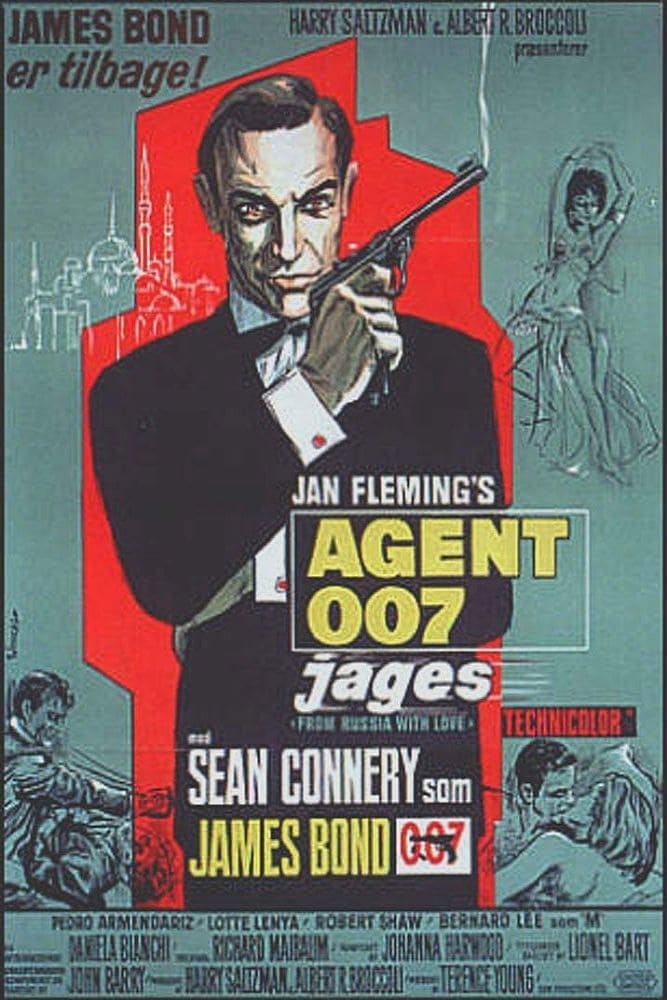
007:俄罗斯之恋 (1963) [电影] Min reol
From Russia with Love
导演: Terence Young 演员: Sean Connery / Daniela Bianchi
其它标题: Bons baisers de Russie / James Bond 007 - Liebesgrüße aus Moskau
雷迪是魔鬼党的头号杀手,一直从未失手。由于007屡次破坏魔鬼党的好事,魔鬼党决心除掉他,于是放出情报说英国军方一直渴望得到的密码机在俄国。同时,俄国女郎塔迪娜向英国军方提出要求,只要他们协助她逃往西方,即可奉上密码机。英国军方于是派出007前往俄国接应塔迪娜,拿回密码机。这边,魔鬼党早已准备好天罗地网等待007的到来。007最终命运如何?