Laureano Olivares — Actor (2)
Devil's Gold (2000) [Movie] TMDB IMDb WikiData
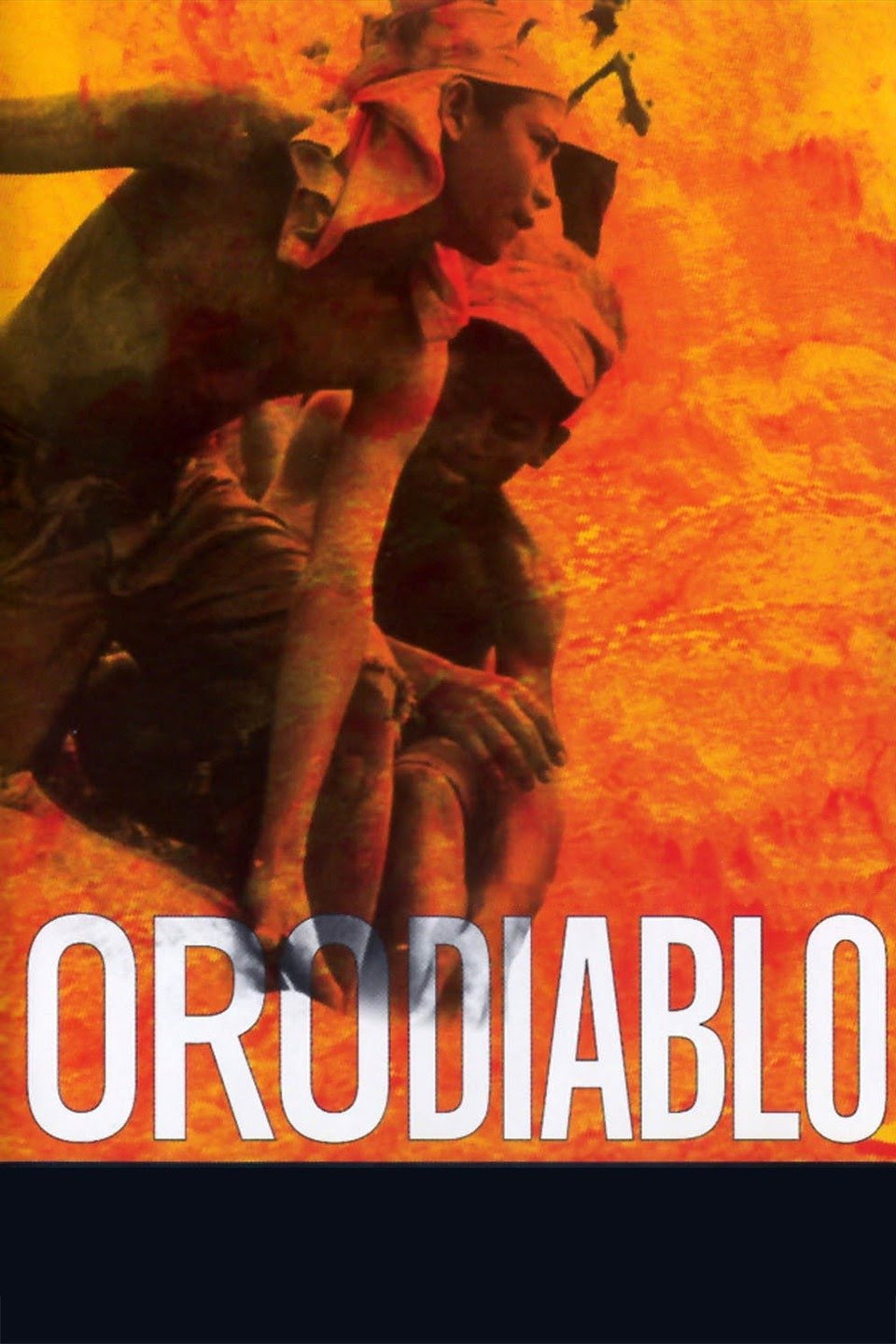
Oro Diablo
other title: Oro Diablo / Devil Gold
Devil Gold is director José Novoa's third collaboration with producer Elia Schneider, and like the previous two films, Huelepega (or Glue Sniffer, which Schneider directed in 2000) and Sicario (1994), the film is a thriller-melodrama that focuses on a real-life problem plaguing Venezuela, with an emphasis on how the conditions affect children. Thus, after a few titles explaining the impact that gold mining has had on the country's Amazon region, along with helicopter footage (later to be blended into the narrative) of the ecologically devastated area, the film settles in on the lawless shanty town of Payapal for its narrative. Gallego (Armando Gota) runs the mine, exploiting his cheap labor force. Aroldo (Pedro Lander) breaks into Gallego's safe and steals his gold, along with a good deal of gold that Gallego was holding for his workers. Aroldo involves the unwitting Carmen (Jenny Noguera) in the robbery, and, when they are discovered, he shoots and kills Gallego's young son.
Postcard From Leningrad (2007) [Movie] Douban IMDb TMDB WikiData
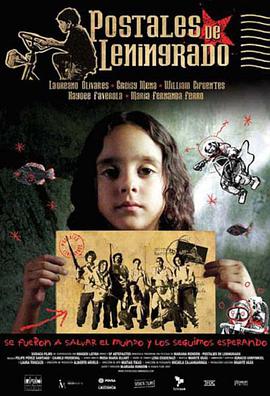
Postales de Leningrado
director: 玛丽安娜·隆顿 actor: Laureano Olivares / Greisy Mena
other title: 来自列宁格勒的明信片 / Postales de Leningrado
08奥斯卡最佳外语片委内瑞拉参赛片。影片跟着两个小孩一起回到了上个世纪60年代的委内瑞拉,通过他们,我们看到这场残酷的内战和战争中生存着的人们。


In her introduction, director Mariana Rondón thanked the countries of Venezuela and Peru for funding her film, then commented on how POSTCARDS FROM LENINGRAD was a singularly Venezuelan story. In 1960's Caracas, revolutionaries struggle against a political regime. Two children tell stories of growing up with revolutionary parents through a lens of romance and innocence. Rondón wonderfully combines dramatic and comedic narrative storytelling; faux docementary; and comic book style hand-drawn animation over live action to tell this darkly funny, yet serious story of a very volatile time and culture. At first POSTCARDS FROM LENINGRAD was confusing; Rondón jumps around in time without warning, and the two children narrate their stories as if they were comic book characters. There is none of the political nuance to explain the whys of the conflict. Gradually however, the story becomes clear, peppered with fabulous sequences of the various characters lives. Family scenes around the Venzuelan New Year are lively and telling; especially when Teo, one of narrators' parents, returns home and is subsequently captured by the government and imprisoned. A sequence 2/3 of the way through the film, depicting a group of female, revolutionary, college students committing an act or defiance is perfectly executed in groovy, 60s style, bringing together split screens, animation, music and narration sublimely. Rondón is a talented filmmaker whose work deserves broader exposure.