刘北辰 — 导演 (51)
敦刻尔克大撤退 (2004) [电影] 豆瓣
Dunkirk
导演: 演员: 提摩西·道尔顿 / 西蒙·拉塞尔·比尔
其它标题: Dunkirk
“三小时的苦难、绝望、英雄事蹟与溷乱”…星期日时报英国在1940年5月极度濒临输掉二次大战,当在法国的英军被击败到海岸地带,英国的命\悬而未决达十天之久…英国远征军企图拯救被围困在敦克尔克的四十万大军,俨然是史上最重大的海路撤退行动之一。当希特勒的军队出乎意料地从比利时 突围,英国远征军随即发现退路被切断且被居优势的德军包围。如果希特勒趁胜追击,或是如果英国当时的新首相邱吉尔,听从哈里法克斯爵士以及那些想要居中调停的人,战争将会立刻结束。反之,在这场军事史上最辉煌的救援行动中,英国在十天之内成功撤出33万8千人。节目对于代号”发电机行动”阐述独特的观点,以及透视整起行动的经过。真人实事配上档桉影片、地图与评述,以被围官兵、奉命前往援救的人以及未被救出的人的角度,忠实重现震撼人心的故事。
来自台湾的明信片 (2009) [电影] 豆瓣
The Postcards from Formosa
导演: 演员:
其它标题: The Postcards from Formosa
一群热恋台湾的影像工作者,花了两年的时间,扛着HD高画质摄影机及机械手臂等器材,走遍全岛,耐心的等待拍下台湾各个角落最美的时刻。「来自台湾的明信片」透过最真实的影像记录,串起所有的感动与讚叹,重新定义台湾自然与人文的内在精神价值,全面改写你我的台湾印象!
运用最新高画质影像技术所呈现锐利、逼真的视觉效果,从清晨破晓时分,守候到向晚昏黄,不分四季昼夜,纪录范围遍及台湾本岛及离岛,上穷高山之颠、下探海底世界。从台湾山河的波澜壮阔,到一花一叶的微观世界;从大时代的历史记忆,到小人物的点滴回忆;从民间老匠师的手艺,到艺术家的创作;「来自台湾的明信片」要让您重新领略台湾的真、善、美。
共12集,5分钟/集,本片约60分钟
1. 东岸山海恋   东澳/宜兰县
2. 爱恋水晶宫   垦丁社顶公园/屏东县
3. 森林奏鸣曲   合欢山/南投县
4. 生之莲想    白河/台南县
5. 蓝色的心跳   海生馆/屏东县
6. 蝶舞青春    阳明山/台北市
7. 怒海雄风    澎湖县
8. 幽幽一叶兰   阿里山/嘉义县
9. 龙跃大地    鹅銮鼻龙坑/屏东县
10. 夕阳无限好   垦丁/屏东县
11. 花纪.花悸   新社/台中县
12. 东方琉璃世界  日月漂/南投县
梁山伯与祝英台 [演出] 豆瓣
类型: 舞剧 编剧: 佩尔·伊斯伯格 / 罗怀臻
导演: 佩尔·伊斯伯格 / 辛丽丽 演员: 张剑 / 范晓枫、季萍萍 / 孙慎逸、吴虎生
1983年,由辽宁芭蕾舞团的著名编导张护立编导的《梁山伯与祝英台》,显示了新时期芭蕾舞剧创作中坚持民族化方向的力量和实践。
2001年1月,在佩尔·伊斯伯格的编导下,另一部新编芭蕾舞剧《梁山伯与祝英台》被中央芭蕾舞团在北京搬上舞台。
2001年12月,又有一部与此无关的同名新编芭蕾舞剧被上海芭蕾舞团搬上舞台,首演于中国上海国际艺术节闭幕式。该剧分为序幕“蝶恋”以及“共读”、“送别”、“抗婚”、“化蝶”四幕,用独特的芭蕾语言淋漓尽致地演绎出梁山伯与祝英台的绵绵情意。
此外,2001年,广州芭蕾舞团也将《梁山伯与祝英台》改编成了芭蕾舞剧。在音乐上,该剧融合了小提琴协奏曲、交响合唱、中国古琴以及中国地方戏曲越剧的音乐元素;在服装上没有用传统的芭蕾舞服,而是采用了类似中国古代的装束;动作里则融入了中国民族舞的扇舞、水袖舞等,把中国古代传统舞蹈艺术的写意手法,以及属于西方现代舞观念的抽象、朦胧、引喻等揉和在一起,既有东方神韵,又不失芭蕾的优雅之美。2001年,广州芭蕾舞团的《梁山伯与祝英台》获第三届“广州文艺奖”二等奖。2004年,获第四届中国舞蹈“荷花奖”比赛舞剧剧目铜奖。
梁山伯与祝英台 广州芭蕾舞团2001年首演版 [演出] 豆瓣
所属 演出: 梁山伯与祝英台
剧团: 广州芭蕾舞团 导演:
其它标题: 广州芭蕾舞团2001年首演版
1983年,由辽宁芭蕾舞团的著名编导张护立编导的《梁山伯与祝英台》,显示了新时期芭蕾舞剧创作中坚持民族化方向的力量和实践。
2001年1月,在佩尔·伊斯伯格的编导下,另一部新编芭蕾舞剧《梁山伯与祝英台》被中央芭蕾舞团在北京搬上舞台。
2001年12月,又有一部与此无关的同名新编芭蕾舞剧被上海芭蕾舞团搬上舞台,首演于中国上海国际艺术节闭幕式。该剧分为序幕“蝶恋”以及“共读”、“送别”、“抗婚”、“化蝶”四幕,用独特的芭蕾语言淋漓尽致地演绎出梁山伯与祝英台的绵绵情意。
此外,2001年,广州芭蕾舞团也将《梁山伯与祝英台》改编成了芭蕾舞剧。在音乐上,该剧融合了小提琴协奏曲、交响合唱、中国古琴以及中国地方戏曲越剧的音乐元素;在服装上没有用传统的芭蕾舞服,而是采用了类似中国古代的装束;动作里则融入了中国民族舞的扇舞、水袖舞等,把中国古代传统舞蹈艺术的写意手法,以及属于西方现代舞观念的抽象、朦胧、引喻等揉和在一起,既有东方神韵,又不失芭蕾的优雅之美。2001年,广州芭蕾舞团的《梁山伯与祝英台》获第三届“广州文艺奖”二等奖。2004年,获第四届中国舞蹈“荷花奖”比赛舞剧剧目铜奖。
一个陌生女人的来信 [演出] 豆瓣
7.6 (20 个评分) 类型: Theater 编剧: 茨威格(原著) / 孟丹枫
导演: 孟京辉 / 李珊 演员: 黄湘丽 / 白荟 / 李艾宣 / 方迪 / 朱琳


  《一个陌生女人的来信》改编自著名作家兹威格的小说。一个男子在41岁生日当天收到一封厚厚的信,此信出自一个濒死女人之手,所言是她对他将近20年的爱恋,但他却对此一无所知……

  故事始自18年前,她初遇男人的刹那,两人有短暂的结合,而后她经历了少女的痴迷、青春的激情,甚而流落风尘,但未曾改变对男人的爱,直至临死前才决定告白……

一个陌生女人的来信 文学朗读音乐剧场版 [演出] 豆瓣
所属 演出: 一个陌生女人的来信
剧院: 国家大剧院 导演:
其它标题: 文学朗读音乐剧场版 编剧: 演员: 朱琳 / Atherton


  《一个陌生女人的来信》改编自著名作家兹威格的小说。一个男子在41岁生日当天收到一封厚厚的信,此信出自一个濒死女人之手,所言是她对他将近20年的爱恋,但他却对此一无所知……

  故事始自18年前,她初遇男人的刹那,两人有短暂的结合,而后她经历了少女的痴迷、青春的激情,甚而流落风尘,但未曾改变对男人的爱,直至临死前才决定告白……

睡美人 [演出] 豆瓣
Спящая Красавица
类型: 舞剧 编剧: Ivan Vsevolozhsky
其它标题: Спящая Красавица / The Sleeping Beauty 导演: Marius Petipa / Alexander Gorsky 演员: Carlotta Brianza / Pavel Gerdt / Marie Petipa / Enrico Cecchetti / Varvara Nikitina
Time: Baroque
Place: Europe
Prologue (The Christening)
King Florestan XXIV and his Queen have welcomed their first child, Princess Aurora, and declare a grand christening ceremony to honor her. Six fairies are invited to the ceremony to bestow gifts on the child. Each fairy brings a gift of a virtue or positive trait, such as beauty, courage, sweetness, musical talent, and mischief. The most powerful fairy, the Lilac Fairy, arrives with her entourage, but before she can bestow her gift, the evil fairy Carabosse arrives with her minions. Carabosse furiously asks the King and Queen why she had not received an invitation to the christening. The blame falls on Catalabutte, the Master of Ceremonies who was in charge of the guest list. Carabosse gleefully tears his wig off and beats him with her staff, before placing a curse upon the baby princess as revenge: Aurora will indeed grow up to be a beautiful, healthy, delightful young lady, but on her sixteenth birthday she will prick her finger on a spindle and die. The King and Queen are horrified and beg Carabosse for mercy, but she shows none. However, the Lilac Fairy intervenes. Though she does not have enough power to completely undo the curse, she alters it, allowing the spindle to cause a peaceful 100-year sleep for the princess, rather than death. At the end of those 100 years, she will be woken by the kiss of a handsome prince. Relieved that Aurora's life will ultimately be spared, the court is set at ease.
Act I (The Spell)
It is the day of Princess Aurora's sixteenth birthday. Celebrations are underway, though the King is still unsettled by Carabosse's omen. The master of ceremonies discovers several peasant ladies frolicking about with knitting needles and alerts the King, who initially sentences the women to a harsh punishment. The Queen gently persuades him to spare the innocent citizens, and he agrees. An elaborate waltz is performed and Princess Aurora arrives. She is introduced to four suitors by her doting parents. Aurora and the suitors perform the famous Rose Adagio. Presently, a cloaked stranger appears and offers a gift to the princess: a spindle. Having never seen one before, Aurora curiously examines the strange object as her parents desperately try to intervene. As predicted, she pricks her finger. While initially appearing to recover quickly, she falls into a swoon and collapses. The cloaked stranger reveals herself to be Carabosse, who believes that her curse still stands and that the princess is dead. Once again, the Lilac Fairy quells the hubbub and reminds the King and Queen that Aurora is merely asleep. The princess is carried off to bed, and the Lilac Fairy casts a spell of slumber over the entire kingdom, which will only be broken when Aurora awakens. A thick layer of thorny plants grows over the palace, hiding it from view.
Act II (The Vision)
One hundred years later, Prince Désiré is attending a hunting party. Though his companions are lighthearted, the prince is unhappy and eventually asks to be left alone. On his own in the forest, he is met by the Lilac Fairy, who has chosen him to awaken Aurora. She shows him a vision of the beautiful princess, and the prince is immediately smitten. The Lilac Fairy explains the situation, and Désiré begs to be taken to the princess. The Lilac Fairy takes him to the hidden castle. Carabosse makes one last attempt to cement her vengeful curse, but the Lilac Fairy and the prince manage to defeat her together at last. Once inside the castle, Désiré awakens Aurora with a kiss. The rest of the court wakes as well, and the King and Queen heartily approve when the prince proposes marriage and the princess accepts.
Act III (The Wedding)
The royal wedding is under way. Guests include the Jewel Fairies: Diamond, Gold, Silver and Sapphire, and of course the Lilac Fairy. Fairytale characters are in attendance, including Puss in Boots and The White Cat, Princess Florine and the Bluebird, and others. Aurora and Désiré perform a grand Pas de Deux, and the entire ensemble dances. The prince and princess are married, with the Lilac Fairy blessing the union.
睡美人 2004年北京舞蹈学院版 [演出] 豆瓣
所属 演出: 睡美人
剧团: 北京舞蹈学院 剧院: 天桥剧场 导演:
其它标题: 2004年北京舞蹈学院版 作曲: Pyotr Ilyich Tchaikovsky
Time: Baroque
Place: Europe
Prologue (The Christening)
King Florestan XXIV and his Queen have welcomed their first child, Princess Aurora, and declare a grand christening ceremony to honor her. Six fairies are invited to the ceremony to bestow gifts on the child. Each fairy brings a gift of a virtue or positive trait, such as beauty, courage, sweetness, musical talent, and mischief. The most powerful fairy, the Lilac Fairy, arrives with her entourage, but before she can bestow her gift, the evil fairy Carabosse arrives with her minions. Carabosse furiously asks the King and Queen why she had not received an invitation to the christening. The blame falls on Catalabutte, the Master of Ceremonies who was in charge of the guest list. Carabosse gleefully tears his wig off and beats him with her staff, before placing a curse upon the baby princess as revenge: Aurora will indeed grow up to be a beautiful, healthy, delightful young lady, but on her sixteenth birthday she will prick her finger on a spindle and die. The King and Queen are horrified and beg Carabosse for mercy, but she shows none. However, the Lilac Fairy intervenes. Though she does not have enough power to completely undo the curse, she alters it, allowing the spindle to cause a peaceful 100-year sleep for the princess, rather than death. At the end of those 100 years, she will be woken by the kiss of a handsome prince. Relieved that Aurora's life will ultimately be spared, the court is set at ease.
Act I (The Spell)
It is the day of Princess Aurora's sixteenth birthday. Celebrations are underway, though the King is still unsettled by Carabosse's omen. The master of ceremonies discovers several peasant ladies frolicking about with knitting needles and alerts the King, who initially sentences the women to a harsh punishment. The Queen gently persuades him to spare the innocent citizens, and he agrees. An elaborate waltz is performed and Princess Aurora arrives. She is introduced to four suitors by her doting parents. Aurora and the suitors perform the famous Rose Adagio. Presently, a cloaked stranger appears and offers a gift to the princess: a spindle. Having never seen one before, Aurora curiously examines the strange object as her parents desperately try to intervene. As predicted, she pricks her finger. While initially appearing to recover quickly, she falls into a swoon and collapses. The cloaked stranger reveals herself to be Carabosse, who believes that her curse still stands and that the princess is dead. Once again, the Lilac Fairy quells the hubbub and reminds the King and Queen that Aurora is merely asleep. The princess is carried off to bed, and the Lilac Fairy casts a spell of slumber over the entire kingdom, which will only be broken when Aurora awakens. A thick layer of thorny plants grows over the palace, hiding it from view.
Act II (The Vision)
One hundred years later, Prince Désiré is attending a hunting party. Though his companions are lighthearted, the prince is unhappy and eventually asks to be left alone. On his own in the forest, he is met by the Lilac Fairy, who has chosen him to awaken Aurora. She shows him a vision of the beautiful princess, and the prince is immediately smitten. The Lilac Fairy explains the situation, and Désiré begs to be taken to the princess. The Lilac Fairy takes him to the hidden castle. Carabosse makes one last attempt to cement her vengeful curse, but the Lilac Fairy and the prince manage to defeat her together at last. Once inside the castle, Désiré awakens Aurora with a kiss. The rest of the court wakes as well, and the King and Queen heartily approve when the prince proposes marriage and the princess accepts.
Act III (The Wedding)
The royal wedding is under way. Guests include the Jewel Fairies: Diamond, Gold, Silver and Sapphire, and of course the Lilac Fairy. Fairytale characters are in attendance, including Puss in Boots and The White Cat, Princess Florine and the Bluebird, and others. Aurora and Désiré perform a grand Pas de Deux, and the entire ensemble dances. The prince and princess are married, with the Lilac Fairy blessing the union.
朱买臣 [演出] 豆瓣
类型: 梨园戏 编剧:
剧团: 福建省梨园戏传承中心 剧院: 泉州梨园戏古典剧院 导演: 演员: 林苍晓 / 曾静萍 / 王胜利、李辉逸 / 吴幼清、周亚涓 / 吴艺华
西汉年间,书生朱买臣时运不济、贫寒交迫。其妻赵小娘耐不住清贫,在妗婆与媒人钱大姐的唆使下,不听耆老张公的劝告,逼迫朱买臣写下休书,欲行改嫁。后来,朱买臣做了太守,衣锦还乡。赵小娘悔恨难当,赶忙托付张公,代为求情说合。此时,朱买臣虽已另娶倪尚书之女为妻,但以“覆水难收心可收”为由,重新接纳了赵小娘,团圆收场。
该剧是梨园戏上路流派“十八棚头”剧目之一,风格古朴风趣,生动诙谐,保存了许多闽南古谚语,令人捧腹大笑,是大梨园“咀白戏”的优秀代表作。尤其值得一提的是,梨园戏《朱买臣》的“大团圆”结局迥异于其他剧种“马前泼水拒妻”的结局,在戏曲界独树一帜。
此次剧团严格遵循老艺人口述残本复排,并请出1956、1957级老艺人传授,是建团以来《朱买臣》残本的首次公演。四代梨园人共同坚守,薪火相承。
红色娘子军 [演出] 豆瓣
类型: 舞剧
导演: 李承祥 / 王希贤 演员: 白淑湘、钟润良 / 刘庆棠、王国华 / 吴静姝 / 李新盈 / 李承祥
这部芭蕾舞剧根据谢晋导演、梁信编剧的同名电影集体改编。故事发生在20世纪30年代的中国海南岛。以中国革命历史为背景依托,舞剧讲述了从恶霸南霸天府中逃出来的丫鬟琼花,在红军党代表洪常青的帮助下,从一名苦大仇深的农村姑娘,逐渐转变成一名有着坚定的共产主义信念的娘子军战士的过程。
序幕 夜——恶霸地主南霸天的土牢
  贫农女儿琼花被绑吊在柱子上,狗腿子老四奉命将她卖掉。琼花仇恨满腔,踢倒老四,夺命而逃。
第一场 深夜——漆黑的椰林
  琼花逃出匪巢不久,即被追来的恶奴捉捕,被打得遍体鳞伤,昏死过去。刹时暴雨倾盆,南霸天料琼花已死,遂与奴仆仓皇而去。红军干部洪常青与通信员小庞化装侦察,途经椰林,救起琼花,问明身世后,指引琼花投奔红区。
第二场 几天后的上午——红色根据地广场
  晴空万里,彩旗飘扬,军民共同庆祝红色娘子军连的成立。
  琼花历尽艰辛赶到会场,受到热烈的欢迎和亲切的关怀。她愤怒地控诉了南霸天的滔天罪行,激起军民怒火万丈。娘子军党代表洪常青以琼花的世代怨仇教育广大军民。琼花随即加入娘子军,并由连长授枪。
第三场 黄昏——南霸天的庭院
  趁南霸天庆寿,洪常青乔装为归国华侨巨商,深入虎穴,约定午夜鸣枪为号,与娘子军里应外合,歼灭南贼。入夜,琼花悄悄进入匪巢与小庞联络。一见南霸天,琼花抑制不住满腔怒火,擅自开枪,过早地暴露了战斗信号。南霸天得以从地洞潜逃,洪常青坚定果断,沉着指挥,与战友齐攻匪巢,红军开仓分粮,贫苦的众乡亲庆祝解放,一片欢腾景象。琼花违反纪律,打乱了作战部署,洪常青对她进行语重心长的劝导。
第四场 清晨——红军宿营地
  洪常青给娘子军上政治课,教育战士们加强组织纪律性。经过洪常青的教诲,琼花豁然开朗,决心为解放全国人民而战斗。乡亲们采荔枝,编斗笠慰问红军,军民团结一家亲。
  突接命令,传来炮声,南匪已进犯解放区。战士、担架队告别亲人,满怀胜利信心踏上征程。
第五场 黎明前——山口阵地
  为歼灭敌人后援,红军主力部队迅速转移,插入敌军后方。洪常青率阻击排战士,临守山口,英勇奋战,阻击敌人。任务完成后,常青掩护战友撤离阵地,不幸身负重伤,昏迷被俘。洪常青苏醒后,毅然挺立,怒视群匪。
  过场 红军主力以排山倒海之势,奋勇前进,追歼匪军。
第六场 黄昏——南霸天的后院
  红军主力节节胜利,步步逼进南贼老巢。南霸天惊恐万状,垂死挣扎,妄想威逼洪常青投降。洪常青怒斥南贼,断然拒绝,大义凛然,英勇就义,尽显其大无畏的英雄气概。
  经艰苦,红军解放了椰林寨,歼灭了南霸天。琼花接任了党代表职务,广大群众纷纷参加红军,战斗的歌声响彻云霄。
  向前进,向前进,胜利向前进!
红色娘子军 中央芭蕾舞团1992年版 [演出] 豆瓣
所属 演出: 红色娘子军
剧团: 中央芭蕾舞团 导演:
其它标题: 中央芭蕾舞团1992年版 作曲: 吴祖强 / 杜鸣心 演员: 冯英 / 王才军
这部芭蕾舞剧根据谢晋导演、梁信编剧的同名电影集体改编。故事发生在20世纪30年代的中国海南岛。以中国革命历史为背景依托,舞剧讲述了从恶霸南霸天府中逃出来的丫鬟琼花,在红军党代表洪常青的帮助下,从一名苦大仇深的农村姑娘,逐渐转变成一名有着坚定的共产主义信念的娘子军战士的过程。
序幕 夜——恶霸地主南霸天的土牢
  贫农女儿琼花被绑吊在柱子上,狗腿子老四奉命将她卖掉。琼花仇恨满腔,踢倒老四,夺命而逃。
第一场 深夜——漆黑的椰林
  琼花逃出匪巢不久,即被追来的恶奴捉捕,被打得遍体鳞伤,昏死过去。刹时暴雨倾盆,南霸天料琼花已死,遂与奴仆仓皇而去。红军干部洪常青与通信员小庞化装侦察,途经椰林,救起琼花,问明身世后,指引琼花投奔红区。
第二场 几天后的上午——红色根据地广场
  晴空万里,彩旗飘扬,军民共同庆祝红色娘子军连的成立。
  琼花历尽艰辛赶到会场,受到热烈的欢迎和亲切的关怀。她愤怒地控诉了南霸天的滔天罪行,激起军民怒火万丈。娘子军党代表洪常青以琼花的世代怨仇教育广大军民。琼花随即加入娘子军,并由连长授枪。
第三场 黄昏——南霸天的庭院
  趁南霸天庆寿,洪常青乔装为归国华侨巨商,深入虎穴,约定午夜鸣枪为号,与娘子军里应外合,歼灭南贼。入夜,琼花悄悄进入匪巢与小庞联络。一见南霸天,琼花抑制不住满腔怒火,擅自开枪,过早地暴露了战斗信号。南霸天得以从地洞潜逃,洪常青坚定果断,沉着指挥,与战友齐攻匪巢,红军开仓分粮,贫苦的众乡亲庆祝解放,一片欢腾景象。琼花违反纪律,打乱了作战部署,洪常青对她进行语重心长的劝导。
第四场 清晨——红军宿营地
  洪常青给娘子军上政治课,教育战士们加强组织纪律性。经过洪常青的教诲,琼花豁然开朗,决心为解放全国人民而战斗。乡亲们采荔枝,编斗笠慰问红军,军民团结一家亲。
  突接命令,传来炮声,南匪已进犯解放区。战士、担架队告别亲人,满怀胜利信心踏上征程。
第五场 黎明前——山口阵地
  为歼灭敌人后援,红军主力部队迅速转移,插入敌军后方。洪常青率阻击排战士,临守山口,英勇奋战,阻击敌人。任务完成后,常青掩护战友撤离阵地,不幸身负重伤,昏迷被俘。洪常青苏醒后,毅然挺立,怒视群匪。
  过场 红军主力以排山倒海之势,奋勇前进,追歼匪军。
第六场 黄昏——南霸天的后院
  红军主力节节胜利,步步逼进南贼老巢。南霸天惊恐万状,垂死挣扎,妄想威逼洪常青投降。洪常青怒斥南贼,断然拒绝,大义凛然,英勇就义,尽显其大无畏的英雄气概。
  经艰苦,红军解放了椰林寨,歼灭了南霸天。琼花接任了党代表职务,广大群众纷纷参加红军,战斗的歌声响彻云霄。
  向前进,向前进,胜利向前进!
堂吉诃德 [演出] 豆瓣
Дон Кихот
类型: 舞剧 编剧: Marius Petipa / Carlos Acosta
其它标题: Дон Кихот / Don Quixote 导演: Marius Petipa / Rudolf Nureyev 演员: Christopher Saunders / Philip Mosley / Gary Avis / Akane Takada / Alexander Campbell
Prologue
Don Quixote's Study
Bachelor Sanson Carrasco is seen covering a bookcase with wallpaper, while Antonina is putting some rusty old armour and a helmet made of pasteboard into a cupboard. Don Quixote de la Mancha enters, reading a book. He goes to the bookcase and, not finding it, believes it has been stolen by evil magicians. Then he settles into an armchair and continues reading. He delights in stories of brave knights, fabulous giants and other fantastical creatures, but most of all Don Quixote dreams of his beloved Dulcinea, a woman that he believes to be so lovely and noble that she must be divinity. Gradually he nods and falls asleep to dream of their romantic adventures. Darkness falls.
Suddenly his servant, Sancho Panza, climbs hurriedly through the window. In pursuit are several angry women from the market from whom he has stolen bread and a chicken. Awakened by the commotion, Don Quixote sends the women away. Don Quixote tells Sancho that he is determined to seek adventures as a knight-errant, all the while searching for his beloved Dulcinea. He shows him the pasteboard helmet, which, with one sweep from his sword, becomes a shapeless mass on the floor. Antonina suggests that he should use a shaving basin instead, which would make a splendid helmet. Don Quixote enthusiastically agrees and, placing it on his head, orders Sancho to bring him his armour, sword and spear, and to make ready his horse, Rocinante.
Act I
A market-place in Barcelona
Kitri, an inn-keeper's daughter, steals out of her house to meet her beloved, the barber Basilio. Her father, Lorenzo, sees the lovers and sends Basilio away, bringing Kitri to tears. Now comes the rich nobleman Gamache, who, likewise in love with Kitri, goes to Lorenzo and asks for his daughter's hand. The innkeeper accepts with delight but Kitri, appalled at the thought of wedding the foppish nobleman, runs away.
Dancing begins in the square and some toreadors try to kidnap the girls they fancy, but their relatives and lovers hasten to their aid. At this moment Don Quixote arrives mounted on Rocinante, followed by Sancho, who is riding a donkey. At his master's command Sancho sounds his rusted horn, causing the townspeople to cover their ears. Lorenzo runs out of his inn, and Don Quixote, taking him for the lord of a famous castle, dismounts Rocinante and, falling to his knees, begs to be allowed to serve him. Charmed, Lorenzo invites the knight to sit on his balcony. Sancho remains in the square where he is surrounded by girls who induce him to take part in a game of blind man's bluff. Then some boys bring in a blanket on which they place Sancho and proceed to toss him into the air. Don Quixote hurries to his assistance and sets him free.
Peasants gather in the square and dancing resumes. Kitri returns and, noticing her, Don Quixote acclaims her as his Dulcinea, whom evil magicians have reduced to human form. Becoming jealous of her affection for Basilio, Don Quixote attempts to woo her by partnering her in a minuet. Lorenzo berates Kitri for carrying on with Basilio. Kitri and Basilio then run away, and Lorenzo and Gamache follow them. Don Quixote orders Sancho to bring Rocinante, so that he may also set out in pursuit.
Act II
Scene 1 – A camp of gypsies among the windmills outside the village
Kitri, disguised as a boy is seen walking with Harlequin from a troupe of travelling actors. They guess she is a girl and ask her to stay with them.
Scene 2 - The Puppet Theatre
A clown is seen walking with Graziosa, the gypsy chief's daughter. A gypsy tells the chief of the approach of Don Quixote. The chief plans a trick for his benefit and, putting on a mantle crown, sits down as though he were a king on a throne. Don Quixote is deceived and kneels to the chief in homage. The chief bids that he sit beside him and orders a festival to be given in his honor. This begins with Gypsy dances and is followed by a performance of the marionette theatre. Don Quixote is delighted with the entertainment but, mistaking the heroine for his Dulcinea and the marionettes for soldiers attacking her, he rises to assault them. The gypsies are terrified. At this moment the clown and Graziosa run away.
Scene 3 - The Windmills
Flushed with victory, the knight kneels and renders thanks to heaven. Seeing the moon, he takes it for his Dulcinea and tries to get to her. As he approaches the windmills he can see the moon no longer and thinks that evil magicians have hidden his beloved mistress. So, spear in hand, he tilts at the wings of the windmill, which he mistakes for a giant. Alas, the knight is caught by one of the wings and flung into the air. He falls unconscious at Sancho's feet.
Scene 4 – A forest
Through the trees appears Sancho leading Rocinante, upon which sits the wounded Don Quixote. The servant lifts his master down and places him on the grass, so that he may rest. Then, tying up the horse, he goes to sleep. Don Quixote also tries to sleep, but is troubled by fantastic dreams.
Scene 5 – The enchanted Garden of Dulcinea
Fairies appear surrounded by gnomes and Don Quixote finds himself dressed in shining armor. Then comes a succession of fearsome monsters, the last being a gigantic spider, who spins a web. The knight attacks the spider, which he slashes in half with his sword. At that same moment the spider's web vanishes to reveal a beautiful garden, filled with dryads and beautiful women, presided over by the Queen of the Dryads and Amor. Among them is Dulcinea and Don Quixote kneels before his beloved. At this moment everything vanishes.
Act III
The Square
Back at the square, Kitri and Basilio join those who are dancing. At the height of the merriment, Lorenzo and Gamache arrive, followed by Don Quixote and Sancho. Seeing his daughter, Lorenzo decides to give his blessing to her union with the nobleman Gamache. Basilio becomes annoyed and, reproaching Kitri for her unfaithfulness, draws a sword and stabs himself. As he lies dying he begs Lorenzo to unite him with Kitri, but Lorenzo and Gamache refuse. Don Quixote approaches Gamache and challenges him to a duel for having refused a dying man's wish. Gamache declines to fight and the merrymakers drive him out of the inn. Taking pity, Lorenzo agrees to unite Basilio and Kitri. At this moment, Basilio pulls out the sword and tells everyone it was a joke.
Act IV
The Tavern
A magnificent feast is held in honour of Don Quixote. Suddenly the Knight of the Silver Moon challenges him to a duel, which results in the latter being vanquished. The victorious knight proves to be none other than Bachelor Sanson Carrasco, who forces Don Quixote to vow that he will not unsheathe his sword for a whole year. The sorrowful knight, true to his vow, takes up his warlike gear and, followed by Sancho, sets out for home.
堂吉诃德 上海芭蕾舞团1995年访台演出版 [演出] 豆瓣
所属 演出: 堂吉诃德
剧团: 上海芭蕾舞团 导演:
其它标题: 上海芭蕾舞团1995年访台演出版
Prologue
Don Quixote's Study
Bachelor Sanson Carrasco is seen covering a bookcase with wallpaper, while Antonina is putting some rusty old armour and a helmet made of pasteboard into a cupboard. Don Quixote de la Mancha enters, reading a book. He goes to the bookcase and, not finding it, believes it has been stolen by evil magicians. Then he settles into an armchair and continues reading. He delights in stories of brave knights, fabulous giants and other fantastical creatures, but most of all Don Quixote dreams of his beloved Dulcinea, a woman that he believes to be so lovely and noble that she must be divinity. Gradually he nods and falls asleep to dream of their romantic adventures. Darkness falls.
Suddenly his servant, Sancho Panza, climbs hurriedly through the window. In pursuit are several angry women from the market from whom he has stolen bread and a chicken. Awakened by the commotion, Don Quixote sends the women away. Don Quixote tells Sancho that he is determined to seek adventures as a knight-errant, all the while searching for his beloved Dulcinea. He shows him the pasteboard helmet, which, with one sweep from his sword, becomes a shapeless mass on the floor. Antonina suggests that he should use a shaving basin instead, which would make a splendid helmet. Don Quixote enthusiastically agrees and, placing it on his head, orders Sancho to bring him his armour, sword and spear, and to make ready his horse, Rocinante.
Act I
A market-place in Barcelona
Kitri, an inn-keeper's daughter, steals out of her house to meet her beloved, the barber Basilio. Her father, Lorenzo, sees the lovers and sends Basilio away, bringing Kitri to tears. Now comes the rich nobleman Gamache, who, likewise in love with Kitri, goes to Lorenzo and asks for his daughter's hand. The innkeeper accepts with delight but Kitri, appalled at the thought of wedding the foppish nobleman, runs away.
Dancing begins in the square and some toreadors try to kidnap the girls they fancy, but their relatives and lovers hasten to their aid. At this moment Don Quixote arrives mounted on Rocinante, followed by Sancho, who is riding a donkey. At his master's command Sancho sounds his rusted horn, causing the townspeople to cover their ears. Lorenzo runs out of his inn, and Don Quixote, taking him for the lord of a famous castle, dismounts Rocinante and, falling to his knees, begs to be allowed to serve him. Charmed, Lorenzo invites the knight to sit on his balcony. Sancho remains in the square where he is surrounded by girls who induce him to take part in a game of blind man's bluff. Then some boys bring in a blanket on which they place Sancho and proceed to toss him into the air. Don Quixote hurries to his assistance and sets him free.
Peasants gather in the square and dancing resumes. Kitri returns and, noticing her, Don Quixote acclaims her as his Dulcinea, whom evil magicians have reduced to human form. Becoming jealous of her affection for Basilio, Don Quixote attempts to woo her by partnering her in a minuet. Lorenzo berates Kitri for carrying on with Basilio. Kitri and Basilio then run away, and Lorenzo and Gamache follow them. Don Quixote orders Sancho to bring Rocinante, so that he may also set out in pursuit.
Act II
Scene 1 – A camp of gypsies among the windmills outside the village
Kitri, disguised as a boy is seen walking with Harlequin from a troupe of travelling actors. They guess she is a girl and ask her to stay with them.
Scene 2 - The Puppet Theatre
A clown is seen walking with Graziosa, the gypsy chief's daughter. A gypsy tells the chief of the approach of Don Quixote. The chief plans a trick for his benefit and, putting on a mantle crown, sits down as though he were a king on a throne. Don Quixote is deceived and kneels to the chief in homage. The chief bids that he sit beside him and orders a festival to be given in his honor. This begins with Gypsy dances and is followed by a performance of the marionette theatre. Don Quixote is delighted with the entertainment but, mistaking the heroine for his Dulcinea and the marionettes for soldiers attacking her, he rises to assault them. The gypsies are terrified. At this moment the clown and Graziosa run away.
Scene 3 - The Windmills
Flushed with victory, the knight kneels and renders thanks to heaven. Seeing the moon, he takes it for his Dulcinea and tries to get to her. As he approaches the windmills he can see the moon no longer and thinks that evil magicians have hidden his beloved mistress. So, spear in hand, he tilts at the wings of the windmill, which he mistakes for a giant. Alas, the knight is caught by one of the wings and flung into the air. He falls unconscious at Sancho's feet.
Scene 4 – A forest
Through the trees appears Sancho leading Rocinante, upon which sits the wounded Don Quixote. The servant lifts his master down and places him on the grass, so that he may rest. Then, tying up the horse, he goes to sleep. Don Quixote also tries to sleep, but is troubled by fantastic dreams.
Scene 5 – The enchanted Garden of Dulcinea
Fairies appear surrounded by gnomes and Don Quixote finds himself dressed in shining armor. Then comes a succession of fearsome monsters, the last being a gigantic spider, who spins a web. The knight attacks the spider, which he slashes in half with his sword. At that same moment the spider's web vanishes to reveal a beautiful garden, filled with dryads and beautiful women, presided over by the Queen of the Dryads and Amor. Among them is Dulcinea and Don Quixote kneels before his beloved. At this moment everything vanishes.
Act III
The Square
Back at the square, Kitri and Basilio join those who are dancing. At the height of the merriment, Lorenzo and Gamache arrive, followed by Don Quixote and Sancho. Seeing his daughter, Lorenzo decides to give his blessing to her union with the nobleman Gamache. Basilio becomes annoyed and, reproaching Kitri for her unfaithfulness, draws a sword and stabs himself. As he lies dying he begs Lorenzo to unite him with Kitri, but Lorenzo and Gamache refuse. Don Quixote approaches Gamache and challenges him to a duel for having refused a dying man's wish. Gamache declines to fight and the merrymakers drive him out of the inn. Taking pity, Lorenzo agrees to unite Basilio and Kitri. At this moment, Basilio pulls out the sword and tells everyone it was a joke.
Act IV
The Tavern
A magnificent feast is held in honour of Don Quixote. Suddenly the Knight of the Silver Moon challenges him to a duel, which results in the latter being vanquished. The victorious knight proves to be none other than Bachelor Sanson Carrasco, who forces Don Quixote to vow that he will not unsheathe his sword for a whole year. The sorrowful knight, true to his vow, takes up his warlike gear and, followed by Sancho, sets out for home.
卡门 [演出] 豆瓣
Carmen
7.8 (5 个评分) 类型: 弗拉门戈舞剧 编剧: 普罗斯佩·梅里美(Prosper Merimee) / 马诺洛·马丁
其它标题: Carmen 导演: 拉法叶·亚吉拉(Rafael Aguilar) / 未知 演员: 安东尼奥·加德斯 / 瓦内莎·万托 / 安杰尔·吉尔 / 杰罗·罗德里格兹 / 杰昆·穆列罗
弗拉门戈舞剧《卡门》是在乔治·比才作曲的歌剧《卡门》基础上改编而成。该剧采用西班牙热情奔放的弗拉门戈舞,讲述了发生在西班牙塞维利亚的这段爱情故事。
该剧版本很多。例如1992年,《弗拉明戈舞剧—卡门》在拉法叶·亚吉拉的精心创作下诞生,四月于东京的成功首演,更将这部属于西班牙骄傲的剧作带回卡门的诞生地——法国,名留德国、意大利等欧洲各国。
这是一个发生在十九世纪,美丽的西班牙小镇塞维利亚的一段震撼人心的爱情故事……
卡门,想要自由游戏于爱情的世界不受任何的道德拘束!
荷西,想要囚禁爱情于道德的世界接受一切的世俗规范!
个性迥然而异的两个人,在广场的骄阳下相遇热恋,赤裸的激情让荷西陷入爱情泥沼无法自拔,然而卡门却认定斗牛士艾斯卡米洛才是内心的真爱。嫉妒、疯狂、占有、执著……当这些人类内心最不可压抑的情感碰撞在一起,就造就了卡门的悲剧,卡门的绝唱。
卡门 安东尼奥·加德斯舞蹈团2014年访华演出版 [演出] 豆瓣
所属 演出: 卡门
剧团: 安东尼奥·加德斯舞蹈团 剧院: 国家大剧院 导演:
其它标题: 安东尼奥·加德斯舞蹈团2014年访华演出版 编剧: 安东尼奥·加德斯 / 卡洛斯·绍拉 作曲: 加德斯、索列拉、弗雷尔改编 / 取材比才的《卡门》 演员: 瓦内莎·万托 / 安杰尔·吉尔
弗拉门戈舞剧《卡门》是在乔治·比才作曲的歌剧《卡门》基础上改编而成。该剧采用西班牙热情奔放的弗拉门戈舞,讲述了发生在西班牙塞维利亚的这段爱情故事。
该剧版本很多。例如1992年,《弗拉明戈舞剧—卡门》在拉法叶·亚吉拉的精心创作下诞生,四月于东京的成功首演,更将这部属于西班牙骄傲的剧作带回卡门的诞生地——法国,名留德国、意大利等欧洲各国。
这是一个发生在十九世纪,美丽的西班牙小镇塞维利亚的一段震撼人心的爱情故事……
卡门,想要自由游戏于爱情的世界不受任何的道德拘束!
荷西,想要囚禁爱情于道德的世界接受一切的世俗规范!
个性迥然而异的两个人,在广场的骄阳下相遇热恋,赤裸的激情让荷西陷入爱情泥沼无法自拔,然而卡门却认定斗牛士艾斯卡米洛才是内心的真爱。嫉妒、疯狂、占有、执著……当这些人类内心最不可压抑的情感碰撞在一起,就造就了卡门的悲剧,卡门的绝唱。
白兔子,红兔子 [演出] 豆瓣
类型: Theater 编剧: 南星苏雷曼波尔
导演: 未知 / 演员: 阿雅 / 王子川 / 赵红薇 / 柯蓝 / 李乃文
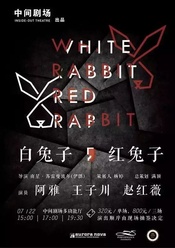
【没有排练,没有导演,每一位演员只演出一次——】

《白兔子,红兔子》的演出规则,就是通过反常的表演流程,构成了一次充满未知的戏剧游戏。创作者伊朗作家Nassim Soleimanpour,因护照遭到伊朗政府扣留而无法出境。随后他开始将这样一出规则严密的作品发往世界各地,希望借由当地剧院的制作和演出,实现作品的世界“巡演”。

每一场表演必须由不同的演员来完成,每一位演员必须在表演开始前48小时内才能拿到指令,进行准备。不允许演员在表演前阅读剧本或者观看此剧,也不建议观众从任何方式得知此剧的内容。

演员将在舞台上撕开一个牛皮纸的口袋,第一次接触这个剧本,拿出一沓不太厚的纸开始读起来。就在演员平缓而并不戏剧性的朗读中,故事慢慢展开。这是一个没有由头却又丝丝入扣的故事,或者说一个寓言——所有观众认真扮演自己的角色。故事的矛盾在终点处达到高潮,却只留给每个人一个未解的问题离开剧场。

这部作品在2011年爱丁堡艺穗节首演,获得了Arches Brick 奖项,随后又在Clubbed Thumb夏季演出和都柏林艺穗节上分别获得“杰出新表演奖”和“最佳新表演奖”;作品已经被翻译成至少20种语言,在全世界表演超过1000余次。

2017年,中间剧场将第一次把作品以中文的形式带入中国演出。


【这是一次,没有,如果,的演出——】


此次《红兔子白兔子》的中文版本制作,邀请了戏剧导演杨婷参与策展,她带来的演员首发阵容则是阿雅,王子川,赵红薇。三位演员将在7月22日当天抽签决定出场顺序,连续带来三场戏剧游戏。

杨婷表示,准备这次策展的时候,她将自己放在表演者的角色中试读了一次,真的是什么都不知道,也不知道接下来要面对的是什么。这个作品确实有它的恐惧性,并没有那么的简单。而这样的表演,也许在演出过程中不会第一时间感受到全部,而演完之后再琢磨,会想当时这个地方这么演就好了,一定会留下很多遗憾。但是没有了,这是一次没有如果的演出。


【用, 一个作品, 与观众,谈一谈,规则——】


这是一个对于演员、制作方、观众都有严格约束的作品。在剧场内,观众禁止拍照、手机必须静音;在演出结束后,观众也不允许分享与演出内容直接有关的信息。如果不遵守这些基本观演规则,这部作品带来的体验对于被“泄密”的观众而言就将大打折扣。因此为了保证作品的演出效果,总策划满顶表示,“规则”是这次项目策划的核心出发点,为此主创和制作方将在作品自身的规则基础上增加另外一套游戏玩法,以应对作品泄密之后的处理,欢迎各位前来参与。
白兔子,红兔子 版本13 [演出] 豆瓣
所属 演出: 白兔子,红兔子
剧院: 成都繁星戏剧村 导演:
其它标题: 版本13 编剧: 南星苏雷曼波尔 演员: 赵晓苏
【没有排练,没有导演,每一位演员只演出一次——】

《白兔子,红兔子》的演出规则,就是通过反常的表演流程,构成了一次充满未知的戏剧游戏。创作者伊朗作家Nassim Soleimanpour,因护照遭到伊朗政府扣留而无法出境。随后他开始将这样一出规则严密的作品发往世界各地,希望借由当地剧院的制作和演出,实现作品的世界“巡演”。

每一场表演必须由不同的演员来完成,每一位演员必须在表演开始前48小时内才能拿到指令,进行准备。不允许演员在表演前阅读剧本或者观看此剧,也不建议观众从任何方式得知此剧的内容。

演员将在舞台上撕开一个牛皮纸的口袋,第一次接触这个剧本,拿出一沓不太厚的纸开始读起来。就在演员平缓而并不戏剧性的朗读中,故事慢慢展开。这是一个没有由头却又丝丝入扣的故事,或者说一个寓言——所有观众认真扮演自己的角色。故事的矛盾在终点处达到高潮,却只留给每个人一个未解的问题离开剧场。

这部作品在2011年爱丁堡艺穗节首演,获得了Arches Brick 奖项,随后又在Clubbed Thumb夏季演出和都柏林艺穗节上分别获得“杰出新表演奖”和“最佳新表演奖”;作品已经被翻译成至少20种语言,在全世界表演超过1000余次。

2017年,中间剧场将第一次把作品以中文的形式带入中国演出。


【这是一次,没有,如果,的演出——】


此次《红兔子白兔子》的中文版本制作,邀请了戏剧导演杨婷参与策展,她带来的演员首发阵容则是阿雅,王子川,赵红薇。三位演员将在7月22日当天抽签决定出场顺序,连续带来三场戏剧游戏。

杨婷表示,准备这次策展的时候,她将自己放在表演者的角色中试读了一次,真的是什么都不知道,也不知道接下来要面对的是什么。这个作品确实有它的恐惧性,并没有那么的简单。而这样的表演,也许在演出过程中不会第一时间感受到全部,而演完之后再琢磨,会想当时这个地方这么演就好了,一定会留下很多遗憾。但是没有了,这是一次没有如果的演出。


【用, 一个作品, 与观众,谈一谈,规则——】


这是一个对于演员、制作方、观众都有严格约束的作品。在剧场内,观众禁止拍照、手机必须静音;在演出结束后,观众也不允许分享与演出内容直接有关的信息。如果不遵守这些基本观演规则,这部作品带来的体验对于被“泄密”的观众而言就将大打折扣。因此为了保证作品的演出效果,总策划满顶表示,“规则”是这次项目策划的核心出发点,为此主创和制作方将在作品自身的规则基础上增加另外一套游戏玩法,以应对作品泄密之后的处理,欢迎各位前来参与。
白毛女 松山芭蕾舞团2010年新编版 [演出] 豆瓣
所属 演出: 白毛女
剧团: 松山芭蕾舞团 剧院: 东京五反田剧场 导演:
其它标题: 松山芭蕾舞团2010年新编版 作曲: 上海芭蕾舞团编配 演员: 森下洋子 / 清水哲太郎
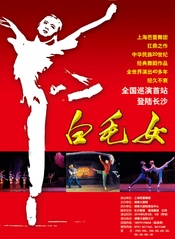
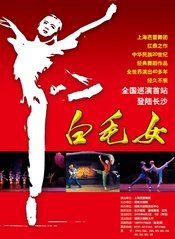
最早将电影《白毛女》改编为芭蕾舞剧的艺术团体是日本松山芭蕾舞团,该团于1955年在东京首演《白毛女》。直到10年后的1965年,中国才创编了芭蕾舞剧《白毛女》。这两部同名芭蕾舞剧是各自独立创作。
胡蓉蓉于1960年起任上海市舞蹈学校(以下简称舞校)副校长。1963年,她在运用西方芭蕾舞的表现手法,并汲取中国民族民间舞蹈的基础上,改编歌剧《白毛女》,于1964年6月完成小型芭蕾舞剧《白毛女》的创作,傅艾棣任编导助理。1964年10月,中型芭蕾舞剧《白毛女》创作完成,同年在徐汇剧场演出,获得观众好评和市委领导的肯定,并指示将中型芭蕾舞剧《白毛女》发展为大型芭蕾舞剧。1964年末,林泱泱、程代辉加入创作组,与胡蓉蓉、傅艾棣共同创作大型芭蕾舞剧《白毛女》。四位编导先完成剧本的创作,再根据剧本情节和人物特点设计、创编舞蹈,然后根据舞台效果的需要等对整场芭蕾舞剧进行综合加工、排练。1965年5月,大型芭蕾舞剧《白毛女》创作完成,并于“上海之春”首演成功,1994年荣获“中华民族20世纪舞剧经典作品”金奖。以下是胡蓉蓉等编排的《白毛女》剧情:
序幕
  解放前,黄世仁家大门口。被残酷压迫的农民们,被鞭笞着走过黄家大门。歌声:“多少长工被奴役,多少喜儿遭迫害。诉不尽的仇恨啊,汇成滔天江海……”。
第一场
  抗日战争时期,河北杨各庄,杨白劳家,除夕。
  喜儿正欢欢喜喜准备过年,杨白劳躲债刚回来。恶霸地主黄世仁带狗腿子穆仁智闯进杨白劳的家,要逼喜儿抵债。杨白劳坚决反抗,被活活逼死。王大春和乡亲们赶来,黄世仁开枪阻住众人,硬把喜儿抢走。
  王大春等要和敌人拼命,地下党员赵大叔劝阻,让他们去参加八路军,闹革命。
第二场
  黄世仁家。喜儿受尽凌辱,终于在张二婶的帮助下逃出了黄家。
第三场
  芦苇塘边。喜儿躲进芦苇丛中,穆仁智等追来,在河边发现喜儿失落的鞋子,认为她已投河而死,扬长而去。喜儿逃脱后满腔仇恨,发奋高歌:“我不死,我要活,我要报仇”!
第四场
  荒山。喜儿在山中与风雪、野兽搏斗,几番春秋,一头青丝变白发……她更加勇敢地等待报仇的时机。
第五场
  解放了的杨各庄村头。八路军中的王大春和小分队在开展减租反霸斗争。张二婶对他们诉说喜儿的遭遇。赵大叔和王大春号召军民团结起来和汉奸地主黄世仁斗争。黄家的丫环来报告:“黄世仁要逃跑。”赵大叔和王大春等立即追击。
第六场
  奶奶庙中。黄世仁、穆仁智逃跑途中躲进庙中避雨。白毛女喜儿也在庙中,见到不共戴天的仇敌,追打黄世仁和穆仁智。赵大叔、王大春等追至奶奶庙,发现黄世仁雨伞,众人追了下去。大春在庙中搜索,发现了白毛女喜儿,将其尾随其后。
第七场
  白毛女喜儿回到山洞,王大春赶来,二人终于相认。王大春带着白毛女喜儿迎着太阳走出山洞。
第八场
  广场。喜儿回到家乡,见到亲人:“千年的仇要报,万年的冤要伸。”喜儿向八路军控诉了黄世仁的罪恶,群众也纷纷起来控诉,要求严惩汉奸恶霸黄世仁。
尾声
  大春带领八路军小分队奔赴前线,白毛女喜儿和一些青年参加了人民军队——革命向前进……
白毛女 上海芭蕾舞团1988年版 [演出] 豆瓣
所属 演出: 白毛女
剧团: 上海芭蕾舞团 导演:
其它标题: 上海芭蕾舞团1988年版 编剧: 胡蓉蓉 / 傅艾棣 作曲: 严金萱 / 陈本洪 演员: 辛丽丽
最早将电影《白毛女》改编为芭蕾舞剧的艺术团体是日本松山芭蕾舞团,该团于1955年在东京首演《白毛女》。直到10年后的1965年,中国才创编了芭蕾舞剧《白毛女》。这两部同名芭蕾舞剧是各自独立创作。
胡蓉蓉于1960年起任上海市舞蹈学校(以下简称舞校)副校长。1963年,她在运用西方芭蕾舞的表现手法,并汲取中国民族民间舞蹈的基础上,改编歌剧《白毛女》,于1964年6月完成小型芭蕾舞剧《白毛女》的创作,傅艾棣任编导助理。1964年10月,中型芭蕾舞剧《白毛女》创作完成,同年在徐汇剧场演出,获得观众好评和市委领导的肯定,并指示将中型芭蕾舞剧《白毛女》发展为大型芭蕾舞剧。1964年末,林泱泱、程代辉加入创作组,与胡蓉蓉、傅艾棣共同创作大型芭蕾舞剧《白毛女》。四位编导先完成剧本的创作,再根据剧本情节和人物特点设计、创编舞蹈,然后根据舞台效果的需要等对整场芭蕾舞剧进行综合加工、排练。1965年5月,大型芭蕾舞剧《白毛女》创作完成,并于“上海之春”首演成功,1994年荣获“中华民族20世纪舞剧经典作品”金奖。以下是胡蓉蓉等编排的《白毛女》剧情:
序幕
  解放前,黄世仁家大门口。被残酷压迫的农民们,被鞭笞着走过黄家大门。歌声:“多少长工被奴役,多少喜儿遭迫害。诉不尽的仇恨啊,汇成滔天江海……”。
第一场
  抗日战争时期,河北杨各庄,杨白劳家,除夕。
  喜儿正欢欢喜喜准备过年,杨白劳躲债刚回来。恶霸地主黄世仁带狗腿子穆仁智闯进杨白劳的家,要逼喜儿抵债。杨白劳坚决反抗,被活活逼死。王大春和乡亲们赶来,黄世仁开枪阻住众人,硬把喜儿抢走。
  王大春等要和敌人拼命,地下党员赵大叔劝阻,让他们去参加八路军,闹革命。
第二场
  黄世仁家。喜儿受尽凌辱,终于在张二婶的帮助下逃出了黄家。
第三场
  芦苇塘边。喜儿躲进芦苇丛中,穆仁智等追来,在河边发现喜儿失落的鞋子,认为她已投河而死,扬长而去。喜儿逃脱后满腔仇恨,发奋高歌:“我不死,我要活,我要报仇”!
第四场
  荒山。喜儿在山中与风雪、野兽搏斗,几番春秋,一头青丝变白发……她更加勇敢地等待报仇的时机。
第五场
  解放了的杨各庄村头。八路军中的王大春和小分队在开展减租反霸斗争。张二婶对他们诉说喜儿的遭遇。赵大叔和王大春号召军民团结起来和汉奸地主黄世仁斗争。黄家的丫环来报告:“黄世仁要逃跑。”赵大叔和王大春等立即追击。
第六场
  奶奶庙中。黄世仁、穆仁智逃跑途中躲进庙中避雨。白毛女喜儿也在庙中,见到不共戴天的仇敌,追打黄世仁和穆仁智。赵大叔、王大春等追至奶奶庙,发现黄世仁雨伞,众人追了下去。大春在庙中搜索,发现了白毛女喜儿,将其尾随其后。
第七场
  白毛女喜儿回到山洞,王大春赶来,二人终于相认。王大春带着白毛女喜儿迎着太阳走出山洞。
第八场
  广场。喜儿回到家乡,见到亲人:“千年的仇要报,万年的冤要伸。”喜儿向八路军控诉了黄世仁的罪恶,群众也纷纷起来控诉,要求严惩汉奸恶霸黄世仁。
尾声
  大春带领八路军小分队奔赴前线,白毛女喜儿和一些青年参加了人民军队——革命向前进……
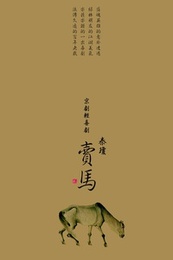
秦琼卖马 [演出] 豆瓣
类型: 京剧
其它标题: 卖马耍锏 / 当锏卖马 导演: 上海京剧院 / 演员: 蓝天 / 严庆谷 / 王珮瑜 / 萧润年 / 周凯
隋朝末年,秦琼押解18名配军至潞州天堂县投文,因天气炎热,中途损伤了一名,知县因此不发回文,秦琼无奈困居客店之中。店主王老好追索房租饭钱,秦琼忍痛欲卖黄骠马,恰遇单雄信,又慷慨借他骑去。秦琼再欲卖锏还债,幸遇王伯当、谢映登出资相助,并代秦琼讨要回文,返回山东。又名《卖马耍锏》《当锏卖马》。
故事取材于《隋唐演义》第六回至第九回。除京剧以外,还有表现相同情节的相声、评书等民间艺术作品传世,均流传颇广。这出戏,被认为是老生行当必学必会的基础剧目之一,唱做并重,对箭衣短打的武功身段有较高要求。此时的秦琼在剧中不仅是行侠仗义的绿林好汉,也是困顿潦倒的末路英雄,舞台形象比较立体真实。余叔岩的祖父余三胜擅演此戏,谭鑫培承其衣钵,加工锤炼,将其打造成为自己生平拿手戏。据传其时老谭在现实生活中常遭北京巡警骗吃骗喝,深谙被势利小人欺辱的困苦窘迫,因此得以在舞台上将秦琼的落魄颓唐又带三分狡黠拿捏得非常准确。