Bill Viola — 导演 (7)
Return (1975) [电影] TMDB IMDb
Return
导演: Bill Viola 演员: Bill Viola
Return is a methodical construction of the approach of an individual towards an unseen goal, which assumes metaphorical significance. Viola moves toward the camera/viewer, pausing every few steps to ring a bell, at which point he is momentarily thrust back to his starting place, and then advanced again. Finally reaching his destination, he is taken through all of the previous stages in a single instant and returned to the source of his journey.
The Innocents (2008) [电影] TMDB
The Innocents
导演: Bill Viola
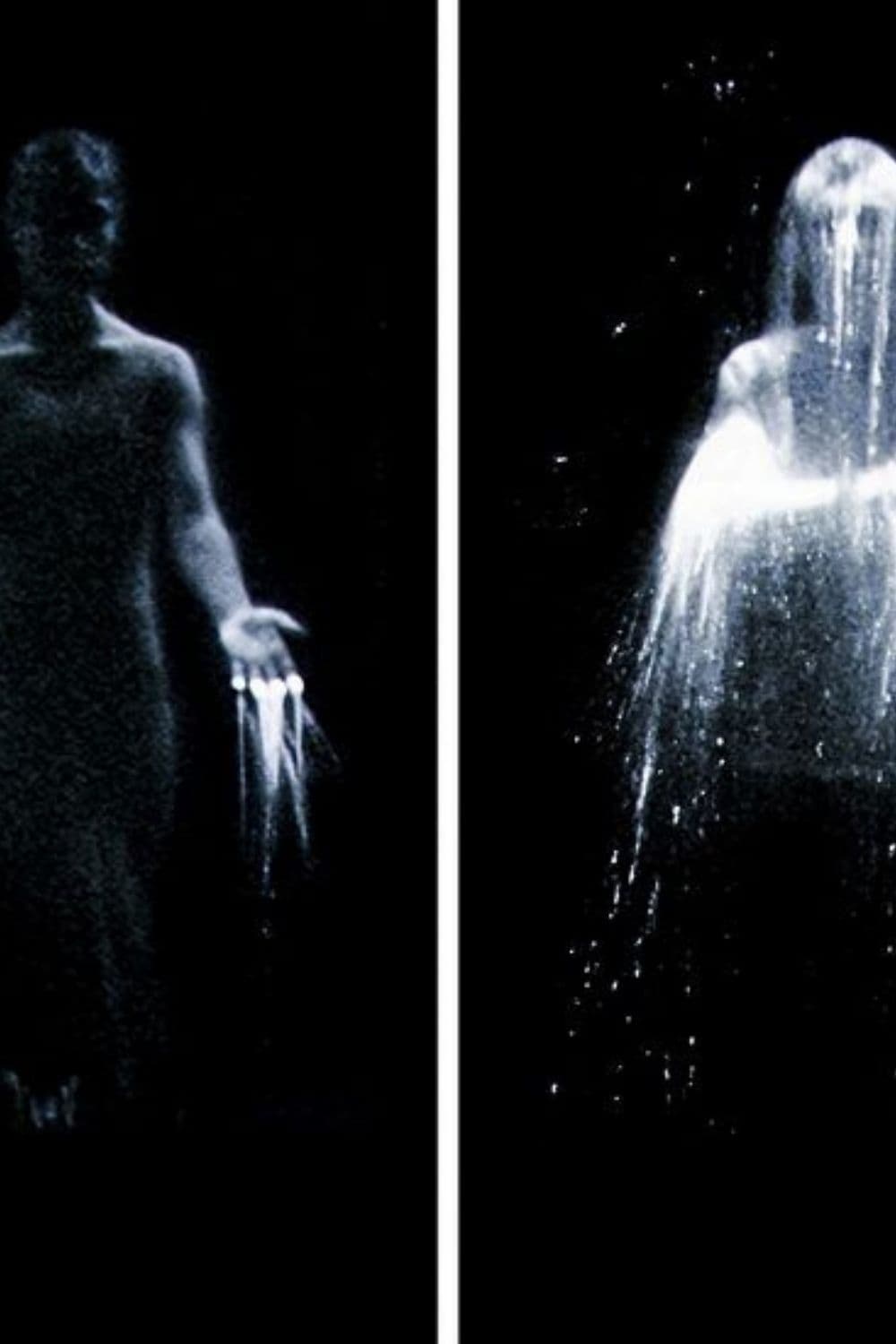
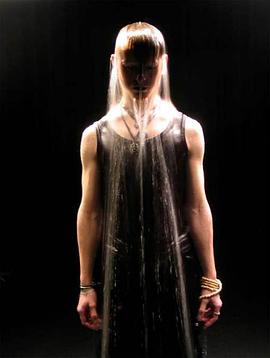
Part of Bill Viola’s Transfiguration series, The Innocents explores the presence of the dead in the world of the living. The video documents a boy and a girl who slowly approach out of the darkness and into the light. Shown on separate screens, they break through what is, at first, an invisible threshold of water, suggestive of a passage from the spiritual world into a physical plane of existence. Once incarnate, however, all beings realize that their presence is finite, and so the figures eventually turn away from material existence to return from whence they came.
(2004) [电影] 豆瓣
The Raft
导演: Bill Viola 演员: Sheryl Arenson / Robin Lynn Bonaccorsi
其它标题: The Raft / 救生筏
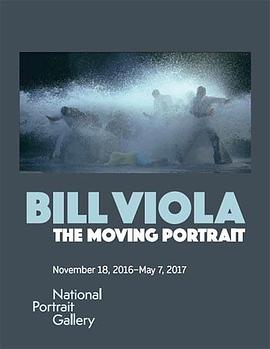
Nineteen people of varying age, race and sex gather in tight physical proximity, as a compact human mob, when without warning a gushing onslaught of water from both sides of the screen knocks them into one another and down to the ground.
第一场梦 (1981) [电影] 豆瓣
Hatsu Yume
导演: Bill Viola
其它标题: Hatsu Yume / First Dream
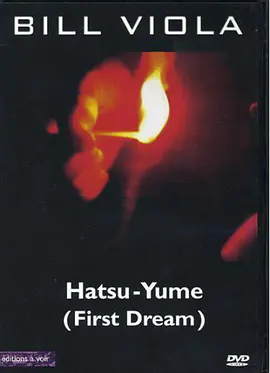
Hatsu-Yume (First Dream) is Bill Viola’s masterpiece, the greatest work by one of the most important video artists in the world. A spiritual allegory equating light and dark with life and death. Hatsu-Yume was produced in Japan in 1981 while Viola was artist-in-residence at the Sony Corporation. The title refers to Japanese folklore, wherein things done on the first day of a new year are significant. But the tape is not to be taken literally as a dream. For Viola, it’s more like the aboriginal concept of dreamtime, the creation of the world. That’s why, as a whole and in its parts, Hatsu-Yume progresses from darkness to light, stillness to motion, silence to sound, simplicity to complexity, nature to civilization. There are two interwoven themes: the dark water world of fish, and Buddhist rituals invoking the souls of dead ancestors. As in a dream, we frequently can’t tell if these wordless streams of image and sound are unfolding in real time, slow-motion or time-lapse. A work of extravagant pictorial beauty, Hatsu-Yume represents the most painterly use of light in the history of video. Form is content: the light that lures fish to their death protects human life. At once ominous majestic, and deeply spiritual, Hatsu-Yume is the work of a visionary poet of image and sound.