Rafael Alcayde — Actor (6)
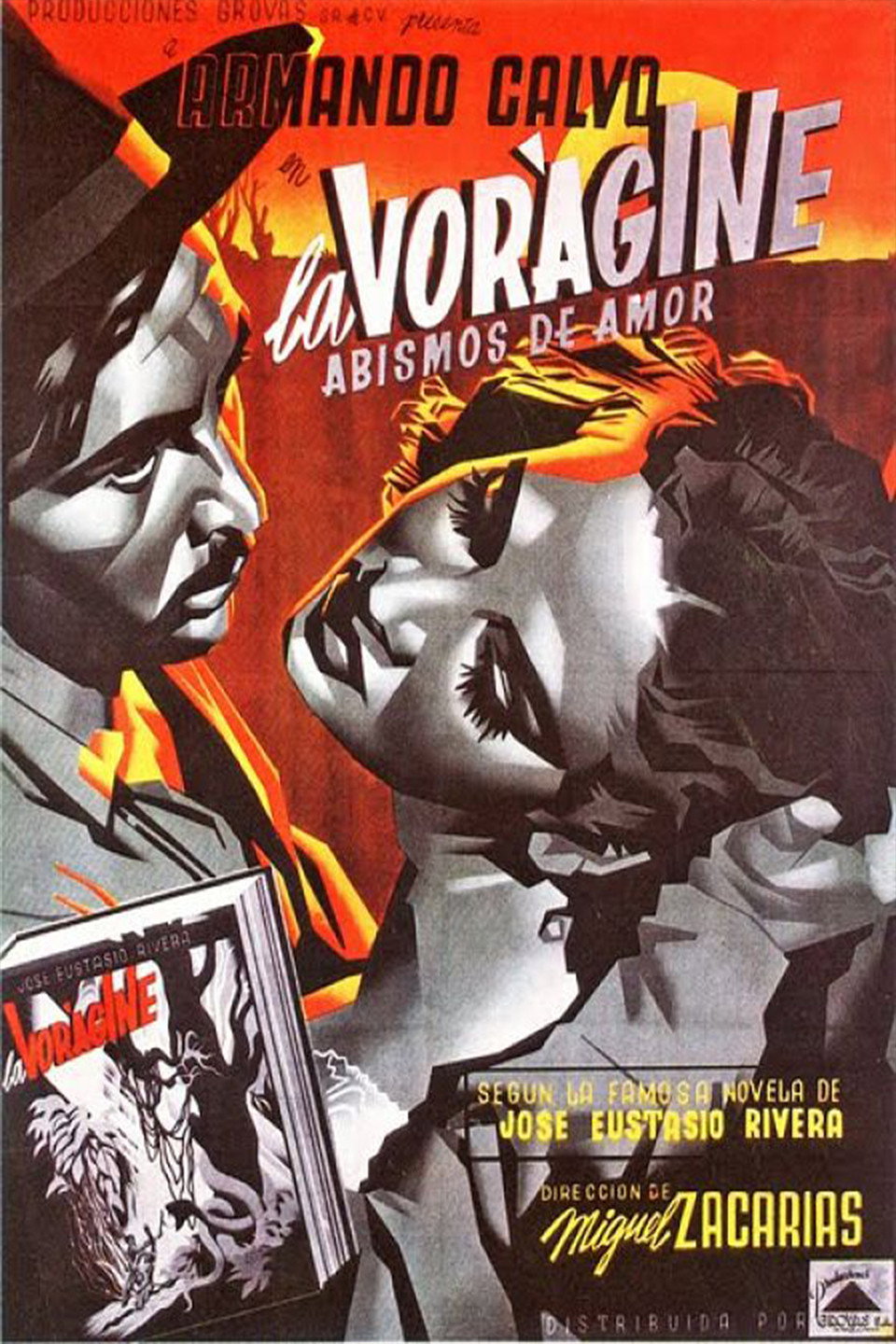
La vorágine: abismos de amor (1949) [Movie] TMDB IMDb
La vorágine: abismos de amor
director: Miguel Zacarías actor: Armando Calvo / Julio Ahuet
Narra las peripecias del poeta Arturo Cova y su amante Alicia, historia de pasión y venganza enmarcada en los llanos y la selva amazónica a donde los dos amantes huyen de la sociedad, y que expone a lo largo de su trama las duras condiciones de vida de los colonos e indígenas esclavizados durante la fiebre del caucho.
Submarine Base (1943) [Movie] TMDB IMDb WikiData
Submarine Base
director: Albert H. Kelly actor: John Litel / Alan Baxter
Ship engineer Jim Taggert is rescued from a torpedoed tramp steamer by Joe Morgan, an American gangster that found New York too hot for him, and has become a fisherman operating from an out-of-the-way island off of the coast of South America. Morgan makes his headquarters at the Halfway House run by the parents of Maria Styx as a bar and dance resort catering to the planters and traders of the island. Taggert finds himself practically a prisoner along with a group of American girls acting as entertainers at the resort. Taggert shadows Morgan in his activities in a remote cove and finds that Morgan is supplying German U-boat commanders with torpedoes, but does not know that Morgan has rigged the torpedoes with clock devices that explode when at sea and sinks the U-boats.
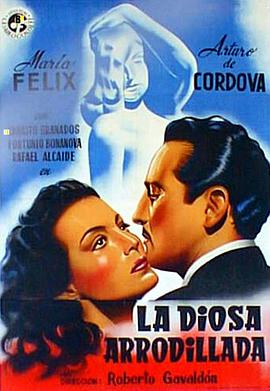
The Kneeling Goddess (1947) [Movie] Douban TMDB IMDb WikiData
La diosa arrodillada
other title: 下跪的女神 / La diosa arrodillada
Maria Felix, the archetypical Mexican movie star, plays one of her bad/good girl roles, with elements of the characters played by Joan Crawford, Barbara Stanwyck and even Marlene Dietrich. (she sings a song by her then husband, the famous composer,Augustine Lara). Arturo de Cordova's tortured lover is reminiscent of his role in Buñuel's Exterminating Angel. There's some extraordinary photography , stylized sets (the furniture designer gets a credit) and outrageous dresses for La Doña, as Maria Felix is still known in Mexico. It's definitely one of the styles that Buñuel expanded in his early Mexican films like the 1955 "Ensayo de un crimen."