阿尔贝托·卡瓦尔坎蒂 — 导演 (11)
海之歌 (1952) [电影] 维基数据 IMDb 豆瓣 TMDB
O Canto do Mar
导演:
Alberto Cavalcanti
演员:
Luiz Andrade
/
Glauce Bandeira
其它标题:
O Canto do Mar
/
海洋之歌
…
卡瓦尔康蒂在巴西拍摄的最后一部影片,也是其后期电影生涯的代表作之一,这位在巴西出生的导演一生却漂泊于法国,德国等欧洲国家拍片,很少回到本国,而在仅有的几部在巴西拍摄的影片之中,本片是其中最出色的。1954年捷克卡维罗发利国际电影节最佳导演奖。
我们生活在两个世界 [电影] 豆瓣
We Live in Two Worlds
导演:
Alberto Cavalcanti
演员:
J.B. Priestley
其它标题:
We Live in Two Worlds
One world, drearily familiar, is rigidly divided by political boundaries. The other, forged by new communications technology, wipes them away. Such idealistic internationalism would soon be trampled upon (this obvious hindsight is further prompted by the bought-in military footage included in this film). But in the internet era contemporary echoes abound.
The occasionally pompous We Live in Two Worlds is subtitled 'A Film Talk by J.B. Priestley'. The left-leaning playwright and social commentator was a key middlebrow celebrity of the day, and his inimitable voice would become a familiar fixture on British radios. His presence here is clunky, but bookends imagery that is freshly, excitingly put together, even if it's basically cutting-room-floor stuff. Cavalcanti and John Taylor had been shooting in Switzerland, on a joint project between the GPO and Pro Telephon-Zürich. Their footage here brings to life Priestley's abstract ideas, juxtaposing traditional Swiss folklore with the incursion of telecommunications and hydroelectric power.
Continuity and change: the theme recurs across the documentary movement's output - but mainly painted, before now, on a domestic canvas. Here it takes on not merely global but cosmic implications. Cavalcanti's weird experiments with echo, repetition and amplification take the film to the edge of science fiction: a contrast with lovely quieter moments earlier on, in which pastoral scenes unfold beneath Maurice Jaubert's lyrical score (this was the French composer's only British soundtrack).
The 'film talk' structure would be echoed by 1939's The City, in which Sir Charles Bressey takes the role of the lecturer to camera performed here by Priestley. Their presence in the GPO catalogue is a little ironic, as John Grierson had long decried 'illustrated lecture' as a form of non-fiction film inferior to the more creative and relevatory 'documentary'. But We Live in Two Worlds can hardly be accused of lacking ambition. In a mere 14 minutes we travel from Priestley's armchair, via the Alps, to the very heavens.
The occasionally pompous We Live in Two Worlds is subtitled 'A Film Talk by J.B. Priestley'. The left-leaning playwright and social commentator was a key middlebrow celebrity of the day, and his inimitable voice would become a familiar fixture on British radios. His presence here is clunky, but bookends imagery that is freshly, excitingly put together, even if it's basically cutting-room-floor stuff. Cavalcanti and John Taylor had been shooting in Switzerland, on a joint project between the GPO and Pro Telephon-Zürich. Their footage here brings to life Priestley's abstract ideas, juxtaposing traditional Swiss folklore with the incursion of telecommunications and hydroelectric power.
Continuity and change: the theme recurs across the documentary movement's output - but mainly painted, before now, on a domestic canvas. Here it takes on not merely global but cosmic implications. Cavalcanti's weird experiments with echo, repetition and amplification take the film to the edge of science fiction: a contrast with lovely quieter moments earlier on, in which pastoral scenes unfold beneath Maurice Jaubert's lyrical score (this was the French composer's only British soundtrack).
The 'film talk' structure would be echoed by 1939's The City, in which Sir Charles Bressey takes the role of the lecturer to camera performed here by Priestley. Their presence in the GPO catalogue is a little ironic, as John Grierson had long decried 'illustrated lecture' as a form of non-fiction film inferior to the more creative and relevatory 'documentary'. But We Live in Two Worlds can hardly be accused of lacking ambition. In a mere 14 minutes we travel from Priestley's armchair, via the Alps, to the very heavens.
采煤场 (1935) [电影] 豆瓣
Coal Face
其它标题:
Coal Face
Coal Face (1935) was the first influential film to be made by the GPO Film Unit. It continued the experimentation with sound effects and music first initiated in Song of Ceylon (d. Basil Wright, 1934) and Pett and Pott (d. Alberto Cavalcanti, 1934), and was described in the Film Society programme of 27 October 1935 as "an experiment in sound". What links these three films is the contribution of Alberto Cavalcanti.
Cavalcanti had been a member of the French avant-garde film movement during the 1920s and, by 1934, had established a reputation for himself as an expert on the creative use of sound and music in film. In 1934 the British documentary film movement acquired a rudimentary sound system, enabling its filmmakers to make sound films for the first time; it was at this point that Cavalcanti was appointed.
Coal Face was one of the most overtly modernist films made within the movement, comparing only to Drifters (d. John Grierson, 1929) in its use of formalist montage techniques. In addition to a montage editing style largely derived from the Soviet cinema of the 1920s, however, Coal Face also experiments extensively with a variety of sound/image relationships. Although Cavalcanti was responsible for the overall orchestration of sound and music, W.H. Auden and Benjamin Britten were also contracted to write the script and music score respectively.
The film's narrative is relatively conventional, providing details on the structure of the coal industry, and the processes used for extracting and treating coal. However, one of the strategies adopted by the documentary movement was to explore the creative possibilities of filmmaking within the framework of such conventional narratives, and here this takes the form of a non-naturalistic deployment of sound, language and music, so that natural sounds, dialogue, speech, music and choral singing are integrated in a dramatic, often strident manner.
Coal Face was an important film both for its innovative aesthetic style and for its ability to express critical social comment (noting, for example, the accident rates in the mines) in a film which was, in effect, made for a government department and sponsored by a commercial industry.
Cavalcanti had been a member of the French avant-garde film movement during the 1920s and, by 1934, had established a reputation for himself as an expert on the creative use of sound and music in film. In 1934 the British documentary film movement acquired a rudimentary sound system, enabling its filmmakers to make sound films for the first time; it was at this point that Cavalcanti was appointed.
Coal Face was one of the most overtly modernist films made within the movement, comparing only to Drifters (d. John Grierson, 1929) in its use of formalist montage techniques. In addition to a montage editing style largely derived from the Soviet cinema of the 1920s, however, Coal Face also experiments extensively with a variety of sound/image relationships. Although Cavalcanti was responsible for the overall orchestration of sound and music, W.H. Auden and Benjamin Britten were also contracted to write the script and music score respectively.
The film's narrative is relatively conventional, providing details on the structure of the coal industry, and the processes used for extracting and treating coal. However, one of the strategies adopted by the documentary movement was to explore the creative possibilities of filmmaking within the framework of such conventional narratives, and here this takes the form of a non-naturalistic deployment of sound, language and music, so that natural sounds, dialogue, speech, music and choral singing are integrated in a dramatic, often strident manner.
Coal Face was an important film both for its innovative aesthetic style and for its ability to express critical social comment (noting, for example, the accident rates in the mines) in a film which was, in effect, made for a government department and sponsored by a commercial industry.
家国劫 (1947) [电影] 豆瓣
The Life and Adventures of Nicholas Nickleby
导演:
Alberto Cavalcanti
演员:
Derek Bond
/
萨莉·安·豪斯
…
其它标题:
The Life and Adventures of Nicholas Nickleby
/
人间地狱
…
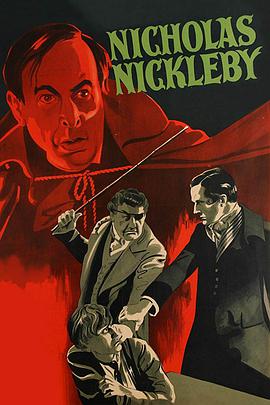
尼克贝(Derek Bond 饰)的父亲死后,他找了叔叔拉尔夫(Cedric Hardwicke 饰)去帮忙。拉尔夫为了“帮助”他,便让他到士括尔斯(Alfred Drayton 饰)的寄宿学校当助教。尼克贝对士括尔斯的教育方式十分厌恶,所以他释放了被士括尔斯虐待多年的史密格(Aubrey Woods 饰),然后就离开了。史密格跟尼克贝一起到伦敦与诺格斯(Bernard Miles 饰)一块儿住。然后,他们又到了朴茨茅斯当演员。当尼克贝听到拉尔夫虐待尼克贝的妹妹(Sally Ann Howes 饰)时,就回到伦敦,为切尔以布兄弟工作。随后,他拯救了被拉尔夫伤害的白雷(Jill Balcon 饰),并与她结婚。
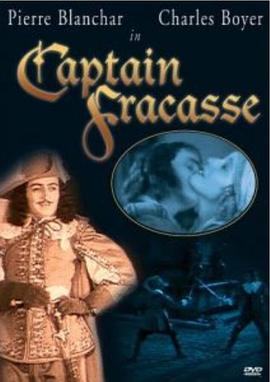
弗拉卡西上尉 (1929) [电影] 豆瓣
Le capitaine Fracasse
导演:
Alberto Cavalcanti
/
Henry Wulschleger
演员:
Pierre Blanchar
/
Lien Deyers
…
其它标题:
Le capitaine Fracasse
/
The Captain Fracasse
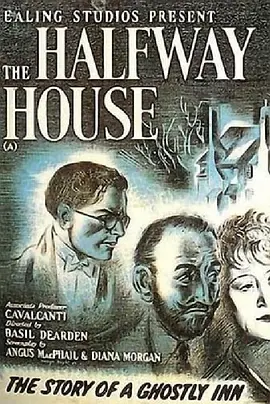
中途客栈 (1944) [电影] 豆瓣
The Halfway House
导演:
Basil Dearden
/
Alberto Cavalcanti
演员:
Mervyn Johns
/
Glynis Johns
…
其它标题:
The Halfway House
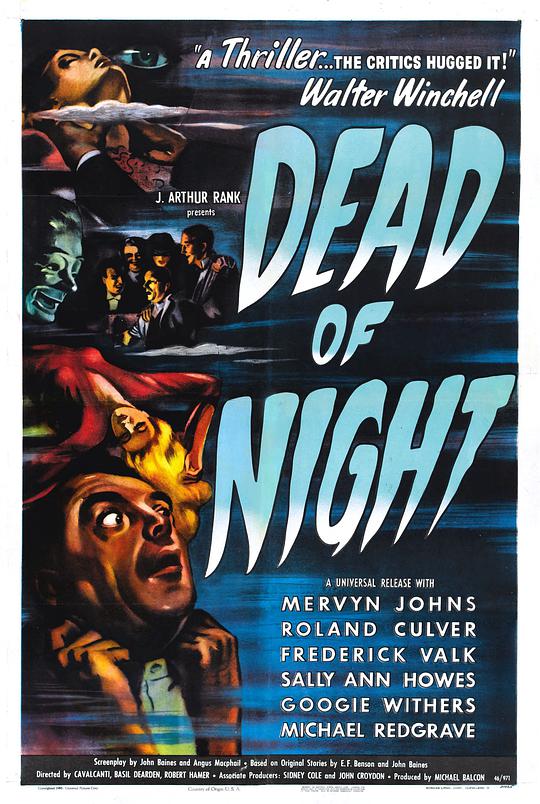
A group of travellers, all with something to hide in their past, take shelter from a storm in an old inn. The inn-keeper seems a little mysterious...
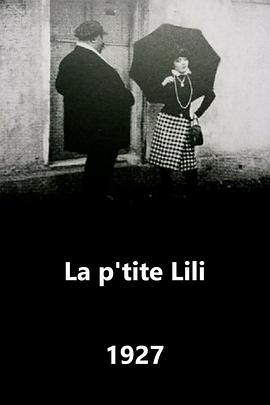
小莉莉 (1927) [电影] 豆瓣
La P’tite Lilie
导演:
Alberto Cavalcanti
演员:
让·雷诺阿
其它标题:
La p'tite Lili
/
La P’tite Lilie
The Devil's Holiday (1931) [电影] 豆瓣 IMDb
Les Vacances du diable
导演:
Alberto Cavalcanti
演员:
Marcelle Chantal
/
Thomy Bourdelle
…
其它标题:
Les vacances du diable
/
Les Vacances du diable
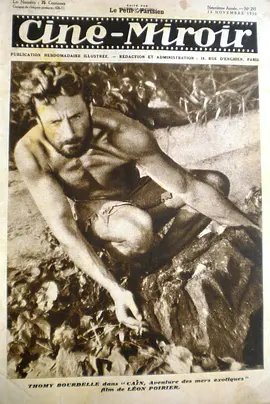
Betty marries rich Allan out of interest and drives a wedge between him and his family.
Les vacances du diable (1931) [电影]
导演:
Alberto Cavalcanti
演员:
Marcelle Chantal
/
Thomy Bourdelle
…