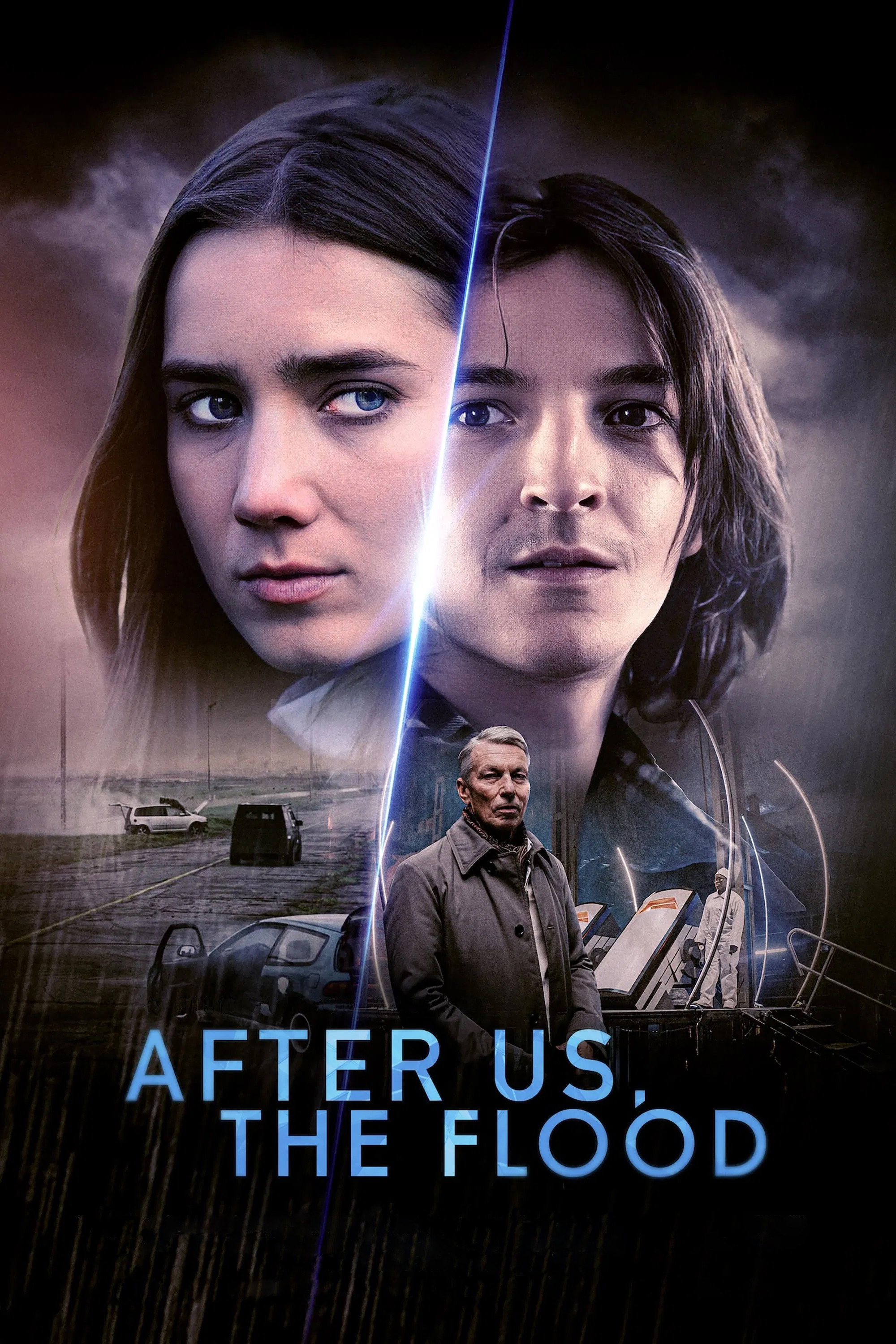
Arto Halonen — Director (2)
After Us, the Flood (2024) [Movie] TMDB IMDb WikiData
Jälkeemme vedenpaisumus
director: Arto Halonen actor: Elias Westerberg / Linnea Leino
other title: Jälkeemme vedenpaisumus
The brilliant young physicist Henrik and his fellow students develop a fusion reactor that produces endless clean energy, potentially saving Earth from environmental catastrophe. The reactor, however, is harnessed for commercial use, and the consequences for the planet and society are devastating. By the year 2064, the world has been ravaged by climate change. The UN succeeds in developing a form of time travel that can return a person's memories and personality to the moment of birth. Henrik is sent back to the past in an attempt to prevent the escalation of a catastrophe before it is too late. Something goes wrong and Henrik is forced to begin his mission from a very different starting point to the one he is used to.
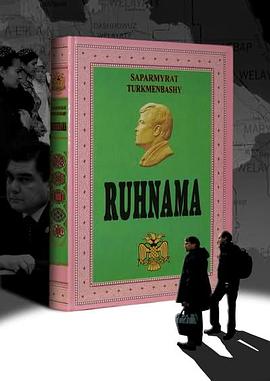
Shadow of the Holy Book (2008) [Movie] Douban TMDB IMDb WikiData
Pyhän kirjan varjo
other title: 圣书的影子 / Pyhän kirjan varjo
Why are some of the world's biggest international companies translating an absurd foreign
book into their own language, trying to hide their aims and avoid discussion about the human
rights and freedom of speech situation in Turkmenistan?
Shadow Of The Holy Book investigates the morality of international companies and the dictatorship
of oil-and-gas-rich Turkmenistan. These companies help give the dictatorship the propaganda support
that it needs to survive. Turkmenistan’s dictator, Saparmurat Niyazov, has written a ludicrous
book: the Ruhnama, the Book of the Soul, a key tool in the government’s subjugation of human
rights and free speech. Yet many international companies give their clandestine support to the
Ruhnama and help suppress the country’s voices of opposition and dissidence – in return for multimillion-
dollar business deals.
The film follows lawyer/author Kevin Frazier and film director Arto Halonen as they travel from Europe
to Turkmenistan, and all the way to the United States. The filmmakers are in search of companies
operating in Turkmenistan, particularly the companies that have translated the Ruhnama
books into their own languages, and thus supported Turkmenistan's dictatorship in the most absurd
way possible.
The film also reflects the current situation in Turkmenistan, the impact of the Ruhnama book, and
the ethics of the companies operating there. This is done through the dissidents and refugees,
many of whom have been the targets of persecution, torture, and assassination attempts organised
by the Turkmenistan government.
Turkmenistan has some of the biggest oil-and-gas reserves in the world, and this has increased
the greed and ruthlessness of corporate activities in the region. Well-known companies like DaimlerChrysler,
Siemens, Bouygues and Caterpillar praise and support the Ruhnama book, a book that
has destroyed the education system and has served as the centerpiece of the dictatorship. The
filmmakers look for corporate responsibility, and the companies duck and hide – until a couple of
business executives appear who are ready to talk and take responsibility.
The film is the story of a dictatorship, and also of the transition from one leader to the next. After
the sudden death of Saparmurat Niyazov, the creator of the Ruhnama book, power has transferred
to Gurbanguly Berdymuhammedov who has, on the surface, made reforms but in terms of violations
against freedom of speech and human rights everything has remained the same. He has
also praised the Ruhnama, and used it to increase his power. Therefore international corporations
continue to use the same techniques to please the new leader as they did with Niyazov. The
shadow of the holy book continues to stretch beyond Niyazov’s grave.