Kajirō Yamamoto — Director (16)
春天的游戏 (1949) [Movie] Douban
春の戯れ
other title:
春の戯れ
明治の初めのことである。品川の居酒屋入船屋の金蔵のせがれ正吉は、知らない外国を夢にえがいて、その文明の国をこの目で見たかった。とくに横浜のイギリス波止場にノルマンジャ号が来たのを見てからというもの、呆然と、かけ離れた文明の国への憧れに胸をおどらすのだった。ある日入船屋へ、ノルマンジャ号の日本人の乗組員が水夫長とともにどやどやとやって来て酒を飲んだ。ニューヨークの話、シンガポールの話、バナナの話、それらは日ごろの正吉の夢に拍車をかけた。水夫長は正吉の耳に「外国へ行きたかったらノルマンジャ号の乗り組みにしてやるから、出港までに尋ねてこいよ」とささやくのだった。正吉はいてもたってもいられなかった。しかし正吉には好きなお花がいた。お花は今年十九の娘ざかり、小さい時から正吉の遊び相手で、正吉をしんから好きだった。正吉はお花の気持ちをよく知っていた。だがそれよりももっともっと強く海が正吉を呼ぶのだ。町の呉服屋の大旦那徳兵衛は妻を亡くしてから淋しく、お花を見初めていた。お花は受け合わなかったが、とうとうある日正式にお花をもらいに来た。お花のおふくろは仕度金の一万円にびっくりしてお花をすすめる。お花は正吉に、泣いて激しい恋情を打ち明けるのだ。徳兵衛も正吉との仲を知って、あっさりと手を引いた。しかし正吉を呼ぶのはやはり海だった。ノルマンジャ号の出帆がせまった日、水夫長は正吉をさそいに来た。「明日ランチで迎えに来るから決心しなよ」正吉はクラクラっと目眩のする思いだった。その夜、お花は正吉の海への、外国へのあこがれのあまりに大きいのにぼう然として、かえって正吉に身体を許してしまった。夜が明けて、正吉は昨夜の過失に責任を感じ、乗船を諦めた。しかしランチが迎えに来るともうどうしていいかわからなかった。男のあまりにも激しい夢に、お花は心にもなく徳兵衛と結婚するという。正吉はびっくりしてお花をみつめるが、女心をはかりしれず、裏切られた思いでノルマンジャ号にはしる。--月日が流れた。お花は正吉の子供を宿し、しようことなく本当に徳兵衛と結婚した。そして日毎に徳兵衛のいたわりと大きな愛情につつまれて可愛い子供を生みそして子供は育った。正吉からは音さたなく三年たった。ある日、ランチがついてたくましく成長した正吉の姿がお花を求めた。だかそこに、お花は現実の幸せをつかんでいた。子供は正吉の子であったが、今ではそれは理屈であって、徳兵衛の子に違いなかった。正吉は再び海の上へ出ていくのだった。
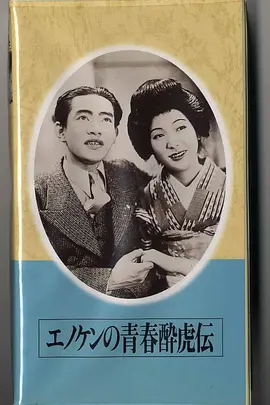
Enoken's Story of a Young, Drunken Tiger (1934) [Movie] Douban IMDb TMDB
エノケンの青春酔虎伝
director:
Kajirō Yamamoto
actor:
Kenichi Enomoto
/
Masako Tsutsumi
…
other title:
エノケンの青春酔虎伝
/
Romantic and Crazy
…
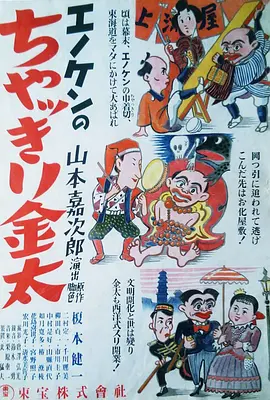
This, the first Enoken film, was made in 1934. Production was proposed to Pierre Brillante (PB), Enoken's theatrical troupe based at the Shochikuza Theater in Asakusa, by Iwao Mori, a producer at P.C.L. (Photo Science Laboratory), a new film company that had just been established in 1932. P.C.L. was known for its modern style, as exemplified by its first film, “Hoyoyohi Jinsei” (1933). For Enoken, who was strongly influenced by Hollywood musicals and Broadway reviews, the prospect of making a P.C.L. film that would be released in a Western-style theater was a no-brainer. Therefore, he chose Kajiro Yamamoto, who had been active at Nikkatsu Kyoto, to direct the film. The reason for this was “because he understands musical scores.
Enoken and Yamamoto's goal seems to have been to make a Hollywood style musical. In particular, they took their inspiration from the Eddie Cantor comedies that were released in rapid succession between 1931 and 1933. Cantor, who moves chokomaka with his small body, is characterized, like Enoken, by his large, circling eyeballs. The opening song, Printemps, sung by Sadakazu Futamura, Kanta Kisaragi and Enoken with the female students in the open air, is Yes, Yes, My Baby Said Yes, Yes (composed by Con Conrad), a song from Cantor's Whoopee! (1931). It is also performed in the middle of Romantic and Crazy in a scene where Enomoto is teased by Rirako and other female students, but visually, a similar situation can be seen in the Yes. Yes! number in Whoopee. Boku wa yuutsu da sung while studying for exams is also originally My Baby Just Cares For Me also from Cantor's Whoope!.
Enoken and Yamamoto's goal seems to have been to make a Hollywood style musical. In particular, they took their inspiration from the Eddie Cantor comedies that were released in rapid succession between 1931 and 1933. Cantor, who moves chokomaka with his small body, is characterized, like Enoken, by his large, circling eyeballs. The opening song, Printemps, sung by Sadakazu Futamura, Kanta Kisaragi and Enoken with the female students in the open air, is Yes, Yes, My Baby Said Yes, Yes (composed by Con Conrad), a song from Cantor's Whoopee! (1931). It is also performed in the middle of Romantic and Crazy in a scene where Enomoto is teased by Rirako and other female students, but visually, a similar situation can be seen in the Yes. Yes! number in Whoopee. Boku wa yuutsu da sung while studying for exams is also originally My Baby Just Cares For Me also from Cantor's Whoope!.


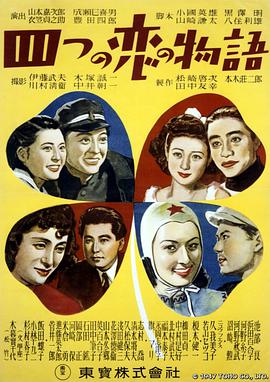
Four Love Stories (1947) [Movie] Douban
四つの恋の物語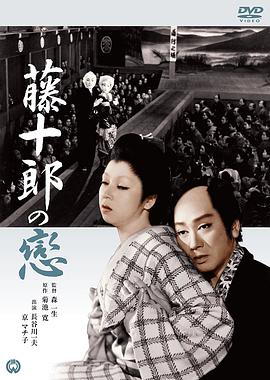
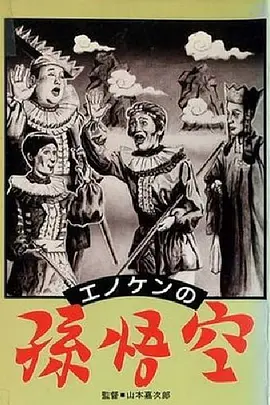
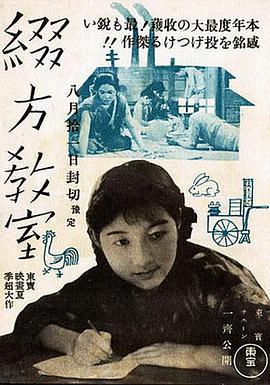
Composition Class (1938) [Movie] Douban
綴方教室
other title:
课堂作文
/
綴方教室
『綴方教室』(つづりかたきょうしつ)は、1930年代に、鈴木三重吉の影響下で教育運動として盛んになりつつあった生活綴方運動の中で、東京・下町の小学校教師、大木顕一郎の指導・編集・解説で出版された当時、本田小学校4年の豊田正子の26篇の「綴方」(雑誌『赤い鳥』掲載)を収め、1937年に出版された本の題名。
現在の岩波文庫版(山住正巳編、1995年、ISBN 4-00-332001-8)には、続編『続綴方教室』『粘土のお面』に収録された文章も10編合わせて収録されている。
出版されるや否や、当時の大衆の生活を素直な子供らしい視点で描いたことが話題になり、大ベストセラーとなる。戦後にも無着成恭らの「綴り方教育」に多大な影響を与えた。
翌1938年3月6日から3月20日まで新築地劇団が舞台化し、8月には東宝で山本嘉次郎監督によって映画化されて評判になった。
現在の岩波文庫版(山住正巳編、1995年、ISBN 4-00-332001-8)には、続編『続綴方教室』『粘土のお面』に収録された文章も10編合わせて収録されている。
出版されるや否や、当時の大衆の生活を素直な子供らしい視点で描いたことが話題になり、大ベストセラーとなる。戦後にも無着成恭らの「綴り方教育」に多大な影響を与えた。
翌1938年3月6日から3月20日まで新築地劇団が舞台化し、8月には東宝で山本嘉次郎監督によって映画化されて評判になった。
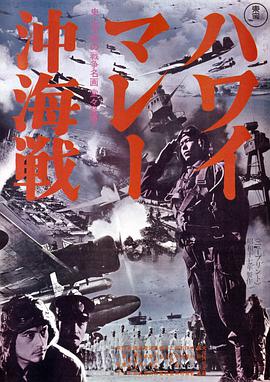
Battle of Pearl Harbor and the Malay Coast (1942) [Movie] Douban
ハワイ・マレー沖海戦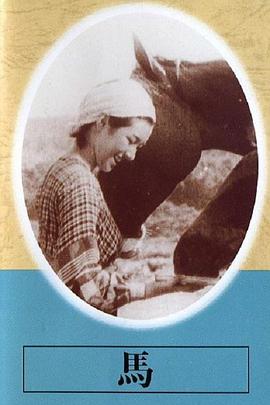
Horse (1941) [Movie] Douban
馬
other title:
马
/
馬
…
The story of the film is simple: A young girl in the countryside raises a young horse and develops a deep relationship to the animal. But the war is becoming part of life, so in the end she has to sacrifice her horse and sell it to the military.
The idea of propaganda film has been discussed by various scholars. Donald Keene mentioned that it only takes the ending of a film like uma to turn an overall innocent story into propaganda. The film was in 1941 officially supported and praised by the Japanese government. An official government statement commented: “Feel Gratitude in your hear and lend yourself to support the war effort” and Army Minister Tojo Hideki commented: “Only by means of the heartfelt affection of the breeders can fine horses – a mobile weapon that will become increasingly necessary in the future – be raised.”
A film about a teenager fond of horses, that turns into a propaganda film – so why should you be interested? Uma directed by Kajiro Yamamoto is often regarded as being the first film with a major involvement of Akira Kurosawa – who apart from his job as assistant director was said to have a love affair with the film’s teen aged star Takamine Hideko. Takamine herself was already one of the greatest stars of Japanese cinema, affectionately referred to as “Deko-chan” by her fans. After the war she would appear in many famous movies, most prominently in the works of Kinoshita and Naruse.
The idea of propaganda film has been discussed by various scholars. Donald Keene mentioned that it only takes the ending of a film like uma to turn an overall innocent story into propaganda. The film was in 1941 officially supported and praised by the Japanese government. An official government statement commented: “Feel Gratitude in your hear and lend yourself to support the war effort” and Army Minister Tojo Hideki commented: “Only by means of the heartfelt affection of the breeders can fine horses – a mobile weapon that will become increasingly necessary in the future – be raised.”
A film about a teenager fond of horses, that turns into a propaganda film – so why should you be interested? Uma directed by Kajiro Yamamoto is often regarded as being the first film with a major involvement of Akira Kurosawa – who apart from his job as assistant director was said to have a love affair with the film’s teen aged star Takamine Hideko. Takamine herself was already one of the greatest stars of Japanese cinema, affectionately referred to as “Deko-chan” by her fans. After the war she would appear in many famous movies, most prominently in the works of Kinoshita and Naruse.