王倦 — 作者 (3)
Merry Laughter and Angry Curses [图书] 豆瓣
作者:
Juan Wang
The end of the Qing dynasty in China saw an unprecedented explosion of print journalism. Chinese-owned newspapers, first encouraged by Emperor Guangxu to inform and educate an increasingly literate public, had by the turn of the century become more powerful than the state had ever anticipated or desired. Yet it was not the dabao, or “important” papers, that proved most influential. Rather it was the xiaobao, the “little” or “minor” papers – with their reputation for frivolity – that captivated and empowered the public.
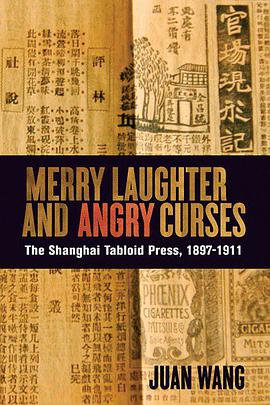
Merry Laughter and Angry Curses reveals how the late-Qing-era tabloid press became the voice of the people. As periodical publishing reached a fever pitch, tabloids had free rein to criticize officials, mock the elite, and scandalize readers, giving the public knowledge about previously unspeakable and unprintable ideas. In the name of the people, tabloid writers produced a massive amount of anti-establishment literature, whose distinctive humour and satirical style were both potent and popular. This book shows the tabloid community to be both a producer of meanings and a participant in the social and cultural dialogue that would shake the foundations of imperial China and lead to the 1911 Republican Revolution.
This book will primarily appeal to scholars of modern Chinese history, but it will also be of relevance to readers interested in the social impact of print media, subversive communications, and journalism.
Juan Wang surprises us by taking us back to Shanghai at the end of the Qing dynasty and showing that not everyone was swept up in the romance of reform. While a few were striking heroic poses and claiming to change the world, others were laughing at the absurdity of life, the folly of ambition, and the vanity and deceit of politicians. The 1911 Revolution has never looked less revolutionary, or more real. Timothy Brook, author of The Troubled Empire: China in the Yuan and Ming Dynasties
Illuminating and endlessly entertaining. Juan Wang does a marvelous job of showing how the tabloids that burst on the scene in Shanghai at the turn of the last century influenced the main political and historical developments of the late Qing. With a stylistic repertoire that included irony, mockery, gossip, sarcasm, and biting humor, these trendy publications, she argues convincingly, did much to prepare the way, intellectually and psychologically, for the demise of the dynasty. Paul A. Cohen, author of Speaking to History: The Story of King Goujian in Twentieth-Century China
Merry Laughter and Angry Curses reveals how the late-Qing-era tabloid press became the voice of the people. As periodical publishing reached a fever pitch, tabloids had free rein to criticize officials, mock the elite, and scandalize readers, giving the public knowledge about previously unspeakable and unprintable ideas. In the name of the people, tabloid writers produced a massive amount of anti-establishment literature, whose distinctive humour and satirical style were both potent and popular. This book shows the tabloid community to be both a producer of meanings and a participant in the social and cultural dialogue that would shake the foundations of imperial China and lead to the 1911 Republican Revolution.
This book will primarily appeal to scholars of modern Chinese history, but it will also be of relevance to readers interested in the social impact of print media, subversive communications, and journalism.
Juan Wang surprises us by taking us back to Shanghai at the end of the Qing dynasty and showing that not everyone was swept up in the romance of reform. While a few were striking heroic poses and claiming to change the world, others were laughing at the absurdity of life, the folly of ambition, and the vanity and deceit of politicians. The 1911 Revolution has never looked less revolutionary, or more real. Timothy Brook, author of The Troubled Empire: China in the Yuan and Ming Dynasties
Illuminating and endlessly entertaining. Juan Wang does a marvelous job of showing how the tabloids that burst on the scene in Shanghai at the turn of the last century influenced the main political and historical developments of the late Qing. With a stylistic repertoire that included irony, mockery, gossip, sarcasm, and biting humor, these trendy publications, she argues convincingly, did much to prepare the way, intellectually and psychologically, for the demise of the dynasty. Paul A. Cohen, author of Speaking to History: The Story of King Goujian in Twentieth-Century China
木府风云 [图书] 豆瓣
作者:
王倦 改编
/
赵梦媛 整理
…
publishing house:
中国友谊出版公司
2014
- 1
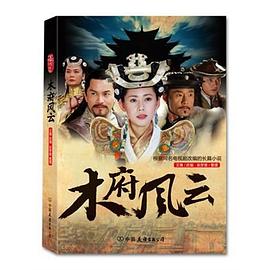
《木府风云》围绕明代云南丽江纳西族木氏土司在当地的统治展开叙述,通过一系列风云变幻的故事讲述了木氏家族内外的腥风血雨和恩怨情仇。对名留青史的木增和阿勒邱二人,以及他们之间的爱情,更是给予了浓墨重彩的描绘,充分展现了二人对丽江历史、文化发展做出的突出贡献,同时向读者展示了当地丰富多彩的民族文化。
全书内容紧凑,情节跌宕起伏,故事元素丰富多彩。美丽的自然风光和神奇的民族文化统领全篇,温暖感人的爱情、友情、亲情、民族大义贯穿始终。以上元素使得这部史诗巨著可谓包罗万象,壮丽恢弘。
除了根据同名电视剧剧情还原的精彩章节外,书中还附有近20幅精美彩色剧照,绝对可以让读者大呼过瘾。
全书内容紧凑,情节跌宕起伏,故事元素丰富多彩。美丽的自然风光和神奇的民族文化统领全篇,温暖感人的爱情、友情、亲情、民族大义贯穿始终。以上元素使得这部史诗巨著可谓包罗万象,壮丽恢弘。
除了根据同名电视剧剧情还原的精彩章节外,书中还附有近20幅精美彩色剧照,绝对可以让读者大呼过瘾。