Napoleon Chagnon — 导演 (3)
斧战 (1975) [电影] 豆瓣
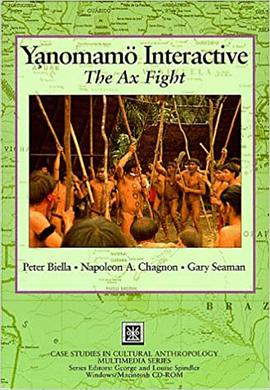
The Ax Fight
导演: 蒂姆·阿施 / Napoleon Chagnon
其它标题: The Ax Fight / 斧头战
《斧战》运用多种不同的方式表现了在Yanomamo族村庄发生的一场复杂的争论如何失控,并升级为冲突的过程。
A Man Called "Bee": Studying The Yanomamo (1974) [电影] 豆瓣
导演: 蒂姆·阿施 / Napoleon Chagnon 演员: Napoleon Chagnon
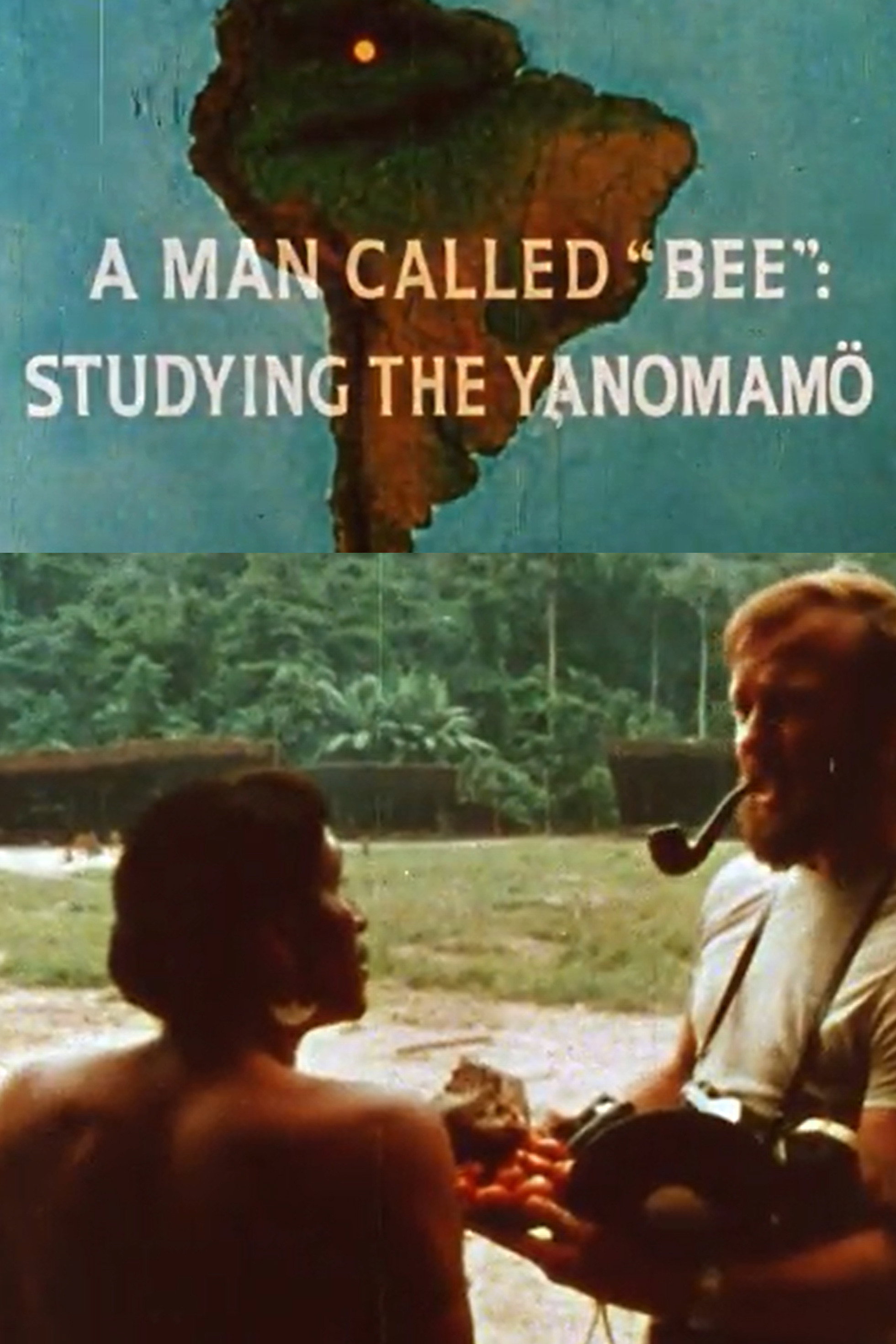
This is one of the few ethnographic films in which the anthropologist appears as one of the subjects, and as such it is a lively introduction to the nature of fieldwork. Napoleon Chagnon, who lived among the Yanomamo for 36 months over a period of eight years, is shown in various roles as "fieldworker": entering a village armed with arrows and adorned with feathers; sharing coffee with the shaman Dedeheiwa who recounts the myth of fire; dispensing eyedrops to a baby and accepting in turn a shaman's cure for his own illness; collecting voluminous genealogies; making tapes, maps, Polaroid photos; and attempting to analyze such patterns as village fission, migration, and aggression.

The commentary touches on the problems of the fieldworker (all the genealogies compiled in the first year were based on false data, and had to be discarded). Between the image and the commentary we also glimpse some of the ambiguities of the anthropologist's role and his relation to the subjects of his study, for example in the tension between mutual exploitation and reciprocity. The film complements Chagnon's book on his fieldwork, Studying the Yanomamo.
A Man Called "Bee" (1974) [电影] TMDB IMDb 维基数据
A Man Called "Bee"
其它标题: A Man Called "Bee": Studying the Yanomamo
One of the few ethnographic films in which the anthropologist appears as one of the subjects - a lively introduction to the nature of fieldwork. Napoleon Chagnon, who lived among the Yanomamo for 36 months over a period of eight years, is shown in various roles as "fieldworker": entering a village armed with arrows and adorned with feathers; sharing coffee with the shaman Dedeheiwa who recounts the myth of fire; dispensing eyedrops to a baby and accepting in turn a shaman's cure for his own illness; collecting voluminous genealogies; making tapes, maps, Polaroid photos; and attempting to analyze such patterns as Yąnomamö village fission, migration, and aggression.