In 1977, a short film was produced in Britain to discourage children from playing on the railway lines and vandalizing trains—both problems in England at the time. But the documentary-style production did more than that: it scared the knickers off of kids and riled up their parents. The subsequent controversy surrounding this educational short was so great that it was ultimately banned. Even today, watching it is a shocking experience not soon forgotten.
Commissioned by British Transport Films (BTF) to be shown in schools, The Finishing Line (1977) is perhaps the most notorious educational film ever produced. The 20 minute short is akin to a gory episode of The Twilight Zone, or a Rod Serling-directed fake documentary. The atmosphere is so odd and the child body count so high, that it’s a wonder anyone thought this was a good idea to show to kids (the ages of the target audience was eight through twelve). Put simply, it’s a child’s nightmare come to life on the screen.
The film was directed by John Krish, a BTF veteran; Krish’s The Elephant Will Never Forget (1953), which documented the end of London’s tram system, is still one of the organization’s most popular movies. In a 2013 interview with the magazine devoted to blood spilled on the screen, Fangoria, the 90-year-old Krish said he was surprised BTF even wanted to make The Finishing Line:
I came up with this idea of a sports day on the railway line, and I was absolutely sure they would turn it down so that I could get on with something else, and bugger me, they loved it. They loved it! The psychologist in the British Transport’s employ said, ‘This is exactly what we need!’
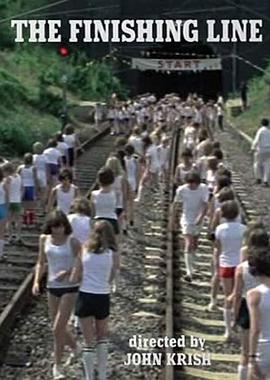
The Finishing Line begins in a festive atmosphere of children and adults gathering for what looks like a day of fun, but the mood quickly turns foreboding, when medical personal appear with preparations for the inevitable carnage that will take place.
In the film, various events are staged on or near the train tracks. A kind of dystopian reality is presented, where games of life and death are the norm. At times, it brings to mind the black comedy Death Race 2000 (1975), in which racecar drivers earn points by killing pedestrians, but there’s no laughing at The Finishing Line. Here, children lose their lives in games staged by adults, and there is little mourning for the dead. In this world, there is no such thing as “innocence.”
Krish’s documentary-style filmmaking creates a tone that is completely unsettling. Weirdly, the film is staged as a child’s fantasy (what kind of kid would fantasize about his classmates being killed?!), yet the realistic look of the film could still be misinterpreted by a young person as an event that actually happened. If nothing else, the shear amount of gore and dead bodies is enough to upset any pre-teen viewer.
Though the director claims it was unintentional, The Finishing Line contains elements of the horror genre. For the last event, Krish filmed the kids walking briskly through a dark tunnel, capturing it in such a way that the children approach the camera as shadowy figures. The scene resembles something straight out of future horror films The Brood (1979) and Children of the Corn (1984). There’s no music, just the sound of hundreds of shuffling footsteps coming closer and closer. It’s very creepy.
Krish wanted the final moments to resemble the carnage of a war zone after a battle, and the sight of adults and teenagers carrying a hundred or so dead kids—symbolically laying them across the tracks, and doing so with a complete lack of emotion—is truly startling.
“The cumulative effect is shocking, and must have been all the more so for the young audiences to whom the film was screened. Not surprisingly, it immediately generated controversy, even becoming the subject of a Nationwide (BBC, 1969-84) television debate following a television screening of the film. Some commentators and parents worried that children would be traumatized, others that it might actually encourage copycat vandalism. Many defended the film as an appropriately tough response to a serious problem. Nonetheless, in 1979 the film was withdrawn and replaced by the much softer Robbie.” (BFI Screenonline)
All told, Krish has had four of his pictures removed from circulation, telling Fangoria, “I’m the only documentary director who’s had four films banned! And I rejoice in that.” In 2003, he was honored with a retrospective, which included the first public airing of The Finishing Line in over two decades.
John Krish
Though it may have been inappropriate for the audience it was created for, The Finishing Line stands as a fascinating and significant film from a director still getting his due. It’s a disturbing and strange little picture—it’s also unforgettable.
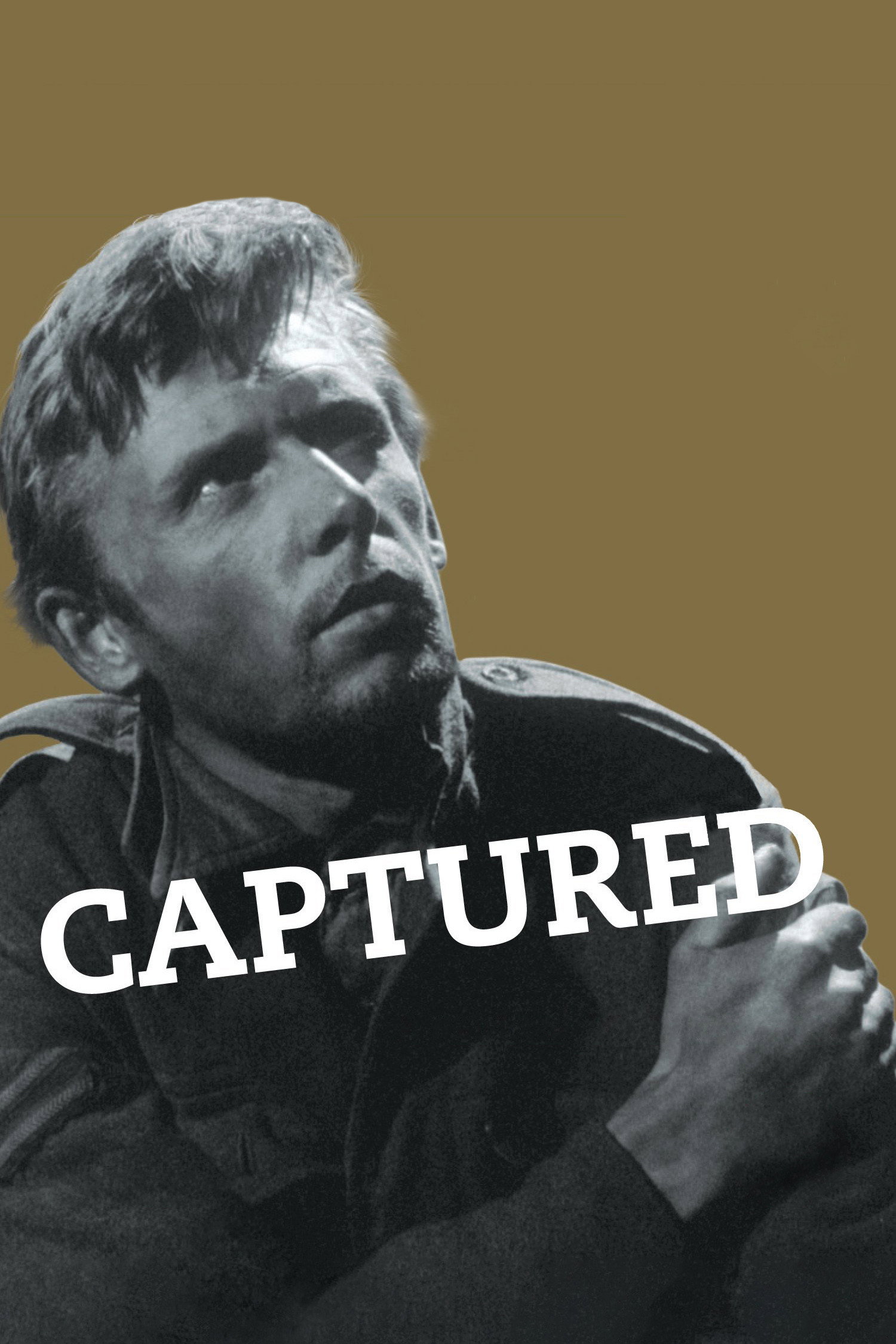
The short is available for purchase via British Transport Films Collection Vol.7 – The Age Of The Train, and as a bonus on the DVD of Captured, another of Krish’s banned works.