Vatroslav Mimica — Director (7)
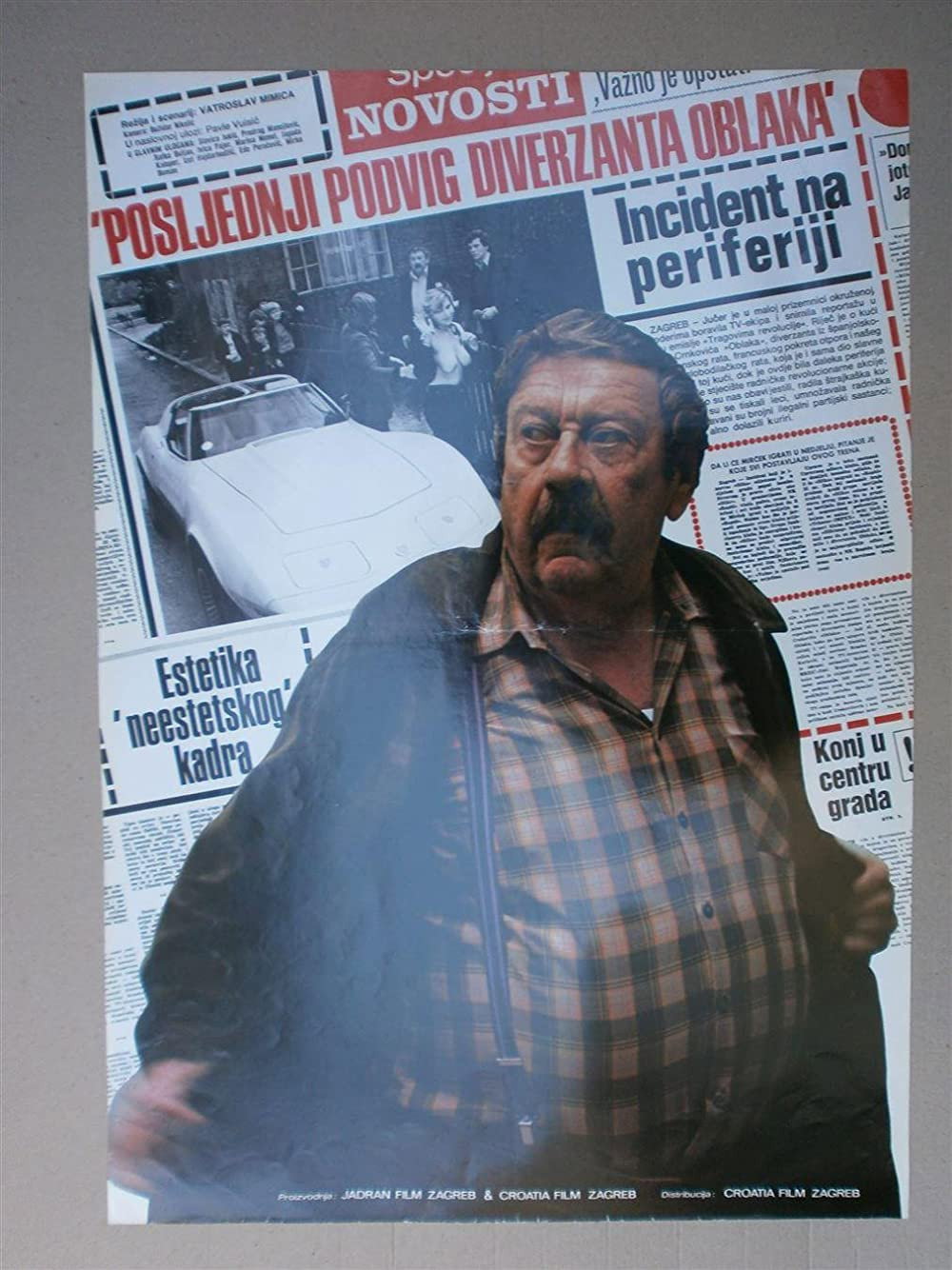
The Last Mission of Demolitions Man Cloud (1978) [Movie] TMDB IMDb WikiData
Posljednji podvig diverzanta Oblaka
other title: Die letzte Aktion des Joza "Wolke" / Posljednji podvig diverzanta Oblaka
The Spanish Civil War veteran and WW2 partisan Josip Crnković-Cloud faces eviction from his modest little house which is to be demolished soon to make space for new skyscraper. He tries to stop it in a legal way, but fails to break the shield of administrative bureaucreacy. He decides to use dynamite left from the war and simply blow out the house.

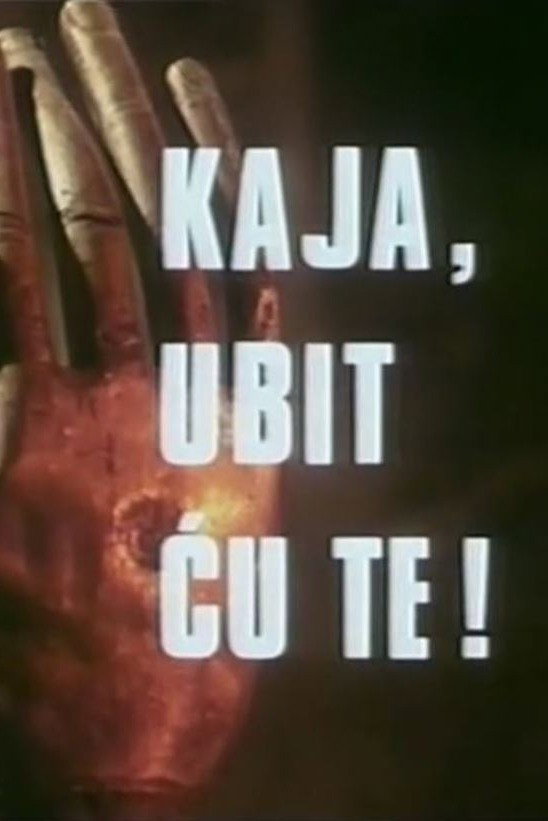
Kaya (1967) [Movie] TMDB IMDb WikiData
Kaja, ubit ću te!
other title: 卡婭,我要殺了你! / 卡娅,我要杀了你!
An experimental film about a peaceful and carefree life in a small Dalmatian town, which turns into bloodshed and horror on the eve of the Italian occupation of the country.
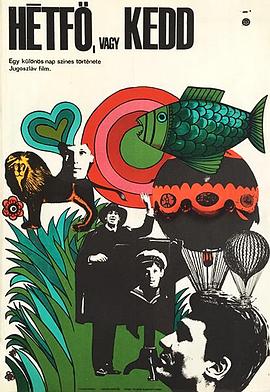
Monday or Tuesday (1966) [Movie] Douban
Ponedjeljak ili utorak
director: Vatroslav Mimica actor: Biserka Alibegovic / Drago Bahun
other title: 周一或周二 / Ponedjeljak ili utorak
Monday or Tuesday (Serbo-Croatian: Ponedjeljak ili utorak) is an acclaimed 1966 Yugoslav drama film directed by Vatroslav Mimica starring Slobodan Dimitrijević. The film’s title is a famous quote from Virginia Woolf’s 1919 work Modern Fiction (and the title of her 1921 short story collection) in which she described her approach to writing: “Examine for a moment an ordinary mind on an ordinary day. The mind receives a myriad impressions—trivial, fantastic, evanescent, or engraved with the sharpness of steel. From all sides they come, an incessant shower of innumerable atoms; and as they fall, as they shape themselves into the life of Monday or Tuesday.”
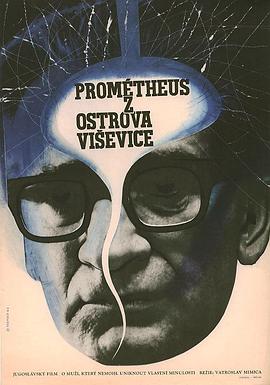
Prometheus from the island of Visevica (1964) [Movie] Douban
Prometej s otoka Visevice
other title: 从维岛来的普罗米修斯 / Prometej s otoka Visevice
Mimica's first modernist feature film, Prometej s otoka Visevice (Prometheus from the Island of Visevice, 1965), tells the story of a Communist official, Martin, returning from the city where he works as a director of a company to the island where he was born for a ceremony to commemorate the Partisans, of which he was a member. As he travels back, a flood of memories returns to him. First they come in no particular order-an unexplained montage of arresting and sometimes disturbing images. Gradually, the story is pieced together to reveal what happened. After the war, Martin became a Party functionary, but meets opposition from the conservative islanders for his well-intentioned efforts to introduce electric lighting, with tension gradually turning to direct confrontation. All his efforts remain without support, everyone abandons him, his marriage falls apart, forcing him to eventually go back to the city in order to start a new life with the help of his ex-war comrade.
Despite an ending obviously tacked on in order to gain official approval, the film is a critique of the rigid Communist bureaucracy and its distance from the people while never losing sympathy for the individual humans involved in the Party. The film is also notable for its strong ethnographic approach, using local dialect and trying to accurately recreate the way of life of the islanders.
斯特拉希尼亚·巴诺维奇 (1981) [Movie] Douban
Banovic Strahinja
director: Vatroslav Mimica actor: 弗兰科·内罗 / 桑妮娅·维伊诺维奇
other title: Banovic Strahinja
In late 14th century medieval Serbia becomes the target of Ottoman invaders. One of their renegade gangs burns the castle and takes young wife of Banovic Strahinja, respected Serbian noble. Banovic Strahinja begins long and almost futile quest for her wife despite everybody else's doubts in her fidelity.