Film Theory and Philosophy [Book] Douban
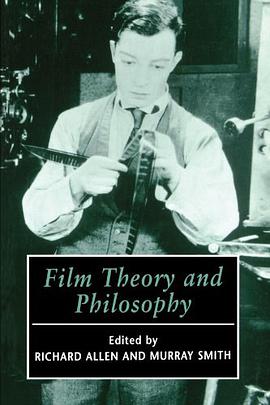
While concepts from and debates within Continental philosophy have long formed a backdrop to arguments in film theory and criticism, exchanges between Anglo-American 'analytic' philosophy and film studies have been relatively few and far between. In recent years this has begun to change, as the consensus around semiotic and psychoanalytic approaches has weakened, as film scholars have turned their attention to other sources such as cognitive theory and analytic philosophy, and as philosophers have taken a more focused interest in film. This volume provides further momentum to these developments. It is comprised of new essays on a wide range of topics by both film scholars and philosophers who share the commitment to conceptual investigation, logical consistency, and clarity of argument that characterizes analytic philosophy. The first section addresses the nature of cinematic representation, while the second section re-examines notions of authorship and intentionality in our understanding and appreciation of films. Sections 3 and 4 look at ideology and aesthetics respectively, while the final section considers the nature and place of emotion in film spectatorship. The diversity of the questions addressed here (aesthetics and politics in black film theory, film music, authorship, genre, comedy, epistemology, feminism, and film theory) is matched by the range of positions argued for and demonstrates a vital plurality of perspectives rather than a single line of thought.