汤姆·康特奈 — 演员 (39)
热气球飞行家 (2019) [电影] 豆瓣 维基数据 IMDb TMDB
The Aeronauts
其它标题:
The Aeronauts
/
热气球驾驶员
…
故事发生在1862年的伦敦,詹姆斯(埃迪·雷德梅恩 Eddie Redmayne 饰)是一位非常有理想抱负的年轻科学家,致力于研究天气预报技术,然而,经济上的窘迫让他无法使用自己的热气球将研究成果带上天空,于是,他找到了名为艾米莉亚(菲丽希缇·琼斯 Felicity Jones 饰)的女子。
艾米莉亚是一个经验非常丰富的热气球飞行员,如今却沉溺在一段痛苦的往事之中无法自拔。她答应了詹姆斯的请求,两人共同驾驶着热气球开始了他们的冒险,并且凭借着智慧和勇气抵达了人类从未涉足过的高度。然而,当他们飞的越高,所要面对的危险就越大。
45周年 (2015) [电影] 豆瓣 IMDb TMDB Eggplant.place 维基数据
45 Years
其它标题:
45 anni
/
45 år
…
就在凯特(Kate)忙于筹备45周年的结婚纪念日之时,她丈夫杰夫(Geoff)突然接到了一条把他的思绪带回过去的消息,他50年前在瑞士阿尔卑斯山因意外丧生的女友的遗体被找到了。
凯特和杰夫的内心都受到了极大的震撼却无法交流彼此深藏的不安。杰夫把自己封闭在回忆的世界里,而凯特则竭力压抑自己的嫉妒和焦虑,她还需要专心为聚会做准备,安排音乐、菜单以及其他诸如此类的东西。
表面看来,一切如常,但摄影机却敏锐地捕捉了原本和谐的共存逐渐走向失衡的过程。不论是和杰夫共进早餐还是在镇子里独自漫步,凯特都感觉自己越像是一个陌生人。《45周年》中的夫妇二人被意想不到的情绪攫住,被迫面对自己不熟悉的感觉,在这个过程中,他们曾经的好时光仿佛一去不返。在共同生活了45年之后,在他们的结婚纪念日上究竟哪种情绪会占上风呢?
凯特和杰夫的内心都受到了极大的震撼却无法交流彼此深藏的不安。杰夫把自己封闭在回忆的世界里,而凯特则竭力压抑自己的嫉妒和焦虑,她还需要专心为聚会做准备,安排音乐、菜单以及其他诸如此类的东西。
表面看来,一切如常,但摄影机却敏锐地捕捉了原本和谐的共存逐渐走向失衡的过程。不论是和杰夫共进早餐还是在镇子里独自漫步,凯特都感觉自己越像是一个陌生人。《45周年》中的夫妇二人被意想不到的情绪攫住,被迫面对自己不熟悉的感觉,在这个过程中,他们曾经的好时光仿佛一去不返。在共同生活了45年之后,在他们的结婚纪念日上究竟哪种情绪会占上风呢?
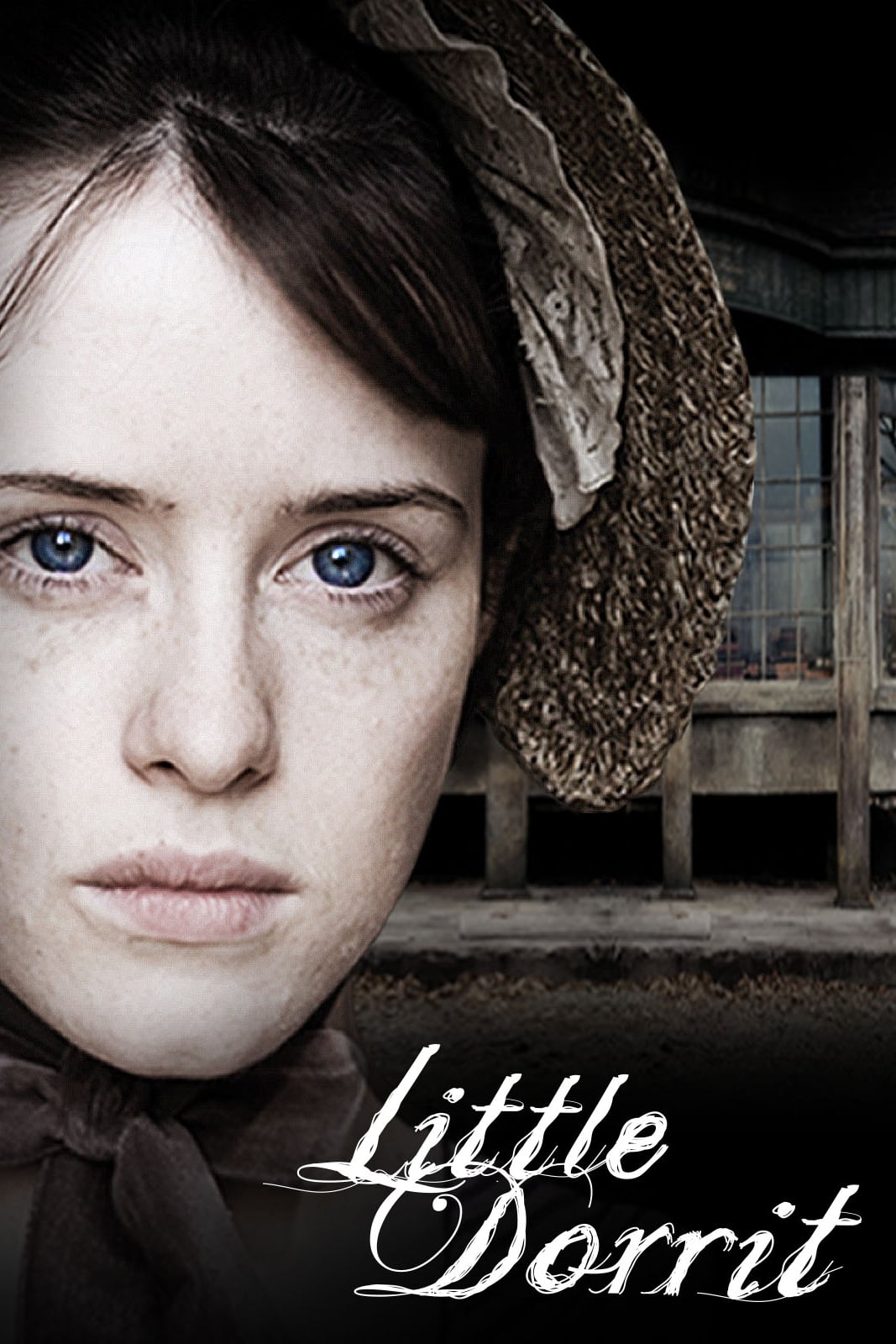
小杜丽 (2008) [剧集] 豆瓣
Little Dorrit 所属 电视剧集: 小杜丽
《小杜丽》(Little Dorrit)是由BBC电视台根据狄更斯同名小说改编的作品。
艾米·杜丽(克莱尔·芙伊 Claire Foy 饰)的父亲威廉·杜丽(汤姆·康特奈 Tom Courtenay 饰)经商失败,连累全家欠下巨额债务而被关进 了债务人监狱。在债务人监狱里出生、长大的艾米尽管出身卑微,生活困苦,但却有颗善良的心,从不吝惜为周围的人出力,也不为自己的贫困感到羞耻。21岁那年,她瞒着父亲到皮尔逊家当佣人,在那里她遇到了皮尔逊家的独子亚瑟(马修·麦克费登 Matthew Macfadyen 饰)。通过亚瑟的帮助杜丽一家因其姓氏得到意外的遗产离开监狱成为上流社会的一员。周遭的一切也因此突然变得不一样起来。经过种种,艾米和亚瑟是否最终走到一起?
长跑者的寂寞 (1962) [电影] IMDb 豆瓣 TMDB 维基数据
The Loneliness of the Long Distance Runner
其它标题:
The Loneliness of the Long Distance Runner
/
长跑者的孤独
…
跑不开的回忆——《长跑者的寂寞》
英国少年感化院里生活的少年犯了克林,因偷窃罪被囚,然而他于长跑的才华,令他受到高度重视,更获颁奖牌。不过,在漫长又孤独的集训中,他每每回忆起监禁前所遭遇的种种不幸。生活在这种矛盾之中,他对社会越来越不满,也充满了抵抗的态度。曾是英国“自由电影运动”热心分子的托尼·李察逊,以意识流手法探讨年轻人的叛逆心理,《长跑者的寂寞》可算是英国“愤怒派”代表性名作之一。
神偷艳贼 (2012) [电影] 豆瓣
Gambit
其它标题:
Gambit
/
离奇伪术家(港)
哈里(柯林·菲尔斯 Colin Firth 饰)供职于一家生意红火的画廊,日子尚且能够算是过得平静而又富足。但是,令哈里感到沮丧的是,人过中年的他要头脑有头脑,要能力又能力,可即便如此,还是要整日受自己的讨厌鬼老板沙班达尔勋爵(艾伦·瑞克曼 Alan Rickman 饰)的气。当最后一根稻草压上脊背时,忍无可忍的哈里决定要凭借自己的聪明才智,好好的将老板一军。
完美的复仇计划新鲜出炉,万事俱备唯缺一位重要的关键人物,于是,哈里将目光投到了一位名叫PJ(卡梅隆·迪亚茨 Cameron Diaz 饰)的德州女牛仔身上。没想到,正是这个女牛仔将哈里的整个计划搅得乱七八糟,焦头烂额之中,哈里发现,事态正在朝着他无法控制的方向渐渐的发展而去。
夏日国度 (2020) [电影] 豆瓣 维基数据 IMDb TMDB
Summerland
其它标题:
Summerland
/
恋夏时光(台)
…
故事发生在第二次世界大战期间,爱丽丝(杰玛·阿特登 Gemma Arterton 饰)是一名个性非常古怪孤僻的作家,她远离尘嚣,独自在位于英国南方海边的一处悬崖隐居,在那里潜心学习科学。
一天,一个名叫弗兰克(卢卡斯·邦德 Lucas Bond 饰)的男孩意外的闯入了爱丽丝封闭的世界中,弗兰克来自伦敦战区,残酷的战争夺走了他的一切,令他沦落成为孤儿。对于爱丽丝来说,弗兰克的出现很显然是一种冒犯和打扰,但她亦不忍心将这个孩子赶走,就这样,两人开始了共处同一屋檐下的生活。弗兰克的出现还唤起了爱丽丝埋藏已久的回忆,令她回忆起曾经与情人维拉(古古·姆巴塔-劳 Gugu Mbatha-Raw 饰)在一起的点点滴滴。
日瓦戈医生 (1965) [电影] TMDB 豆瓣 IMDb 维基数据
Doctor Zhivago
其它标题:
Doctor Zhivago
/
济瓦格医生(港)
…
幼年丧母的日瓦戈(Omar Sharif 饰)被过继给母亲的朋友,自此与继母一家的小女儿冬妮娅一同成长,并顺利修完医学专业,成为了一名优秀的医生。在另一条平行的生命线上,出生于裁缝之家的拉娜(Julie Christie 饰)正是十七岁的金色年华,母亲的情人维克多不时骚扰她,热衷于工人革命的未婚夫帕夏更让拉娜日日为其担忧。在工人运动风起云涌的日子里,日瓦戈目睹了当局对工人的残酷镇压,拉娜则因帕夏被卷入工人运动而遭到维克多的玷污,由于维克多的关系,日瓦戈与拉娜的人生终于汇合,在不久后混乱的一战中,他们终于不顾各自的伴侣陷入了热恋……不久布尔什维克掌握政权,返回家乡与冬妮娅团聚的日瓦戈发现生活却每况愈下,以至他们不得不远赴乡村谋生,岂料在遥远的北方村落,日瓦戈再次与拉娜相遇……
本片根据Pasternak的同名小说改编,获1966年奥斯卡最佳美术指导、最佳摄影等多项专业褒奖。
水啸雾都 (2007) [电影] 豆瓣
Flood
4.9 (32 个评分)
导演:
托尼·米歇尔
演员:
罗伯特·卡莱尔
/
杰萨琳·吉尔西格
…
其它标题:
Flood
/
洪水
狂虐的飓风向苏格兰内陆步步紧逼。泰晤士水闸首席设计师罗伯(罗伯特·卡莱尔 Robert Carlyle 饰)和前妻——水闸工程总监萨米(杰萨琳·吉尔西格 Jessalyn Gilsig 饰)被叫回到水闸做安全检查,而罗伯心怀芥蒂疏远的父亲莱纳德教授(汤姆·康特奈 Tom Courtenay 饰)根据自己丰富经验测算并料定一旦洪水袭来,泰晤士河水闸必将被击溃。他及时将此情况报告给了危机控制中心的纳什女士。然而他的警告并未到重视,危机控制中心的专家不能准确地判断情况,不置可否的副首相竟向人们承诺洪水不会抵达伦敦市区。
洪峰3小时后到达了伦敦,滔天骇浪跃过水闸,数亿吨的洪水急速奔涌进中央伦敦,顷刻间一片汪洋。数百万伦敦人危在旦夕。罗伯特,萨米和莱纳德只有几小时来挽救这座城市……
四重唱 (2012) [电影] 豆瓣 维基数据 IMDb TMDB
Quartet
其它标题:
Quartet
/
黄金花四重唱(港)
…
故事发生在一间专门面向歌剧退休演员开放的养老院里,维尔福(比利·康诺利 Billy Connolly 饰)、雷吉(汤姆·康特奈 Tom Courtenay 饰)和茜茜(宝林·科林斯 Pauline Collins 饰)是那里的明星居民。每一年,这三个出色的演唱者都会通过他们的三重唱向社会募集资金,用以维持养老院的运作。虽然养老院的规模不大,但每一个老人都能在那里找到快乐和安宁。
简(玛吉·史密斯 Maggie Smith 饰)的出现打破了众人宁静的生活,这个高傲又好斗的女人是歌剧界名声大噪的歌唱家,同时,她还是雷吉的前妻。受生活所迫,简不得已住进了这间养老院,前夫雷吉的存在更是让她心中愤愤不平。由于简的加入,三重唱变成了四重唱,但排练的效果并没有因为一个得力唱匠的加入而有所提高,麻烦和争执接踵而至。
换装师 (1983) [电影] 豆瓣 IMDb 维基数据 TMDB
The Dresser
导演:
彼得·叶茨
演员:
阿尔伯特·芬尼
/
汤姆·康特奈
…
其它标题:
The Dresser
/
近身
…
本片其实是一部描述大明星与贴身跟班之间复杂感情的文艺片,故事背景是二次世界大战期间的英国,阿尔伯特·芬尼饰演一名享誉极隆的舞台剧泰斗,但他的固执脾气也十分惊人,只有汤姆·康特奈饰演的跟班才能治得了他。主仆之间数十年来培养了一种不为外人所道的特殊感情,把剧团在不理想的战时状态下仍硬撑了起来,直至大明星油干灯枯才结束。导演彼得·耶茨发挥了个人功力,将这部题材稍嫌冷门和狭隘的剧团电影拍出了丰富的戏剧性,两位英国老牌演员对手戏更是精彩可观。
1984年奥斯卡奖最佳电影、最佳男演员等5项提名,1984年金球奖最佳男演员等4项提名,1985年英国电影学院奖7项提名等。
将军之夜 (1967) [电影] 豆瓣 IMDb TMDB 维基数据
The Night of the Generals
其它标题:
The Night of the Generals
/
疯狂将军
…
故事发生在第二次世界大战期间,情报科军官格劳少校(奥马尔·沙里夫 Omar Sharif 饰)奉命调查一宗手段极为残忍的谋杀案,冯塞德里茨将军(查尔斯·格雷 Charles Gray 饰)、卡伦博格少将(唐纳德·普利森斯 Donald Pleasence 饰)和坦兹将军(彼德·奥图 Peter O'Toole 饰)均为案件的嫌疑人,但他们都拒绝配合调查。
冯塞德里茨将军的妻子娜塔莎想为两人的女儿于丽克(乔安娜·佩蒂 Joanna Pettet 饰)在众多年轻有为的军官之中觅得一位金龟婿,她看上了坦兹将军,但于丽克却并不喜欢这位在战场上杀人如麻的恶魔。当着坦兹将军的面,于丽克邀请军官雷蒙德共舞,两人却因此坠入爱河,与此同时,格劳少校的直觉告诉他,坦兹就是那位邪恶的凶手。
国王与国家 (1964) [电影] 豆瓣
King and Country
其它标题:
King and Country
/
吾土吾王
…
The last time Britain was a major force in world cinema was in the 1960s; a documentary of a few years back on the subject was entitled 'Hollywood UK'. This was the era of the Kitchen Sink, social realism, angry young men; above all, the theatrical. And yet, ironically, the best British films of the decade were made by two Americans, Richard Lester and Joseph Losey, who largely stayed clear of the period's more typical subject matter, which, like all attempts at greater realism, now seems curiously archaic.
'King and Country', though, seems to be the Losey film that tries to belong to its era. Like 'Look Back in Anger' and 'A Taste of Honey', it is based on a play, and often seems cumbersomely theatrical. Like 'Loneliness of the long distance runner', its hero is an exploited, reluctantly transgressive working class lad played by Tom Courtenay. Like (the admittedly brilliant) 'Charge of the Light Brigade', it is a horrified, near-farcical (though humourless) look at the horrors of war, most particularly its gaping class injustices.
Private Hamp is a young volunteer soldier at Pachendaele, having served three years at the front, who is court-martialled for desertion. Increasingly terrorised by the inhuman pointlessness of trench warfare, the speedy, grisly, violent deaths of his comrades and the medieval, rat-infested conditions of his trench, he claims to have emerged dazed from one gruesome attack and decided to walk home, to England. He is defended by the archetypal British officer, Captain Hargreaves, who professes disdain for the man's cowardice, but must do his duty. He attempts to spin a defence on the grounds of madness, but the upper-crust officers have heard it all before.
This is a very nice, duly horrifying, liberal-handwringing, middle-class play. It panders to all the cliches of the Great War - the disgraceful working-class massacre, while the officers sup whiskey (Haig!) - figured in some charmingly obvious symbolism: Hargreaves throwing a dying cigarette in the mud; Hamp hysterically playing blind man's buff.
The sets are picturesquely grim, medieval, a modern inferno, as these men lie trapped in a never-ending, subterranean labyrinth, lit by hellish fires, with rats for company and the constant sound of shells and gunfire reminding them of the outside world.
The play, in a very middle-class way, is not really about the working class at all - Hamp is more of a symbol, an essence, lying in the dark, desolately playing his harmonica, a note of humanity in a score of inhumanity. He doesn't develop as a character. The play is really about Hargreaves, his realisation of the shabby inadequacy of notions like duty. He develops. This realisation sends him to drink (tastier than dying!). Like his prole subordinates, he falls in the mud, just as Hamp is said to have done; he even says to his superior 'We are all murderers'.
This is all very effective, if not much of a development of RC Sherriff's creaky 'Journey's End', filmed by James Whale in 1930. Its earnestness and verbosity may seem a little stilted in the age of 'Paths of Glory' and 'Dr. Strangelove'; we may feel that 'Blackadder goes forth' is a truer representation of the Great War. But what I have described is not the film Losey has made. He is too sophisticated and canny an intellectual for that.
The film opens with a lingering pan over one of those monumental War memorials you see all over Britain (and presumably Europe), as if to say Losey is going to question the received ideas of this statue, the human cost. But what he's really questioning is this play, and its woeful inadequacy to represent the manifold complexities of the War.
This is Brechtian filmmaking at its most subtle. We are constantly made aware of the artifice of the film, the theatrical - the stilted dialogue is spoken with deliberate stiffness; theatrical rituals are emphasised (the initial interrogation; the court scene, where actors literally tread the boards, enunciating the predictable speeches; the mirror-play put on by the hysterical soldiers and the rats; the religious ceremony; the horrible farce of the execution). Proscenium arches are made prominent, audiences observe events.
This is a play that would seek to contain, humanise, explain the Great War. This is a hopeless task, as Losey's provisional apparatus explains, 'real' photographs of harrowing detritus fading from the screen as if even these are not enough to convey the War, never mind a well-made, bourgeois play. Losey's vision may be apocalyptic - it questions the possibility of representation at all - the various tags of poetry quoted make no impact on hard men men who rattled them off when young; the Shakespearean duality of 'noble' drama commented on by 'low' comedy, effects no transcendence, no greater insight.
Losey's camerawork and composition repeatedly breaks our involvement with the drama, any wish we might have for manly sentimentality; in one remarkable scene an officer takes an Aubrey Beardsley book from the cameraman! This idea of the theatrical evidently mirrors the rigid class 'roles' played by the main characters (Hamp's father and grandfather were cobblers too; presumably Hargreaves' were always Sandhurst cadets). Losey also takes a sideswipe at the kitchen sink project, by using its tools - history has borne him out.
'King and Country', though, seems to be the Losey film that tries to belong to its era. Like 'Look Back in Anger' and 'A Taste of Honey', it is based on a play, and often seems cumbersomely theatrical. Like 'Loneliness of the long distance runner', its hero is an exploited, reluctantly transgressive working class lad played by Tom Courtenay. Like (the admittedly brilliant) 'Charge of the Light Brigade', it is a horrified, near-farcical (though humourless) look at the horrors of war, most particularly its gaping class injustices.
Private Hamp is a young volunteer soldier at Pachendaele, having served three years at the front, who is court-martialled for desertion. Increasingly terrorised by the inhuman pointlessness of trench warfare, the speedy, grisly, violent deaths of his comrades and the medieval, rat-infested conditions of his trench, he claims to have emerged dazed from one gruesome attack and decided to walk home, to England. He is defended by the archetypal British officer, Captain Hargreaves, who professes disdain for the man's cowardice, but must do his duty. He attempts to spin a defence on the grounds of madness, but the upper-crust officers have heard it all before.
This is a very nice, duly horrifying, liberal-handwringing, middle-class play. It panders to all the cliches of the Great War - the disgraceful working-class massacre, while the officers sup whiskey (Haig!) - figured in some charmingly obvious symbolism: Hargreaves throwing a dying cigarette in the mud; Hamp hysterically playing blind man's buff.
The sets are picturesquely grim, medieval, a modern inferno, as these men lie trapped in a never-ending, subterranean labyrinth, lit by hellish fires, with rats for company and the constant sound of shells and gunfire reminding them of the outside world.
The play, in a very middle-class way, is not really about the working class at all - Hamp is more of a symbol, an essence, lying in the dark, desolately playing his harmonica, a note of humanity in a score of inhumanity. He doesn't develop as a character. The play is really about Hargreaves, his realisation of the shabby inadequacy of notions like duty. He develops. This realisation sends him to drink (tastier than dying!). Like his prole subordinates, he falls in the mud, just as Hamp is said to have done; he even says to his superior 'We are all murderers'.
This is all very effective, if not much of a development of RC Sherriff's creaky 'Journey's End', filmed by James Whale in 1930. Its earnestness and verbosity may seem a little stilted in the age of 'Paths of Glory' and 'Dr. Strangelove'; we may feel that 'Blackadder goes forth' is a truer representation of the Great War. But what I have described is not the film Losey has made. He is too sophisticated and canny an intellectual for that.
The film opens with a lingering pan over one of those monumental War memorials you see all over Britain (and presumably Europe), as if to say Losey is going to question the received ideas of this statue, the human cost. But what he's really questioning is this play, and its woeful inadequacy to represent the manifold complexities of the War.
This is Brechtian filmmaking at its most subtle. We are constantly made aware of the artifice of the film, the theatrical - the stilted dialogue is spoken with deliberate stiffness; theatrical rituals are emphasised (the initial interrogation; the court scene, where actors literally tread the boards, enunciating the predictable speeches; the mirror-play put on by the hysterical soldiers and the rats; the religious ceremony; the horrible farce of the execution). Proscenium arches are made prominent, audiences observe events.
This is a play that would seek to contain, humanise, explain the Great War. This is a hopeless task, as Losey's provisional apparatus explains, 'real' photographs of harrowing detritus fading from the screen as if even these are not enough to convey the War, never mind a well-made, bourgeois play. Losey's vision may be apocalyptic - it questions the possibility of representation at all - the various tags of poetry quoted make no impact on hard men men who rattled them off when young; the Shakespearean duality of 'noble' drama commented on by 'low' comedy, effects no transcendence, no greater insight.
Losey's camerawork and composition repeatedly breaks our involvement with the drama, any wish we might have for manly sentimentality; in one remarkable scene an officer takes an Aubrey Beardsley book from the cameraman! This idea of the theatrical evidently mirrors the rigid class 'roles' played by the main characters (Hamp's father and grandfather were cobblers too; presumably Hargreaves' were always Sandhurst cadets). Losey also takes a sideswipe at the kitchen sink project, by using its tools - history has borne him out.