David Leveaux — 导演 (26)
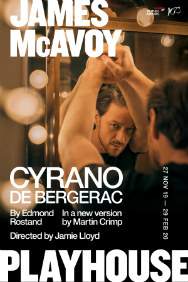
大鼻子情圣 [演出] 豆瓣
Cyrano de Bergerac
类型:
Theater
编剧:
Edmond Rostand
/
Edmond Rostand, Martin Crimp
其它标题:
Cyrano de Bergerac
/
西哈诺
导演:
Jamie Lloyd
/
David Leveaux
…
演员:
Douglas Hodge
/
Clémence Poésy
/
Patrick Page
/
Kyle Soller
/
Max Baker
Cyrano is a poet, philosopher and swordsman of incredible wit, but his sizable nose renders him too shy to pursue the beautiful Roxane. Instead, he provides the poetry and eloquence to woo her vicariously through his inarticulate friend Christian.
大鼻子情圣 [演出]
Cyrano de Bergerac
类型:
Theater
编剧:
Edmond Rostand
/
Edmond Rostand, Martin Crimp
其它标题:
Cyrano de Bergerac
/
西哈诺
导演:
Jamie Lloyd
/
David Leveaux
…
演员:
Douglas Hodge
/
Clémence Poésy
/
Patrick Page
/
Kyle Soller
/
Max Baker
Cyrano is a poet, philosopher and swordsman of incredible wit, but his sizable nose renders him too shy to pursue the beautiful Roxane. Instead, he provides the poetry and eloquence to woo her vicariously through his inarticulate friend Christian.
大鼻子情圣 2007年版 [演出] 豆瓣
所属 演出: 大鼻子情圣
剧院:
Richard Rodgers Theatre
导演:
David Leveaux
Cyrano is a poet, philosopher and swordsman of incredible wit, but his sizable nose renders him too shy to pursue the beautiful Roxane. Instead, he provides the poetry and eloquence to woo her vicariously through his inarticulate friend Christian.
屋顶上的提琴手 [演出] 豆瓣
Fiddler on the Roof
类型:
Musical
编剧:
Joseph Stein
/
Sheldon Harnick
其它标题:
Fiddler on the Roof
/
屋顶上的小提琴手
导演:
Jerome Robbins
/
Ruth Mitchell
…
演员:
Zero Mostel
/
Beatrice Arthur
/
Bert Convy
/
Tanya Everett
/
Michael Granger
故事发生在1905 年的俄国犹太村庄阿那特夫卡,几个世纪来,这个乌克兰的小镇一直居住着犹太人,他们保持着犹太传统。牛奶场主泰维和他的妻子高尔德以及他们的5个女儿过着再普通不过什至有些拮据的家庭生活。令泰维震惊的是,他的女儿们都定以自己的方式表达对爱情和婚姻的理解,并且以非传统的方式举行婚礼。
大女儿特热特尔没有遵照父亲的意愿与经济条件还不错的的屠夫沃尔夫结婚,而是想嫁给穷裁缝莫特尔。经历了一番思想斗争,泰维终于同意了这对有情人的婚事,还帮助妻子改变了一些传统偏见。
二女儿霍德儿爱上了一个革命者帕契克,当帕契克被流放到西伯利亚时,她跟随他一起去了那里。泰维必须在女儿的幸福与自己的信仰之间做出选择。深受儿女们爱情感染的泰维使他对女儿的深情与理解超越了传统的束缚。所以尽管很担忧,但是他仍然答应了孩子们的请求。
三女儿查娃则爱上了邻村的一个俄罗斯青年农民菲德卡,还背着父亲嫁给了这位异教徒。这是泰维坚决反对的的婚姻,无奈女儿和情人只好私奔了。泰维对心爱女儿的背叛难过极了。
后来由于沙皇的哥萨克轻骑兵的破坏,泰维难以忍受的灾难是犹太人将被驱逐。使得泰维定走向新大陆的难民队伍,举家搬迁到美国。一家人准备收拾行李上路。泰维想到了他的女儿们,大女儿特热特尔和莫特尔定待在波兰首都华沙,直至他们挣够了钱就去美国。二女儿霍德尔和帕契克仍然在西伯利亚。三女儿查娃和菲德卡这时又来到泰维面前,查娃告诉父亲她也要和菲德卡离开了。在最后的歌声中,人们告别了阿那特夫卡,屠夫沃尔夫将到芝加哥投奔哥哥,渴望得到父亲对她和丈夫理解和接受的查娃也终于得到了父亲在纽约相见的承诺。人们踏上了走向新大陆的难民队伍,包括那位提琴手。队伍黑鸦鸦的一片,艰难而又充满希望的旅途开始了。
大女儿特热特尔没有遵照父亲的意愿与经济条件还不错的的屠夫沃尔夫结婚,而是想嫁给穷裁缝莫特尔。经历了一番思想斗争,泰维终于同意了这对有情人的婚事,还帮助妻子改变了一些传统偏见。
二女儿霍德儿爱上了一个革命者帕契克,当帕契克被流放到西伯利亚时,她跟随他一起去了那里。泰维必须在女儿的幸福与自己的信仰之间做出选择。深受儿女们爱情感染的泰维使他对女儿的深情与理解超越了传统的束缚。所以尽管很担忧,但是他仍然答应了孩子们的请求。
三女儿查娃则爱上了邻村的一个俄罗斯青年农民菲德卡,还背着父亲嫁给了这位异教徒。这是泰维坚决反对的的婚姻,无奈女儿和情人只好私奔了。泰维对心爱女儿的背叛难过极了。
后来由于沙皇的哥萨克轻骑兵的破坏,泰维难以忍受的灾难是犹太人将被驱逐。使得泰维定走向新大陆的难民队伍,举家搬迁到美国。一家人准备收拾行李上路。泰维想到了他的女儿们,大女儿特热特尔和莫特尔定待在波兰首都华沙,直至他们挣够了钱就去美国。二女儿霍德尔和帕契克仍然在西伯利亚。三女儿查娃和菲德卡这时又来到泰维面前,查娃告诉父亲她也要和菲德卡离开了。在最后的歌声中,人们告别了阿那特夫卡,屠夫沃尔夫将到芝加哥投奔哥哥,渴望得到父亲对她和丈夫理解和接受的查娃也终于得到了父亲在纽约相见的承诺。人们踏上了走向新大陆的难民队伍,包括那位提琴手。队伍黑鸦鸦的一片,艰难而又充满希望的旅途开始了。
屋顶上的提琴手 2004 Broadway Revival版 [演出] 豆瓣
所属 演出: 屋顶上的提琴手
剧院:
Minskoff Theatre
导演:
David Leveaux
故事发生在1905 年的俄国犹太村庄阿那特夫卡,几个世纪来,这个乌克兰的小镇一直居住着犹太人,他们保持着犹太传统。牛奶场主泰维和他的妻子高尔德以及他们的5个女儿过着再普通不过什至有些拮据的家庭生活。令泰维震惊的是,他的女儿们都定以自己的方式表达对爱情和婚姻的理解,并且以非传统的方式举行婚礼。
大女儿特热特尔没有遵照父亲的意愿与经济条件还不错的的屠夫沃尔夫结婚,而是想嫁给穷裁缝莫特尔。经历了一番思想斗争,泰维终于同意了这对有情人的婚事,还帮助妻子改变了一些传统偏见。
二女儿霍德儿爱上了一个革命者帕契克,当帕契克被流放到西伯利亚时,她跟随他一起去了那里。泰维必须在女儿的幸福与自己的信仰之间做出选择。深受儿女们爱情感染的泰维使他对女儿的深情与理解超越了传统的束缚。所以尽管很担忧,但是他仍然答应了孩子们的请求。
三女儿查娃则爱上了邻村的一个俄罗斯青年农民菲德卡,还背着父亲嫁给了这位异教徒。这是泰维坚决反对的的婚姻,无奈女儿和情人只好私奔了。泰维对心爱女儿的背叛难过极了。
后来由于沙皇的哥萨克轻骑兵的破坏,泰维难以忍受的灾难是犹太人将被驱逐。使得泰维定走向新大陆的难民队伍,举家搬迁到美国。一家人准备收拾行李上路。泰维想到了他的女儿们,大女儿特热特尔和莫特尔定待在波兰首都华沙,直至他们挣够了钱就去美国。二女儿霍德尔和帕契克仍然在西伯利亚。三女儿查娃和菲德卡这时又来到泰维面前,查娃告诉父亲她也要和菲德卡离开了。在最后的歌声中,人们告别了阿那特夫卡,屠夫沃尔夫将到芝加哥投奔哥哥,渴望得到父亲对她和丈夫理解和接受的查娃也终于得到了父亲在纽约相见的承诺。人们踏上了走向新大陆的难民队伍,包括那位提琴手。队伍黑鸦鸦的一片,艰难而又充满希望的旅途开始了。
大女儿特热特尔没有遵照父亲的意愿与经济条件还不错的的屠夫沃尔夫结婚,而是想嫁给穷裁缝莫特尔。经历了一番思想斗争,泰维终于同意了这对有情人的婚事,还帮助妻子改变了一些传统偏见。
二女儿霍德儿爱上了一个革命者帕契克,当帕契克被流放到西伯利亚时,她跟随他一起去了那里。泰维必须在女儿的幸福与自己的信仰之间做出选择。深受儿女们爱情感染的泰维使他对女儿的深情与理解超越了传统的束缚。所以尽管很担忧,但是他仍然答应了孩子们的请求。
三女儿查娃则爱上了邻村的一个俄罗斯青年农民菲德卡,还背着父亲嫁给了这位异教徒。这是泰维坚决反对的的婚姻,无奈女儿和情人只好私奔了。泰维对心爱女儿的背叛难过极了。
后来由于沙皇的哥萨克轻骑兵的破坏,泰维难以忍受的灾难是犹太人将被驱逐。使得泰维定走向新大陆的难民队伍,举家搬迁到美国。一家人准备收拾行李上路。泰维想到了他的女儿们,大女儿特热特尔和莫特尔定待在波兰首都华沙,直至他们挣够了钱就去美国。二女儿霍德尔和帕契克仍然在西伯利亚。三女儿查娃和菲德卡这时又来到泰维面前,查娃告诉父亲她也要和菲德卡离开了。在最后的歌声中,人们告别了阿那特夫卡,屠夫沃尔夫将到芝加哥投奔哥哥,渴望得到父亲对她和丈夫理解和接受的查娃也终于得到了父亲在纽约相见的承诺。人们踏上了走向新大陆的难民队伍,包括那位提琴手。队伍黑鸦鸦的一片,艰难而又充满希望的旅途开始了。
阿卡迪亚 [演出] 豆瓣
Arcadia
类型:
Theater
编剧:
Tom Stoppard
其它标题:
Arcadia
导演:
Trevor Nunn
/
David Leveaux
…
演员:
Rufus Sewell
/
Felicity Kendal
/
Bill Nighy
/
Emma Fielding
/
Alan Mitchell
Scene 1
The play opens on 10 April 1809, in a garden front room of a country house in Derbyshire with tutor Septimus Hodge trying to distract his 13 year-old pupil Thomasina from her enquiries as to the meaning of a "carnal embrace" by challenging her to prove Fermat's Last Theorem so he can focus on reading the poem 'The Couch of Eros', a piece written by another character, Mr. Ezra Chater. Thomasina starts questioning why the jam in rice pudding can never be unstirred, which leads her on to the topic of determinism, beginning to develop a theory regarding the chaotic shapes of nature. This however is interrupted by Mr. Chater himself who is shortly revealed to be angry that his wife, Mrs. Chater, was caught engaging in "carnal embrace" in the gazebo with Septimus, and has come intending to challenge Septimus to a duel. Septimus attempts to defuse the situation by heaping oleaginous praise on "The Couch of Eros", a tactic that works, as at this point Chater doesn't realise that it was Septimus who had previously negatively reviewed an earlier work of his, "The Maid of Turkey". Landscape architect Noakes enters, shortly accompanied by Captain Brice and Lady Croom, who then proceed to discuss the proposed modifications to the gardens, with Thomasina drawing a picture of an imaginary hermit (in the biblical style of John the Baptist) onto Mr. Noakes's picture of the garden (with its fantasy hermitage) as he sees it in the future.
[edit]Scene 2
The setting shifts to the present day, with Hannah Jarvis researching about the house, garden and specifically the hermit, for a study centering on Hermits and the romantic imagination. Bernard Nightingale enters, escorted by Chloe Coverley, who fails to impart to Hannah the true identity of Bernard, as he gave Hannah's last book a poor review. Chloe's brother, Valentine Coverley, is doing research into the population biology of the grouse in the surrounding grounds, based on data from the historical "game books". When eventually Bernard's identity is revealed after a verbal misstep by Chloe, Hannah initially reacts angrily but regardless she agrees to share the research material he requested, allowing him to propose his theory that one of the 1809 inhabitants, Mr. Ezra Chater, was killed in a duel by Lord Byron. Bernard notes that records of Chater disappear after 1809; the only other notable Ezra Chater is a botanist.
[edit]Scene 3
The third scene reverts back to the initial timeframe, again in a tutorial session between Septimus and Thomasina, this time in Latin translation. Again the focus of the lesson diverts somewhat, here on to the destruction of the Alexandrian Library, which upsets Thomasina, who mourns the loss of the knowledge contained there, though Septimus's response is that all that is lost will eventually turn up again. The discussion is once again interrupted by Mr. Chater, who once again challenges Septimus to a duel, having finally realised, learning off-stage from Lord Byron, that Septimus was behind the negative reviews of his work.
[edit]Scene 4
Hannah rediscovers Thomasina's primer containing her ideas on iteration and chaos theory, recalling the previous scene's assertion that what is lost is eventually rediscovered. Valentine reacts with interest to this, as his own research in the present day centres on similar areas and concepts.
[edit]Scene 5
In the first scene of act 2, Hannah, Valentine and Chloe are given a preview of Bernard's lecture detailing Byron's supposed role in what he believes was Chater's murder. Bernard becomes agitated when Hannah and Valentine challenge the solidity and logic of his argument, responding by launching into a diatribe about the irrelevance of science, before departing to share the lecture in the capital and make promotional appearances in the media. Hannah meanwhile begins to suspect that the hermit of Sidley Park, who was reportedly obsessed with algebra and the heat death of the universe, the theory suggested in Thomasina's diagram, and who was also born in the same year, could have been Septimus.
[edit]Scene 6
Reverting to 1809, scene 6 reveals that the duel never occurred, with the Chaters instead having departed for the West Indies along with Captain Brice; Mr. Chater is accompanying the expedition as a botanist, and Mrs. Chater as Captain Brice's paramour. Byron has left also. Septimus has killed a rabbit for Thomasina. Septimus returns to find Lady Croom searching for him, after finding two letters that Septimus had written in case he was killed by Chater, one a love letter addressed to herself and the other, written to Thomasina, regarding rice pudding. Lady Croom then invites Septimus to an amorous rendezvous.
[edit]Scene 7
The seventh scene takes place in both 1812 and the present day, with the action of each in the shared setting effectively running concurrently. Furthermore, in the present day, some of the characters are in fancy dress for a party, meaning that the clothes and appearance of both casts are to some extent similar. Chloe is reading newspaper reports on the Byron murder theory as proposed by Bernard, before talking about determinism with Valentine, in a conversation echoing the one between Septimus and Thomasina earlier; Chloe, however, believes that sex is the force throwing off the universe's ordered plan. Valentine uses his computer to further advance the ideas proposed by Thomasina, and discusses the concept of entropy, and whether or not it was Thomasina or Septimus who was the genius behind the theories. Hannah and Valentine mention that "the girl" died in a fire on the eve of her seventeenth birthday.
Meanwhile, Thomasina (who is approaching her seventeenth birthday at this point) asks Septimus to teach her to dance. Lady Croom enters, complaining to Mr. Noakes about the noise of his steam engine, before Thomasina explains that the machine operates under the laws of entropy (not yet propounded at the time) which prove that the universe is winding down. In the present, Bernard arrives at the house where he is met by Hannah, who has discovered evidence, a letter showing the true cause of Mr. Chater's death, that totally discredits his argument and vindicates Lord Byron. While Septimus waits for appropriate music for a dance lesson that Thomasina has asked for, he examines the picture she made to illustrate the irreversibility of heat, an action mirrored in the present setting with Valentine and Hannah also looking at the same diagram and discussing its significance. Bernard is forced to depart having been caught in a compromising position with Chloe. Eventually a waltz starts. Septimus dances with Thomasina, their relationship of teacher and pupil increasingly complicated by hints of romance. Gus—Valentine and Chloe's brother, who has remained silent for the entire course of the play, brings Hannah Thomasina's drawing of Septimus and the tortoise together. This confirms Hannah's belief that the hermit, who owned a tortoise called Plautus, is Septimus; after the death of Thomasina, and faced with her challenge to the laws of the universe as propounded by Newton, he indeed becomes the hermit obsessed with applying "honest English algebra" to the question of the future of the universe.
The play opens on 10 April 1809, in a garden front room of a country house in Derbyshire with tutor Septimus Hodge trying to distract his 13 year-old pupil Thomasina from her enquiries as to the meaning of a "carnal embrace" by challenging her to prove Fermat's Last Theorem so he can focus on reading the poem 'The Couch of Eros', a piece written by another character, Mr. Ezra Chater. Thomasina starts questioning why the jam in rice pudding can never be unstirred, which leads her on to the topic of determinism, beginning to develop a theory regarding the chaotic shapes of nature. This however is interrupted by Mr. Chater himself who is shortly revealed to be angry that his wife, Mrs. Chater, was caught engaging in "carnal embrace" in the gazebo with Septimus, and has come intending to challenge Septimus to a duel. Septimus attempts to defuse the situation by heaping oleaginous praise on "The Couch of Eros", a tactic that works, as at this point Chater doesn't realise that it was Septimus who had previously negatively reviewed an earlier work of his, "The Maid of Turkey". Landscape architect Noakes enters, shortly accompanied by Captain Brice and Lady Croom, who then proceed to discuss the proposed modifications to the gardens, with Thomasina drawing a picture of an imaginary hermit (in the biblical style of John the Baptist) onto Mr. Noakes's picture of the garden (with its fantasy hermitage) as he sees it in the future.
[edit]Scene 2
The setting shifts to the present day, with Hannah Jarvis researching about the house, garden and specifically the hermit, for a study centering on Hermits and the romantic imagination. Bernard Nightingale enters, escorted by Chloe Coverley, who fails to impart to Hannah the true identity of Bernard, as he gave Hannah's last book a poor review. Chloe's brother, Valentine Coverley, is doing research into the population biology of the grouse in the surrounding grounds, based on data from the historical "game books". When eventually Bernard's identity is revealed after a verbal misstep by Chloe, Hannah initially reacts angrily but regardless she agrees to share the research material he requested, allowing him to propose his theory that one of the 1809 inhabitants, Mr. Ezra Chater, was killed in a duel by Lord Byron. Bernard notes that records of Chater disappear after 1809; the only other notable Ezra Chater is a botanist.
[edit]Scene 3
The third scene reverts back to the initial timeframe, again in a tutorial session between Septimus and Thomasina, this time in Latin translation. Again the focus of the lesson diverts somewhat, here on to the destruction of the Alexandrian Library, which upsets Thomasina, who mourns the loss of the knowledge contained there, though Septimus's response is that all that is lost will eventually turn up again. The discussion is once again interrupted by Mr. Chater, who once again challenges Septimus to a duel, having finally realised, learning off-stage from Lord Byron, that Septimus was behind the negative reviews of his work.
[edit]Scene 4
Hannah rediscovers Thomasina's primer containing her ideas on iteration and chaos theory, recalling the previous scene's assertion that what is lost is eventually rediscovered. Valentine reacts with interest to this, as his own research in the present day centres on similar areas and concepts.
[edit]Scene 5
In the first scene of act 2, Hannah, Valentine and Chloe are given a preview of Bernard's lecture detailing Byron's supposed role in what he believes was Chater's murder. Bernard becomes agitated when Hannah and Valentine challenge the solidity and logic of his argument, responding by launching into a diatribe about the irrelevance of science, before departing to share the lecture in the capital and make promotional appearances in the media. Hannah meanwhile begins to suspect that the hermit of Sidley Park, who was reportedly obsessed with algebra and the heat death of the universe, the theory suggested in Thomasina's diagram, and who was also born in the same year, could have been Septimus.
[edit]Scene 6
Reverting to 1809, scene 6 reveals that the duel never occurred, with the Chaters instead having departed for the West Indies along with Captain Brice; Mr. Chater is accompanying the expedition as a botanist, and Mrs. Chater as Captain Brice's paramour. Byron has left also. Septimus has killed a rabbit for Thomasina. Septimus returns to find Lady Croom searching for him, after finding two letters that Septimus had written in case he was killed by Chater, one a love letter addressed to herself and the other, written to Thomasina, regarding rice pudding. Lady Croom then invites Septimus to an amorous rendezvous.
[edit]Scene 7
The seventh scene takes place in both 1812 and the present day, with the action of each in the shared setting effectively running concurrently. Furthermore, in the present day, some of the characters are in fancy dress for a party, meaning that the clothes and appearance of both casts are to some extent similar. Chloe is reading newspaper reports on the Byron murder theory as proposed by Bernard, before talking about determinism with Valentine, in a conversation echoing the one between Septimus and Thomasina earlier; Chloe, however, believes that sex is the force throwing off the universe's ordered plan. Valentine uses his computer to further advance the ideas proposed by Thomasina, and discusses the concept of entropy, and whether or not it was Thomasina or Septimus who was the genius behind the theories. Hannah and Valentine mention that "the girl" died in a fire on the eve of her seventeenth birthday.
Meanwhile, Thomasina (who is approaching her seventeenth birthday at this point) asks Septimus to teach her to dance. Lady Croom enters, complaining to Mr. Noakes about the noise of his steam engine, before Thomasina explains that the machine operates under the laws of entropy (not yet propounded at the time) which prove that the universe is winding down. In the present, Bernard arrives at the house where he is met by Hannah, who has discovered evidence, a letter showing the true cause of Mr. Chater's death, that totally discredits his argument and vindicates Lord Byron. While Septimus waits for appropriate music for a dance lesson that Thomasina has asked for, he examines the picture she made to illustrate the irreversibility of heat, an action mirrored in the present setting with Valentine and Hannah also looking at the same diagram and discussing its significance. Bernard is forced to depart having been caught in a compromising position with Chloe. Eventually a waltz starts. Septimus dances with Thomasina, their relationship of teacher and pupil increasingly complicated by hints of romance. Gus—Valentine and Chloe's brother, who has remained silent for the entire course of the play, brings Hannah Thomasina's drawing of Septimus and the tortoise together. This confirms Hannah's belief that the hermit, who owned a tortoise called Plautus, is Septimus; after the death of Thomasina, and faced with her challenge to the laws of the universe as propounded by Newton, he indeed becomes the hermit obsessed with applying "honest English algebra" to the question of the future of the universe.
阿卡迪亚 2009年版 [演出] 豆瓣
所属 演出: 阿卡迪亚
导演:
David Leveaux
Scene 1
The play opens on 10 April 1809, in a garden front room of a country house in Derbyshire with tutor Septimus Hodge trying to distract his 13 year-old pupil Thomasina from her enquiries as to the meaning of a "carnal embrace" by challenging her to prove Fermat's Last Theorem so he can focus on reading the poem 'The Couch of Eros', a piece written by another character, Mr. Ezra Chater. Thomasina starts questioning why the jam in rice pudding can never be unstirred, which leads her on to the topic of determinism, beginning to develop a theory regarding the chaotic shapes of nature. This however is interrupted by Mr. Chater himself who is shortly revealed to be angry that his wife, Mrs. Chater, was caught engaging in "carnal embrace" in the gazebo with Septimus, and has come intending to challenge Septimus to a duel. Septimus attempts to defuse the situation by heaping oleaginous praise on "The Couch of Eros", a tactic that works, as at this point Chater doesn't realise that it was Septimus who had previously negatively reviewed an earlier work of his, "The Maid of Turkey". Landscape architect Noakes enters, shortly accompanied by Captain Brice and Lady Croom, who then proceed to discuss the proposed modifications to the gardens, with Thomasina drawing a picture of an imaginary hermit (in the biblical style of John the Baptist) onto Mr. Noakes's picture of the garden (with its fantasy hermitage) as he sees it in the future.
[edit]Scene 2
The setting shifts to the present day, with Hannah Jarvis researching about the house, garden and specifically the hermit, for a study centering on Hermits and the romantic imagination. Bernard Nightingale enters, escorted by Chloe Coverley, who fails to impart to Hannah the true identity of Bernard, as he gave Hannah's last book a poor review. Chloe's brother, Valentine Coverley, is doing research into the population biology of the grouse in the surrounding grounds, based on data from the historical "game books". When eventually Bernard's identity is revealed after a verbal misstep by Chloe, Hannah initially reacts angrily but regardless she agrees to share the research material he requested, allowing him to propose his theory that one of the 1809 inhabitants, Mr. Ezra Chater, was killed in a duel by Lord Byron. Bernard notes that records of Chater disappear after 1809; the only other notable Ezra Chater is a botanist.
[edit]Scene 3
The third scene reverts back to the initial timeframe, again in a tutorial session between Septimus and Thomasina, this time in Latin translation. Again the focus of the lesson diverts somewhat, here on to the destruction of the Alexandrian Library, which upsets Thomasina, who mourns the loss of the knowledge contained there, though Septimus's response is that all that is lost will eventually turn up again. The discussion is once again interrupted by Mr. Chater, who once again challenges Septimus to a duel, having finally realised, learning off-stage from Lord Byron, that Septimus was behind the negative reviews of his work.
[edit]Scene 4
Hannah rediscovers Thomasina's primer containing her ideas on iteration and chaos theory, recalling the previous scene's assertion that what is lost is eventually rediscovered. Valentine reacts with interest to this, as his own research in the present day centres on similar areas and concepts.
[edit]Scene 5
In the first scene of act 2, Hannah, Valentine and Chloe are given a preview of Bernard's lecture detailing Byron's supposed role in what he believes was Chater's murder. Bernard becomes agitated when Hannah and Valentine challenge the solidity and logic of his argument, responding by launching into a diatribe about the irrelevance of science, before departing to share the lecture in the capital and make promotional appearances in the media. Hannah meanwhile begins to suspect that the hermit of Sidley Park, who was reportedly obsessed with algebra and the heat death of the universe, the theory suggested in Thomasina's diagram, and who was also born in the same year, could have been Septimus.
[edit]Scene 6
Reverting to 1809, scene 6 reveals that the duel never occurred, with the Chaters instead having departed for the West Indies along with Captain Brice; Mr. Chater is accompanying the expedition as a botanist, and Mrs. Chater as Captain Brice's paramour. Byron has left also. Septimus has killed a rabbit for Thomasina. Septimus returns to find Lady Croom searching for him, after finding two letters that Septimus had written in case he was killed by Chater, one a love letter addressed to herself and the other, written to Thomasina, regarding rice pudding. Lady Croom then invites Septimus to an amorous rendezvous.
[edit]Scene 7
The seventh scene takes place in both 1812 and the present day, with the action of each in the shared setting effectively running concurrently. Furthermore, in the present day, some of the characters are in fancy dress for a party, meaning that the clothes and appearance of both casts are to some extent similar. Chloe is reading newspaper reports on the Byron murder theory as proposed by Bernard, before talking about determinism with Valentine, in a conversation echoing the one between Septimus and Thomasina earlier; Chloe, however, believes that sex is the force throwing off the universe's ordered plan. Valentine uses his computer to further advance the ideas proposed by Thomasina, and discusses the concept of entropy, and whether or not it was Thomasina or Septimus who was the genius behind the theories. Hannah and Valentine mention that "the girl" died in a fire on the eve of her seventeenth birthday.
Meanwhile, Thomasina (who is approaching her seventeenth birthday at this point) asks Septimus to teach her to dance. Lady Croom enters, complaining to Mr. Noakes about the noise of his steam engine, before Thomasina explains that the machine operates under the laws of entropy (not yet propounded at the time) which prove that the universe is winding down. In the present, Bernard arrives at the house where he is met by Hannah, who has discovered evidence, a letter showing the true cause of Mr. Chater's death, that totally discredits his argument and vindicates Lord Byron. While Septimus waits for appropriate music for a dance lesson that Thomasina has asked for, he examines the picture she made to illustrate the irreversibility of heat, an action mirrored in the present setting with Valentine and Hannah also looking at the same diagram and discussing its significance. Bernard is forced to depart having been caught in a compromising position with Chloe. Eventually a waltz starts. Septimus dances with Thomasina, their relationship of teacher and pupil increasingly complicated by hints of romance. Gus—Valentine and Chloe's brother, who has remained silent for the entire course of the play, brings Hannah Thomasina's drawing of Septimus and the tortoise together. This confirms Hannah's belief that the hermit, who owned a tortoise called Plautus, is Septimus; after the death of Thomasina, and faced with her challenge to the laws of the universe as propounded by Newton, he indeed becomes the hermit obsessed with applying "honest English algebra" to the question of the future of the universe.
The play opens on 10 April 1809, in a garden front room of a country house in Derbyshire with tutor Septimus Hodge trying to distract his 13 year-old pupil Thomasina from her enquiries as to the meaning of a "carnal embrace" by challenging her to prove Fermat's Last Theorem so he can focus on reading the poem 'The Couch of Eros', a piece written by another character, Mr. Ezra Chater. Thomasina starts questioning why the jam in rice pudding can never be unstirred, which leads her on to the topic of determinism, beginning to develop a theory regarding the chaotic shapes of nature. This however is interrupted by Mr. Chater himself who is shortly revealed to be angry that his wife, Mrs. Chater, was caught engaging in "carnal embrace" in the gazebo with Septimus, and has come intending to challenge Septimus to a duel. Septimus attempts to defuse the situation by heaping oleaginous praise on "The Couch of Eros", a tactic that works, as at this point Chater doesn't realise that it was Septimus who had previously negatively reviewed an earlier work of his, "The Maid of Turkey". Landscape architect Noakes enters, shortly accompanied by Captain Brice and Lady Croom, who then proceed to discuss the proposed modifications to the gardens, with Thomasina drawing a picture of an imaginary hermit (in the biblical style of John the Baptist) onto Mr. Noakes's picture of the garden (with its fantasy hermitage) as he sees it in the future.
[edit]Scene 2
The setting shifts to the present day, with Hannah Jarvis researching about the house, garden and specifically the hermit, for a study centering on Hermits and the romantic imagination. Bernard Nightingale enters, escorted by Chloe Coverley, who fails to impart to Hannah the true identity of Bernard, as he gave Hannah's last book a poor review. Chloe's brother, Valentine Coverley, is doing research into the population biology of the grouse in the surrounding grounds, based on data from the historical "game books". When eventually Bernard's identity is revealed after a verbal misstep by Chloe, Hannah initially reacts angrily but regardless she agrees to share the research material he requested, allowing him to propose his theory that one of the 1809 inhabitants, Mr. Ezra Chater, was killed in a duel by Lord Byron. Bernard notes that records of Chater disappear after 1809; the only other notable Ezra Chater is a botanist.
[edit]Scene 3
The third scene reverts back to the initial timeframe, again in a tutorial session between Septimus and Thomasina, this time in Latin translation. Again the focus of the lesson diverts somewhat, here on to the destruction of the Alexandrian Library, which upsets Thomasina, who mourns the loss of the knowledge contained there, though Septimus's response is that all that is lost will eventually turn up again. The discussion is once again interrupted by Mr. Chater, who once again challenges Septimus to a duel, having finally realised, learning off-stage from Lord Byron, that Septimus was behind the negative reviews of his work.
[edit]Scene 4
Hannah rediscovers Thomasina's primer containing her ideas on iteration and chaos theory, recalling the previous scene's assertion that what is lost is eventually rediscovered. Valentine reacts with interest to this, as his own research in the present day centres on similar areas and concepts.
[edit]Scene 5
In the first scene of act 2, Hannah, Valentine and Chloe are given a preview of Bernard's lecture detailing Byron's supposed role in what he believes was Chater's murder. Bernard becomes agitated when Hannah and Valentine challenge the solidity and logic of his argument, responding by launching into a diatribe about the irrelevance of science, before departing to share the lecture in the capital and make promotional appearances in the media. Hannah meanwhile begins to suspect that the hermit of Sidley Park, who was reportedly obsessed with algebra and the heat death of the universe, the theory suggested in Thomasina's diagram, and who was also born in the same year, could have been Septimus.
[edit]Scene 6
Reverting to 1809, scene 6 reveals that the duel never occurred, with the Chaters instead having departed for the West Indies along with Captain Brice; Mr. Chater is accompanying the expedition as a botanist, and Mrs. Chater as Captain Brice's paramour. Byron has left also. Septimus has killed a rabbit for Thomasina. Septimus returns to find Lady Croom searching for him, after finding two letters that Septimus had written in case he was killed by Chater, one a love letter addressed to herself and the other, written to Thomasina, regarding rice pudding. Lady Croom then invites Septimus to an amorous rendezvous.
[edit]Scene 7
The seventh scene takes place in both 1812 and the present day, with the action of each in the shared setting effectively running concurrently. Furthermore, in the present day, some of the characters are in fancy dress for a party, meaning that the clothes and appearance of both casts are to some extent similar. Chloe is reading newspaper reports on the Byron murder theory as proposed by Bernard, before talking about determinism with Valentine, in a conversation echoing the one between Septimus and Thomasina earlier; Chloe, however, believes that sex is the force throwing off the universe's ordered plan. Valentine uses his computer to further advance the ideas proposed by Thomasina, and discusses the concept of entropy, and whether or not it was Thomasina or Septimus who was the genius behind the theories. Hannah and Valentine mention that "the girl" died in a fire on the eve of her seventeenth birthday.
Meanwhile, Thomasina (who is approaching her seventeenth birthday at this point) asks Septimus to teach her to dance. Lady Croom enters, complaining to Mr. Noakes about the noise of his steam engine, before Thomasina explains that the machine operates under the laws of entropy (not yet propounded at the time) which prove that the universe is winding down. In the present, Bernard arrives at the house where he is met by Hannah, who has discovered evidence, a letter showing the true cause of Mr. Chater's death, that totally discredits his argument and vindicates Lord Byron. While Septimus waits for appropriate music for a dance lesson that Thomasina has asked for, he examines the picture she made to illustrate the irreversibility of heat, an action mirrored in the present setting with Valentine and Hannah also looking at the same diagram and discussing its significance. Bernard is forced to depart having been caught in a compromising position with Chloe. Eventually a waltz starts. Septimus dances with Thomasina, their relationship of teacher and pupil increasingly complicated by hints of romance. Gus—Valentine and Chloe's brother, who has remained silent for the entire course of the play, brings Hannah Thomasina's drawing of Septimus and the tortoise together. This confirms Hannah's belief that the hermit, who owned a tortoise called Plautus, is Septimus; after the death of Thomasina, and faced with her challenge to the laws of the universe as propounded by Newton, he indeed becomes the hermit obsessed with applying "honest English algebra" to the question of the future of the universe.
阿卡迪亚 2011年版 [演出] 豆瓣
所属 演出: 阿卡迪亚
导演:
David Leveaux
Scene 1
The play opens on 10 April 1809, in a garden front room of a country house in Derbyshire with tutor Septimus Hodge trying to distract his 13 year-old pupil Thomasina from her enquiries as to the meaning of a "carnal embrace" by challenging her to prove Fermat's Last Theorem so he can focus on reading the poem 'The Couch of Eros', a piece written by another character, Mr. Ezra Chater. Thomasina starts questioning why the jam in rice pudding can never be unstirred, which leads her on to the topic of determinism, beginning to develop a theory regarding the chaotic shapes of nature. This however is interrupted by Mr. Chater himself who is shortly revealed to be angry that his wife, Mrs. Chater, was caught engaging in "carnal embrace" in the gazebo with Septimus, and has come intending to challenge Septimus to a duel. Septimus attempts to defuse the situation by heaping oleaginous praise on "The Couch of Eros", a tactic that works, as at this point Chater doesn't realise that it was Septimus who had previously negatively reviewed an earlier work of his, "The Maid of Turkey". Landscape architect Noakes enters, shortly accompanied by Captain Brice and Lady Croom, who then proceed to discuss the proposed modifications to the gardens, with Thomasina drawing a picture of an imaginary hermit (in the biblical style of John the Baptist) onto Mr. Noakes's picture of the garden (with its fantasy hermitage) as he sees it in the future.
[edit]Scene 2
The setting shifts to the present day, with Hannah Jarvis researching about the house, garden and specifically the hermit, for a study centering on Hermits and the romantic imagination. Bernard Nightingale enters, escorted by Chloe Coverley, who fails to impart to Hannah the true identity of Bernard, as he gave Hannah's last book a poor review. Chloe's brother, Valentine Coverley, is doing research into the population biology of the grouse in the surrounding grounds, based on data from the historical "game books". When eventually Bernard's identity is revealed after a verbal misstep by Chloe, Hannah initially reacts angrily but regardless she agrees to share the research material he requested, allowing him to propose his theory that one of the 1809 inhabitants, Mr. Ezra Chater, was killed in a duel by Lord Byron. Bernard notes that records of Chater disappear after 1809; the only other notable Ezra Chater is a botanist.
[edit]Scene 3
The third scene reverts back to the initial timeframe, again in a tutorial session between Septimus and Thomasina, this time in Latin translation. Again the focus of the lesson diverts somewhat, here on to the destruction of the Alexandrian Library, which upsets Thomasina, who mourns the loss of the knowledge contained there, though Septimus's response is that all that is lost will eventually turn up again. The discussion is once again interrupted by Mr. Chater, who once again challenges Septimus to a duel, having finally realised, learning off-stage from Lord Byron, that Septimus was behind the negative reviews of his work.
[edit]Scene 4
Hannah rediscovers Thomasina's primer containing her ideas on iteration and chaos theory, recalling the previous scene's assertion that what is lost is eventually rediscovered. Valentine reacts with interest to this, as his own research in the present day centres on similar areas and concepts.
[edit]Scene 5
In the first scene of act 2, Hannah, Valentine and Chloe are given a preview of Bernard's lecture detailing Byron's supposed role in what he believes was Chater's murder. Bernard becomes agitated when Hannah and Valentine challenge the solidity and logic of his argument, responding by launching into a diatribe about the irrelevance of science, before departing to share the lecture in the capital and make promotional appearances in the media. Hannah meanwhile begins to suspect that the hermit of Sidley Park, who was reportedly obsessed with algebra and the heat death of the universe, the theory suggested in Thomasina's diagram, and who was also born in the same year, could have been Septimus.
[edit]Scene 6
Reverting to 1809, scene 6 reveals that the duel never occurred, with the Chaters instead having departed for the West Indies along with Captain Brice; Mr. Chater is accompanying the expedition as a botanist, and Mrs. Chater as Captain Brice's paramour. Byron has left also. Septimus has killed a rabbit for Thomasina. Septimus returns to find Lady Croom searching for him, after finding two letters that Septimus had written in case he was killed by Chater, one a love letter addressed to herself and the other, written to Thomasina, regarding rice pudding. Lady Croom then invites Septimus to an amorous rendezvous.
[edit]Scene 7
The seventh scene takes place in both 1812 and the present day, with the action of each in the shared setting effectively running concurrently. Furthermore, in the present day, some of the characters are in fancy dress for a party, meaning that the clothes and appearance of both casts are to some extent similar. Chloe is reading newspaper reports on the Byron murder theory as proposed by Bernard, before talking about determinism with Valentine, in a conversation echoing the one between Septimus and Thomasina earlier; Chloe, however, believes that sex is the force throwing off the universe's ordered plan. Valentine uses his computer to further advance the ideas proposed by Thomasina, and discusses the concept of entropy, and whether or not it was Thomasina or Septimus who was the genius behind the theories. Hannah and Valentine mention that "the girl" died in a fire on the eve of her seventeenth birthday.
Meanwhile, Thomasina (who is approaching her seventeenth birthday at this point) asks Septimus to teach her to dance. Lady Croom enters, complaining to Mr. Noakes about the noise of his steam engine, before Thomasina explains that the machine operates under the laws of entropy (not yet propounded at the time) which prove that the universe is winding down. In the present, Bernard arrives at the house where he is met by Hannah, who has discovered evidence, a letter showing the true cause of Mr. Chater's death, that totally discredits his argument and vindicates Lord Byron. While Septimus waits for appropriate music for a dance lesson that Thomasina has asked for, he examines the picture she made to illustrate the irreversibility of heat, an action mirrored in the present setting with Valentine and Hannah also looking at the same diagram and discussing its significance. Bernard is forced to depart having been caught in a compromising position with Chloe. Eventually a waltz starts. Septimus dances with Thomasina, their relationship of teacher and pupil increasingly complicated by hints of romance. Gus—Valentine and Chloe's brother, who has remained silent for the entire course of the play, brings Hannah Thomasina's drawing of Septimus and the tortoise together. This confirms Hannah's belief that the hermit, who owned a tortoise called Plautus, is Septimus; after the death of Thomasina, and faced with her challenge to the laws of the universe as propounded by Newton, he indeed becomes the hermit obsessed with applying "honest English algebra" to the question of the future of the universe.
The play opens on 10 April 1809, in a garden front room of a country house in Derbyshire with tutor Septimus Hodge trying to distract his 13 year-old pupil Thomasina from her enquiries as to the meaning of a "carnal embrace" by challenging her to prove Fermat's Last Theorem so he can focus on reading the poem 'The Couch of Eros', a piece written by another character, Mr. Ezra Chater. Thomasina starts questioning why the jam in rice pudding can never be unstirred, which leads her on to the topic of determinism, beginning to develop a theory regarding the chaotic shapes of nature. This however is interrupted by Mr. Chater himself who is shortly revealed to be angry that his wife, Mrs. Chater, was caught engaging in "carnal embrace" in the gazebo with Septimus, and has come intending to challenge Septimus to a duel. Septimus attempts to defuse the situation by heaping oleaginous praise on "The Couch of Eros", a tactic that works, as at this point Chater doesn't realise that it was Septimus who had previously negatively reviewed an earlier work of his, "The Maid of Turkey". Landscape architect Noakes enters, shortly accompanied by Captain Brice and Lady Croom, who then proceed to discuss the proposed modifications to the gardens, with Thomasina drawing a picture of an imaginary hermit (in the biblical style of John the Baptist) onto Mr. Noakes's picture of the garden (with its fantasy hermitage) as he sees it in the future.
[edit]Scene 2
The setting shifts to the present day, with Hannah Jarvis researching about the house, garden and specifically the hermit, for a study centering on Hermits and the romantic imagination. Bernard Nightingale enters, escorted by Chloe Coverley, who fails to impart to Hannah the true identity of Bernard, as he gave Hannah's last book a poor review. Chloe's brother, Valentine Coverley, is doing research into the population biology of the grouse in the surrounding grounds, based on data from the historical "game books". When eventually Bernard's identity is revealed after a verbal misstep by Chloe, Hannah initially reacts angrily but regardless she agrees to share the research material he requested, allowing him to propose his theory that one of the 1809 inhabitants, Mr. Ezra Chater, was killed in a duel by Lord Byron. Bernard notes that records of Chater disappear after 1809; the only other notable Ezra Chater is a botanist.
[edit]Scene 3
The third scene reverts back to the initial timeframe, again in a tutorial session between Septimus and Thomasina, this time in Latin translation. Again the focus of the lesson diverts somewhat, here on to the destruction of the Alexandrian Library, which upsets Thomasina, who mourns the loss of the knowledge contained there, though Septimus's response is that all that is lost will eventually turn up again. The discussion is once again interrupted by Mr. Chater, who once again challenges Septimus to a duel, having finally realised, learning off-stage from Lord Byron, that Septimus was behind the negative reviews of his work.
[edit]Scene 4
Hannah rediscovers Thomasina's primer containing her ideas on iteration and chaos theory, recalling the previous scene's assertion that what is lost is eventually rediscovered. Valentine reacts with interest to this, as his own research in the present day centres on similar areas and concepts.
[edit]Scene 5
In the first scene of act 2, Hannah, Valentine and Chloe are given a preview of Bernard's lecture detailing Byron's supposed role in what he believes was Chater's murder. Bernard becomes agitated when Hannah and Valentine challenge the solidity and logic of his argument, responding by launching into a diatribe about the irrelevance of science, before departing to share the lecture in the capital and make promotional appearances in the media. Hannah meanwhile begins to suspect that the hermit of Sidley Park, who was reportedly obsessed with algebra and the heat death of the universe, the theory suggested in Thomasina's diagram, and who was also born in the same year, could have been Septimus.
[edit]Scene 6
Reverting to 1809, scene 6 reveals that the duel never occurred, with the Chaters instead having departed for the West Indies along with Captain Brice; Mr. Chater is accompanying the expedition as a botanist, and Mrs. Chater as Captain Brice's paramour. Byron has left also. Septimus has killed a rabbit for Thomasina. Septimus returns to find Lady Croom searching for him, after finding two letters that Septimus had written in case he was killed by Chater, one a love letter addressed to herself and the other, written to Thomasina, regarding rice pudding. Lady Croom then invites Septimus to an amorous rendezvous.
[edit]Scene 7
The seventh scene takes place in both 1812 and the present day, with the action of each in the shared setting effectively running concurrently. Furthermore, in the present day, some of the characters are in fancy dress for a party, meaning that the clothes and appearance of both casts are to some extent similar. Chloe is reading newspaper reports on the Byron murder theory as proposed by Bernard, before talking about determinism with Valentine, in a conversation echoing the one between Septimus and Thomasina earlier; Chloe, however, believes that sex is the force throwing off the universe's ordered plan. Valentine uses his computer to further advance the ideas proposed by Thomasina, and discusses the concept of entropy, and whether or not it was Thomasina or Septimus who was the genius behind the theories. Hannah and Valentine mention that "the girl" died in a fire on the eve of her seventeenth birthday.
Meanwhile, Thomasina (who is approaching her seventeenth birthday at this point) asks Septimus to teach her to dance. Lady Croom enters, complaining to Mr. Noakes about the noise of his steam engine, before Thomasina explains that the machine operates under the laws of entropy (not yet propounded at the time) which prove that the universe is winding down. In the present, Bernard arrives at the house where he is met by Hannah, who has discovered evidence, a letter showing the true cause of Mr. Chater's death, that totally discredits his argument and vindicates Lord Byron. While Septimus waits for appropriate music for a dance lesson that Thomasina has asked for, he examines the picture she made to illustrate the irreversibility of heat, an action mirrored in the present setting with Valentine and Hannah also looking at the same diagram and discussing its significance. Bernard is forced to depart having been caught in a compromising position with Chloe. Eventually a waltz starts. Septimus dances with Thomasina, their relationship of teacher and pupil increasingly complicated by hints of romance. Gus—Valentine and Chloe's brother, who has remained silent for the entire course of the play, brings Hannah Thomasina's drawing of Septimus and the tortoise together. This confirms Hannah's belief that the hermit, who owned a tortoise called Plautus, is Septimus; after the death of Thomasina, and faced with her challenge to the laws of the universe as propounded by Newton, he indeed becomes the hermit obsessed with applying "honest English algebra" to the question of the future of the universe.
罗森格兰兹与吉尔登斯吞死了 版本7 [演出] 豆瓣
所属 演出: 罗森格兰兹与吉尔登斯吞死了
剧院:
The Old Vic
导演:
David Leveaux
丹麦王子哈姆雷特的父亲意外死亡,母亲嫁给了他的叔叔——新的国王,哈姆雷特认定是新国王杀父夺母篡取王位,便假装疯癫伺机复仇,一场明争暗斗在宫廷展开。
两个小人物:罗森格兰兹和吉尔登斯吞,被国王召见,他们被委派护送哈姆雷特到英国去。这两个蒙在鼓里的人从一开始就一直在扔钱币打赌、无聊可笑地探讨人生和他们所处的世界、好奇地窥探宫廷里那些他们不明白的秘密,完全没有想到他们是在执行国王企图杀死王子的密谋,更没有意识到命运使他们不明不白地送了命。
莎士比亚的故事,换了从两个不相干的小人物的角度来叙述,又好笑,又悲惨,这是现代人眼中的王子复仇记。
厄勒克特拉 [演出] 豆瓣
ΗΛΕΚΤΡΑ
类型:
Theater
编剧:
Sophocles
/
Frank McGuinness
…
其它标题:
ΗΛΕΚΤΡΑ
/
Electra
导演:
Margaret Anglin
/
Marika Cotopouli
…
演员:
Margaret Anglin
/
Herbert Barr
/
Betty Beeman
/
Ruth Chandler
/
Doris Dagmar
Greek princess Electra waits for her brother, Orestes, to return home and help her plan revenge on their mother, Clytemnestra, for her murdering of their father, Agamemnon, in Sophocles' tragedy.
厄勒克特拉 1998年版 [演出] 豆瓣
所属 演出: 厄勒克特拉
剧院:
Ethel Barrymore Theatre
导演:
David Leveaux
其它标题:
1998年版
编剧:
Sophocles
/
Frank McGuinness
演员:
Zoë Wanamaker
/
Claire Bloom
…
Greek princess Electra waits for her brother, Orestes, to return home and help her plan revenge on their mother, Clytemnestra, for her murdering of their father, Agamemnon, in Sophocles' tragedy.
罗密欧与朱丽叶 [演出] 豆瓣
Romeo and Juliet
类型:
Theater
编剧:
William Shakespeare
其它标题:
Romeo and Juliet
导演:
David Leveaux
/
Rob Ashford, Kenneth Branagh
…
演员:
Orlando Bloom
/
Condola Rashad
/
Justin Guarini
/
Richard Madden
/
Lily James
肯尼斯布拉纳导演电影《灰姑娘》阵容再度聚首,展现四百年爱情悲剧。
莎士比亚经典爱情悲剧《罗密欧与朱丽叶》中,两个相爱的青年男女因无法逾越家族的仇恨,最终自杀殉情。而此次布拉纳剧院现场呈现的是罗伯•阿什福德和肯尼斯•布拉纳联合执导的新版本《罗密欧与朱丽叶》,全片黑白质感强烈,主角则由HBO电视剧《权力的游戏》中的“少狼主”理查德•麦登饰演罗密欧,《唐顿庄园》中的美少女莉莉•詹姆斯饰演朱丽叶,这也是两人继肯尼斯•布拉纳导演的电影《灰姑娘》之后再次饰演恋人。挑战经典剧目,《每日邮报》赞赏布拉纳选角的眼光并给出了五星好评,这是“最年轻最美”的“罗朱”,这是一部“华丽、富有激情而节奏紧凑”的好戏。
One of Shakespeare's most well-known and performed plays, Romeo and Juliet is a tragedy about two young star-crossed lovers whose deaths ultimately reconcile their feuding families. The first Broadway staging in 36 years, this revival of Romeo and Juliet retains Shakespeare’s language while moving the setting to contemporary times in which the warring Montague and Capulet families are of different ethnicities.
莎士比亚经典爱情悲剧《罗密欧与朱丽叶》中,两个相爱的青年男女因无法逾越家族的仇恨,最终自杀殉情。而此次布拉纳剧院现场呈现的是罗伯•阿什福德和肯尼斯•布拉纳联合执导的新版本《罗密欧与朱丽叶》,全片黑白质感强烈,主角则由HBO电视剧《权力的游戏》中的“少狼主”理查德•麦登饰演罗密欧,《唐顿庄园》中的美少女莉莉•詹姆斯饰演朱丽叶,这也是两人继肯尼斯•布拉纳导演的电影《灰姑娘》之后再次饰演恋人。挑战经典剧目,《每日邮报》赞赏布拉纳选角的眼光并给出了五星好评,这是“最年轻最美”的“罗朱”,这是一部“华丽、富有激情而节奏紧凑”的好戏。
One of Shakespeare's most well-known and performed plays, Romeo and Juliet is a tragedy about two young star-crossed lovers whose deaths ultimately reconcile their feuding families. The first Broadway staging in 36 years, this revival of Romeo and Juliet retains Shakespeare’s language while moving the setting to contemporary times in which the warring Montague and Capulet families are of different ethnicities.
罗密欧与朱丽叶 2013 Broadway Revival版 [演出] 豆瓣
所属 演出: 罗密欧与朱丽叶
肯尼斯布拉纳导演电影《灰姑娘》阵容再度聚首,展现四百年爱情悲剧。
莎士比亚经典爱情悲剧《罗密欧与朱丽叶》中,两个相爱的青年男女因无法逾越家族的仇恨,最终自杀殉情。而此次布拉纳剧院现场呈现的是罗伯•阿什福德和肯尼斯•布拉纳联合执导的新版本《罗密欧与朱丽叶》,全片黑白质感强烈,主角则由HBO电视剧《权力的游戏》中的“少狼主”理查德•麦登饰演罗密欧,《唐顿庄园》中的美少女莉莉•詹姆斯饰演朱丽叶,这也是两人继肯尼斯•布拉纳导演的电影《灰姑娘》之后再次饰演恋人。挑战经典剧目,《每日邮报》赞赏布拉纳选角的眼光并给出了五星好评,这是“最年轻最美”的“罗朱”,这是一部“华丽、富有激情而节奏紧凑”的好戏。
One of Shakespeare's most well-known and performed plays, Romeo and Juliet is a tragedy about two young star-crossed lovers whose deaths ultimately reconcile their feuding families. The first Broadway staging in 36 years, this revival of Romeo and Juliet retains Shakespeare’s language while moving the setting to contemporary times in which the warring Montague and Capulet families are of different ethnicities.
莎士比亚经典爱情悲剧《罗密欧与朱丽叶》中,两个相爱的青年男女因无法逾越家族的仇恨,最终自杀殉情。而此次布拉纳剧院现场呈现的是罗伯•阿什福德和肯尼斯•布拉纳联合执导的新版本《罗密欧与朱丽叶》,全片黑白质感强烈,主角则由HBO电视剧《权力的游戏》中的“少狼主”理查德•麦登饰演罗密欧,《唐顿庄园》中的美少女莉莉•詹姆斯饰演朱丽叶,这也是两人继肯尼斯•布拉纳导演的电影《灰姑娘》之后再次饰演恋人。挑战经典剧目,《每日邮报》赞赏布拉纳选角的眼光并给出了五星好评,这是“最年轻最美”的“罗朱”,这是一部“华丽、富有激情而节奏紧凑”的好戏。
One of Shakespeare's most well-known and performed plays, Romeo and Juliet is a tragedy about two young star-crossed lovers whose deaths ultimately reconcile their feuding families. The first Broadway staging in 36 years, this revival of Romeo and Juliet retains Shakespeare’s language while moving the setting to contemporary times in which the warring Montague and Capulet families are of different ethnicities.
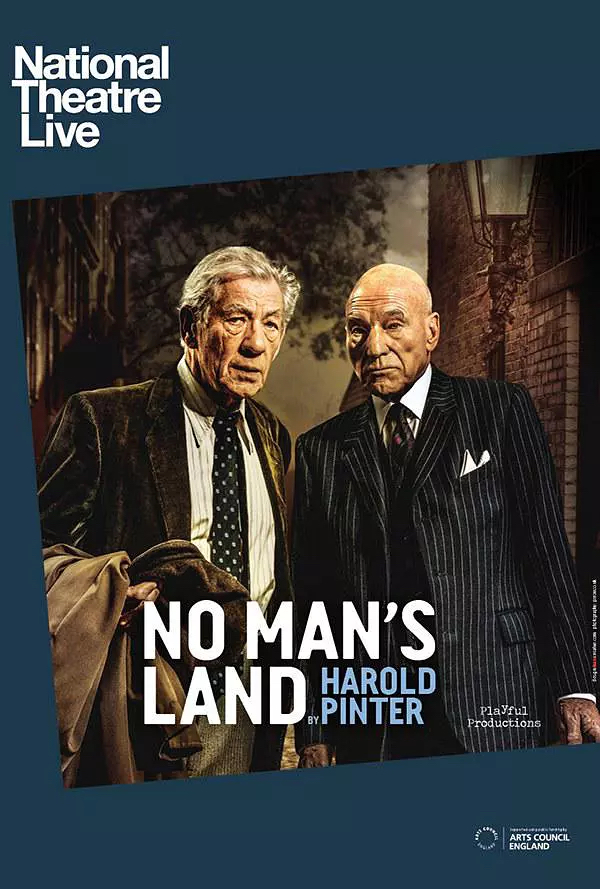
无人之境 [演出] 豆瓣
No Man's Land
其它标题:
No Man's Land
/
无人之地
导演:
Peter Hall
/
David Leveaux
…
演员:
John Gielgud
/
Ralph Richardson
/
Michael Kitchen
/
Terence Rigby
/
Paul Eddington
The first act opens with Hirst's offering a drink to Spooner: "As it is?" – that is, neat (UK) or straight (U.S.) – and Spooner's reply: "As it is, yes please, absolutely as it is" (15). During the first act, Spooner claims to be a fellow poet and to have known his more illustrious literary host and mutual acquaintances and relationships in the past. Toward the end of act one, Hirst's keepers (quasi-body guards) "vagabond cock" Foster and Briggs seek to fend off the self-insinuating Spooner, leading Hirst "out of the room (52) and away from him. The act ends with a "Blackout" – visually demonstrating Foster's taunt: "Listen. You know what it's like when you're in a room with the light on and then suddenly the light goes out? I'll show you. It's like this. ... He turns the light out" (53).
During Act Two, in his increasingly inebriated state, Hirst may mistake or feign recognition of Spooner as an Oxbridge classmate from the 1930s, an apparently false impression which Spooner nevertheless encourages (68–78), leading both of them into a series of increasingly questionable reminiscences, which Hirst finally and abruptly undercuts: "This is outrageous! Who are you? What are you doing in my house?" going on to accuse Spooner of being an impostor: "You are clearly a lout. The Charles Wetherby I knew was a gentleman. I see a figure reduced. I am sorry for you. Where is the moral ardour that sustained you once? Gone down the hatch." – allusively and both wistfully and comically combining the clichés "Gone with the wind" and "Down the hatch," after which, Briggs "enters, pours whisky and soda, gives it to" Hirst, who "looks at it" and then says, "Down the hatch. Right down the hatch. (He drinks.)" (78). Hirst proclaims, "Let us change the subject. Pause. For the last time." (91), but immediately asks, "What have I said?" That leads the characters to debate what Hirst's phrase for the last time precisely "means" (91–94), leaving all of them, according to Spooner, "in no man's land. Which never moves, which never changes, which never grows older, but which remains forever icy and silent." Following the illustrative "Silence", Hirst utters the play's final words and provides its final action: "I'll drink to that" (95): "He drinks," paralleling the opening words of the first act ("As it comes?"), and the play ends, ambiguously, with a "SLOW FADE" of lights (95).
无人之境 1993年伦敦版 [演出] 豆瓣
所属 演出: 无人之境
剧院:
Almeida Theatre
导演:
David Leveaux
The first act opens with Hirst's offering a drink to Spooner: "As it is?" – that is, neat (UK) or straight (U.S.) – and Spooner's reply: "As it is, yes please, absolutely as it is" (15). During the first act, Spooner claims to be a fellow poet and to have known his more illustrious literary host and mutual acquaintances and relationships in the past. Toward the end of act one, Hirst's keepers (quasi-body guards) "vagabond cock" Foster and Briggs seek to fend off the self-insinuating Spooner, leading Hirst "out of the room (52) and away from him. The act ends with a "Blackout" – visually demonstrating Foster's taunt: "Listen. You know what it's like when you're in a room with the light on and then suddenly the light goes out? I'll show you. It's like this. ... He turns the light out" (53).
During Act Two, in his increasingly inebriated state, Hirst may mistake or feign recognition of Spooner as an Oxbridge classmate from the 1930s, an apparently false impression which Spooner nevertheless encourages (68–78), leading both of them into a series of increasingly questionable reminiscences, which Hirst finally and abruptly undercuts: "This is outrageous! Who are you? What are you doing in my house?" going on to accuse Spooner of being an impostor: "You are clearly a lout. The Charles Wetherby I knew was a gentleman. I see a figure reduced. I am sorry for you. Where is the moral ardour that sustained you once? Gone down the hatch." – allusively and both wistfully and comically combining the clichés "Gone with the wind" and "Down the hatch," after which, Briggs "enters, pours whisky and soda, gives it to" Hirst, who "looks at it" and then says, "Down the hatch. Right down the hatch. (He drinks.)" (78). Hirst proclaims, "Let us change the subject. Pause. For the last time." (91), but immediately asks, "What have I said?" That leads the characters to debate what Hirst's phrase for the last time precisely "means" (91–94), leaving all of them, according to Spooner, "in no man's land. Which never moves, which never changes, which never grows older, but which remains forever icy and silent." Following the illustrative "Silence", Hirst utters the play's final words and provides its final action: "I'll drink to that" (95): "He drinks," paralleling the opening words of the first act ("As it comes?"), and the play ends, ambiguously, with a "SLOW FADE" of lights (95).
鲁道夫王子 [演出] 豆瓣
The Mayerling Affair
7.1 (8 个评分)
类型:
Musical
编剧:
Jack Murphy
/
Nan Knighton
其它标题:
The Mayerling Affair
/
Rudolf-The last kiss(匈牙利)
导演:
Miklós Gábor Kerényi
/
David Leveaux
…
演员:
Attila Dolhai
/
Bernardett Vágó
/
Tamás Földes
/
Drew Sarich
/
Lisa Antoni
音乐剧《皇太子鲁道夫》是一部根据书籍改编的音乐剧,由撰写了《基督山伯爵》和《化身博士》的作曲家Frank Wildhorn和奥地利剧场协会(VBW)共同制作而成的作品. 2006年5月26号在匈牙利首演,2009年2月26号在维也纳首演。音乐剧用充满维也纳韵味的音乐、旋转的舞台、华丽的布景、魔幻的灯光描写了奥匈帝国王储鲁道夫王子悲欢离合的短暂一生。
将命运交付给爱情的不幸的皇太子与他的爱人,
他们那凄美的爱情故事即将开始!
继承了父亲弗兰茨·约瑟夫皇帝的英俊和母亲茜茜公主美貌的鲁道夫王子是一个有着黄金色眼瞳的美男子。作为奥地利皇室唯一的直系子嗣,从出生之日起便拥有巨大的财富和崇高的地位。相比通过军队和教会建立强大的奥匈帝国的父皇弗兰茨·约瑟夫,鲁道夫王子有着鲜明的自由主义倾向,同情和维护共和,主张推动帝国向君主立宪制的国家过渡。
然而,塔非首相上台后,鲁道夫王子更加远离皇权的中心。在父皇的旨意下,鲁道夫王子来到布拉格。受画匠卡隆的影响,鲁道夫王子深入民间、倾听民声,为父皇遭受蒙蔽而难过。为了帝国的前途,鲁道夫王子不惜背叛父皇,将改革帝国的唯一希望寄托在说服父皇改变初衷这不切实际的幻想上。
政治上的失意,将鲁道夫王子推向日益被动尴尬的处境。消沉无助中,鲁道夫王子在维也纳、布拉格干脆过着奢华的纵情生活,高贵的巴罗尼斯夫人、美艳的米兹小姐,都曾成为鲁道夫王子的猎物。1881年,二十三岁的鲁道夫王子被强迫和比利时国王的女儿史蒂芬尼公主结婚,从此开启一段地道的政治婚姻。备受感情折磨的鲁道夫王子试图离婚并给罗马教皇写信陈述自己的心情,但一切都无济于事。
弗兰茨·约瑟夫皇帝发动的战争还在继续,塔非首相此时犯了一个致命的错误。由于与德国的结盟,德国皇帝的驾崩直接影响到奥匈帝国在战争中的态势。尽管弗兰茨·约瑟夫皇也曾将鲁道夫王子派上战场,出任步兵团检察长,但向往自由、渴望和平的鲁道夫王子在战场上没有多少建树。
无聊的婚姻和政治上的失意,让鲁道夫王子沉湎于追求真正爱情的幻觉之中。此时,匈牙利贵族巴罗尼斯夫人出落得亭亭玉立的女儿玛丽闯进鲁道夫王子的生活,但他们的相爱遭到了弗兰茨·约瑟夫皇帝的反对和皇家的抵制。1889年1月30日,在离巴登不远的皇家狩猎行宫梅耶林(Mayerling),鲁道夫和玛丽殉情自杀。1914年鲁道夫王子所预言并一直设法避免的第一次世界大战爆发。1918年战争结束时,奥匈帝国已不复存在。
Song
1. Hofburg, Oktober 1888
2. K.K. Hofburgtheater Vorhang auf
3. Wie jeder andre Mann (Prolog)
4. Kabinettsaal
5. Du willst nicht hören
6. Ringstrasse
7. Ein hübscher Krieg
8. Marys Lied
9. Hofburg - Appartment von Rudolf und Stephanie
10. Der Ball
11. Salon Apokalypse
12. Soviel mehr
13. Taaffes Büro
14. Die strahlende Zukunft
15. Redaktion Wiener Tagblatt
16. Zeit zu Handeln
17. Wohin führt mein Weg
18. Eislaufverein / Tralala
19. In dem Moment als ich dich sah
20. Konferenzzimmer
21. Prater / Vertrau in uns
22. Vertrau in uns
Für mehr Informationen besuchen Sie bitte unsere Hilfe-Seiten
Disk 2:
Song
1. Schlafzimmer / Die Fäden in der Hand
2. Du bleibst bei mir!
3. Hofburg
4. Wie jeder andre Mann
5. Salon Apokalypse II
6. Mein süsser Held
7. Mut zur Tat
8. Ausstellung
9. Der Weg in die Zukunft
10. Die Liebe lenkt
11. Augustinerkirche
12. Taaffes Büro II
13. Wenn das Schicksal dich ereilt
14. Larischs Appartement
15. Soviel mehr Reprise
16. Zeit zu handeln reprise
17. Du bist meine Welt
18. Mayerling / Nur Liebe zählt Reprise
将命运交付给爱情的不幸的皇太子与他的爱人,
他们那凄美的爱情故事即将开始!
继承了父亲弗兰茨·约瑟夫皇帝的英俊和母亲茜茜公主美貌的鲁道夫王子是一个有着黄金色眼瞳的美男子。作为奥地利皇室唯一的直系子嗣,从出生之日起便拥有巨大的财富和崇高的地位。相比通过军队和教会建立强大的奥匈帝国的父皇弗兰茨·约瑟夫,鲁道夫王子有着鲜明的自由主义倾向,同情和维护共和,主张推动帝国向君主立宪制的国家过渡。
然而,塔非首相上台后,鲁道夫王子更加远离皇权的中心。在父皇的旨意下,鲁道夫王子来到布拉格。受画匠卡隆的影响,鲁道夫王子深入民间、倾听民声,为父皇遭受蒙蔽而难过。为了帝国的前途,鲁道夫王子不惜背叛父皇,将改革帝国的唯一希望寄托在说服父皇改变初衷这不切实际的幻想上。
政治上的失意,将鲁道夫王子推向日益被动尴尬的处境。消沉无助中,鲁道夫王子在维也纳、布拉格干脆过着奢华的纵情生活,高贵的巴罗尼斯夫人、美艳的米兹小姐,都曾成为鲁道夫王子的猎物。1881年,二十三岁的鲁道夫王子被强迫和比利时国王的女儿史蒂芬尼公主结婚,从此开启一段地道的政治婚姻。备受感情折磨的鲁道夫王子试图离婚并给罗马教皇写信陈述自己的心情,但一切都无济于事。
弗兰茨·约瑟夫皇帝发动的战争还在继续,塔非首相此时犯了一个致命的错误。由于与德国的结盟,德国皇帝的驾崩直接影响到奥匈帝国在战争中的态势。尽管弗兰茨·约瑟夫皇也曾将鲁道夫王子派上战场,出任步兵团检察长,但向往自由、渴望和平的鲁道夫王子在战场上没有多少建树。
无聊的婚姻和政治上的失意,让鲁道夫王子沉湎于追求真正爱情的幻觉之中。此时,匈牙利贵族巴罗尼斯夫人出落得亭亭玉立的女儿玛丽闯进鲁道夫王子的生活,但他们的相爱遭到了弗兰茨·约瑟夫皇帝的反对和皇家的抵制。1889年1月30日,在离巴登不远的皇家狩猎行宫梅耶林(Mayerling),鲁道夫和玛丽殉情自杀。1914年鲁道夫王子所预言并一直设法避免的第一次世界大战爆发。1918年战争结束时,奥匈帝国已不复存在。
Song
1. Hofburg, Oktober 1888
2. K.K. Hofburgtheater Vorhang auf
3. Wie jeder andre Mann (Prolog)
4. Kabinettsaal
5. Du willst nicht hören
6. Ringstrasse
7. Ein hübscher Krieg
8. Marys Lied
9. Hofburg - Appartment von Rudolf und Stephanie
10. Der Ball
11. Salon Apokalypse
12. Soviel mehr
13. Taaffes Büro
14. Die strahlende Zukunft
15. Redaktion Wiener Tagblatt
16. Zeit zu Handeln
17. Wohin führt mein Weg
18. Eislaufverein / Tralala
19. In dem Moment als ich dich sah
20. Konferenzzimmer
21. Prater / Vertrau in uns
22. Vertrau in uns
Für mehr Informationen besuchen Sie bitte unsere Hilfe-Seiten
Disk 2:
Song
1. Schlafzimmer / Die Fäden in der Hand
2. Du bleibst bei mir!
3. Hofburg
4. Wie jeder andre Mann
5. Salon Apokalypse II
6. Mein süsser Held
7. Mut zur Tat
8. Ausstellung
9. Der Weg in die Zukunft
10. Die Liebe lenkt
11. Augustinerkirche
12. Taaffes Büro II
13. Wenn das Schicksal dich ereilt
14. Larischs Appartement
15. Soviel mehr Reprise
16. Zeit zu handeln reprise
17. Du bist meine Welt
18. Mayerling / Nur Liebe zählt Reprise
鲁道夫王子 2009维也纳版 [演出] 豆瓣
所属 演出: 鲁道夫王子
其它标题:
2009维也纳版
编剧:
Jack Murphy
/
Nan Knighton
作曲:
Frank Wildhorn
演员:
Drew Sarich
/
Lisa Antoni
…
音乐剧《皇太子鲁道夫》是一部根据书籍改编的音乐剧,由撰写了《基督山伯爵》和《化身博士》的作曲家Frank Wildhorn和奥地利剧场协会(VBW)共同制作而成的作品. 2006年5月26号在匈牙利首演,2009年2月26号在维也纳首演。音乐剧用充满维也纳韵味的音乐、旋转的舞台、华丽的布景、魔幻的灯光描写了奥匈帝国王储鲁道夫王子悲欢离合的短暂一生。
将命运交付给爱情的不幸的皇太子与他的爱人,
他们那凄美的爱情故事即将开始!
继承了父亲弗兰茨·约瑟夫皇帝的英俊和母亲茜茜公主美貌的鲁道夫王子是一个有着黄金色眼瞳的美男子。作为奥地利皇室唯一的直系子嗣,从出生之日起便拥有巨大的财富和崇高的地位。相比通过军队和教会建立强大的奥匈帝国的父皇弗兰茨·约瑟夫,鲁道夫王子有着鲜明的自由主义倾向,同情和维护共和,主张推动帝国向君主立宪制的国家过渡。
然而,塔非首相上台后,鲁道夫王子更加远离皇权的中心。在父皇的旨意下,鲁道夫王子来到布拉格。受画匠卡隆的影响,鲁道夫王子深入民间、倾听民声,为父皇遭受蒙蔽而难过。为了帝国的前途,鲁道夫王子不惜背叛父皇,将改革帝国的唯一希望寄托在说服父皇改变初衷这不切实际的幻想上。
政治上的失意,将鲁道夫王子推向日益被动尴尬的处境。消沉无助中,鲁道夫王子在维也纳、布拉格干脆过着奢华的纵情生活,高贵的巴罗尼斯夫人、美艳的米兹小姐,都曾成为鲁道夫王子的猎物。1881年,二十三岁的鲁道夫王子被强迫和比利时国王的女儿史蒂芬尼公主结婚,从此开启一段地道的政治婚姻。备受感情折磨的鲁道夫王子试图离婚并给罗马教皇写信陈述自己的心情,但一切都无济于事。
弗兰茨·约瑟夫皇帝发动的战争还在继续,塔非首相此时犯了一个致命的错误。由于与德国的结盟,德国皇帝的驾崩直接影响到奥匈帝国在战争中的态势。尽管弗兰茨·约瑟夫皇也曾将鲁道夫王子派上战场,出任步兵团检察长,但向往自由、渴望和平的鲁道夫王子在战场上没有多少建树。
无聊的婚姻和政治上的失意,让鲁道夫王子沉湎于追求真正爱情的幻觉之中。此时,匈牙利贵族巴罗尼斯夫人出落得亭亭玉立的女儿玛丽闯进鲁道夫王子的生活,但他们的相爱遭到了弗兰茨·约瑟夫皇帝的反对和皇家的抵制。1889年1月30日,在离巴登不远的皇家狩猎行宫梅耶林(Mayerling),鲁道夫和玛丽殉情自杀。1914年鲁道夫王子所预言并一直设法避免的第一次世界大战爆发。1918年战争结束时,奥匈帝国已不复存在。
Song
1. Hofburg, Oktober 1888
2. K.K. Hofburgtheater Vorhang auf
3. Wie jeder andre Mann (Prolog)
4. Kabinettsaal
5. Du willst nicht hören
6. Ringstrasse
7. Ein hübscher Krieg
8. Marys Lied
9. Hofburg - Appartment von Rudolf und Stephanie
10. Der Ball
11. Salon Apokalypse
12. Soviel mehr
13. Taaffes Büro
14. Die strahlende Zukunft
15. Redaktion Wiener Tagblatt
16. Zeit zu Handeln
17. Wohin führt mein Weg
18. Eislaufverein / Tralala
19. In dem Moment als ich dich sah
20. Konferenzzimmer
21. Prater / Vertrau in uns
22. Vertrau in uns
Für mehr Informationen besuchen Sie bitte unsere Hilfe-Seiten
Disk 2:
Song
1. Schlafzimmer / Die Fäden in der Hand
2. Du bleibst bei mir!
3. Hofburg
4. Wie jeder andre Mann
5. Salon Apokalypse II
6. Mein süsser Held
7. Mut zur Tat
8. Ausstellung
9. Der Weg in die Zukunft
10. Die Liebe lenkt
11. Augustinerkirche
12. Taaffes Büro II
13. Wenn das Schicksal dich ereilt
14. Larischs Appartement
15. Soviel mehr Reprise
16. Zeit zu handeln reprise
17. Du bist meine Welt
18. Mayerling / Nur Liebe zählt Reprise
将命运交付给爱情的不幸的皇太子与他的爱人,
他们那凄美的爱情故事即将开始!
继承了父亲弗兰茨·约瑟夫皇帝的英俊和母亲茜茜公主美貌的鲁道夫王子是一个有着黄金色眼瞳的美男子。作为奥地利皇室唯一的直系子嗣,从出生之日起便拥有巨大的财富和崇高的地位。相比通过军队和教会建立强大的奥匈帝国的父皇弗兰茨·约瑟夫,鲁道夫王子有着鲜明的自由主义倾向,同情和维护共和,主张推动帝国向君主立宪制的国家过渡。
然而,塔非首相上台后,鲁道夫王子更加远离皇权的中心。在父皇的旨意下,鲁道夫王子来到布拉格。受画匠卡隆的影响,鲁道夫王子深入民间、倾听民声,为父皇遭受蒙蔽而难过。为了帝国的前途,鲁道夫王子不惜背叛父皇,将改革帝国的唯一希望寄托在说服父皇改变初衷这不切实际的幻想上。
政治上的失意,将鲁道夫王子推向日益被动尴尬的处境。消沉无助中,鲁道夫王子在维也纳、布拉格干脆过着奢华的纵情生活,高贵的巴罗尼斯夫人、美艳的米兹小姐,都曾成为鲁道夫王子的猎物。1881年,二十三岁的鲁道夫王子被强迫和比利时国王的女儿史蒂芬尼公主结婚,从此开启一段地道的政治婚姻。备受感情折磨的鲁道夫王子试图离婚并给罗马教皇写信陈述自己的心情,但一切都无济于事。
弗兰茨·约瑟夫皇帝发动的战争还在继续,塔非首相此时犯了一个致命的错误。由于与德国的结盟,德国皇帝的驾崩直接影响到奥匈帝国在战争中的态势。尽管弗兰茨·约瑟夫皇也曾将鲁道夫王子派上战场,出任步兵团检察长,但向往自由、渴望和平的鲁道夫王子在战场上没有多少建树。
无聊的婚姻和政治上的失意,让鲁道夫王子沉湎于追求真正爱情的幻觉之中。此时,匈牙利贵族巴罗尼斯夫人出落得亭亭玉立的女儿玛丽闯进鲁道夫王子的生活,但他们的相爱遭到了弗兰茨·约瑟夫皇帝的反对和皇家的抵制。1889年1月30日,在离巴登不远的皇家狩猎行宫梅耶林(Mayerling),鲁道夫和玛丽殉情自杀。1914年鲁道夫王子所预言并一直设法避免的第一次世界大战爆发。1918年战争结束时,奥匈帝国已不复存在。
Song
1. Hofburg, Oktober 1888
2. K.K. Hofburgtheater Vorhang auf
3. Wie jeder andre Mann (Prolog)
4. Kabinettsaal
5. Du willst nicht hören
6. Ringstrasse
7. Ein hübscher Krieg
8. Marys Lied
9. Hofburg - Appartment von Rudolf und Stephanie
10. Der Ball
11. Salon Apokalypse
12. Soviel mehr
13. Taaffes Büro
14. Die strahlende Zukunft
15. Redaktion Wiener Tagblatt
16. Zeit zu Handeln
17. Wohin führt mein Weg
18. Eislaufverein / Tralala
19. In dem Moment als ich dich sah
20. Konferenzzimmer
21. Prater / Vertrau in uns
22. Vertrau in uns
Für mehr Informationen besuchen Sie bitte unsere Hilfe-Seiten
Disk 2:
Song
1. Schlafzimmer / Die Fäden in der Hand
2. Du bleibst bei mir!
3. Hofburg
4. Wie jeder andre Mann
5. Salon Apokalypse II
6. Mein süsser Held
7. Mut zur Tat
8. Ausstellung
9. Der Weg in die Zukunft
10. Die Liebe lenkt
11. Augustinerkirche
12. Taaffes Büro II
13. Wenn das Schicksal dich ereilt
14. Larischs Appartement
15. Soviel mehr Reprise
16. Zeit zu handeln reprise
17. Du bist meine Welt
18. Mayerling / Nur Liebe zählt Reprise
鲁道夫王子 2012日本东京东宝版 [演出] 豆瓣
所属 演出: 鲁道夫王子
剧院:
帝国剧院
导演:
David Leveaux
音乐剧《皇太子鲁道夫》是一部根据书籍改编的音乐剧,由撰写了《基督山伯爵》和《化身博士》的作曲家Frank Wildhorn和奥地利剧场协会(VBW)共同制作而成的作品. 2006年5月26号在匈牙利首演,2009年2月26号在维也纳首演。音乐剧用充满维也纳韵味的音乐、旋转的舞台、华丽的布景、魔幻的灯光描写了奥匈帝国王储鲁道夫王子悲欢离合的短暂一生。
将命运交付给爱情的不幸的皇太子与他的爱人,
他们那凄美的爱情故事即将开始!
继承了父亲弗兰茨·约瑟夫皇帝的英俊和母亲茜茜公主美貌的鲁道夫王子是一个有着黄金色眼瞳的美男子。作为奥地利皇室唯一的直系子嗣,从出生之日起便拥有巨大的财富和崇高的地位。相比通过军队和教会建立强大的奥匈帝国的父皇弗兰茨·约瑟夫,鲁道夫王子有着鲜明的自由主义倾向,同情和维护共和,主张推动帝国向君主立宪制的国家过渡。
然而,塔非首相上台后,鲁道夫王子更加远离皇权的中心。在父皇的旨意下,鲁道夫王子来到布拉格。受画匠卡隆的影响,鲁道夫王子深入民间、倾听民声,为父皇遭受蒙蔽而难过。为了帝国的前途,鲁道夫王子不惜背叛父皇,将改革帝国的唯一希望寄托在说服父皇改变初衷这不切实际的幻想上。
政治上的失意,将鲁道夫王子推向日益被动尴尬的处境。消沉无助中,鲁道夫王子在维也纳、布拉格干脆过着奢华的纵情生活,高贵的巴罗尼斯夫人、美艳的米兹小姐,都曾成为鲁道夫王子的猎物。1881年,二十三岁的鲁道夫王子被强迫和比利时国王的女儿史蒂芬尼公主结婚,从此开启一段地道的政治婚姻。备受感情折磨的鲁道夫王子试图离婚并给罗马教皇写信陈述自己的心情,但一切都无济于事。
弗兰茨·约瑟夫皇帝发动的战争还在继续,塔非首相此时犯了一个致命的错误。由于与德国的结盟,德国皇帝的驾崩直接影响到奥匈帝国在战争中的态势。尽管弗兰茨·约瑟夫皇也曾将鲁道夫王子派上战场,出任步兵团检察长,但向往自由、渴望和平的鲁道夫王子在战场上没有多少建树。
无聊的婚姻和政治上的失意,让鲁道夫王子沉湎于追求真正爱情的幻觉之中。此时,匈牙利贵族巴罗尼斯夫人出落得亭亭玉立的女儿玛丽闯进鲁道夫王子的生活,但他们的相爱遭到了弗兰茨·约瑟夫皇帝的反对和皇家的抵制。1889年1月30日,在离巴登不远的皇家狩猎行宫梅耶林(Mayerling),鲁道夫和玛丽殉情自杀。1914年鲁道夫王子所预言并一直设法避免的第一次世界大战爆发。1918年战争结束时,奥匈帝国已不复存在。
Song
1. Hofburg, Oktober 1888
2. K.K. Hofburgtheater Vorhang auf
3. Wie jeder andre Mann (Prolog)
4. Kabinettsaal
5. Du willst nicht hören
6. Ringstrasse
7. Ein hübscher Krieg
8. Marys Lied
9. Hofburg - Appartment von Rudolf und Stephanie
10. Der Ball
11. Salon Apokalypse
12. Soviel mehr
13. Taaffes Büro
14. Die strahlende Zukunft
15. Redaktion Wiener Tagblatt
16. Zeit zu Handeln
17. Wohin führt mein Weg
18. Eislaufverein / Tralala
19. In dem Moment als ich dich sah
20. Konferenzzimmer
21. Prater / Vertrau in uns
22. Vertrau in uns
Für mehr Informationen besuchen Sie bitte unsere Hilfe-Seiten
Disk 2:
Song
1. Schlafzimmer / Die Fäden in der Hand
2. Du bleibst bei mir!
3. Hofburg
4. Wie jeder andre Mann
5. Salon Apokalypse II
6. Mein süsser Held
7. Mut zur Tat
8. Ausstellung
9. Der Weg in die Zukunft
10. Die Liebe lenkt
11. Augustinerkirche
12. Taaffes Büro II
13. Wenn das Schicksal dich ereilt
14. Larischs Appartement
15. Soviel mehr Reprise
16. Zeit zu handeln reprise
17. Du bist meine Welt
18. Mayerling / Nur Liebe zählt Reprise
将命运交付给爱情的不幸的皇太子与他的爱人,
他们那凄美的爱情故事即将开始!
继承了父亲弗兰茨·约瑟夫皇帝的英俊和母亲茜茜公主美貌的鲁道夫王子是一个有着黄金色眼瞳的美男子。作为奥地利皇室唯一的直系子嗣,从出生之日起便拥有巨大的财富和崇高的地位。相比通过军队和教会建立强大的奥匈帝国的父皇弗兰茨·约瑟夫,鲁道夫王子有着鲜明的自由主义倾向,同情和维护共和,主张推动帝国向君主立宪制的国家过渡。
然而,塔非首相上台后,鲁道夫王子更加远离皇权的中心。在父皇的旨意下,鲁道夫王子来到布拉格。受画匠卡隆的影响,鲁道夫王子深入民间、倾听民声,为父皇遭受蒙蔽而难过。为了帝国的前途,鲁道夫王子不惜背叛父皇,将改革帝国的唯一希望寄托在说服父皇改变初衷这不切实际的幻想上。
政治上的失意,将鲁道夫王子推向日益被动尴尬的处境。消沉无助中,鲁道夫王子在维也纳、布拉格干脆过着奢华的纵情生活,高贵的巴罗尼斯夫人、美艳的米兹小姐,都曾成为鲁道夫王子的猎物。1881年,二十三岁的鲁道夫王子被强迫和比利时国王的女儿史蒂芬尼公主结婚,从此开启一段地道的政治婚姻。备受感情折磨的鲁道夫王子试图离婚并给罗马教皇写信陈述自己的心情,但一切都无济于事。
弗兰茨·约瑟夫皇帝发动的战争还在继续,塔非首相此时犯了一个致命的错误。由于与德国的结盟,德国皇帝的驾崩直接影响到奥匈帝国在战争中的态势。尽管弗兰茨·约瑟夫皇也曾将鲁道夫王子派上战场,出任步兵团检察长,但向往自由、渴望和平的鲁道夫王子在战场上没有多少建树。
无聊的婚姻和政治上的失意,让鲁道夫王子沉湎于追求真正爱情的幻觉之中。此时,匈牙利贵族巴罗尼斯夫人出落得亭亭玉立的女儿玛丽闯进鲁道夫王子的生活,但他们的相爱遭到了弗兰茨·约瑟夫皇帝的反对和皇家的抵制。1889年1月30日,在离巴登不远的皇家狩猎行宫梅耶林(Mayerling),鲁道夫和玛丽殉情自杀。1914年鲁道夫王子所预言并一直设法避免的第一次世界大战爆发。1918年战争结束时,奥匈帝国已不复存在。
Song
1. Hofburg, Oktober 1888
2. K.K. Hofburgtheater Vorhang auf
3. Wie jeder andre Mann (Prolog)
4. Kabinettsaal
5. Du willst nicht hören
6. Ringstrasse
7. Ein hübscher Krieg
8. Marys Lied
9. Hofburg - Appartment von Rudolf und Stephanie
10. Der Ball
11. Salon Apokalypse
12. Soviel mehr
13. Taaffes Büro
14. Die strahlende Zukunft
15. Redaktion Wiener Tagblatt
16. Zeit zu Handeln
17. Wohin führt mein Weg
18. Eislaufverein / Tralala
19. In dem Moment als ich dich sah
20. Konferenzzimmer
21. Prater / Vertrau in uns
22. Vertrau in uns
Für mehr Informationen besuchen Sie bitte unsere Hilfe-Seiten
Disk 2:
Song
1. Schlafzimmer / Die Fäden in der Hand
2. Du bleibst bei mir!
3. Hofburg
4. Wie jeder andre Mann
5. Salon Apokalypse II
6. Mein süsser Held
7. Mut zur Tat
8. Ausstellung
9. Der Weg in die Zukunft
10. Die Liebe lenkt
11. Augustinerkirche
12. Taaffes Büro II
13. Wenn das Schicksal dich ereilt
14. Larischs Appartement
15. Soviel mehr Reprise
16. Zeit zu handeln reprise
17. Du bist meine Welt
18. Mayerling / Nur Liebe zählt Reprise
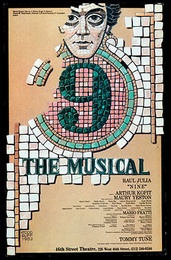
九 [演出] 豆瓣
Nine
类型:
Musical
编剧:
Arthur Kopit
其它标题:
Nine
导演:
汤米·图恩 Tommy Tune
/
Andrew MacBean
…
演员:
Raul Julia
/
Kathi Moss
/
Karen Akers
/
Anita Morris
/
Shelley Burch
故事取材于意大利电影大师费里尼发表于1962年备受瞩目的电影《八部半8 1/2》。费德里科·费里尼1920年1月20日出生于意大利北方里米尼海港的一个中产阶级家庭。费里尼于1939年成了一名广播剧和电影编剧。1945年费里尼辅助罗西里尼导演了《罗马,不设防的城市》,它一面世就成了新现实主义的扛鼎之作,被罗西里尼信任和器重的费里尼被理所当然地认为是新现实主义的得力干将。在1950年之前,费里尼基本上是以编剧和副导的身份出现。这段生涯为费里尼涉足导演提供了充分的练手机会,同时他独有的创作理念也正在逐渐形成。1950年费里尼与别人合作导演了《卖艺春秋》,他的妻子玛茜娜主演。这部处女作奠定了费里尼电影的几个基本特征,一是马戏团情结,本片讲的就是在意大利城乡流浪的命运凄惨的杂耍艺人,二是片场的马戏团化。小时候的费里尼就对马戏团及小丑情有独衷,还因为此在7岁到12岁之间偷偷溜出去流浪了几天。这个小时候的向往最终贯穿了费里尼一生的电影,无论是他早期的扬名立万之作《大路》,还是他大众普及率最高的《八部半》,马戏团那盯盯当当的音乐总是或强或弱。1953年的《浪荡儿》是费里尼第一部引起国际瞩目的电影,它最终获得了威尼斯电影节银狮奖。