佐近圭太郎 — 编剧 (3)

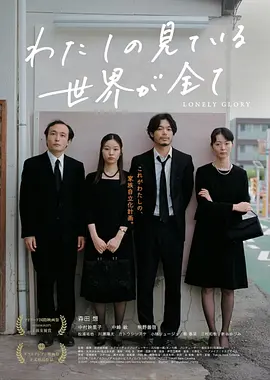
我所看到的世界就是一切 (2022) [电影] 豆瓣 IMDb TMDB
わたしの見ている世界が全て
其它标题:
わたしの見ている世界が全て
/
Lonely Glory
A human drama that provokes contemplation on the essence of "family" and local "shops".
Upon entering university, Haruka leaves her hometown and goes on to excel at a venture company. However, her willingness to use any means necessary to achieve her goals becomes her downfall as she is forced to resign due to accusations of harassment. Struggling with funding after attempting to start her own business, Haruko returns home following her mother's passing and proposes selling the family's shop. Her sister shows little interest, while her brothers vehemently oppose the idea. Haruka leans forward a plan to make her family members self-sufficient. Praised for its comedic touch and non-intrusive script, the film shines with the actors' remarkable performances. Their collaborative efforts with the local community align well with Cinekoya's mission. Besides the entertainment value of a family drama, the film also presents an intriguing aspect of indirectly criticizing the Japanese economy through the lens of local "shops". It prompts us to contemplate the significance of local "shops" in our towns.
源自:
Upon entering university, Haruka leaves her hometown and goes on to excel at a venture company. However, her willingness to use any means necessary to achieve her goals becomes her downfall as she is forced to resign due to accusations of harassment. Struggling with funding after attempting to start her own business, Haruko returns home following her mother's passing and proposes selling the family's shop. Her sister shows little interest, while her brothers vehemently oppose the idea. Haruka leans forward a plan to make her family members self-sufficient. Praised for its comedic touch and non-intrusive script, the film shines with the actors' remarkable performances. Their collaborative efforts with the local community align well with Cinekoya's mission. Besides the entertainment value of a family drama, the film also presents an intriguing aspect of indirectly criticizing the Japanese economy through the lens of local "shops". It prompts us to contemplate the significance of local "shops" in our towns.
源自: