保罗·施拉德 — 作者 (4)
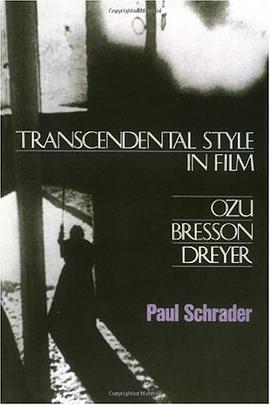
Transcendental Style in Film [图书] 豆瓣 Goodreads
作者: Paul Schrader 出版社: Da Capo Press 1988 - 8 其它标题: Transcendental Style in Film: Ozu, Bresson, Dreyer
The acclaimed director of Mishima, American Gigolo, Hard Core, Blue Collar, Cat People also the screenwriter for Taxi Driver , Paul Schrader here analyzes the film style of three great directors—Yasajiro Ozu, Robert Bresson, Carl Dreyer—and posits a common dramatic language by these artists from divergent cultures. Unlike the style of psychological realism, which dominates film, the transcendental style expresses a spiritual state with austere camerawork, acting devoid of self-consciousness, and editing that avoids editorial comment. This important book is an original contribution to film analysis and a key work by one of our most searching directors and writers.
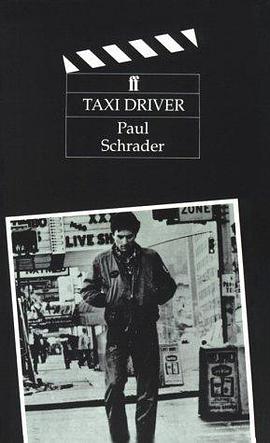
Taxi Driver (Faber Film) [图书] 豆瓣
作者: Paul Schrader 出版社: Faber & Faber 1990 - 10
A loner, Travis Bickle takes up driving a taxi in search of an escape from his sleeplessness and his disgust with the corruption he finds around him. His pent-up rage, fuelled by his doomed relationship with the political campaign worker Betsy, leads to an inevitable descent into psychosis and violence.
This volume also contains an extended interview between Schrader and Martin Scorsese in which they discuss their unique relationship-one which stretches from Taxi Driver through Raging Bull to The Last Temptation of Christ.
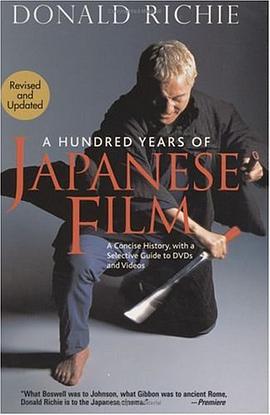
A Hundred Years of Japanese Films [图书] 豆瓣
作者: Donald Richie / Paul Schrader 出版社: 講談社インターナショナル 2005 - 6
Donald Richie is one of the foremost authorities on Japanese cinema, and has produced several classic works, including books on the world-renowned directors Kurosawa and Ozu. Richie here offers a highly readable insider's look at the achievements of Japanese filmmakers. He begins in the late 1800s, when the incipient industry took its inspiration from the traditional stories of Kabuki and Noh theatre, and finishes with the latest award-winning dramas showcased at Cannes. In between, Richie explores the roots and uniqueness of Japan's contribution to world cinema, illuminates the careers of Japan's rising stars and celebrated directors, and offers a fascinating view of the strategies and politics of the movie studios themselves.