Nick Holdstock — 作者 (4)
躁動的新疆, 不安的維吾爾 [图书] Goodreads 谷歌图书
作者: Nick Holdstock / 尼克·霍史達克 译者: 許庫爾 publishing house: 光現出版 2018 - 6
「他們」,
被迫成為「中國人」。
◎「新疆」,如何「被」成為「中國」的一部分?
地圖上的「新疆」,意思其實是「新的疆域」。是什麼時候新增的疆域?又是怎麼來的?她的另一個名字:「東突厥斯坦」,為什麼在中國是個禁忌?
事實上,要談新疆問題──不管是發生在新疆的各種暴力事件,或是疆獨問題、甚至是新疆的認同問題,都應該從「新疆」這個名字開始。這個宗教、文字與信仰都與普遍認定的「中國」大不相同的地方,從什麼時候、以什麼樣的方式開始,「被」成為「中國」的一部分?而又是什麼樣的契機,讓這個「新的疆域」走向分歧與動亂之路?
本書作者尼克・霍史達克(Nick Holdstock)在新疆遊歷十五年之久,可說親自見證在既存的文化差異下,中國政府如何親手製造出極端主義者,以及造成如今新疆本地的動盪,以及與內地漢人的衝突與歧見。
◎中國如何親手製造出極端主義份子?
居住在新疆的維吾爾人,其實不管是在文化、宗教與語言上都與中國內地的漢人有不容忽視的差異。在這樣的差異下,不論是在交流或溝通上都難免會產生齟齬。然而,面對這樣的差異,中國政府卻是以「同化」為前提,企圖達到「維穩」的效果。
因此,即使中國政府一再強調對維吾爾人的照顧,但霍史達克仍觀察到中國政府抹去維吾爾民族色彩的軌跡。文化大革命時,紅衛兵強迫穆斯林羞辱自己的宗教──包括把豬養在聖陵內。他們破壞清真寺,燒毀古蘭經。改革開放後,中國表面上大力保護穆斯林的文化,但在「去維吾爾」化的腳步卻越來越快;包括大量移入漢人、透過義務教育漸次以漢語取代維吾爾語。後者被看做是從根本抹去維族文化的手段之一;而在結合前者,讓漢人勢力在新疆逐漸站到經濟上的優勢後,許多的維吾爾年輕人因為無法在家鄉享受到經濟成長的果實,只好離開故鄉到中國內地謀生。而在投入一個陌生環境後必須面對的劣勢,則讓一部分人淪為中國內地人民口中的「維族小偷」、「新疆團夥」,甚至成為一個族群印記。
霍史達克在書中詳細描述:中國為了統治與維持局勢穩定而採行的多項政策如何造成衝突,這些衝突又如何演化為民怨;中國政府因此加強對新疆的諸多管制,這些管制則同步激化民怨。而在連番衝突下,漢人與維吾爾人如何走向彼此分岐與仇視之路;這些衝突、憤怒與仇視在日後成為極端主義者的溫床,也可說是一部分維吾爾人從被壓迫的少數民族,轉變為極端主義者的起點。
◎中國的新疆政策,該是台灣的借鏡嗎?
早在胡耀邦時期,中國便因為土耳其的插手而恐懼「將新疆拱手讓給土耳其」;而維吾爾的極端主義者多次引發的動亂,不但讓中國政府派重兵進駐新疆,更讓中國政府與美國站在同一陣線,將東突厥斯坦伊斯蘭運動視作恐怖組織。在這樣的前提下,針對維吾爾人對政治上的不公所採取的反擊──即使是社會案件──中國政府的因應之道是:更加強對新疆的管制。
中國從來沒有緩解像這樣衝突、民怨與分歧的機會嗎?胡耀邦曾經想為此努力過,卻被指稱為賣國。對「新疆可能獨立」與「外國勢力可能進入新疆」的恐懼,讓中國採取最激烈的統治手段。未來會有好轉的機會嗎?對此,在新疆遊歷了十五年的霍史達克並沒有抱太大的希望。他對此抱持悲觀的理由,或許也該是台灣的借鏡。
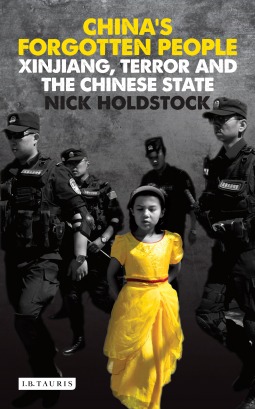
China's Forgotten People: Xinjiang, Terror and the Chinese State [图书] Goodreads
作者: Nick Holdstock
Journalist Nick Holdstock provides an on-the-ground account of the recent rise of terrorism in Xinjiang and the government’s response to the attacks which could have global repercussions
On 28 October 2013 a jeep ploughed through a busy crowd before exploding in Tiananmen Square, Bejing. The Chinese authorities identified the driver as a Uyghur - one of an Islamic ethnic monority, 10 million strong, who live in China’s north-west province of Xinjiang. Six months later, eight knife-wielding Uyghurs went on a rampage at a train station in Kunming, killing 29 people and wounding more than 140 others. These attacks , described as “China’s 9/11”, are on the rise and have shaken the Chinese leadership, which has cracked down hard on Xinjiang and its Uyghurs.
One of the few Western commentators to have lived in the region, Nick Holdstock examines the reasons for these attacks in his new book, China’s Forgotten People, and reveals the Uyghur story as one of repression, hardship and helplessness in the face of a powerful and intolerant one party Chinese state. Decades of economic hardship and religious discrimination underlie the recent violence, only set to grow in the wake of the government crack-down and demonisation of dissent. As the issue increasingly hits our news headlines, Holdstock reflects on what this means for the future of China.
The Tree That Bleeds [图书] 谷歌图书
作者: Nick Holdstock publishing house: Luath Press Ltd 2013 - 7
In 1997 a small town in a remote part of China was shaken by violent protests that led to the imposition of martial law. Some said it was a peaceful demonstration that was brutally suppressed by the government; others that it was an act of terrorism. When Nick Holdstock arrived in 2001, the town was still bitterly divided. BACK COVER: 'There is still much that is unclear about what actually happened during that violent week in July 2009. But however terrible its cost - whether it was a massacre of peaceful protestors, an orchestrated episode of violence, or something in between - it was not without precedent.' NICK HOLDSTOCK In 1997 a small town in a remote part of China was shaken by violent protests that led to the imposition of martial law. Some said it was a peaceful demonstration that was brutally suppressed by the government; others that it was an act of terrorism. When Nick Holdstock arrived in 2001, the town was still bitterly divided. The main resentment was between the Uighurs (an ethnic minority in the region) and the Han (the ethnic majority in China). While living in Xinjiang, Holdstock was confronted with the political, economic and religious sources of conflict between these different communities, which would later result in the terrible violence of July 2009, when hundreds died in further riots in the region. The Tree that Bleeds is a book about what happens when people stop believing their government will listen.