大川平八郎 — 演员 (6)
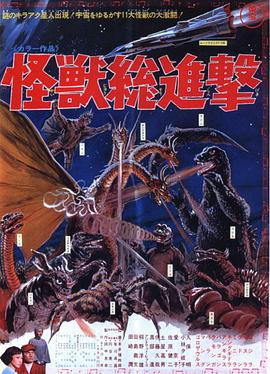
战龙哥斯拉之怪兽总进击 (1968) [电影] 豆瓣 Eggplant.place TMDB IMDb 维基数据
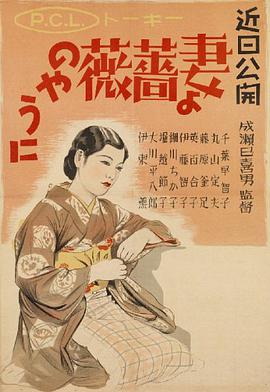
怪獣総進撃女人的哀愁 (1937) [电影] 豆瓣
女人哀愁
其它标题:
女人哀愁
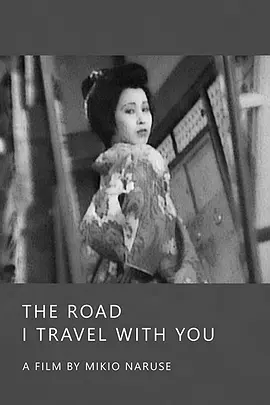
In his review of Feminine Melancholy in Kinema Junpo, critic Mizumachi Seiji praises Irie's performance as the best of her talkie career. However, he is very critical of the film itself, which he sees as a typical story of a woman in an unhappy marriage. He is not sympathetic toward the heroine's patient suffering and describes the nagging mother-in-law as a "hackneyed theme." Naruse's detailed "documentation" of Hiroko's role in the household is dismissed as a "manneristic obsession," and Mizumachi suggests that the director is hiding behind "the shadow of the materials." Most severely, he criticizes Naruse for "abandoning his authority as an auteur" by resorting to "shinpa-tragedy," which is seen as a capitulation to a form that has "wielded a powerful hold over the imagination of the masses." Although Mizumachi notes that Naruse has probed into "the deepest recess of the female psyche," he doesn't recognize this as the film's achievement, perhaps because he is looking for something else from the director. His review reveals the difficulties Naruse faced in maintaining his "auteur status" while moving with the tides of popular culture. For Mizumachi, the character of Yoko is the most typical Naruse heroine, perhaps because she is dragged down by her delinquent lover; however, in retrospect, it is evident that Hiroko's tenacious survival of adverse circumstances looks forward to Naruse's postwar heroines.
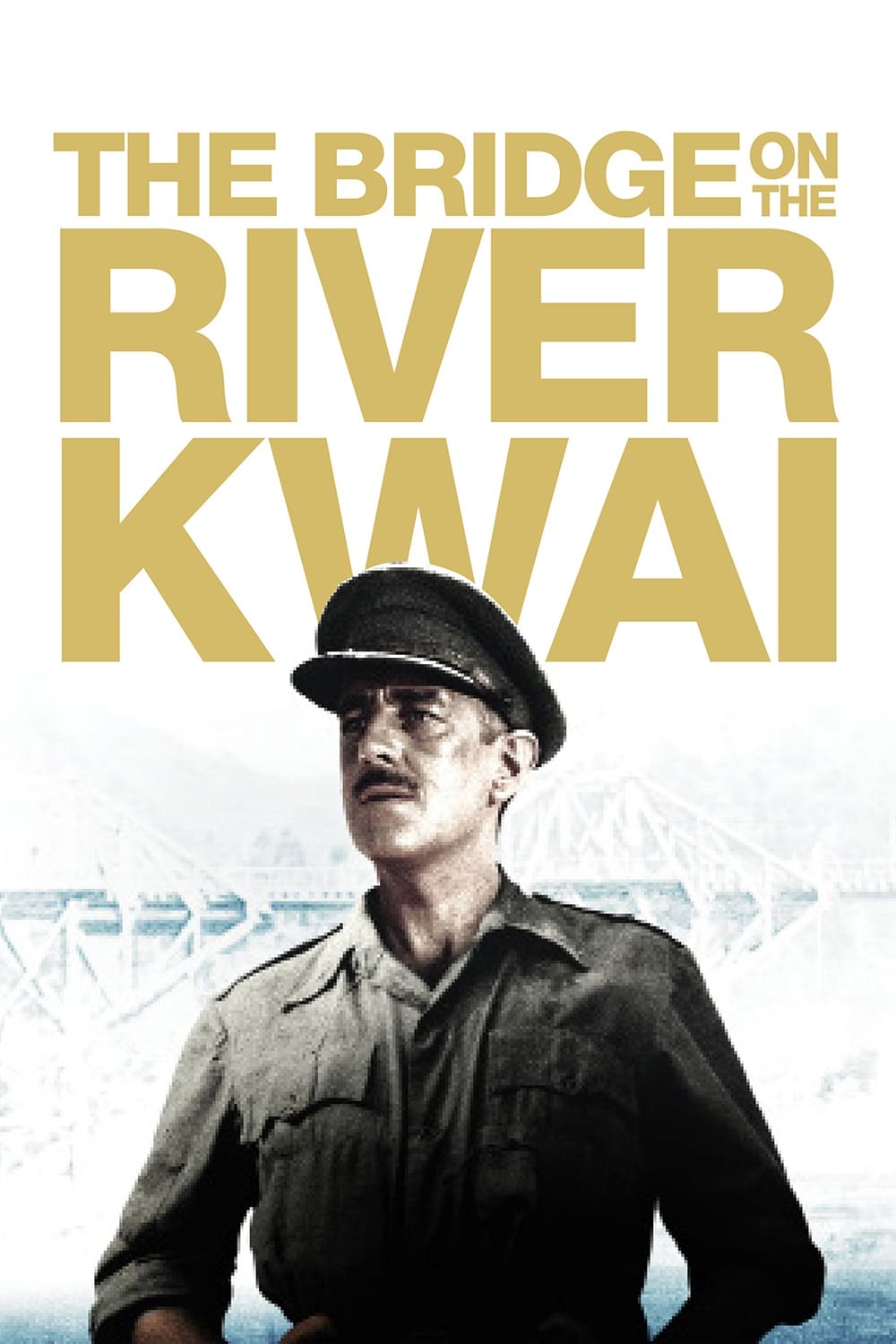
桂河大桥 (1957) [电影] 豆瓣 TMDB 维基数据 IMDb
The Bridge on the River Kwai
其它标题:
콰이강의 다리
/
戦場にかける橋
…
二战期间,日军占领了缅甸边境的一个战俘营。出于战略需要,日军将在缅甸与泰国交界修建一条大桥,同时希望战俘营里战俘出力,但英军战俘代表尼科森上校认为这违反日内瓦公约拒不执行。于是尼科森等人被关了禁闭,但是没了尼科森的带领,战俘们表现消极,而且因日本设计方面的不足,建桥工作陷入了停滞。日军无奈只好放出了尼科森等人,获释后尼科森感到在破坏一切都战争里何不做点建设,于是开始投入到建桥的工作。与此同时,逃出去的美军俘虏希尔兹接受盟军一个特别任务,就是大桥建成之日将它炸毁。