David Benatar — 作者 (7)
Better Never to Have Been [图书] 豆瓣
作者: David Benatar 出版社: Oxford University Press 2008 - 9
Most people believe that they were either benefited or at least not harmed by being brought into existence. Thus, if they ever do reflect on whether they should bring others into existence---rather than having children without even thinking about whether they should---they presume that they do them no harm. Better Never to Have Been challenges these assumptions. David Benatar argues that coming into existence is always a serious harm. Although the good things in one's life make one's life go better than it otherwise would have gone, one could not have been deprived by their absence if one had not existed. Those who never exist cannot be deprived. However, by coming into existence one does suffer quite serious harms that could not have befallen one had one not come into existence. Drawing on the relevant psychological literature, the author shows that there are a number of well-documented features of human psychology that explain why people systematically overestimate the quality of their lives and why they are thus resistant to the suggestion that they were seriously harmed by being brought into existence. The author then argues for the 'anti-natal' view---that it is always wrong to have children---and he shows that combining the anti-natal view with common pro-choice views about foetal moral status yield a 'pro-death' view about abortion (at the earlier stages of gestation). Anti-natalism also implies that it would be better if humanity became extinct. Although counter-intuitive for many, that implication is defended, not least by showing that it solves many conundrums of moral theory about population.
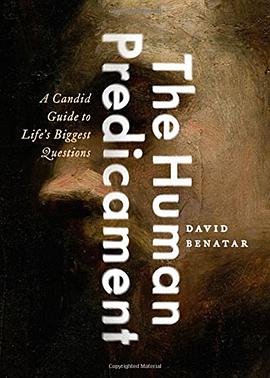
The Human Predicament [图书] 豆瓣
作者: David Benatar 出版社: OUP USA 2017 - 7
Are our lives meaningful, or meaningless? Is our inevitable death a bad thing? Would immortality be an improvement? Would it be better, all things considered, to hasten our deaths by suicide? Many people ask these big questions -- and some people are plagued by them. Surprisingly, analytic philosophers have said relatively little about these important questions about the meaning of life. When they have tackled the big questions, they have tended, like popular writers, to offer comforting, optimistic answers. The Human Predicament invites readers to take a clear-eyed and unfettered view of the human condition.
David Benatar here offers a substantial, but not unmitigated, pessimism about the central questions of human existence. He argues that while our lives can have some meaning, we are ultimately the insignificant beings that we fear we might be. He maintains that the quality of life, although less bad for some than for others, leaves much to be desired in even the best cases. Worse, death is generally not a solution; in fact, it exacerbates rather than mitigates our cosmic meaninglessness. While it can release us from suffering, it imposes another cost - annihilation. This state of affairs has nuanced implications for how we should think about many things, including immortality and suicide, and how we should think about the possibility of deeper meaning in our lives. Ultimately, this thoughtful, provocative, and deeply candid treatment of life's big questions will interest anyone who has contemplated why we are here, and what the answer means for how we should live.
Better Never to Have Been: The Harm of Coming into Existence [图书] 豆瓣 Goodreads
Better Never to Have Been: The Harm of Coming into Existence
作者: David Benatar 出版社: Oxford University Press, USA 2006 - 10
argues for a number of related, highly provocative, views: (1) Coming into existence is always a serious harm. (2) It is always wrong to have children. (3) It is wrong not to abort fetuses at the earlier stages of gestation. (4) It would be better if, as a result of there being no new people, humanity became extinct. These views may sound unbelievable--but anyone who reads Benatar will be obliged to take them seriously.
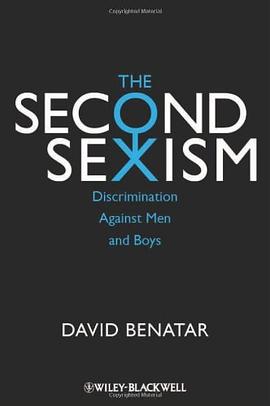
The Second Sexism [图书] 豆瓣
作者: David Benatar / 大卫·贝纳塔 出版社: Wiley-Blackwell 2012 - 5
Does sexism against men exist? What it looks like and why we need to take it seriously This book draws attention to the "second sexism," where it exists, how it works and what it looks like, and responds to those who would deny that it exists. Challenging conventional ways of thinking, it examines controversial issues such as sex-based affirmative action, gender roles, and charges of anti-feminism. The book offers an academically rigorous argument in an accessible style, including the careful use of empirical data, and includes examples and engages in a discussion of how sex discrimination against men and boys also undermines the cause for female equality.