三岛由纪夫 — 演员 (10)
忧国 (1966) [电影] 豆瓣 维基数据 IMDb TMDB
憂國
其它标题:
憂國
/
Patriotism
…
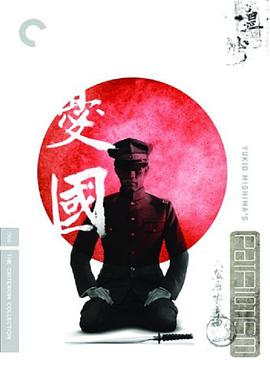
1936年“二·二六政变”失败后,新婚不久的陆军中尉武山(三岛由纪夫 饰)决意剖腹自杀,以效皇国。新娘丽子(鶴岡淑子 饰)不愿偷生,亦同赴黄泉……
根据三岛由纪夫同名短篇小说改编,并由其自编自导自演。该片被认为是三岛由纪夫的自杀预告。1970年11月25日,三岛率领私人部队“盾会”进入日本陆上自卫队东部总监部,将师团长绑为人质,并在总监部阳台发表演说,鼓动自卫队员重拾日本武士道,发扬忠君爱国的精神,为皇国崛起发动兵变。他的演说未得到响应,三岛旋即返回屋中,按照日本传统仪式切腹自杀,并由其随从担任介错(断头人)砍下头颅。
在此之后,《忧国》的拷贝被尽数销毁,只有其遗孀瑶子小心收藏一套。2007年瑶子去世,尘封已久的《忧国》拷贝重见天日。
根据三岛由纪夫同名短篇小说改编,并由其自编自导自演。该片被认为是三岛由纪夫的自杀预告。1970年11月25日,三岛率领私人部队“盾会”进入日本陆上自卫队东部总监部,将师团长绑为人质,并在总监部阳台发表演说,鼓动自卫队员重拾日本武士道,发扬忠君爱国的精神,为皇国崛起发动兵变。他的演说未得到响应,三岛旋即返回屋中,按照日本传统仪式切腹自杀,并由其随从担任介错(断头人)砍下头颅。
在此之后,《忧国》的拷贝被尽数销毁,只有其遗孀瑶子小心收藏一套。2007年瑶子去世,尘封已久的《忧国》拷贝重见天日。
人斩 (1969) [电影] TMDB 豆瓣 维基数据 IMDb
人斬り
其它标题:
人斬り
/
人斬
…
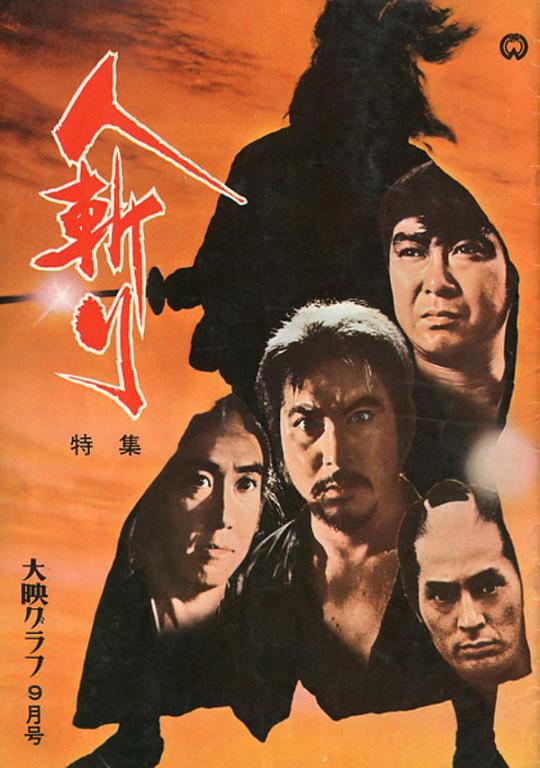
土佐藩乡士武市半平太(仲代达矢 饰)在江户建立了土佐勤王党。同为土佐藩出身的乡士冈田以藏(胜新太郎 饰)为了出人头地,也加入了勤王党。次年以藏结识了萨摩藩的田中新兵卫(三岛由纪夫 饰),两人作为勤王党的两大“杀手”,活跃于维新幕后。以藏教育程度不高,言谈粗鄙,粗野莽撞且好酒色,但武艺高强,又对武市半平太言听计从。唯一的例外是在自小一起长大的好友坂本龙马(石原裕次郎 饰)介绍下担任了胜海舟的护卫。在一次京都见回组的行动中,以藏因大醉闹事被捕。本来指望勤王党的同志能搭救自己出狱,却被所有人装作不认识,由此以藏对勤王党彻底失望。被关押八个月后,以藏因大赦出狱,此时天下形势大变,土佐藩开始对土佐勤王党进行镇压,党首武市半平太等人亦被捕。以藏听闻后,自首并承认了勤王党的一切行动,同时指认了武市半平太,遂被捕入狱。庆应元年(1865)闰五月十一日,武市半平太被命切腹自尽,而以藏等九人则被处以磔刑。以藏临终对自己不被允许切腹而感到耿耿于怀,感觉哪怕是死都得不到平等对待,留下一首辞世之句:君が為め尽くす心は水の泡,消えにし後は澄みわたる空(为君尽心如泡影,破灭之后映澄空)。
三岛由纪夫奇闻 (1985) [电影] 豆瓣
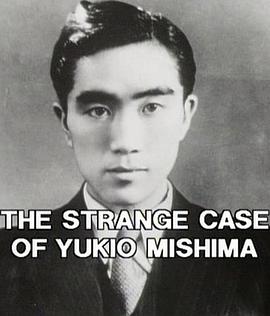
The Strange Case of Yukio Mishima
其它标题:
The Strange Case of Yukio Mishima
This BBC produced documentary about Yukio Mishima highlights the many known major aspects of his life and personality. Mishima was a pen name he adopted en route to his chosen life as a writer. He eventually became recognized as one of Japan's most prolific post-World War II writers, producing stories, plays and novels. He became tortured by his bisexuality/homosexuality and shyness around people as a young man. Both of these played a role in his work as did many other eventful occurrences throughout his life. Mishima had an admirable dedication to the forgotten samurai way of life and ideals, which later turned into an unhealthy obsession, culminating in the storming of a general's garrison on November 25, 1970. It was Mishima's way of combining beauty, art, and action; ultimately the garrison forced to assemble and listen to his speech on that day rejected him. Mishima gave his life for his ideals, however misguided and twisted one might think him to be. His literary output of 40 novels, 18 plays (both for Noh and Kabuki theater), 20 books of short stories, 20 books of essays, and a film remain a testament to his talent despite his simultaneous tendency, at times, to be commercial, controversial, and unconventional.
黑蜥蜴 (1968) [电影] 维基数据 IMDb 豆瓣 TMDB
黒蜥蜴
其它标题:
黒蜥蜴
/
艳盗黑罗刹
…
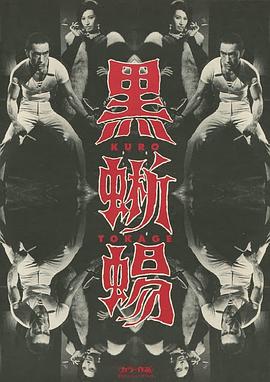
著名的珠宝商人岩濑庄兵卫(宇佐美淳也 饰)拥有一枚极其罕见、珍贵的钻石——“埃及之星”,在受到世人称羡的同时,他也因此惹火上身。传奇大盗黑蜥蜴(丸山明宏 饰)发出公告,要绑架岩濑的女儿早苗(松岡きっこ 饰)作人质,要求对方用埃及之星交换。岩濑无奈之下,只得高薪聘请名侦探明智小五郎(木村功 饰)保护女儿。然而到了预定时间黑蜥蜴却未现身,原来他早已化名绿川夫人接近早苗并将其绑架。小五郎继续追踪,与黑蜥蜴展开连番智斗。传奇大盗遇上名侦探,最终鹿死谁手……
本片根据江户川乱步的原作改编,三岛由纪夫担任剧曲一职,并在片中出演角色。
风野郎 (1960) [电影] 豆瓣
からっ風野郎
其它标题:
からっ風野郎
/
Afraid to Die
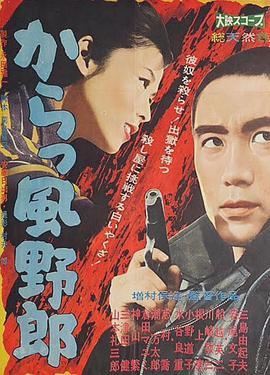
黑道人物朝比奈武夫(三島由紀夫 饰)是家族的二代头目,当年其父被对手相良组杀害,武夫为复仇而刺杀相良组组长雄作(根上淳 饰)。然刺杀失败,他也锒铛入狱。三年左右时间转眼即逝,武夫出狱在即。相良对当年之事怀恨在心,接连派出杀手袭击武夫。凭借运气和警觉,武夫一一化险为夷,却只能窝在自己的根据地——某电影院中暂避风头。
在此期间,他结识了影院新来的检票员,美丽的少女小泉芳江(若尾文子 饰)。虽然兄长(川崎敬三 饰)极力阻挠,芳江还是义无反顾爱上了这个刀口舔血的黑道男子。两人去游乐园游玩之时,偶然遇见了相良的幼女美雪。武夫将其诱拐作为要挟,经过大头目云取大三郎的斡旋,朝比奈一家终于和相良组和解。只是黑道世界,怨怨相报,从没有尽头……
1937南京沦陷真相 (2007) [电影] 豆瓣
演员:
曹景行
/
蒋中正 Kai-Shek Chiang
…
其它标题:
凤凰大视野 1937·南京真相
(一)沦陷
(二)屠杀
(三)救援
(四)审判
(五)铭记
(二)屠杀
(三)救援
(四)审判
(五)铭记
三岛由纪夫 第50年的青年论 (2020) [电影] 豆瓣
三島由紀夫 50年目の“青年論”
演员:
三岛由纪夫
其它标题:
三島由紀夫 50年目の“青年論”
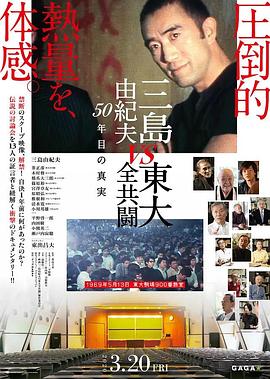
没後50年となる作家・三島由紀夫。『命売ります』のヒットなど、今も世代を超えて注目を集めている。その生きざまからは、「天才作家」という一面に加え、劣等感や嫉妬など「弱い人間」としての一面も。同級生が語る幼い頃の姿、美輪明宏さんが語る素顔、ノーベル賞をめぐる知られざる確執、そして、晩年の東大全共闘との対話で語った一言など…三島を身近に見てきた人たちの証言から知られざる素顔に迫る。
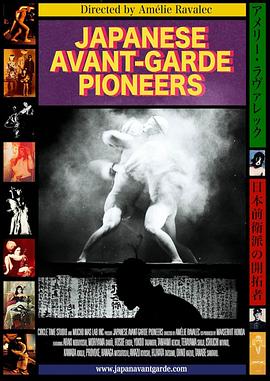
日本先锋派拓荒者 (2025) [电影] 豆瓣 IMDb
Japanese Avant-Garde Pioneers
导演:
Amélie Ravalec
演员:
Yukio Mishima
/
Shûji Terayama
…
其它标题:
Japanese Avant-Garde Pioneers
Amidst the profound social change and political turmoil of post-war Japan, a bold generation of avant-garde artists and photographers emerged in the 1960s, forever transforming the global art landscape.
The 1960s era in Japan was a time of profound social change, political unrest and student protests. The turbulent times of the postwar era inspired an artistic explosion in Japan, with the emergence of a revolutionary scene of avant-garde artists who pioneered many disciplines: experimental and erotic photography, "Angura" theatre and underground street performances, apocalyptic Butoh dance, surreal illustrations and seminal graphic design. A new aesthetic of photography was born: "Are, Bure, Boke" (rough, dark and out of focus), pioneered by Moriyama Daido and the Provoke magazine photographers. Araki beautified bondage and Hosoe Eikoh sublimated the male body. Ishiuchi Miyako captured her experience of American military bases. Kawada Kikuji's era-defining photobook The Map captured the poignancy of Hiroshima's trauma. Master of underground theatre Terayama Shuji produced countless magical, surreal and vividly colourful films, plays and photobooks, Yokoo Tadanori and Awazu Kioshi revolutionised graphic design with their incandescent theatre posters, Tanaami Keiichi, Japan's answer to Andy Warhol, developed his unique kaleidoscopic vision of Pop-Art, and Butoh founders Hijikata Tatsumi and Ohno Kazuo impacted modern dance forever with their dance of darkness and light.