扎克斯·莫凯 — 演员 (4)
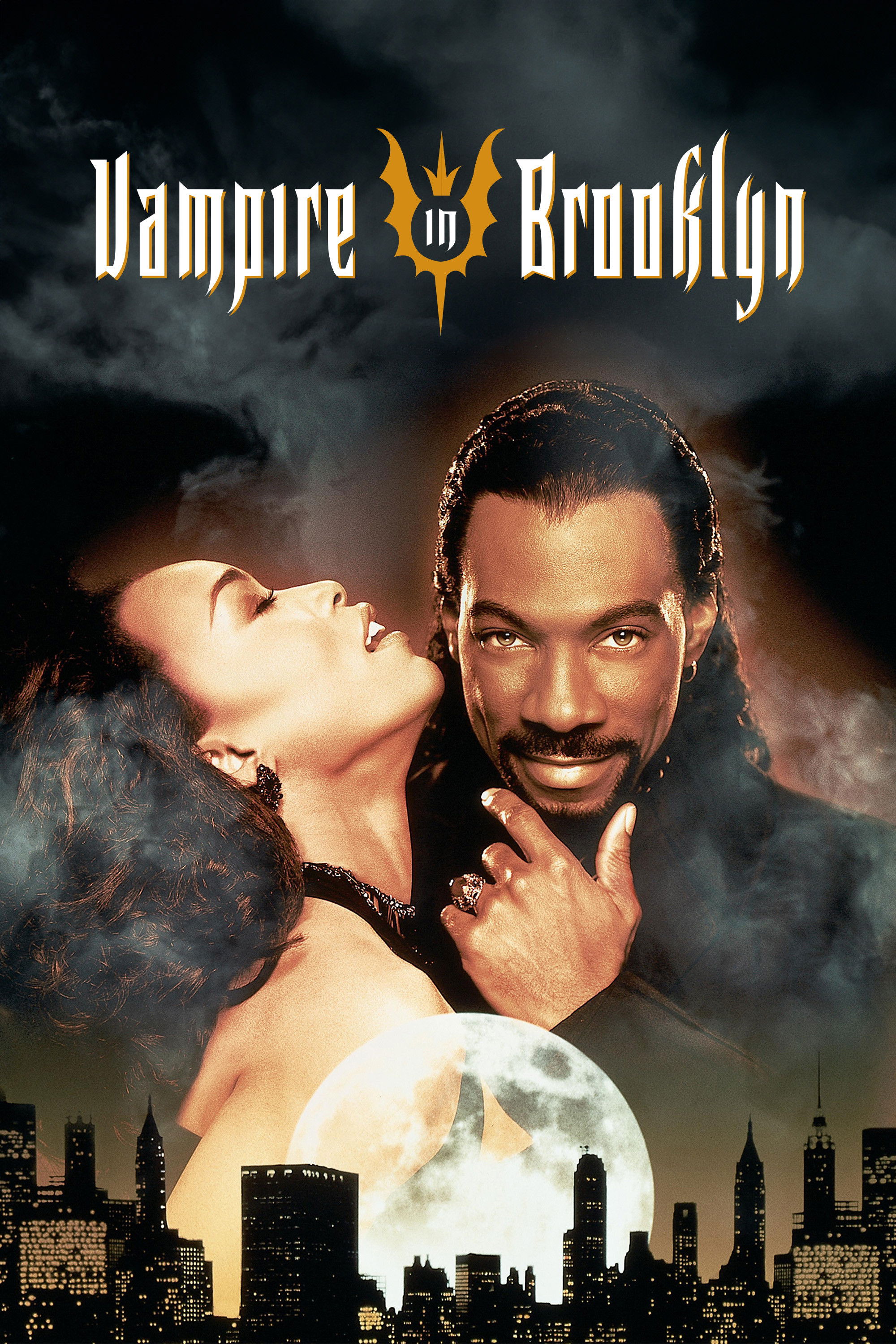
A Rage in Harlem (1991) [电影] IMDb 维基数据 TMDB
A Rage in Harlem
导演:
比尔·杜克
演员:
福里斯特·惠特克
/
Gregory Hines
…
其它标题:
천국으로 가는 장의사
/
レイジ・イン・ハーレム
…
A beautiful black gangster's moll flees to Harlem with a trunkload of gold after a shootout, unaware that the rest of the gang, and a few other unsavoury characters, are on her trail. A pudgy momma's boy becomes the object of her affections and the unlikely hero of the tale.
咆哮 (1981) [电影] Eggplant.place
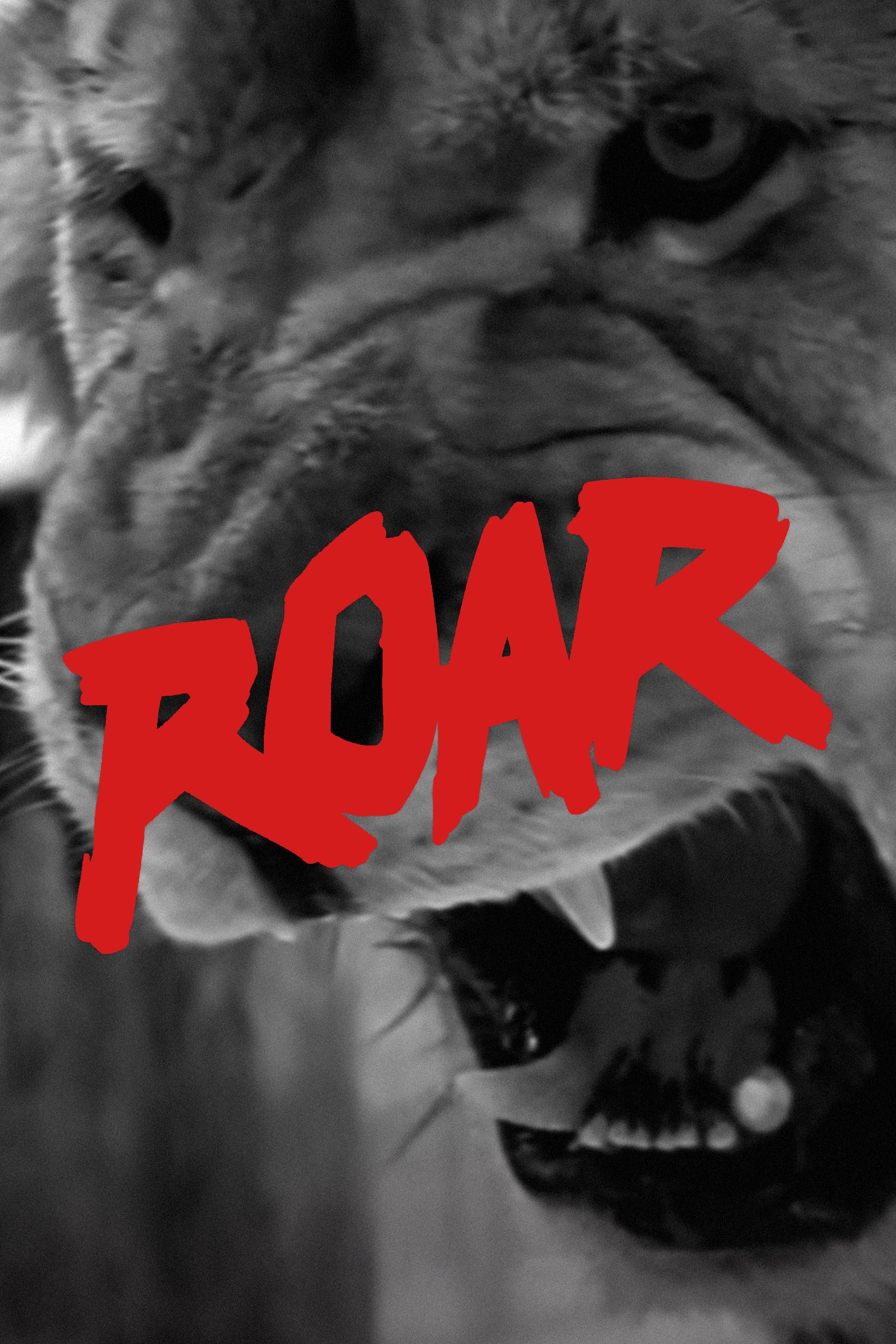
Roar
导演:
Noel Marshall
演员:
Tippi Hedren
/
Melanie Griffith
…
其它标题:
Il grande ruggito
/
Roar
…
制作了超过十年的过程中,咆哮是一个大胆的电影实验:惊悚片展示的威严和非洲狮的凶猛,拍摄地点几十之中使用普通的演员,而不是特技实际未经过培训的大型猫科动物。编剧/导演诺埃尔·马歇尔明星汉克,在非洲的医生,刚直不阿博物谁允许狮子,老虎,猎豹和其他大型猫科动物自由地漫游在他的遥控房地产。虽然离保护动物免受盗猎者,汉克的家庭(包括马歇尔的现实生活中的妻子和女儿,蒂皮赫德伦和梅兰妮·格里菲斯),到达他的家,由具有溢出的房子大量石狮大步。
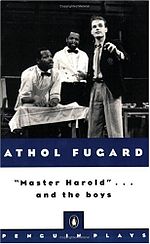
Master Harold...and the Boys [演出] 豆瓣
类型:
theater
编剧:
Athol Fugard
导演:
未知
演员:
Zeljko Ivanek
/
Zakes Mokae
/
Danny Glover
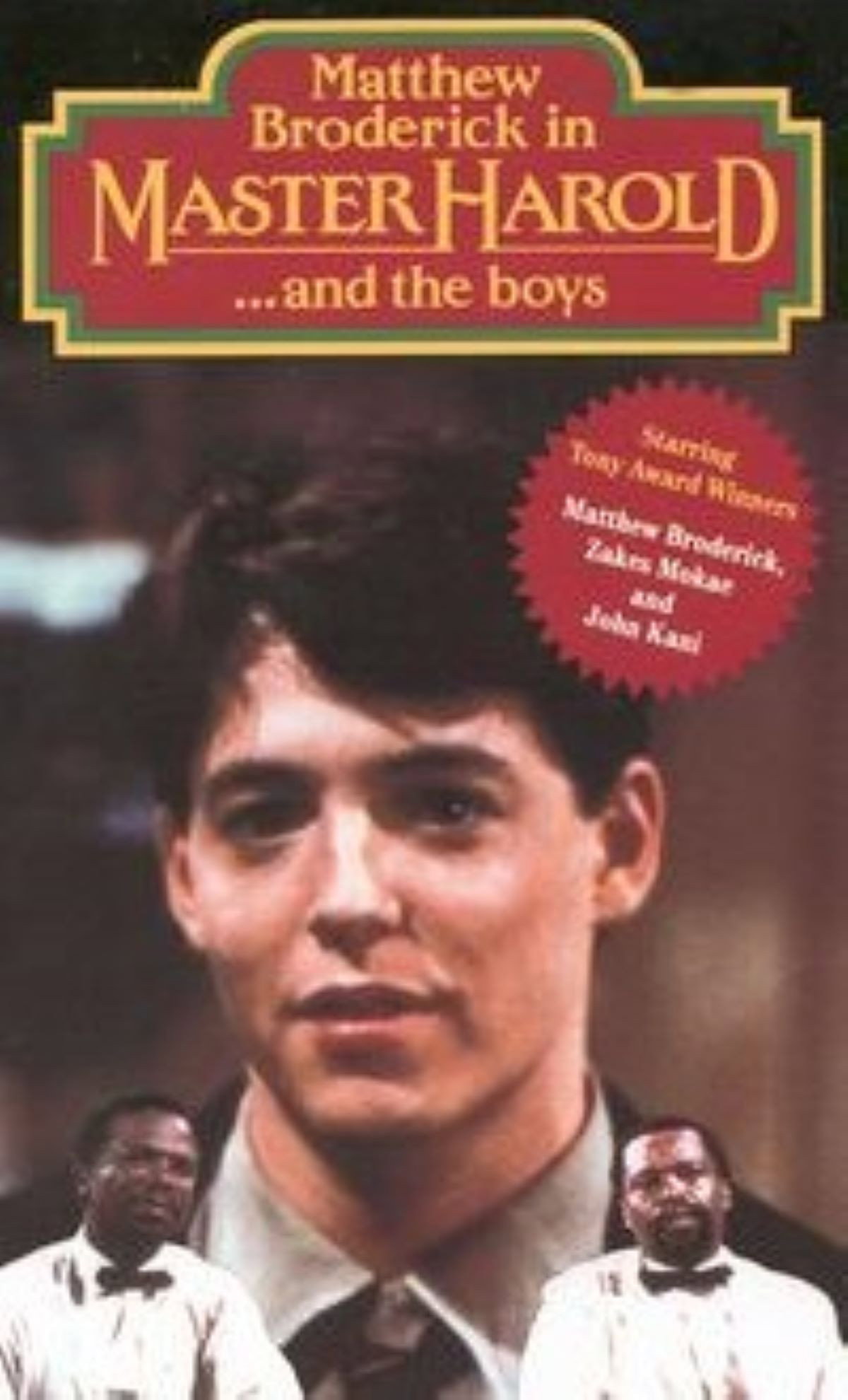
Seventeen year-old Hally spends time with two middle-aged African servants, Sam and Willie, whom he has known all his life. On a rainy afternoon, Sam and Willie are practicing ballroom steps in preparation for a major competition. Sam is quickly characterized as being the more worldly of the two. When Willie, in broken English, describes his ballroom partner (his girlfriend) as lacking enthusiasm, Sam correctly diagnoses the problem: Willie beats her if she doesn't know the steps.
Hally then arrives from school. Sam is on an equal intellectual footing with Hally; Willie, for his part, always calls the white boy "Master Harold." The conversation moves from Hally's school-work, to an intellectual discussion on "A Man of Magnitude", to flashbacks of Hally, Sam and Willie when they lived in a Boarding House. Hally warmly remembers the simple act of flying a kite Sam had made for him out of junk, which we learn later, Sam made to cheer Hally up after Hally was embarrassed greatly by his father's drunkenness. Conversation then turns to Hally's 500-word English composition. The play reaches an emotional apex as the beauty of the ballroom dancing floor ("a world without collisions") is used as a transcendent metaphor for life and a creative paper topic... But almost immediately despair returns: Hally's tyrannical father has been in the hospital recently, undergoing medical complications due to the leg he lost in World War II, but it appears that today he is coming home. Hally, distraught with this news, unleashes on his two black friends years of anger, pain and the vicarious racism from his father, creating possibly permanent rifts in his relationship with them. For the first time, apart from hints throughout the play, Hally begins explicitly to treat Sam and Willie as subservient help rather than as friends or playmates, insisting that Sam call him "Master Harold" and spitting on him, among other things. Sam is hurt and angry but understands that Hally is really causing himself the most pain. There is a glimmer of hope for reconciliation at the end, when Sam addresses Hally by his nickname again and asks to start over the next day, hearkening back to the simple days of the kite. Hally responds "It's still raining, Sam. You can't fly kites on rainy days, remember," then walks out into the rain. Sam and Willie end the play consoling each other by ballroom dancing together.