王莱 — 演员 (51)
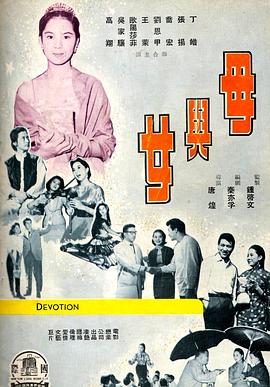
母与女 (1960) [电影] 豆瓣 IMDb
母與女
导演:
唐煌
演员:
丁皓
/
张扬
…
其它标题:
Devotion
/
母與女
…
家和(张扬 饰)从英国回香港渡假,母亲逼迫他娶有钱的表妹为妻。实际上,家和与工人石妈的女儿玲玲早就两情相悦,玲玲腹中还怀着家和的骨肉,家和这一次回来,就是来迎娶玲玲的。当家和的母亲得知了真相后,欺骗玲玲家和已经和其他人结婚了,并且辞掉了石妈,玲玲伤心欲绝,在生下了小女儿小铃之后就撒手人寰了。
石妈一手将小铃拉扯大,她的辛苦小铃全部看在眼里。为了减轻家里的经济负担,小铃休学来到夜总会成为了歌女,之后结识了名叫志棠的男子,两人坠入了情网之中。志棠的家人看不起小铃歌女的身份,而石妈则担心小铃步她母亲的后尘,因此小铃和志棠的这段感情遭到了重重的阻碍。
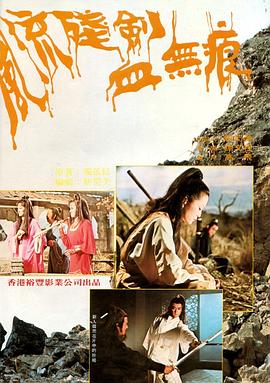
风流残剑血无痕 (1980) [电影] 豆瓣
Feng liu can jian xue wu hen
其它标题:
Feng liu can jian xue wu hen
/
The Great Conspiracy
…
简介:
赛刀大会上,各门各派刀客云集,每人均持不同名刀,准备争夺刀客最高荣誉。但奇怪是主办这次赛刀大会的帮派,由侍从至帮主都是幪面人,究竟幕后又有什么阴谋呢?
片名:风流残剑血无痕 The great conspinacy
年份:1980
地区:香港
类型:动作
片长:100分钟
导演:鲍学礼
编剧:靳蜀美
制片人:高飞
出品:裕丰(香港)影业公司
主演:
苗可秀 施思 谭道良 李修贤 薛汉 蔡弘 王侠 金刚 高强
田鹏 韩雨 王莱 金峰 田青 王青 史仲田 康威
吴家骧 芦苇 李龙吟 张宗贵 李皓 史亭根 朱丽
赛刀大会上,各门各派刀客云集,每人均持不同名刀,准备争夺刀客最高荣誉。但奇怪是主办这次赛刀大会的帮派,由侍从至帮主都是幪面人,究竟幕后又有什么阴谋呢?
片名:风流残剑血无痕 The great conspinacy
年份:1980
地区:香港
类型:动作
片长:100分钟
导演:鲍学礼
编剧:靳蜀美
制片人:高飞
出品:裕丰(香港)影业公司
主演:
苗可秀 施思 谭道良 李修贤 薛汉 蔡弘 王侠 金刚 高强
田鹏 韩雨 王莱 金峰 田青 王青 史仲田 康威
吴家骧 芦苇 李龙吟 张宗贵 李皓 史亭根 朱丽
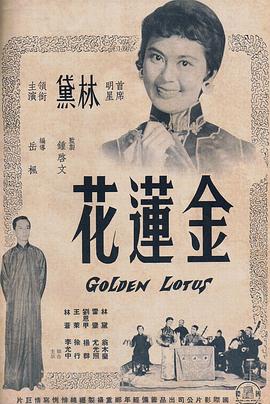
金莲花 (1957) [电影] 豆瓣
金蓮花
其它标题:
金蓮花
/
Golden Lotus
歌女金莲花自幼与养母相依为命,她不但歌声甜美,而且样子娇俏,聪明伶俐,所以茶居经常客似云来。富家子程庆有迷恋花,花被他的真情打动,两人共堕爱河。有遭父反对,无奈迎娶沈淑文,但心仍属花。
有告诉文两人的关系,文深感痛苦,但仍处处维护他。有表哥知道他仍与花来往,偷偷告诉有父。有惨被责骂一顿,以为文将此事告诉父亲,从此不理睬她。文深受委屈,抑郁成病,有对她仍不屑一顾,以致病情日益严重。表哥见状,便亲往找花,劝她离开有,挽救文。花只好含泪答允,决意远走他乡。文饱受丈夫冷落,郁郁而终。有不理家人反对,追随花私奔远去。
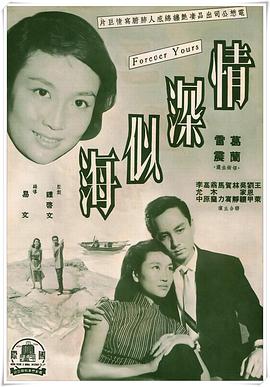
情深似海 (1960) [电影] 豆瓣
其它标题:
Forever Yours
「海儘管深還有底,但是我跟你……兩顆心,一片情,比海更深。」《情深似海》是一部充滿詩情畫意、感人至深的文藝片,不僅故事纏綿悱惻,而且取景優美,製作嚴謹。五十年代中期開始走紅影壇的葛蘭向以載歌載舞來吸引觀眾,無片不唱,也無片不跳。本片卻是她從影以來唯一一部作品不唱也不跳、純仗全情投入的演技來演活一名無怨無悔地為自己所愛付出的妻子和母親,結果成績蜚然。她在片中要表達的感情幅度十分寬闊,但她卻巧妙地揉合了開揚的默片模式表演風格,和自然與生活化的演出方法來演繹角色,效果天衣無縫。編導易文也有特別出色的表現:全片實景拍攝,節奏舒徐有緻,感情的描寫絲絲入扣,既避過了煽情的毛病,但也沒半點削弱故事的感人效果,教人看後低迴不已,堪稱是他創作生涯中的一部傑作。
爱情岛 (1982) [电影] 豆瓣 IMDb 维基数据 TMDB
A Ilha dos Amores
导演:
Paulo Rocha
演员:
Luís Miguel Cintra
/
Clara Joana
…
其它标题:
A Ilha dos Amores
/
The Island of Love
…
Following on from his earlier film A Ilha Dos Amores (1982) on the Portuguese writer Wenceslau Moraes (1855-1929), this documentary uses texts by Moraes, photographs, manuscripts, news film as well as visits to places where people still remember him.
Wenceslau José de Sousa de Moraes was born in Lisbon on the 30th May 1854.
After studying at the Naval College he served aboard several war ships of the Portuguese Navy. In 1885 he traveled for the first time to Macao, where he settled. There he was Deputy to the Captain of the Harbor, and teacher of Macao Secondary School since its creation in 1894. While there he married Vong-Io-Chan (aka Atchan), a Chinese woman of whom he had two sons, and established a friendship with Camilo Pessanha, a celebrated poet.
Meanwhile, in 1889, he traveled for the first time to Japan, a country that charmed him, and where he will return, in official duty, several times in the next few years. In 1897 he visits Japan with the Governor of Macao, and was received by the Emperor Meiji. The following year he deserted Atchan and his two sons, and moved to Japan, as consul in Kobe.
His life there is marked by his literary activity and by the chronicles he sends to several Portuguese newspapers and magazines, by his love affairs with two Japanese women (Ó-Yoné Fukumoto and Ko-Haru), and by his increasing "japonisation".
During the next thirty years Wenceslau de Moraes was to be the great Portuguese source of information about the East, sharing his intimate experiences of day-to-day life in Japan with his readers in Portugal, in a parallel activity to that of Lafcadio Hearn, of whom he was a contemporary.
Saddened by the death, due to illness, of Ó-Yoné, Wenceslau de Moraes renounced his post as consul, and moved to Tokushima, her birth place. There he lived with Ko-Haru, a niece of Ó-Yoné, with whom he shared his life until her death, also due to illness.
There he started to dress, eat and live like the Japanese, against a backdrop of growing hostility from the local inhabitants. Increasingly lonely, and with deteriorating health, Wenceslau de Moraes passed away, in Tokushima, in the 1st July 1929, without having ever returned to Europe.

Wenceslau José de Sousa de Moraes was born in Lisbon on the 30th May 1854.
After studying at the Naval College he served aboard several war ships of the Portuguese Navy. In 1885 he traveled for the first time to Macao, where he settled. There he was Deputy to the Captain of the Harbor, and teacher of Macao Secondary School since its creation in 1894. While there he married Vong-Io-Chan (aka Atchan), a Chinese woman of whom he had two sons, and established a friendship with Camilo Pessanha, a celebrated poet.
Meanwhile, in 1889, he traveled for the first time to Japan, a country that charmed him, and where he will return, in official duty, several times in the next few years. In 1897 he visits Japan with the Governor of Macao, and was received by the Emperor Meiji. The following year he deserted Atchan and his two sons, and moved to Japan, as consul in Kobe.
His life there is marked by his literary activity and by the chronicles he sends to several Portuguese newspapers and magazines, by his love affairs with two Japanese women (Ó-Yoné Fukumoto and Ko-Haru), and by his increasing "japonisation".
During the next thirty years Wenceslau de Moraes was to be the great Portuguese source of information about the East, sharing his intimate experiences of day-to-day life in Japan with his readers in Portugal, in a parallel activity to that of Lafcadio Hearn, of whom he was a contemporary.
Saddened by the death, due to illness, of Ó-Yoné, Wenceslau de Moraes renounced his post as consul, and moved to Tokushima, her birth place. There he lived with Ko-Haru, a niece of Ó-Yoné, with whom he shared his life until her death, also due to illness.
There he started to dress, eat and live like the Japanese, against a backdrop of growing hostility from the local inhabitants. Increasingly lonely, and with deteriorating health, Wenceslau de Moraes passed away, in Tokushima, in the 1st July 1929, without having ever returned to Europe.

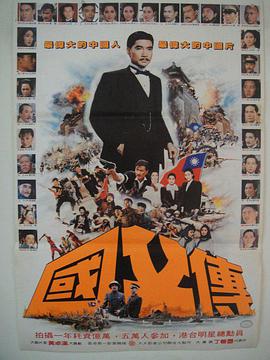
国父孙中山与开国英雄 (1986) [电影] 豆瓣
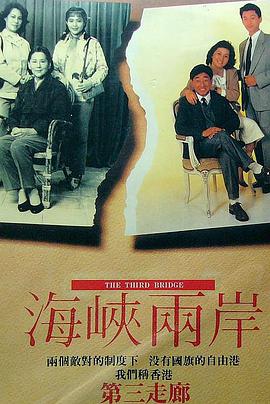
國父孫中山與開國英雄海峡两岸 (1988) [电影] 豆瓣
海峽兩岸
其它标题:
海峽兩岸
/
People Between Two China
…
孙志浩原籍河南开封,被抓壮丁,于 1949年随军到台湾,在家乡留下比他 大六岁的妻子梅姐,以及五岁的女儿 桂花。十余年后志浩娶了台湾籍妻子 淑瑛,生了儿子台生。台湾开放大陆 探亲后,志浩要返故里探望阔别四十 年的梅姐及女儿。志浩的探亲之行, 被淑瑛认为是对他们三十年同甘共苦 的夫妻之情的威胁,她唯恐志浩见到 梅姐、桂花后,抛弃她们母子。经志 浩和台生的劝慰,她才同意全家赴港 ,与自大陆去港的梅姐、桂花及桂花 的女儿晓红见面。会面之际,志浩与 梅姐由于四十年的别离,生活习惯不 同,产生了一种陌生感。淑瑛与桂花 都在观察志浩的言谈与举动,而台生 与晓红这对年轻人沟通最快,虽是舅 舅与外甥女的关系,却像一对兄妹,他们交谈现在,向往未来,亲密无间 。志浩自觉对两边都有亏欠,对桂花 的物质索取尽量满足。梅姐豁达、睿智,抚慰了志浩心中的伤痕。在罗湖 车站,阔别四十年的夫妻又依依惜别 。志浩、梅姐回忆起大媳妇、小丈夫 的亲情,有几多甜蜜,有几多苍凉。 本片于1988年获第二十五届金马奖最 佳女配角奖(王莱)。