Dieter Kirchlechner — Actor (6)
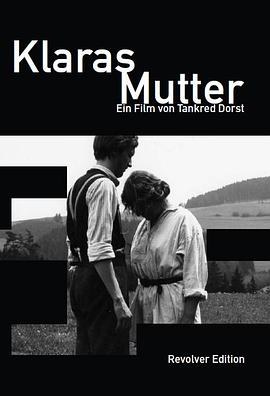
Klara's Mother (1978) [Movie] Douban TMDB IMDb
Klaras Mutter
other title: Klaras Mutter / 克拉拉的母亲
A little village in Franconian Thuringia in the early 1930s. The family Falk belongs to the non-natives: The villagers treat them with suspicion due to their unconventional lifestyle and call them communists. One day, the young Polish man Kupka comes to their house. Film about the coming of nazism.
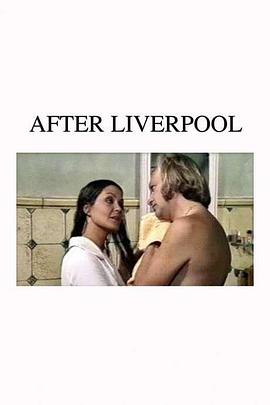
利物浦之后 (1974) [Movie] Douban
After Liverpool
director: Michael Haneke actor: 希尔德加德·施梅尔 / Dieter Kirchlechner
other title: After Liverpool / ..und was kommt danach?
An encounter exploring how people can fail to communicate even when they are talking by either not saying anything, not listening or simply evading.
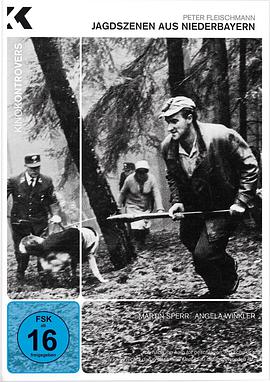
Hunting Scenes from Bavaria (1968) [Movie] Douban
Jagdszenen aus Niederbayern
director: Wolfgang M. Schwiedrzik actor: Olga von Togni / Dieter Kirchlechner
other title: 来自下巴伐利亚的狩猎图 / Jagdszenen aus Niederbayern
亚伯兰是一个年轻的工程师,在外漂泊20年后,回到了家乡,陪伴住在巴伐利亚乡村的母亲一起生活。不久,出现了八卦传言:说亚伯兰曾进过监狱,因为他是同性恋,而且是与一位年轻的弱智儿发生性关系。当这些开始的笑料和奸诈的言论变成一种迫害时,亚伯兰想逃离,但为时已晚...
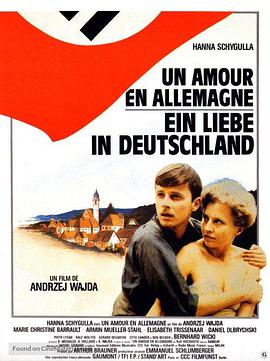
德国之爱 (1983) [Movie] Douban
Eine Liebe in Deutschland
director: 安杰伊·瓦伊达 actor: 汉娜·许古拉 / Piotr Lysak
other title: Eine Liebe in Deutschland / 柏林之爱
Based on a non-fiction bestseller of the same name by Rolf Hochhuth, Eine Liebe In Deutschland is about a tragic and forbidden love affair between Stanislaw, a Polish POW (Piotr Lysak) and Paulina (Hanna Schygulla) a fruit-and-vegetable vendor in a small town in Germany along the border with Switzerland. Their affair would have gone undetected except for the busybody women of the village, and when Stanislaw is picked up by a German stormtrooper (Armin Müller-Stahl) and brought in for a mock trial, he is given a chance to prove his racial purity and so perhaps escape execution. As for Paulina, she is ostracized by the villagers and imprisoned for consorting with someone who was not of the same high Aryan caste as herself. Depressing, yet politically relevant to Poland of the early 1980s, this film by acclaimed director Andrzej Wajda) is an effective and emotional statement on the nature of oppression.