拉斯·冯·提尔 — 演员 (24)
阴阳相成 (2012) [电影] 豆瓣 维基数据 IMDb TMDB
Side by Side
其它标题:
Side by Side
/
基努李维之数位任务(台)
…
经过上百年的发展,胶片技术从蛮荒走到成熟,电影人采用化学摄影法创造了一个又一个经典和视觉奇迹。而当时间逐渐走向21世纪时,化学摄影法趋近临界点,几无上升空间,且越来越无法应对电影工业对新技术和全新拍摄手法、理念的诉求。与此同时,数字摄影方兴未艾,正以前所未有的势头进入传统技术固若金汤的电影领域。从Dogma 95对手提DV的使用,到乔治•卢卡斯大胆的HD摄影之应用,伴随着“顽固派”和“革新派”的政治和讨论,数字摄影蚕食着传统胶片的领土,逐渐成为当今电影工业的主流。在这一过程中,配光、摄影、剪辑等工作也相继受到冲击和影响。
这是一场全新的革命,是对充满各种可能性的未来满怀信心的展望……
每个人都有他自己的电影 (2007) [电影] 豆瓣 TMDB IMDb 维基数据
Chacun son cinéma ou Ce petit coup au cœur quand la lumière s'éteint et que le film commence
其它标题:
Chacun son cinéma ou Ce petit coup au cœur quand la lumière s'éteint et que le film commence
/
给康城的情书(港)
…
给你一个三分钟,你会拍出怎样的电影?
本片由35位知名导演,为庆祝戛纳电影节六十周年而拍摄的三分钟短片组成。细心的你会发现,在此短篇集中不仅有众多知名演员的参演,更有著名导演的客串演出。这短暂的三分钟光影,不仅浓缩了精妙的生活片段,更有每位导演对电影、对人生的深刻体悟。 或温情或冷峻或真实或迷幻,人生何止五味,《每个人都有他自己的电影》如是说,你的呢?
五道障碍 (2003) [电影] 豆瓣 维基数据 IMDb TMDB
De fem benspænd
其它标题:
De fem benspænd
/
五道电影难题
…
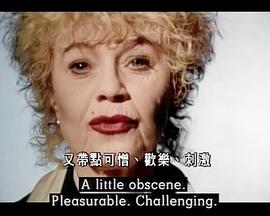
1967年,丹麦电影导演乔根·莱斯(Jørgen Leth)创作出颇具实验色彩的作品《完美的人(Det perfekte menneske)》。也许乔根本人都没料到,四十多年后,他的作品竟会以如此奇特的方式被人记起和关注。始作俑者拉斯·冯·特里尔,Dogma95的发起者,他邀请乔森按照常识(challenge on the technique)、表达手段(absence of figure)、自由发挥(challenge on personal limit)、动画(形式的多样化)、内容(deprivation of contents)等电影创作的五种基本形式重拍《完美的人》,且在重拍基础上还要进行再创造。周旋于孟买、哈瓦那、布鲁塞尔等地,一部奇特的电影人之间的互搏悄悄诞生……
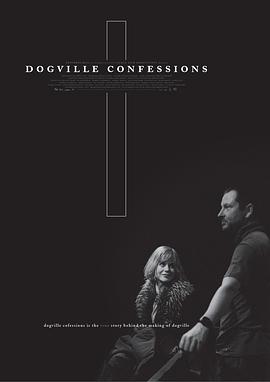
狗镇的告白 (2003) [电影] 豆瓣
Dogville Confessions
其它标题:
Dogville Confessions
/
厄夜的告白
Documentary on the creation of Lars von Trier's Dogville. Combines interviews with footage shot on location in winter-covered Sweden. From 'boxes of truth', like Catholic confessionals, the actors and the director talked, cried, laughed, sung and confessed directly to the camera during shooting. Also contains deleted scenes from the feature film.
我很好奇,电影 (1995) [电影] 豆瓣
I Am Curious, Film
导演:
Stig Björkman
演员:
Lena Nyman
/
Björn Granath
…
其它标题:
I Am Curious, Film
/
The Century of Cinema - Scandinavia
…
兰花园丁:或维克托·马斯的一部分故事 (1977) [电影] 豆瓣
Orchidégartneren – eller en del af historien om Victor Marse
其它标题:
Orchidégartneren – eller en del af historien om Victor Marse
/
The Orchid Gardener
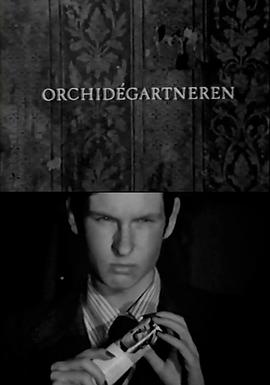
A young, mentally ill man, a visual artist in crisis Victor Marse (Lars von Trier) meets two nurses (Eliza and her girlfriend) during his stay in a sanatorium. These nurses are obvious lesbians. Victor lives with Eliza and her son. He imagines another woman when he is roaming at a coast. He pretends committing a suicide but Eliza does not react to it. Every moment, he stays in front of a blank canvas and thinks. Meanwhile he dresses into Nazi clothes or into women dresses, then he leaves to go to the cinema, and abuses and probably kills a small girl. His masochistic affair with Eliza lasts; he is close to shooting her with a gun but instead she takes out a whip. Victor goes along the streets then he lies naked in front of the canvas on which he has left his bloody fingerprints. After this he drives a funeral car to his work - he is employed in a garden where orchids are grown. Eliza is now the past and in the end, Victor might be dead as someone drives a cross into the ground.
特里尔元素 (1991) [电影] 豆瓣
Trier's element
导演:
Nikolaj Buchardt
演员:
Lars von Trier
其它标题:
Trier's element
Behind-the-scenes documentary about Lars von Trier's latest movie Europa (1991). Also features unique footage of Trier and cast shooting a bit of footage for Trier's 30-year project "Dimension".
电影是我的情妇 (2010) [电影] 豆瓣
...But Film is My Mistress
导演:
斯蒂格·比约克曼
演员:
伍迪·艾伦
/
奥利维耶·阿萨亚斯
…
其它标题:
...But Film is My Mistress
/
Men filmen ar min alskarinna
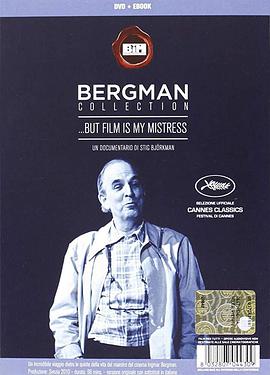
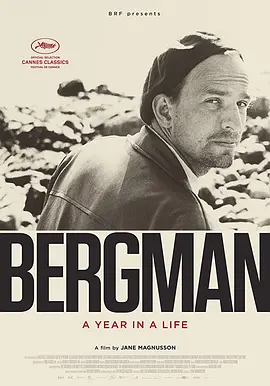
瑞典导演斯蒂格•比约克曼(Stig Björkman)第二部关于伯格曼的纪录片在2010年的戛纳电影节的经典单元中首映,名为《…但是电影是我的情妇》(…but Film is My Mistress)。这部电影由丽芙•乌尔曼引领,串起伍迪•艾伦、奥利维耶•阿萨亚斯、贝纳多•贝托鲁奇、阿诺•德布莱辛、约翰•塞勒斯、马丁•斯科塞斯、拉斯•冯•特里尔等人的评述,包括对伯格曼及其电影的评价以及对自己的影响。
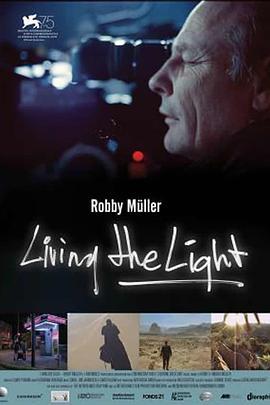
罗比·穆勒:光影人生 (2018) [电影] 豆瓣
Living the Light - Robby Müller
导演:
Claire Pijman
演员:
罗比·穆勒
/
吉姆·贾木许
…
其它标题:
Living the Light - Robby Müller
/
摄影大师私影像(港)
…
DoP Robby Müller has inspired generations with his ground-breaking camerawork. Director Claire Pijman had access to his personal archive to create an extraordinary film essay that intertwines archival material with excerpts of his oeuvre.
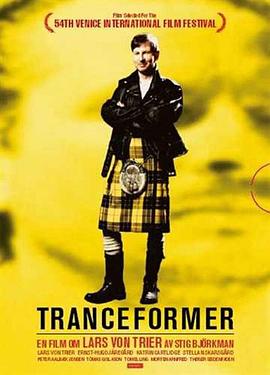
狂迷制造者:拉斯·冯·提尔 (1997) [电影] 豆瓣
Tranceformer - A Portrait of Lars von Trier
导演:
斯蒂格·比约克曼
演员:
拉斯·冯·提尔
其它标题:
Tranceformer - A Portrait of Lars von Trier
/
狂迷制造者
…
A portrait of Denmark's most acclaimed and controversial director, Lars von Trier. A meeting with von Trier on a private level as well as with his film universe. Filmmaker Stig Björkman follow von Trier during a period of more than two years, meet him at work, at home and at leisure.
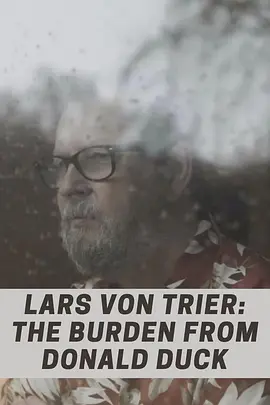
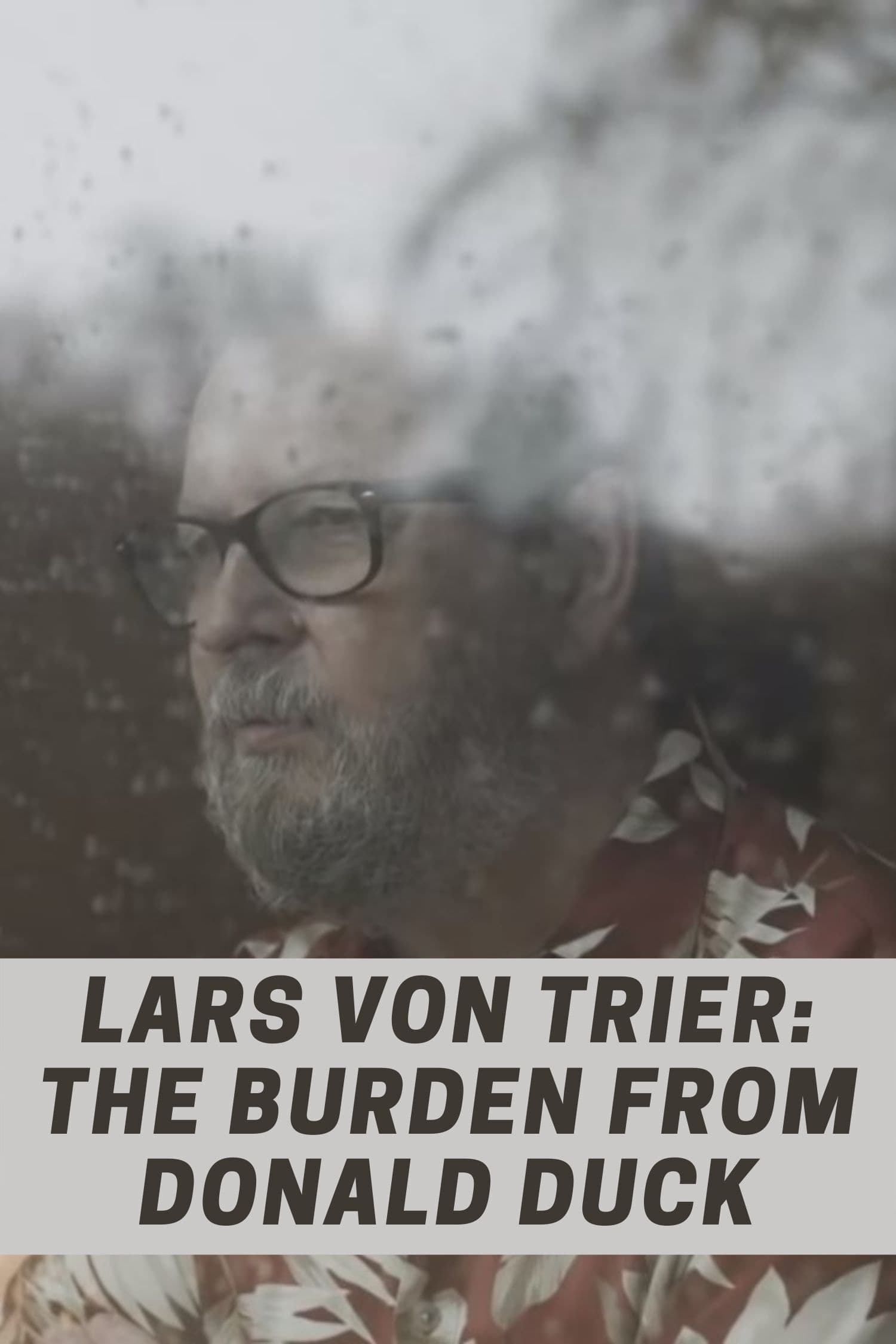
Lars von Trier: The Burden From Donald Duck (2020) [电影] TMDB
Lars von Trier: The Burden From Donald Duck
导演:
Christian Lund
演员:
Lars von Trier
第64届戛纳国际电影节颁奖典礼 (2011) [电影] 豆瓣
The 64th Cannes International Film Festival拉斯·冯·提尔谈欧洲三部曲 (2005) [电影] 豆瓣
A Conversation with Lars von Trier About the Europe Trilogy
演员:
拉斯·冯·提尔
其它标题:
A Conversation with Lars von Trier About the Europe Trilogy
拉斯·冯·提尔:来自唐老鸭的负担 (2020) [电影] 豆瓣
Lars von Trier: The Burden From Donald Duck
演员:
拉斯·冯·提尔
/
Christian Lund
其它标题:
Lars von Trier: The Burden From Donald Duck
Get into the creative mind of film director Lars von Trier and learn how reading in his world is connected with writing. Trier calls literature his “basic medium” and reveals his inspiration from writers as Thomas Mann, Leo Tolstoy, and Marcel Proust. He refers to dramaturgy as his “toothache” connected to his reading of Donald Duck, but writing is “the greatest kick you can get,” he says.
Even though dramaturgy has been difficult for Lars von Trier, he experiences joy when writing the manuscripts for his films: “The greatest thing is when you let it go, like when you levitate in meditation. You do that sometimes when you’re writing. Then you write fabulously and you experience a high,” he says. “I hope I’ll manage to make a movie intuitively. But I’m stuck in the mire. The mire of dramaturgy.”
Lars von Trier is a passionate reader: “What I love about literature is that one man decides. It’s a dictatorship.” When writing ‘Joseph and his Brothers’ Thomas Mann had an obstacle: “It says so in the Bible” and having obstacles when writing and making films are important, Trier feels. “Andrej Tarkovskij made his very best movies in the Soviet Union because he was in this strange oppressed situation”. “Apparently, you need to have a chain around your neck, somehow. It’s like athletes who make things difficult for themselves or circus performers who do something and so becomes a reward for themselves,” Trier says.
“Henrik Ibsen almost reinvented dramaturgy and made it more efficient”, but “the problem is that things become clichés because they then just become part of the development of cultural history,” Lars von Trier says preferring August Strindberg. Strindberg “was wonderfully crazy and so creates things that are completely unforeseen, I’m sure Strindberg will live much longer than Ibsen,” Trier states.
Even though dramaturgy has been difficult for Lars von Trier, he experiences joy when writing the manuscripts for his films: “The greatest thing is when you let it go, like when you levitate in meditation. You do that sometimes when you’re writing. Then you write fabulously and you experience a high,” he says. “I hope I’ll manage to make a movie intuitively. But I’m stuck in the mire. The mire of dramaturgy.”
Lars von Trier is a passionate reader: “What I love about literature is that one man decides. It’s a dictatorship.” When writing ‘Joseph and his Brothers’ Thomas Mann had an obstacle: “It says so in the Bible” and having obstacles when writing and making films are important, Trier feels. “Andrej Tarkovskij made his very best movies in the Soviet Union because he was in this strange oppressed situation”. “Apparently, you need to have a chain around your neck, somehow. It’s like athletes who make things difficult for themselves or circus performers who do something and so becomes a reward for themselves,” Trier says.
“Henrik Ibsen almost reinvented dramaturgy and made it more efficient”, but “the problem is that things become clichés because they then just become part of the development of cultural history,” Lars von Trier says preferring August Strindberg. Strindberg “was wonderfully crazy and so creates things that are completely unforeseen, I’m sure Strindberg will live much longer than Ibsen,” Trier states.