分布式
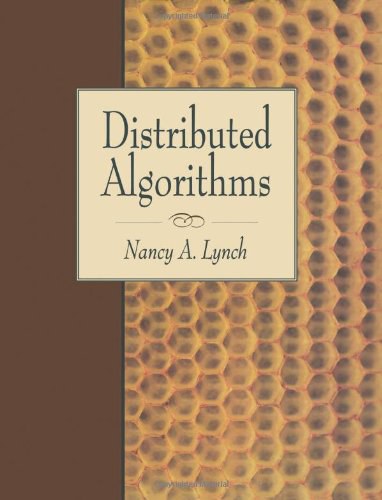
Distributed Algorithms 豆瓣
作者: Nancy A. Lynch 出版社: Morgan Kaufmann 1996 - 3
In "Distributed Algorithms", Nancy Lynch provides a blueprint for designing, implementing, and analyzing distributed algorithms. She directs her book at a wide audience, including students, programmers, system designers, and researchers. "Distributed Algorithms" contains the most significant algorithms and impossibility results in the area, all in a simple automata-theoretic setting. The algorithms are proved correct, and their complexity is analyzed according to precisely defined complexity measures. The problems covered include resource allocation, communication, consensus among distributed processes, data consistency, deadlock detection, leader election, global snapshots, and many others. The material is organized according to the system model-first by the timing model and then by the interprocess communication mechanism. The material on system models is isolated in separate chapters for easy reference. The presentation is completely rigorous, yet is intuitive enough for immediate comprehension. This book familiarizes readers with important problems, algorithms, and impossibility results in the area: readers can then recognize the problems when they arise in practice, apply the algorithms to solve them, and use the impossibility results to determine whether problems are unsolvable. The book also provides readers with the basic mathematical tools for designing new algorithms and proving new impossibility results. In addition, it teaches readers how to reason carefully about distributed algorithms - to model them formally, devise precise specifications for their required behavior, prove their correctness, and evaluate their performance with realistic measures.
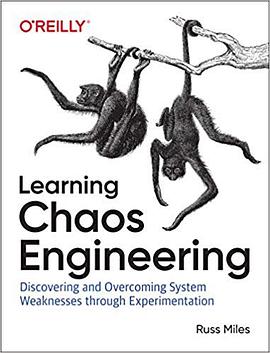
Learning Chaos Engineering 豆瓣
作者: Russ Miles 出版社: O'Reilly Media 2019 - 8
Learn why, when, and how to create real-world, practical chaos engineering experiments through Game Days and automation. With this practical book, software developers and system administrators will learn how to become chaos engineers. You'll learn ways to approach and adopt the discipline, how to prepare for and conduct successful chaos experiments manually, and how to work towards Continuous Chaos through automation.
On the surface, Chaos Engineering can look like a deceptively simple set of practices, but the devil is in the details. This book helps you adopt the mindset of Chaos Engineering, successfully plan and learn from Game Days, and finally learn the tools for automation and collaboration necessary to scale out and mature your own organization’s Chaos Engineering capability.
大数据日知录 豆瓣
作者: 张俊林 出版社: 电子工业出版社 2014 - 9
大数据是当前最为流行的热点概念之一,其已由技术名词衍生到对很多行业产生颠覆性影响的社会现象,作为最明确的技术发展趋势之一,基于大数据的各种新型产品必将会对每个人的日常生活产生日益重要的影响。
《大数据日知录:架构与算法》从架构与算法角度全面梳理了大数据存储与处理的相关技术。大数据技术具有涉及的知识点异常众多且正处于快速演进发展过程中等特点,其技术点包括底层的硬件体系结构、相关的基础理论、大规模数据存储系统、分布式架构设计、各种不同应用场景下的差异化系统设计思路、机器学习与数据挖掘并行算法以及层出不穷的新架构、新系统等。《大数据日知录:架构与算法》对众多纷繁芜杂的相关技术文献和系统进行了择优汰劣并系统性地对相关知识分门别类地进行整理和介绍,将大数据相关技术分为大数据基础理论、大数据系统体系结构、大数据存储,以及包含批处理、流式计算、交互式数据分析、图数据库、并行机器学习的架构与算法以及增量计算等技术分支在内的大数据处理等几个大的方向。通过这种体系化的知识梳理与讲解,相信对于读者整体和系统地了解、吸收和掌握相关的优秀技术有极大的帮助与促进作用。
《大数据日知录:架构与算法》的读者对象包括对NoSQL 系统及大数据处理感兴趣的所有技术人员,以及有志于投身到大数据处理方向从事架构师、算法工程师、数据科学家等相关职业的在校本科生及研究生。
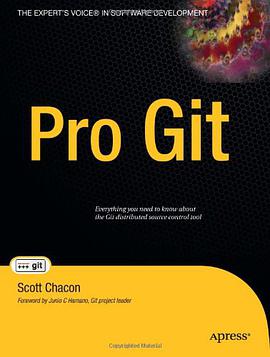
Pro Git 豆瓣 Goodreads
Pro Git
8.9 (26 个评分) 作者: Scott Chacon 出版社: Apress 2009 - 8
Git is the version control system developed by Linus Torvalds for Linux kernel development. It took the open source world by storm since its inception in 2005, and is used by small development shops and giants like Google, Red Hat, and IBM, and of course many open source projects.
* A book by Git experts to turn you into a Git expert
* Introduces the world of distributed version control
* Shows how to build a Git development workflow
What you’ll learn
* Use Git as a programmer or a project leader.
* Become a fluent Git user.
* Use distributed features of Git to the full.
* Acquire the ability to insert Git in the development workflow.
* Migrate programming projects from other SCMs to Git.
* Learn how to extend Git.
This book is for all open source developers: you are bound to encounter it somewhere in the course of your working life. Proprietary software developers will appreciate Git’s enormous scalability, since it is used for the Linux project, which comprises thousands of developers and testers.