古典语言
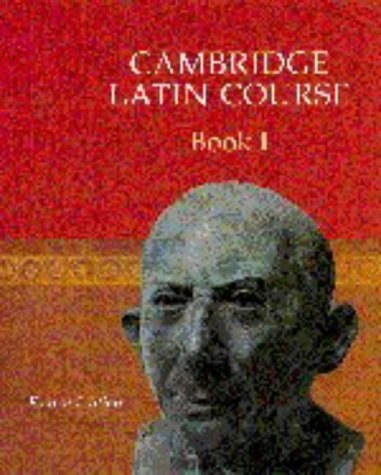
Cambridge Latin Course Book 1 豆瓣
作者: Cambridge School Classics Project 出版社: Cambridge University Press 1998 - 8
The leading Latin course worldwide Book I begins in the city of Pompeii shortly before the eruption of Vesuvius. Book I is full colour throughout, with a clear layout of stories and language notes. Featuring a glossary for quick reference and comprehension questions, the book also includes a full explanation of language points and grammar practice exercises.
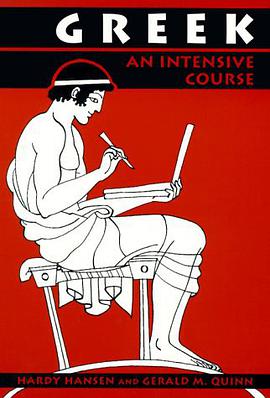
Greek 豆瓣
作者: Hardy Hansen / Gerald M. Quinn 出版社: Fordham University Press 1992
The first edition of this extremely popular two volume "Greek" text has been successfully adopted in many colleges; the organization and approach used by the authors, make it an equally effective tool for those who would enjoy learning the language on their own. The set is designed for a two semester course at the introductory level. This second edition incorporates the authors' improvements and corrections gathered from users' commentary. Those who are currently using the first edition will find this update valuable, those who are seeking a Greek language text will "find Greek: An Intensive Course" one of the most complete and accessible books on the market.
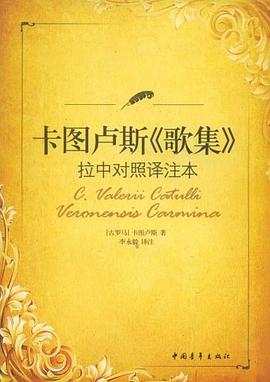
卡图卢斯《歌集》拉中对照译注本 豆瓣
作者: [古罗马]卡图卢斯 译者: 李永毅 出版社: 中国青年出版社 2008 - 11
卡图卢斯的《歌集》共辑录了113首诗(最初有116首,学术界已认定第18首、19首、20首不是卡图卢斯的作品,但仍沿袭原来的编号)。这些诗按编排顺序可划分为三部分。 第1—60首是一些短诗,采用了多种格律(所以被称为polymetricpoems)。这些诗抒情性很强,语言高度口语化,鲜活生动,许多都是欧洲文学史上的名作。 第61—68首是七首较长的诗。第61首和第62首是两首风格迥异的婚歌。第63首和第64首代表了卡图卢斯的最高成就,继承了古希腊的史诗风格和素材,却以自己独特的领悟颠覆了神话传统,反映出罗马共和国晚期动荡的精神气候。第65首和第68首奠定了古罗马哀歌体的基础。第66首则带有明显的泛希腊时期亚历山大诗歌的风味。 第69—116首都采用了哀歌双行体的格律,主要是爱情诗和讽刺诗。这一部分的爱情诗与第一部分的相比,抒情性较弱,分析性较强,不以情趣见长,而更具内敛的张力。
Latin 豆瓣
作者: Floyd L. Moreland / Rita M. Fleischer 出版社: University of California Press 1977 - 10
This is a comprehensive introduction to Latin forms and syntax, designed to train the student in reading ancient texts at an early stage.
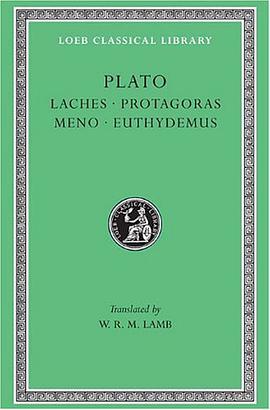
Laches. Protagoras. Meno. Euthydemus 豆瓣
作者: Plato 译者: W. R. M. Lamb 出版社: Harvard University Press 1924
Plato, the great philosopher of Athens, was born in 427 BCE. In early manhood an admirer of Socrates, he later founded the famous school of philosophy in the grove Academus. Much else recorded of his life is uncertain; that he left Athens for a time after Socrates' execution is probable; that later he went to Cyrene, Egypt, and Sicily is possible; that he was wealthy is likely; that he was critical of 'advanced' democracy is obvious. He lived to be 80 years old. Linguistic tests including those of computer science still try to establish the order of his extant philosophical dialogues, written in splendid prose and revealing Socrates' mind fused with Plato's thought.
In Laches, Charmides, and Lysis, Socrates and others discuss separate ethical conceptions. Protagoras, Ion, and Meno discuss whether righteousness can be taught. In Gorgias, Socrates is estranged from his city's thought, and his fate is impending. The Apology (not a dialogue), Crito, Euthyphro, and the unforgettable Phaedo relate the trial and death of Socrates and propound the immortality of the soul. In the famous Symposium and Phaedrus, written when Socrates was still alive, we find the origin and meaning of love. Cratylus discusses the nature of language. The great masterpiece in ten books, the Republic, concerns righteousness (and involves education, equality of the sexes, the structure of society, and abolition of slavery). Of the six so-called dialectical dialogues Euthydemus deals with philosophy; metaphysical Parmenides is about general concepts and absolute being; Theaetetus reasons about the theory of knowledge. Of its sequels, Sophist deals with not-being; Politicus with good and bad statesmanship and governments; Philebus with what is good. The Timaeus seeks the origin of the visible universe out of abstract geometrical elements. The unfinished Critias treats of lost Atlantis. Unfinished also is Plato's last work of the twelve books of Laws (Socrates is absent from it), a critical discussion of principles of law which Plato thought the Greeks might accept.
The Loeb Classical Library edition of Plato is in twelve volumes.
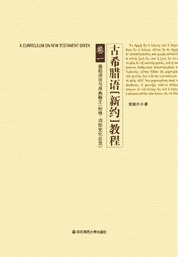
古希腊语(新约)教程[1-3卷] 豆瓣
作者: 黄锡木 出版社: 华东师范大学出版社 2008 - 3
本书诗国内第一本以华人为对象,以汉语编撰的新约希腊语教程。全书分为三卷,第一卷为基础语法和运用,并在附卷中有系统的和较为完整的介绍新约希腊语言的词形变化,第二、三卷则由词汇指南和原文辅读构成。
全书内容翔实、讲解充分、图表丰富、编排有序、练习完善、附录齐备,构成了一份完整的新约希腊语语言学习体系,是一本上乘的语言教材。
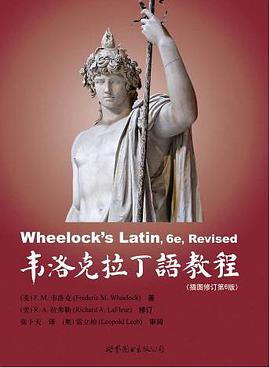
韦洛克拉丁语教程 豆瓣
Wheelock's Latin (6th Ed)
作者: (美) 弗雷德里克•M•韦洛克 著 / (美) 理查德•拉弗勒 修订 译者: 张卜天 出版社: 世界图书出版公司 2009 - 6
《韦洛克拉丁语教程》是20 世纪后半期以来英语世界最受欢迎的拉丁语教材,初版于1956 年,很快就因其严密的组织结构、清晰的叙述讲解、循序渐进的设计安排、适中的难易程度以及其中收录的丰富的古代文献而被誉为“拉丁语学习的标准著作”,其“拉丁语学习首选教材”的地位无可撼动。
全书共分四十课,以简洁而不学究气的语言,系统讲解了拉丁语的基本词形、句法,并通过丰富的词汇学习、众多的英语词源研究、英拉句子互译和古典拉丁语作家原文赏读,来锻炼拉丁语学习者使用单词的灵活性和精确性,培养其观察、分析、判断和评价的能力,加强对语言形式、清晰性和美的感受;并通过探讨战争、友谊、未来、生老病死等发人深省的主题来学习古典作家的思想和技艺,分享他们的人文主义传统。第6 版更是增补了课后的词汇表,修订了拉丁语的背景介绍、语言演变和一些词源学知识,从而使自学拉丁语变得更加容易。