India After Gandhi 豆瓣
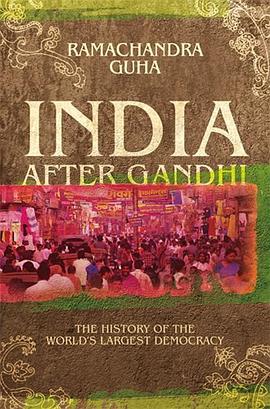
India after Gandhi
作者:
Ramachandra Guha
出版社:
Pan
2008
- 8
Born against a background of privation and civil war, divided along lines of caste, class, language and religion, independent India emerged, somehow, as a united and democratic country. Ramachandra Guha's hugely acclaimed book tells the full story - the pain and the struggle, the humiliations and the glories - of the world's largest and least likely democracy. While India is sometimes the most exasperating country in the world, it is also the most interesting. Ramachandra Guha writes compellingly of the myriad protests and conflicts that have peppered the history of free India. Moving between history and biography, the story of modern India is peopled with extraordinary characters. Guha gives fresh insights on the lives and public careers of those longserving Prime Ministers, Jawaharlal Nehru and Indira Gandhi. But this book also writes with feeling and sensitivity about lesser known (though not necessarily less important) Indians - peasants, tribals, women, workers and musicians. Massively researched and elegantly written, "India After Gandhi" is a remarkable account of India's rebirth, and a work already hailed as a masterpiece of single volume history.