宗教·艺术
Taoism and the Arts of China 豆瓣
作者:
Stephen Little
/
Kristofer Schipper
…
出版社:
University of California Press
2000
- 11
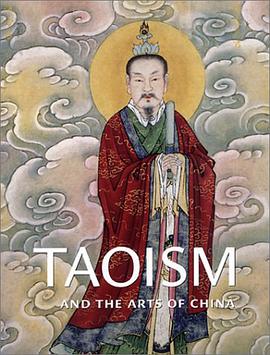
Taoism and the Arts of China brings together a remarkable collection of art from one of China's most ancient and influential traditions. Produced to accompany the first major exhibition ever organized on the Taoist philosophy and religion, this opulent book includes more than 150 works of art from as early as the late Zhou dynasty (fifth-third century b.c.) to the Qing dynasty (1644-1911). Many of these works are paintings that show the breathtaking range of style and subject that makes the Taoist heritage so rich. Sculpture, calligraphy, rare books, textiles, and ritual objects are also represented.
Like the exhibition, the book is organized thematically. It begins with the sage Laozi (to whom the Daode Jing is attributed), and moves on to explore the birth of religious Taoism and the interaction between Taoism, Buddhism, and Confucianism. A wealth of subjects are covered: the gods of the Taoist pantheon, ritual, the boundaries and intersections between Taoism and popular religion, Taoist Immortals and Realized Beings, the role of alchemy, sacred landscape and its significance, and Taoist temples and their architecture.
Taoism and the Arts of China includes an engaging series of introductory essays by scholars with a deep understanding of their subjects. Among the topics discussed are a historical introduction to Taoism, archaeological evidence for early Taoist art, and a general introduction to the functions of art in religious Taoism. Lavishly illustrated with over 150 color images, this volume affords a sweeping view of an artistic terrain that until now has received too little exposure in the West. Its publication constitutes a major advance in Western understanding of this important tradition.
Like the exhibition, the book is organized thematically. It begins with the sage Laozi (to whom the Daode Jing is attributed), and moves on to explore the birth of religious Taoism and the interaction between Taoism, Buddhism, and Confucianism. A wealth of subjects are covered: the gods of the Taoist pantheon, ritual, the boundaries and intersections between Taoism and popular religion, Taoist Immortals and Realized Beings, the role of alchemy, sacred landscape and its significance, and Taoist temples and their architecture.
Taoism and the Arts of China includes an engaging series of introductory essays by scholars with a deep understanding of their subjects. Among the topics discussed are a historical introduction to Taoism, archaeological evidence for early Taoist art, and a general introduction to the functions of art in religious Taoism. Lavishly illustrated with over 150 color images, this volume affords a sweeping view of an artistic terrain that until now has received too little exposure in the West. Its publication constitutes a major advance in Western understanding of this important tradition.
Painting Faith 豆瓣
作者:
An-Yi Pan
出版社:
Brill Academic Publishers
2007
- 9
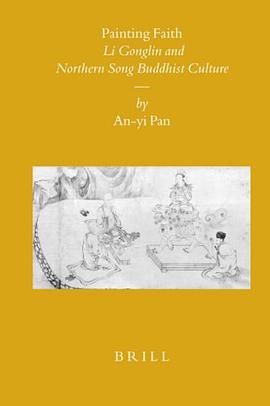
Despite Li Gonglin’s (ca. 1049-1106) deep faith in Buddhism and the large number of recorded and extant Buddhist paintings associated with or ascribed to this great painter, twentieth century scholarship on Li Gonglin has focused primarily on his literatus identity and Confucian art oeuvres. This book departs from this traditional view to establish Li Gonglin’s importance in Chinese Buddhist art history through both the local Longmian Chan and the larger Northern Song religious contexts. It offers a fresh understanding of the impact the intermingling of Tiantai, Pure Land, Huayan and Chan philosophies and practices had on Li Gonglin’s faith and art. Painting Buddhist subjects to Li Gonglin was an expression of faith.