文
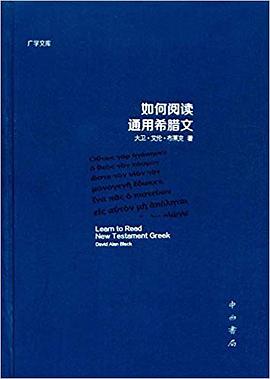
如何阅读通用希腊文 Douban
How to Read New Testament Greek
author:
大卫·阿兰·布莱克
translator:
本书翻译组
publishing house:
中西书局
2017
欢迎加入希腊文学习者的行列!即使你以前从来没有学过任何一门外语,本书的目标也是要帮助你学习阅读并理解通用希腊文。书中所使用的原则和方法,能使你在学习过程中迅速地进步。
通用希腊文形成的最重要文献就是诞生于公元一世纪前后的《新约》,大家常常把通用希腊文称为新约希腊文。所以,通用希腊语对读者和释经者始终具有独特的吸引力。
本书分为二十六章,各类语法知识点都划分成易掌握的单元,每一则语法都有充分的解释和丰富的例证说明,包括需掌握的核心词汇列表以及根据课文材料而设计的练习题。完成前面十七章的学习之后,你就可以开始阅读一些从希腊语《圣经》中选出的段落;在全部课程结束的时候,你将可以在不必经常查阅字典的前提下阅读绝大部分的《新约》。
本书对通用希腊文语法和基础词汇的简明解释以及大量的练习将使你对希腊文的语言结构有基本的理解,可以查阅基于希腊文的《圣经》注释和其他作品,在继续学习中不断成长,将为今后语法课程的学习打下坚实的基础,也为后续“实用的”释经课程学习做好准备。
本书适用于个人或小组的学习,作为进修教材或者便利的参考书。在大多数教学环境下,每周一课,可以使用整个学年,同时留有充足的时间用来做辅助的测试和复习。
专业推荐
这是一种生动、流畅的语法入门课程,将会在未来流行于希腊文学习课堂中。
默瑞·哈里斯/三一福音神学院
清晰的图表,清晰的范例,清晰的讨论——对于一个语法学习的起步者来说,不可能奢望更多了。达雷尔·博克/达拉斯神学院
……蕴含了相当传统的主题顺序优势,板块设计规范且伴随着清晰地解释,与现代语言学并驾齐驱。克雷格·布隆伯格/丹佛神学院
适合教学,语言学知识渊博,释经角度敏锐,全神贯注于圣经——都是这门语法初阶书的独到之处,开启了一个新的标准。
罗伯特·亚伯勒/三一神学院
通用希腊文形成的最重要文献就是诞生于公元一世纪前后的《新约》,大家常常把通用希腊文称为新约希腊文。所以,通用希腊语对读者和释经者始终具有独特的吸引力。
本书分为二十六章,各类语法知识点都划分成易掌握的单元,每一则语法都有充分的解释和丰富的例证说明,包括需掌握的核心词汇列表以及根据课文材料而设计的练习题。完成前面十七章的学习之后,你就可以开始阅读一些从希腊语《圣经》中选出的段落;在全部课程结束的时候,你将可以在不必经常查阅字典的前提下阅读绝大部分的《新约》。
本书对通用希腊文语法和基础词汇的简明解释以及大量的练习将使你对希腊文的语言结构有基本的理解,可以查阅基于希腊文的《圣经》注释和其他作品,在继续学习中不断成长,将为今后语法课程的学习打下坚实的基础,也为后续“实用的”释经课程学习做好准备。
本书适用于个人或小组的学习,作为进修教材或者便利的参考书。在大多数教学环境下,每周一课,可以使用整个学年,同时留有充足的时间用来做辅助的测试和复习。
专业推荐
这是一种生动、流畅的语法入门课程,将会在未来流行于希腊文学习课堂中。
默瑞·哈里斯/三一福音神学院
清晰的图表,清晰的范例,清晰的讨论——对于一个语法学习的起步者来说,不可能奢望更多了。达雷尔·博克/达拉斯神学院
……蕴含了相当传统的主题顺序优势,板块设计规范且伴随着清晰地解释,与现代语言学并驾齐驱。克雷格·布隆伯格/丹佛神学院
适合教学,语言学知识渊博,释经角度敏锐,全神贯注于圣经——都是这门语法初阶书的独到之处,开启了一个新的标准。
罗伯特·亚伯勒/三一神学院
一九四九:傷痕書寫與國家文學 Douban
author:
[美国] 王德威
publishing house:
三聯書店(香港)有限公司
2008
- 10
本書收錄了美國哈佛大學教授/台灣學者王德威先生的一組共四篇論文:《傷痕書寫,國家文學》、《重讀張愛玲的〈秧歌〉與〈赤地之戀〉》、《歷史與怪獸》、《歷史記憶與大學之道》。
本組四篇文章對傷痕書寫與國家文學分別提出不同角度的解讀;檢討一九四九年以來身處不同境地的中國作家負載着當代政治,重新打造了一種傷痕書寫,體現國家在追尋現代性過程中被斵傷、撕裂的遭遇;進而叩問:傷痕與國家機器的關係何在?我們需要什麽樣的傷痕論述與國家文學?更重要的,在告別傷痕的同時,我們如何檢討國家文學,以免成爲下一個時代的「預知」傷痕紀事?
本組四篇文章對傷痕書寫與國家文學分別提出不同角度的解讀;檢討一九四九年以來身處不同境地的中國作家負載着當代政治,重新打造了一種傷痕書寫,體現國家在追尋現代性過程中被斵傷、撕裂的遭遇;進而叩問:傷痕與國家機器的關係何在?我們需要什麽樣的傷痕論述與國家文學?更重要的,在告別傷痕的同時,我們如何檢討國家文學,以免成爲下一個時代的「預知」傷痕紀事?
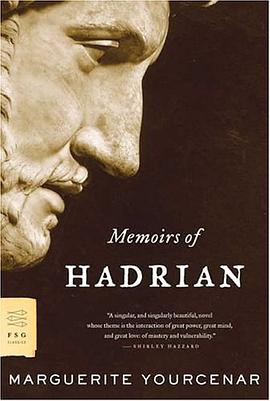
Memoirs of Hadrian Douban Goodreads Google Books
Mémoires d'Hadrien
10.0 (5 ratings)
author:
Marguerite Yourcenar
translator:
Grace Frick
publishing house:
Farrar, Straus and Giroux
2005
- 5
Both an exploration of character and a reflection on the meaning of history, "Memoirs of Hadrian" has received international acclaim since its first publication in France in 1951. In it, Marguerite Yourcenar reimagines the Emperor Hadrian's arduous boyhood, his triumphs and reversals, and finally, as emperor, his gradual reordering of a war-torn world, writing with the imaginative insight of a great writer of the twentieth century while crafting a prose style as elegant and precise as those of the Latin stylists of Hadrian's own era.
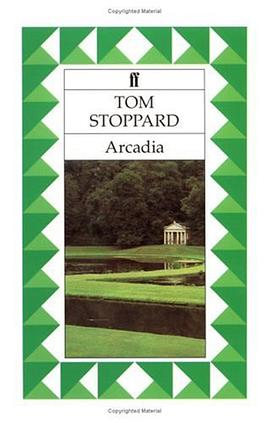
Arcadia Douban Goodreads Goodreads
Arcadia
This play takes readers back and forth between the 19th and 20th centuries. Set in a large country house in Derbyshire, a cast of characters from each century play out their respective dramas. The text explores topics such as the nature of truth and time and the difference between the classical and the romantic temperament, and the disruptive influence of sex on our orbits in life.
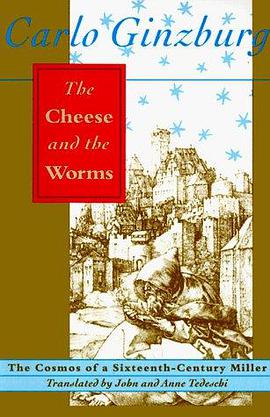
The Cheese and the Worms Douban
author:
Carlo Ginzburg
translator:
John Tedeschi
/
Anne C. Tedeschi
publishing house:
The Johns Hopkins University Press
1992
- 3
A survey of popular culture in 16th century Italy. Ginzburg’s study The Cheese & The Worms: The Cosmos of a Sixteenth-century Miller, first published in 1976, is one of those fascinating micro-histories which explores the remote lives of unknown and forgotten people. The story of Menocchio is one of a peasant life of obscurity but also one of strange and powerful ideas – confused and half-baked even – but powerful enough to bring him into conflict with the Inquisition and thereafter to the final purgatorial flames.
“I have said that, in my opinion, all was chaos … and out of that bulk a mass formed – just as cheese is made out of milk – and worms appeared in it, and these were the angels, and among that number of angels, there was also God, he too having been created out of that mass at the same time ….”
This was Menocchio’s own version of Genesis, recounted at his first interrogation: it has perhaps something in common with modern chaos theory. Sadly, the inquisitors did not appreciate the idea that God might have started out as a worm in a primordial curd. Nonetheless, this was Menocchio’s oft-repeated explanation, one he never recanted. More than an independent mind, Menocchio’s was a rebel spirit, harshly critical of Church and clergy and determined to have his say. His ‘learning’ was a fascinating hotch-potch of superstition, oral tradition, ‘strong’ ideas, misunderstood reading, peasant radicalism, paganism and ‘cottage cheese cosmology’. Ginzburg’s book details the patient mechanism of the Inquisition in Counter Reformation Italy as it sought to eradicate suspected heresy and heretical groups rather in the same way that Stalin suspected counter-revolution everywhere.
Bruno burned for the books he had written; Menocchio burned for the books he had misunderstood. Both burnings demonstrate among other things the truth of the old adage; a little learning can be a dangerous thing. Menocchio’s roasting generated more heat than light but at least it did not contradict the Laws of Thermodynamics. Today in Montereale the visitor will find the Domenico Scandella Social Centre. In the piazza there is a monument in the form of a large wheel of cheese with one slice missing. Our heretic has become a hero. Stephen Dedalus said of Bruno that, heretic or not, ‘he was terribly burnt’; so was the poor miller from Friuli.
“I have said that, in my opinion, all was chaos … and out of that bulk a mass formed – just as cheese is made out of milk – and worms appeared in it, and these were the angels, and among that number of angels, there was also God, he too having been created out of that mass at the same time ….”
This was Menocchio’s own version of Genesis, recounted at his first interrogation: it has perhaps something in common with modern chaos theory. Sadly, the inquisitors did not appreciate the idea that God might have started out as a worm in a primordial curd. Nonetheless, this was Menocchio’s oft-repeated explanation, one he never recanted. More than an independent mind, Menocchio’s was a rebel spirit, harshly critical of Church and clergy and determined to have his say. His ‘learning’ was a fascinating hotch-potch of superstition, oral tradition, ‘strong’ ideas, misunderstood reading, peasant radicalism, paganism and ‘cottage cheese cosmology’. Ginzburg’s book details the patient mechanism of the Inquisition in Counter Reformation Italy as it sought to eradicate suspected heresy and heretical groups rather in the same way that Stalin suspected counter-revolution everywhere.
Bruno burned for the books he had written; Menocchio burned for the books he had misunderstood. Both burnings demonstrate among other things the truth of the old adage; a little learning can be a dangerous thing. Menocchio’s roasting generated more heat than light but at least it did not contradict the Laws of Thermodynamics. Today in Montereale the visitor will find the Domenico Scandella Social Centre. In the piazza there is a monument in the form of a large wheel of cheese with one slice missing. Our heretic has become a hero. Stephen Dedalus said of Bruno that, heretic or not, ‘he was terribly burnt’; so was the poor miller from Friuli.